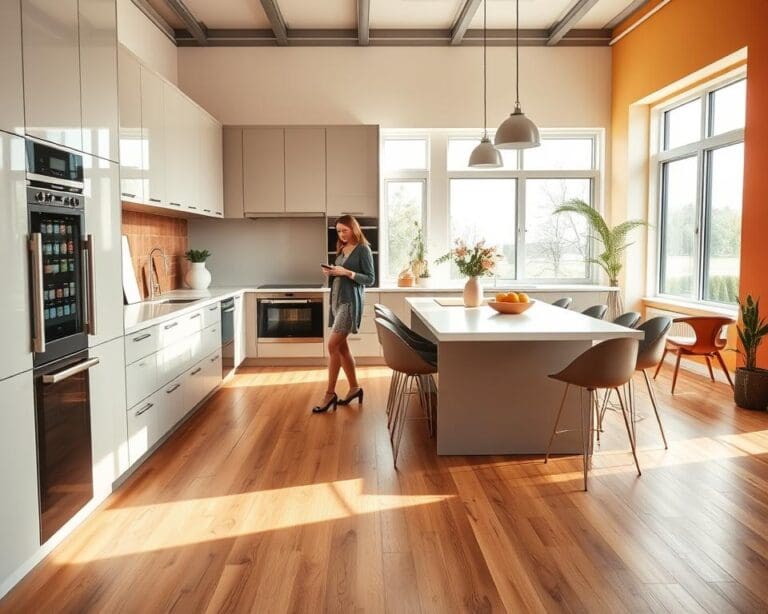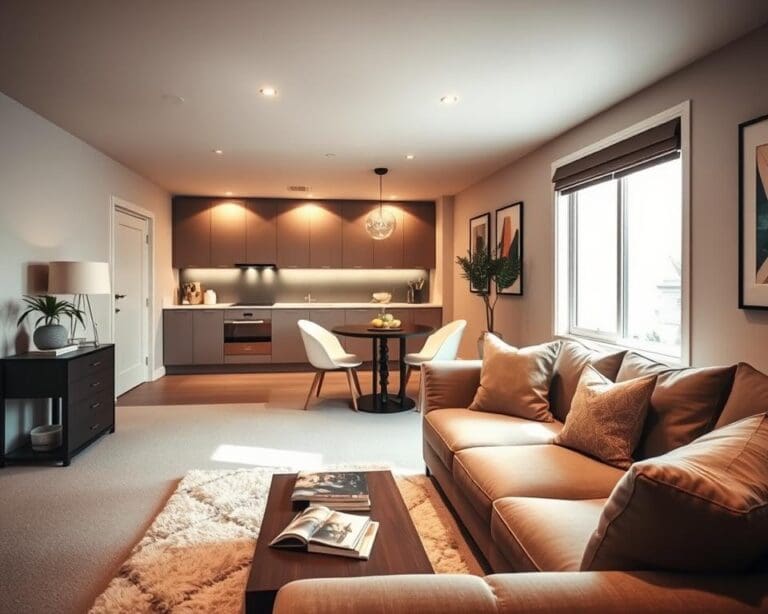
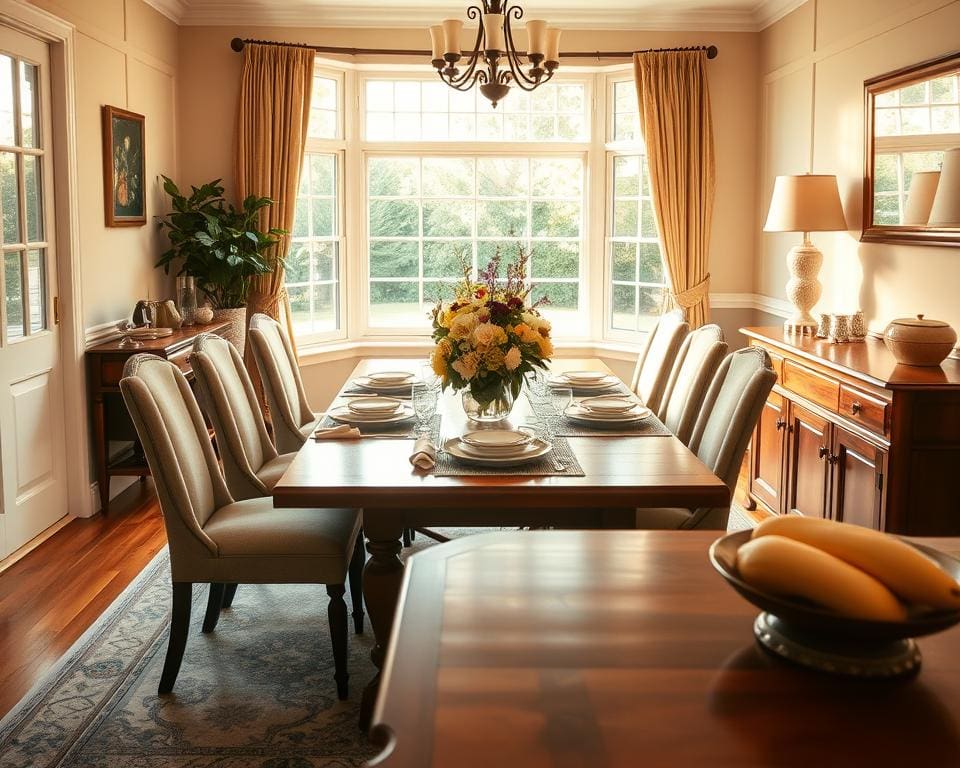
An inviting dining room encourages people to linger, talk, and enjoy meals together. It blends practical needs—comfortable seating, clear traffic flow, and the right table height—with an intentional dining room ambiance that feels warm and effortless.
Think of cozy dining room design as a balance of mood and function. Soft lighting and layered textures set the emotional tone, while a well-chosen table and chairs support long dinners and lively conversation. These inviting dining room ideas help meals feel like events rather than chores.
Measurable outcomes matter: more family dinners, longer mealtimes, and guests who arrive relaxed and stay awhile. Whether you live in a Manhattan apartment or a suburban home, small design choices can create a welcoming dining room that fits everyday life and special occasions.
This article will define what makes a dining room inviting, explore emotional goals like warmth and connection, and offer practical, stylish steps you can take now. For a deeper take on tasteful decorating, see a practical guide at dining room decor tips.
What makes a dining room inviting?
An inviting dining room begins with clear intent. It must feel like a place you want to enter, linger in, and return to. Think of purpose and hospitality side by side: the room should fit your usual number of diners, support meals and homework, and present a visual welcome that sparks conversation.
Defining an inviting dining room
The inviting dining room definition rests on function and proportion. Choose a table size and height that match your household. Allow roughly 24 inches of table width per person and at least 36 inches of circulation behind chairs so movement feels natural.
Scale the furniture to the room. Oversized pieces crowd the space. Undersized pieces make it feel empty. Include accessible storage for tableware and linens to keep surfaces clear and the room visually calm.
Emotional goals: warmth, comfort, and connection
Emotional design dining room choices set the mood. Warmth comes from layered lighting and materials such as wood and woven fibers. Aim for warm light temperatures in the 2700K–3000K range to make faces glow and food look appetizing.
Comfort shows up in ergonomic chairs, cushioned seating, and textiles that invite touch. Rugs and curtains help control acoustics so conversation stays intimate and easy to follow.
Arrange seating to foster connection. Round or oval tables bring faces together. Rectangular tables perform well when chairs are placed to encourage eye contact. Personal items like family photos or a curated centerpiece signal hospitality.
How function and atmosphere work together
A functional dining room layout and the dining room atmosphere should be inseparable. Use a dimmable chandelier or layered lamps to switch from serving to after-dinner chats. Keep storage solutions that hide clutter and display pieces that reveal personality.
If the table doubles as a workspace, choose durable finishes and multipurpose storage. Plan for daily rhythms: sheer curtains and light textiles suit bright mornings, while layered artificial light and heavier window coverings serve evening gatherings.
Select materials that last through family life. Hardwood or engineered floors, washable paints, and easy-care upholstery preserve the room’s appeal. That way the dining room warmth and comfort remains consistent as needs change over time.
Design elements that create warmth and comfort
A dining room becomes inviting when each design choice supports comfort and connection. Thoughtful elements—lighting, color, furniture, textiles, and focal pieces—work together to craft a cohesive, warm dining room design that feels lived-in and intentional.
Lighting strategies for mood and function
Start with layered lighting to control atmosphere. Combine ambient ceiling fixtures, a pendant or chandelier over the table, and accent sconces to shape the mood.
Pick a chandelier or linear pendant sized to the table. For rectangular tables, aim for a fixture length that is 60–75% of the table width to anchor the dining zone.
Use warm LED bulbs (2700K–3000K) and dimmers to create an inviting glow. Hang pendants about 30–36 inches above an 8-foot table surface and raise them for taller ceilings.
Color palettes that promote coziness
Choose warm neutrals or rich hues to set a tactile backdrop. Beige, taupe, and greige calm the room, while deep green, navy, terracotta, or burgundy add intimacy when used on an accent wall.
Balance darker walls with lighter trim and fabrics to keep the room open. Bring in brass or bronze finishes and natural wood to reflect light and add warmth.
Prefer matte or eggshell finishes for walls to reduce glare and feel more tactile.
Furniture choices: scale, material, and arrangement
Scale matters. Leave at least 36 inches around the table for traffic and service. In small rooms, opt for benches or extendable tables to maximize seating without crowding.
Solid woods like oak, walnut, and maple provide lasting warmth and character. Metal or glass pieces work when balanced with softer textiles.
Mix upholstered chairs and benches for comfort and visual interest. Center the table under the main fixture and align seating to views or architectural features.
Textiles and textures: rugs, curtains, and cushions
Anchor the dining set with an area rug that extends about 24 inches beyond the table edge so chairs stay on the rug when pulled out. Choose low-pile or flatweave rugs for easy movement and cleaning.
Layer window treatments with sheers and heavier drapes to control light and privacy. Use durable, tactile fabrics—velvet, linen blends, and woven cotton—to invite touch.
Textiles absorb sound, which sharpens conversation. If echoes are a problem, add heavy drapes or wall-mounted fabric panels for better acoustics.
Choosing focal points: artwork, mirrors, and centerpieces
Select art that complements the palette and mood of the room. A single large piece or a curated gallery wall can define the space and express personality.
Place mirrors to reflect daylight and make the room feel larger. A mirror behind a buffet or opposite a window amplifies natural light.
Keep centerpieces low so guests can converse without obstruction. Layer a tray with candles, seasonal flowers, or fruit for a curated look that is practical and inviting.
Practical tips for making your dining room feel welcoming
Start with quick wins that change the mood fast. Install dimmers on your main lights so you can shift from bright to cozy in a moment. Layer textiles—a runner, a rug, and a few cushions—to soften hard surfaces and add color. Bring in natural elements like fresh flowers or a bowl of seasonal fruit for life and a subtle scent.
Adopt simple routines that signal hospitality. A consistent table ritual—placemats, cloth napkins, a modest centerpiece, and low-volume music—creates an atmosphere guests recognize as warm. Keep clutter controlled with a credenza or buffet from Pottery Barn, West Elm, or IKEA to store tableware and linens, and maintain comfortable temperature and mild scents such as citrus or cinnamon.
Plan for flexibility and longevity. Store extra folding chairs or a bench for unexpected guests and conversational groupings. Invest in solid seating and a durable table; quality furniture pays off over decades. Add acoustic solutions like area rugs or fabric wall hangings to reduce echo and improve conversation in high-ceiling rooms.
Stage the room to suit the occasion using this welcoming dining room checklist. For everyday meals, use durable dinnerware and a simple runner. For casual entertaining, layer plates, cloth napkins, candles, and a small floral arrangement. For formal dinners, dim lights, choose a low statement centerpiece, and use sideboards for serving. Before guests arrive, check lighting levels, clear clutter, arrange seating, and add one thoughtful touch—fresh flowers or a candle—to complete your dining room staging for hospitality. These practical dining room tips show how to make dining room cozier: start with one change this week and notice the difference.