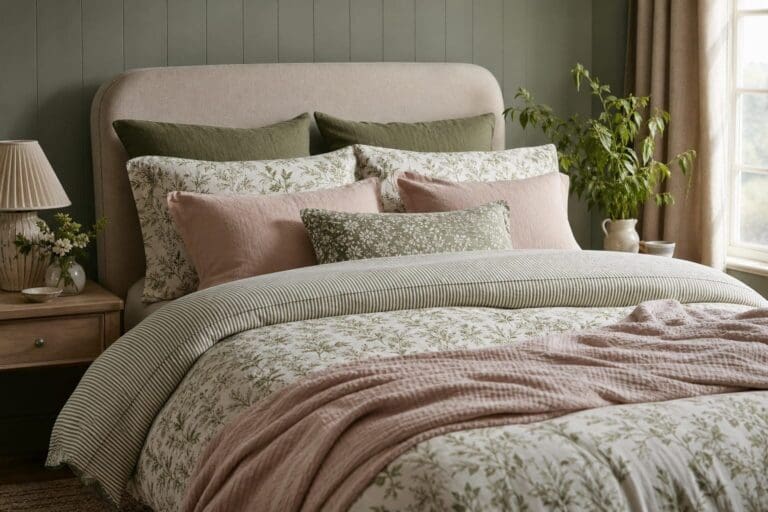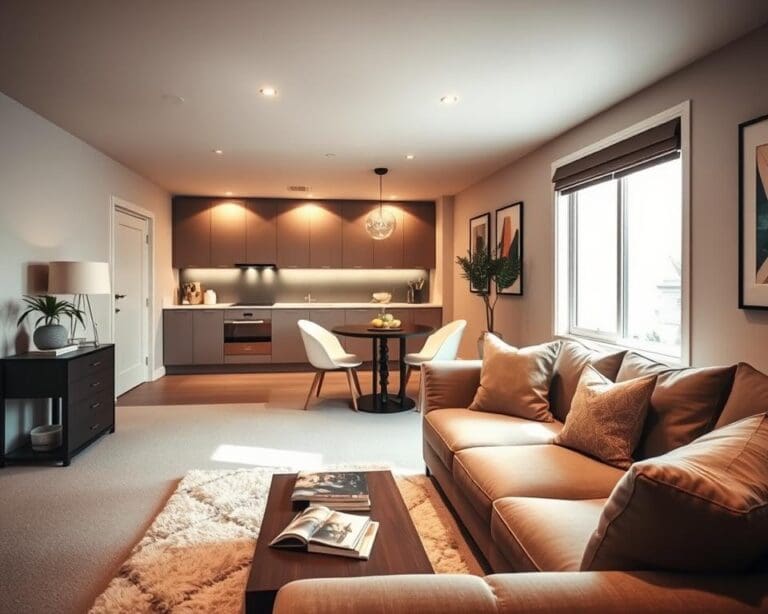
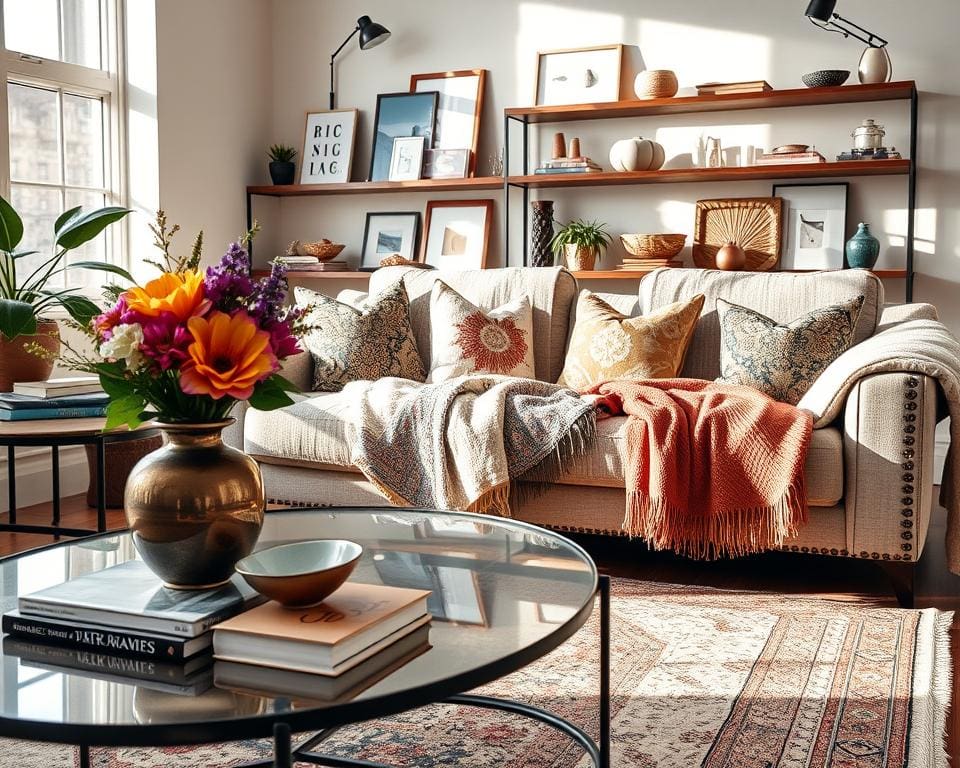
Decorating with accessories is the fastest way to refresh a room without ripping out floors or repainting walls. Home accessories are the movable pieces—pillows, throws, rugs, vases, art, mirrors, lamps, books, plants, and small furniture accents—that add personality and polish.
This guide shows how to decorate with home accessories so you can accessorize your home with confidence. You’ll learn simple home accessories tips and interior accessories ideas that work for renters and homeowners alike. Small changes can create balance, build focal points, and tie a room together.
By the end, you’ll know how to layer texture and color, place items with the right scale, and define zones in open-plan spaces. These practical steps make decorating with accessories both affordable and high-impact for busy lives across the United States.
How do you decorate with home accessories?
Accessories act as the finishing touches that turn a room from staged to lived-in. They carry mood, color, and texture, and they tell the story of who lives there. Think of interior design accessories as the voice that personalizes a home without changing structure.
Understanding the role of accessories helps you see how accessories vs furniture differ. Furniture gives function and anchors a room. Built-ins shape architecture. Accessories refine areas, add warmth, and let you update a space seasonally with low-commitment swaps like throws and pillow covers.
Understanding the role of accessories in interior design
Stylists at Architectural Digest and Better Homes & Gardens use repetition, odd numbers, and mixed heights to create rhythm. A single oversized vase or statement lamp can serve as a focal point. Use contrast in color and texture to balance sofas and cabinets.
Accessories introduce scale and proportion to a scheme. Place a tall object with two lower pieces to make a triangular composition. That guides the eye and anchors a vignette.
Choosing accessories that reflect your style
Decide on a decor style before you choose accessories. For modern accessories, pick clean lines, geometric forms, and a limited palette. For boho accessories, layer textiles, rattan, woven baskets, and plants. For classic accessories, favor symmetry, porcelain, and warm wood finishes.
Eclectic decor thrives on curated contrast. Mix eras, use bold color collisions, and source one-of-a-kind finds from Etsy or local markets to maintain authenticity. Brands such as West Elm and CB2 work well for modern pieces, Anthropologie suits boho accents, and Pottery Barn fits classic elements.
Practical tips for placement and scale
Follow simple accessory placement tips to keep rooms comfortable. Group objects in odd numbers, vary heights, and anchor sets with a tray. On tables, avoid items taller than two-thirds of the stacked surface height to keep scale and proportion harmonious.
Shelf styling should alternate horizontal book stacks with vertical pieces and leave negative space to prevent clutter. Repeat color or material across shelves to tie the composition together.
Define zones in open-plan spaces with rugs, layered lighting, and accessory groupings. A console with layered lamps and an art cluster can separate a living area from a dining or work zone without walls.
- Choose one or two signature pieces per room to create continuity.
- Mix textures—velvet, linen, leather—to match your decor style.
- Place accessories where light catches them to highlight form.
Keep frequently used surfaces functional by combining decorative items with useful objects like trays and coasters. These small choices show how to place decor so beauty and daily life coexist.
Styling tips and techniques to elevate every room
Start each room with a calm base and build outward. Neutral decorating on walls and large furniture gives freedom to experiment with texture, scale, and color in decorating. Small swaps create big change without a full refit.
Layering for depth and warmth
Combine throws and pillows with rugs and hard surfaces to add tactile interest. Place layering rugs of different textures to anchor seating areas and prevent a flat feel. A wool rug from Carpetright pairs well with a flatweave from Made.com when you mix pattern scales.
Use shelf layers to tell a story: tall objects at the back, medium pieces in the middle, and low items up front. Add plant styling with a tall fiddle leaf fig, mid-height pothos, and small succulents to bring life into vignettes.
Color strategies for cohesive decorating
Pick one or two accents and repeat them across textiles, art, and small decor to create a deliberate thread. Repeat color scheme in throws, a vase, and a print to tie corners together.
Think about color temperature when choosing accent color tips. Warm tones like terracotta and ochre make rooms feel intimate, while cool hues such as teal and navy calm a bedroom. For product ideas and practical styling examples visit this guide.
Using lighting and mirrors as functional accessories
Plan layered lighting: ambient overhead, task lamps as decor, and accent lighting to highlight art and objects. Choose statement lighting to anchor a dining table or seating area; Tom Dixon and Jonathan Adler offer sculptural pieces, while IKEA and Target provide budget picks.
Mirror placement can boost light and scale. Position mirrors opposite windows to reflect daylight or use tall mirrors to add height. Group small mirrors for an artful cluster that doubles as wall decor.
- Layered lighting for mood: mix ambient, task, and accent
- Balance texture: ceramics and glass with soft textiles
- Maintenance tips: rotate cushions seasonally and follow care labels
Shopping smart: selecting and curating home accessories
Begin by separating investment pieces from trendy finds. Spend on durable items that age well—high-quality rugs, solid wood lamps, and a classic mirror—while buying affordable seasonal items like pillow covers or novelty objects. This approach to curating accessories keeps the room grounded and avoids impulse clutter.
Shop sales and online marketplaces strategically. Sign up for newsletters from West Elm, Crate & Barrel, and Pottery Barn, use coupon extensions like Honey, and monitor Overstock and Wayfair for discounts. Set saved searches on eBay, Etsy, and Facebook Marketplace to find vintage decor and unique pieces without overspending.
Learn thrift shopping tips for condition and restoration. Inspect furniture for solid wood frames, check ceramic art for hairline cracks, and look for brass lighting that can be cleaned or rewired. Local estate sales and antique markets often yield one-of-a-kind finds that add personality when blended with a simple palette of two or three finishes.
Organize for longevity and seasonal swaps. Use labeled bins, vacuum storage bags for textiles, and under-bed boxes for off-season decor. Keep a rotation plan—lighter linens and greenery for spring and rattan or warm throws for fall—to refresh rooms quickly. Live with new pieces for a week before committing, and consult minimalist guidance when you need a neutral anchor or biophilic balance via plant choices like succulents; see more on styling principles at minimalist decor advice.