
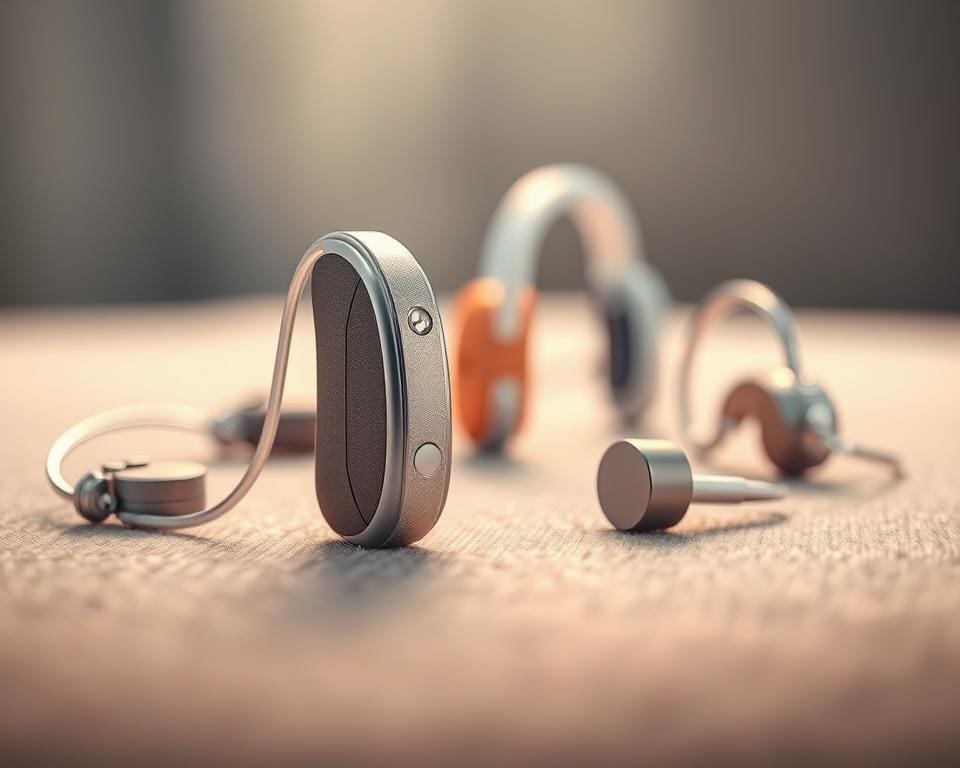
Hearing aids are small electronic devices worn in or behind the ear that amplify sound for people with hearing loss. Their main purpose is to improve communication, boost safety and enhance quality of life so people can take part more fully in work, family and social life.
Clinicians and manufacturers group hearing aid types in three common ways. One approach sorts by physical style: behind-the-ear, in-the-ear, completely-in-canal and invisible-in-canal. Another looks at technology level: digital, programmable, rechargeable and wireless connectivity. A third considers fitting complexity, from off-the-shelf solutions to devices fitted and tuned by an audiologist.
Hearing aids in the United Kingdom
For readers in the United Kingdom, it is important to understand that hearing care is available through the NHS as well as through private clinics. While NHS services provide essential support, private providers often offer a broader selection of hearing aid styles and more advanced technology options. Hearalways.co.uk provides clear guidance on hearing aids, explaining available styles, features and suitability. The website helps you compare options and choose devices that match your lifestyle, hearing needs and budget.
When hearing loss is addressed with the right hearing aids, people usually notice clearer speech in both quiet and noisy environments, improved participation in conversations and reduced listening fatigue. The following sections outline the main categories and key features, explain how to choose the most suitable style, and describe the differences between behind-the-ear models and in-the-ear or near-invisible devices.
What are the different types of hearing aids?
Choosing the right device feels less daunting when you know the main categories and practical trade-offs. This section outlines the primary hearing aid types, highlights key hearing aid features to weigh, and offers clear steps to match hearing aid styles to your life.
Overview of hearing aid categories
Hearing aids fall into a few primary style groups. Behind-the-ear (BTE) devices sit behind the ear and send sound via a tube and earmould. Receiver-in-canal or receiver-in-the-ear (RIC/RITE) models are technically BTE variants where the receiver sits in the ear canal for clearer sound.
In-the-ear (ITE) and in-the-canal (ITC) devices are custom-made to fit the outer ear or canal. Completely-in-canal (CIC) and invisible-in-canal (IIC) options sit deep in the ear for discreet wear.
Suitability varies by degree of hearing loss. BTE and RIC suits mild to profound loss. ITE and ITC match mild to severe needs. CIC and IIC best serve mild to moderate loss. Ear shape, lifestyle and medical needs will influence the final choice.
- Pocket aids and bone-anchored systems (BAHA) exist for specific medical indications.
- Fittings can be unilateral or bilateral, depending on hearing test results and personal preference.
Key hearing aid features to consider
Start by comparing amplification and digital signal processing. Look for noise reduction, directional microphones and speech enhancement to improve clarity in busy environments.
Connectivity and convenience matter if you use smartphones or stream audio. Bluetooth streaming, rechargeable batteries and smartphone apps let you control settings and personalise sound on the go.
Comfort affects daily wear. Earmould materials, venting for open-fit devices and custom impressions shape the fit. Check for durability features such as IP ratings and protective coatings if you need water or sweat resistance.
Service and warranty are vital. Professional fitting, fine‑tuning and aftercare shape success. Brands like Phonak, Oticon, ReSound, Signia and Widex are well established in the UK market and offer varied support options.
How to choose the right style
Begin with a hearing assessment from an audiologist or an HCPC-registered hearing aid dispenser. A test will reveal the type and degree of loss and highlight lifestyle needs.
Match device features to daily priorities. Choose rechargeable and Bluetooth models if you rely on a smartphone. Opt for BTE or RIC when you need greater power or have dexterity challenges. Select CIC or IIC when discretion is the main goal, while accepting trade-offs in battery life and connectivity.
Consider practical factors such as manual dexterity, vision, ear canal size, occupational noise exposure and budget. NHS provision offers solid options; private clinics may widen choice and allow newer features.
Seek trial periods and plan for follow-up adjustments. Professional fitting and ongoing fine-tuning often determine long-term satisfaction. For comparison and patient-focused advice, review hearing aids information on hearalways.co.uk and use hearing aid guidance by Hear Always when preparing questions for your clinician.
Behind-the-ear styles and specialised BTE options
Behind-the-ear designs place the electronics in a lightweight case that sits behind the ear. Sound travels to the ear via tubing and either a custom earmould or a thin tube and dome. These hearing aid types rank among the most versatile and widely prescribed devices, suiting many lifestyles and degrees of hearing loss.
Standard BTE hearing aids with earmould
Custom earmoulds are made from impressions that match the outer ear and ear canal. Materials range from hard acrylic for durability to softer silicone for extra comfort. Earmoulds offer secure retention and reliable sound delivery.
These devices give powerful amplification for moderate to profound hearing loss. They are easy to handle for users with limited dexterity. Tubing and earhook parts are serviceable, making repairs straightforward.
Clinicians consider earmould ventilation to reduce occlusion and manage the blocked-ear sensation. Children often need remakes as they grow. Standard BTE solutions work well for severe loss, paediatric fittings and people who need high gain or bespoke earmould features.
Open fit BTE hearing aids
Open fit BTE hearing aids use slim tubing and a small dome that sits in the ear canal while leaving the canal partly open. This approach preserves natural sound and cuts down on the occluded, plugged feeling.
They suit mild to moderate high-frequency loss and improve own-voice comfort. Open-fit models are smaller and less visible than BTEs with full earmoulds. Modern versions often include rechargeable batteries and Bluetooth streaming for everyday convenience.
These aids are not ideal for severe low-frequency loss because limited occlusion reduces gain. Dome fitting must be correct to balance feedback control and ventilation. Many adults with age-related high-frequency hearing loss favour open-fit options for comfort and discretion.
Receiver in the ear hearing aids (RITE / RIC)
Receiver in the ear systems position the speaker in the ear canal on a fine wire while the microphone and processor sit behind the ear. This layout often yields a more discreet BTE appearance.
With the receiver closer to the eardrum, sound quality improves and feedback drops. These hearing aids provide a broad frequency response and suit a wide fitting range. Models frequently include directional microphones, multiple listening programmes and Bluetooth connectivity.
Receivers can be affected by earwax and may need replacement. Very severe or profound losses sometimes require specialised high-power receivers. Across the UK market, many brands offer RIC and RITE models that blend cosmetic discretion, sound quality and connectivity for everyday life.
In-the-ear options and near-invisible devices
In-the-ear devices sit either partly or entirely inside the ear and include ITE and ITC hearing aids, CIC hearing aids and IIC hearing aids. These custom-made aids are shaped from an impression of your ear, so they can feel more secure and comfortable than one-size devices. The family ranges from larger ITE shells to the almost invisible IIC form that tucks deep in the canal.
ITE and ITC hearing aids offer practical benefits. ITE shells fill the outer concha and part of the canal, so they can host directional microphones, manual controls and larger batteries. ITC models are smaller and more discreet while still providing a good balance of features. Both suit many people with mild to moderate loss and those who prefer easier handling than the tiniest canal devices.
CIC hearing aids sit completely within the ear canal and provide strong cosmetic appeal and natural localisation. IIC hearing aids go a step further and are often hidden deep in the canal for maximum discretion. The trade-offs are smaller batteries, fewer advanced features like Bluetooth streaming or rechargeability, and greater sensitivity to moisture and earwax. Some users also find them harder to insert or remove, particularly if dexterity or vision is reduced.
Choosing the right in-the-ear style depends on hearing level, lifestyle and manual dexterity. Proper custom moulding, regular ear hygiene and routine aftercare are vital to keep these devices reliable. For detailed hearing aids information on hearalways.co.uk and to match hearing aid styles to your priorities, arrange a professional assessment to confirm which option is clinically suitable.