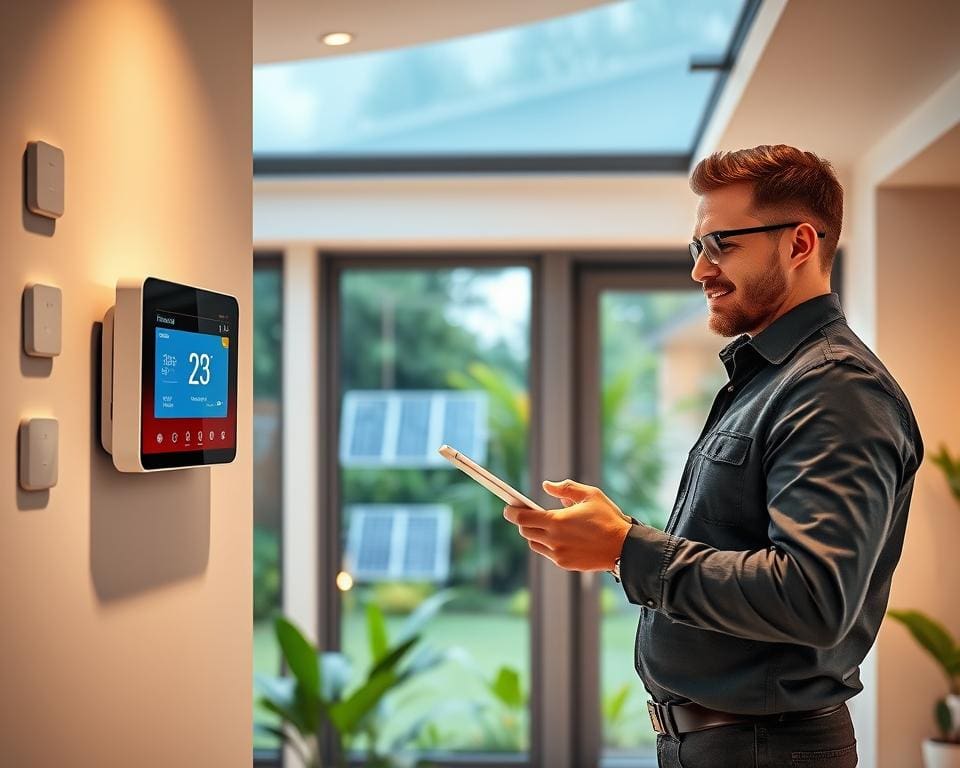
Smart climate control describes a new generation of heating and cooling that blends precise hardware with intelligent software. For UK homeowners, effectiveness matters because it delivers consistent comfort, cuts household bills and reduces carbon emissions.
This article is written as a practical buyer’s guide for those choosing between Google Nest, Hive, Tado, Honeywell Home and ecobee, as well as installers preparing systems for older, mixed heating stock. It focuses on the key question: what makes smart climate control systems effective rather than merely smart in name.
We set out the technical and user-centred elements that drive real performance: sensors, zoning, reliable thermostats, data-driven optimisation and simple user interfaces. Given the UK’s variable weather, ageing homes and rising energy prices, intelligent heating systems and robust home energy management UK solutions are increasingly important.
The review that follows will examine hardware, software, measurable outcomes and the practicalities of purchase and installation. Expect clear guidance on smart thermostat benefits, realistic savings and how to secure long-term performance through correct siting, commissioning and vendor support.
What makes smart climate control systems effective?
Well-designed smart climate control blends reliable hardware, intelligent data and thoughtful user experience. These systems must sense conditions accurately, talk to heating plant and adapt to how people use rooms. The result is comfort that feels effortless and running costs that fall.
Core components that drive performance
Smart thermostats and sensors form the foundation. Thermostat-mounted sensors, remote room sensors, motion and occupancy sensors, humidity probes and door/window contacts each feed a clearer picture of temperature and use. Placement matters; a sensor in a sunny bay will read differently from one in a corridor.
Known models show the range of capability. Google Nest Learning Thermostat emphasises adaptive scheduling. Tado offers multi-room sensor packs and smart radiator valves that suit retrofit radiators. Honeywell Home supports many boiler and heat pump setups, easing compatibility worries.
Zoning control comes in two flavours: hardware and software. You can use multiple thermostats, smart TRVs such as Danfoss or Tado Smart TRV, or a central controller to manage zones. Zoning prevents overheating, heats only occupied rooms and reduces wasted energy. For older UK radiators and combi boilers, retrofit wiring and valve fittings are common considerations.
HVAC integration affects how a system is wired and controlled. Check for C-wire needs where thermostats require constant power. Relay interfaces link to boilers, heat pumps and manifold controllers for underfloor heating. Many retrofit projects need a plumber or heating engineer to assess electrical supply and boiler location.
Data intelligence and adaptive algorithms
Machine learning HVAC systems learn routines and use local weather forecasts to predict heating and cooling needs. Nest’s learning schedules and Tado’s geofencing and weather compensation show practical approaches. Systems grow more accurate over weeks or months as data accumulates.
Real-time adjustments complement scheduled control. Occupancy-triggered changes and responsive setpoint tweaks prevent wasted energy when rooms are empty. A hybrid approach keeps learned schedules as a baseline while allowing instant overrides and weather-aware shifts to avoid frequent cycling.
Closed-loop feedback refines performance. Temperature readings and energy-use telemetry tune algorithms so the system improves with time. Cloud connectivity enables aggregate updates and broader optimisation. Some products keep learning on-device to limit data leaving the home for privacy-conscious users.
User experience and control interfaces
Smart home UX determines how people interact with their system. Mobile apps on iOS and Android, voice control through Amazon Alexa, Google Assistant and Apple HomeKit, and tactile thermostats all play a role. Clear, reliable controls make it easier for occupants to set preferences and trust automation.
Good onboarding shortens the learning curve. Simple setup, intuitive scheduling and step-by-step tutorials increase engagement and deliver better energy outcomes. Installer support matters when hardware needs complex wiring or radiator adaption.
Remote diagnostics and accessibility features help homeowners and landlords. Logs, firmware updates and clear usage reports aid troubleshooting from a distance. Larger fonts, simplified menus and multi-property accounts support users with diverse needs and ensure systems remain useful over time.
Energy efficiency, cost savings and environmental impact
Smart climate control can cut waste, save money and reduce carbon emissions when fitted and used well. Start by measuring current consumption with a smart meter or manual readings to build a baseline. That baseline makes it possible to estimate returns and spot where controls will make the biggest difference.
Measuring efficiency and expected savings
Establish a clear baseline of seasonal usage before retrofit. Many studies and vendor reports show typical heating reductions of 10–20% for well-configured systems. Savings rise when thermostats pair with radiator TRVs, better insulation or heat pumps.
Estimate smart heating ROI UK by considering home fabric, existing controls, fuel type and occupant patterns. A semi-detached house that adds a smart thermostat and TRVs often sees around 15% annual savings.
Smart control reduces peak demand through anticipatory heating, setback scheduling and zoning. These techniques help reduce tariff peaks and limit wasted heat from overheating unused rooms.
Carbon footprint reduction and sustainability credentials
Energy saved translates into lower CO2 emissions. Use national conversion factors for gas and grid electricity to quantify impact. Savings compound when controls combine with insulation upgrades and efficient appliances.
Smart systems enable better use of renewables and storage. Thermostats can shift heating to periods of rooftop solar output or battery discharge, or run heat pumps when electricity is greener or cheaper.
Scheduling to match off-peak and green tariffs helps households reduce running costs and emissions. Modern dynamic tariffs and tools from suppliers such as Octopus allow smart devices to favour low-carbon time windows.
Incentives and regulations relevant in the United Kingdom
Several UK schemes support upgrades through ECO and local authority retrofit grants. Availability varies by region and by eligibility, so check local authority offers and energy company programmes.
Smart controls can contribute to EPC and smart heating improvements when combined with fabric measures. Landlords should note Minimum Energy Efficiency Standards and the potential for better EPC ratings after upgrades.
Smart meters complement smart controls by providing accurate data for baseline checks and ongoing optimisation. Homeowners may find UK grants smart controls or other incentives that reduce upfront costs and improve smart heating ROI UK while helping reduce heating bills.
Practical considerations for choosing and installing a smart climate control system
Choosing the right system starts with understanding how it will sit in your home. Prioritise compatibility with open protocols such as Zigbee, Z‑Wave, Matter and OpenTherm if you want an open standard smart home that lets you mix brands and expand later. Proprietary ecosystems from Google Nest or Hive can feel simpler to set up and offer tight integration, but they may limit choice and long‑term flexibility. For buyers in the UK, check that devices work with Amazon Alexa, Google Home or Apple HomeKit and confirm Matter or OpenTherm support if future‑proofing matters.
Plan for scale when you have a large house, many zones or specialist systems such as heat pumps and underfloor heating. Larger properties often need multiple thermostats or smart TRV UK valves, stronger mesh networks for sensors and, in some cases, a central controller or wired backbones for reliability. Heat pumps and multi‑circuit underfloor systems demand controllers that manage flow rates and sequencing; discuss these needs with installers to ensure correct hardware and adequate sensor coverage.
Firmware updates and cybersecurity are essential. Look for vendors that publish clear security policies, use strong encryption and push regular firmware updates to address vulnerabilities. Cybersecurity smart thermostat measures protect against unauthorised access and data leaks; confirm whether cloud dependency could affect service if the vendor discontinues support. Local vendor support, warranty length and available service plans in the UK are practical factors that affect longevity and peace of mind.
Decide early whether to opt for professional vs DIY installation. Simple smart heating installation and basic TRVs can be a DIY fit for confident homeowners, saving on upfront costs. Complex jobs—boiler wiring on gas systems, mains C‑wire work or bespoke multi‑zone setups—should be handled by a Gas Safe registered engineer, accredited electrician or certified plumber. Follow scheduled maintenance: annual boiler checks, periodic sensor battery changes, firmware verification and occasional recalibration. Read independent UK reviews from Which?, Trustpilot and MoneySavingExpert to gauge real‑world reliability before you buy.