
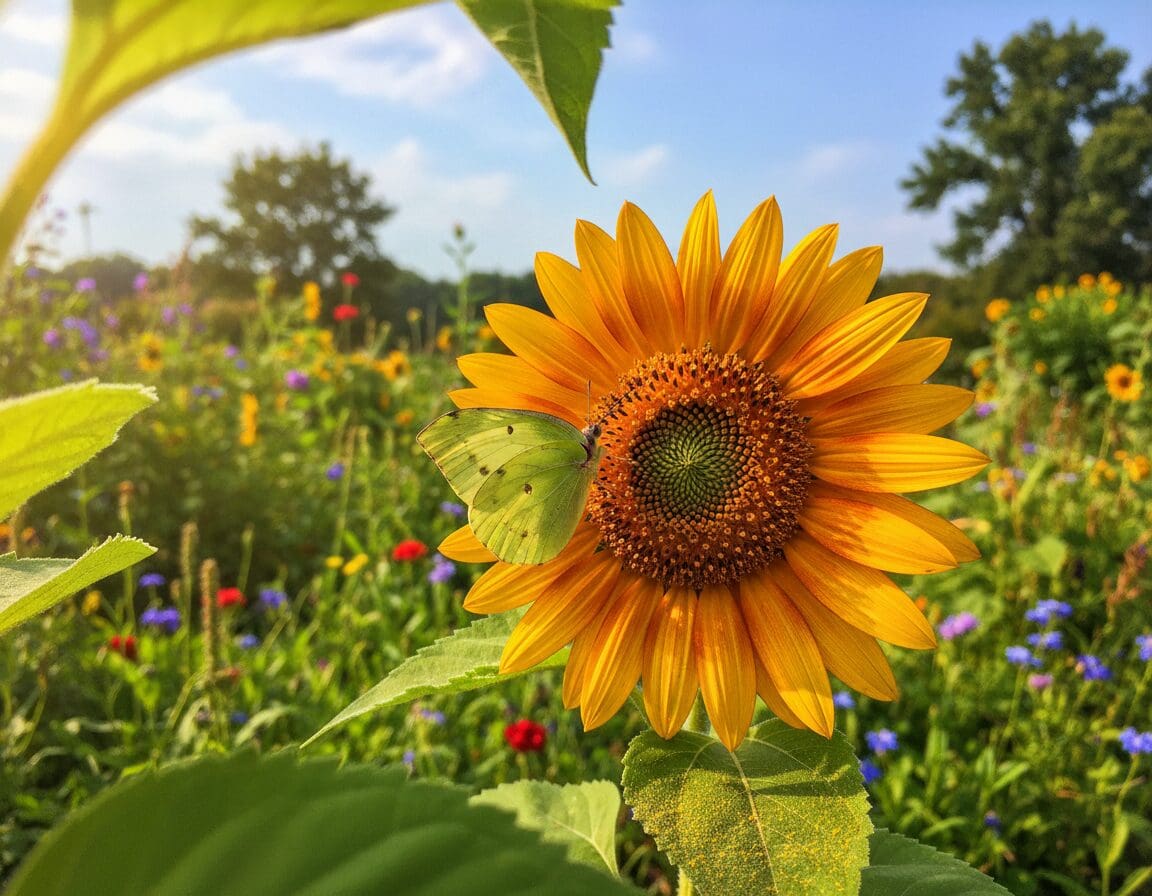
Spotting a yellow butterfly can feel like a small, sunlit visit that lifts the spirits. In asking what does yellow butterfly mean, we find a blend of cultural stories, emotional responses and natural history that together shape its meaning.
This article will explore yellow butterfly meaning from several angles. We will look at butterfly symbolism UK and beyond, examine scientific notes on species and seasonal behaviour, and offer practical ways to bring the symbol into daily life.
Readers are likely to include people seeking comfort during change, gardeners and nature-lovers, and anyone curious about the meaning of yellow butterfly in personal experience. The tone aims to be gentle and inspirational while grounding ideas in credible sources.
To ensure accuracy, the piece draws on cultural studies, entomological references such as Butterfly Conservation and the UK Centre for Ecology & Hydrology, and research on mindfulness and grief. For a related note on how colour affects mood, see this piece on seasonal palettes and bold tones from a fashion perspective at bold colour trends.
what does yellow butterfly mean
Across cultures a yellow butterfly can feel like a small, bright messenger. People read layers of meaning into its colour and flight. These readings come from history, art and everyday encounters in gardens and parks.
Symbolism in different cultures
In Western Europe and the United Kingdom, butterflies in art and Victorian symbolism often stand for the soul and renewal. A yellow butterfly here tends to signal joy, new beginnings and reassurance. Christian iconography links butterflies with resurrection, so the yellow tone suggests warmth in rebirth.
East Asian traditions attach different threads of meaning. In Chinese and Japanese motifs, butterflies can represent love and marital bliss. When the hue is yellow, the image gains notions of vitality and good fortune. Colour carries strong auspicious signals in these cultural meanings of yellow butterfly.
Indigenous and folk beliefs across the globe add other angles. Many communities see a yellow butterfly sighting as a visit from an ancestor or a sign that good news is near. Local narratives shape how symbolic meanings of butterflies are told and shared.
Common emotional interpretations: joy, optimism and hope
Psychology links yellow with warmth, optimism and mental energy. Pair that with the butterfly’s story of metamorphosis and you get a clear emotional reading. People frequently interpret a yellow butterfly as upliftment and encouragement during change.
Spotting a yellow butterfly in a difficult moment can feel like a small, tangible sign that things may improve. Gardeners often take routine visits as proof that their space supports life. These intuitive responses form part of broader butterfly colour meanings.
It helps to separate symbolic interpretation from scientific observation. Emotional meaning is personal, yet it can be powerful for wellbeing. Many find comfort in the idea of yellow butterflies and hope.
Spiritual and metaphysical meanings
In contemporary spiritual practice yellow butterflies sometimes appear as spirit guides or synchronicities. Energy workers link yellow to the solar plexus chakra, suggesting boosts to personal power and clarity.
People use yellow butterfly imagery in prayer cards, memorials and visualisations to evoke transformation and lightness. Ritual uses vary widely. Readers should treat such meanings as reflective tools rather than literal facts.
- Yellow butterfly symbolism can be a prompt for self-reflection.
- Cultural meanings of yellow butterfly remind us that context shapes belief.
- Symbolic meanings of butterflies remain diverse and personal.
Scientific and natural context for yellow butterflies
Yellow butterflies are not just a poetic sight. They have a clear place in nature that combines biology, behaviour and the seasons. This short guide looks at the species you may meet in the UK, why yellow colouring arises and when these insects are most visible during the butterfly season UK.
Species commonly seen in the United Kingdom
Brimstone (Gonepteryx rhamni) stands out as a true emblem of yellow in British landscapes. Males show vivid yellow wings and often appear early in spring. Caterpillars feed on buckthorn and alder buckthorn, so woodland edges and hedgerows are prime places to look. At rest the brimstone mimics a leaf, making it hard to spot.
Clouded Yellow (Colias croceus) is a migrant that visits in warmer months. It leans more orange-yellow and flies fast. Its arrivals depend on weather and migration patterns from continental Europe, so sightings can be patchy across regions.
Members of the Pieridae family, including small white and related forms, sometimes show yellow tints in certain lights or subspecies. Field guides such as the Collins Complete Guide to British Butterflies and resources from Butterfly Conservation help with identification and distribution details.
Why yellow colouring evolves: camouflage, warning and attraction
Colour serves several roles. Camouflage and mimicry help butterflies avoid predators. The brimstone’s wing shape and venation make it resemble a leaf, a classic case of crypsis. This explains why many butterfly species yellow in tone blend so well with foliage.
Some insects use bright shades as a warning, called aposematism, to signal unpalatability. Many yellow butterflies rely more on quick flight than toxins, yet vivid tones can still deter some predators.
Sexual selection also shapes colour. Yellow markings aid mate recognition and signalling. Males and females may use contrast to find each other, so pigment patterns matter for reproduction.
Pigments such as pterins and carotenoids influence yellow hues and affect thermoregulation. Wing colour changes heat absorption and can alter activity, guiding when butterflies feed and where they perch.
Seasonal appearances and behaviour
Phenology varies across species. Brimstones appear early and persist into summer. Clouded yellows peak in summer and autumn during migratory influxes. Southern England tends to see more migrants, while northern areas have fewer visits.
Feeding preferences include thistles, knapweeds and buddleia. Males can be territorial and patrol suitable breeding sites. Overwintering differs by species; brimstones frequently hibernate as adults and re-emerge in spring.
Conservation remains important. Habitat loss, pesticide use and climate change pose threats to yellow butterflies UK populations. Gardens and wildflower meadows help support local numbers and provide nectar and larval foodplants. Butterfly Conservation offers practical guidance for anyone wanting to help preserve these common yellow butterflies Britain values so highly.
Personal and emotional significance when you spot a yellow butterfly
Spotting a yellow butterfly can feel like a quiet nudge in a busy life. The sight may arrive during a small pause or at a major turning point. People often notice more during change, so the moment can be rich with personal meaning.
When a yellow butterfly appears amid grief, some find comfort in the idea of presence and continuity. A yellow butterfly sighting grief can become a single vivid memory in a bereavement story. It is helpful to treat such moments gently and without pressure to explain them fully.
The brain seeks patterns and stories to cope. Psychological processes like apophenia and selective attention shape how we interpret a chance encounter. These mechanisms do not make a sighting less valuable. They often offer therapeutic meaning during healing.
Interpreting sightings during life changes or grief
Allow your own associations to guide you. If a butterfly appears at a funeral or on an anniversary, consider pairing the sighting with a small ritual. Lighting a candle or planting a tiny memorial corner can anchor the experience.
Sharing the sighting with a friend or family member can help process its emotional meaning. Recording the context—time, place and feelings—creates a compassionate archive of the moment.
Mindfulness practices to deepen the experience
Use simple grounding techniques to widen your awareness. Breathe slowly for five counts in and five counts out. Notice the butterfly’s colour, wing rhythm and the air around you. These details bring you back to the present.
Try a brief guided visualisation. Imagine inhaling sunlight-coloured energy and feel it warm the chest. Picture the butterfly carrying a worry away as it lifts into the sky. Repeat if it helps calm the body.
Nature-based rituals extend care beyond one moment. Plant nectar-rich flowers or keep a small butterfly-friendly patch. A seasonal altar with a sprig of rosemary or a pressed leaf honours change and gratitude.
Journalling prompts and reflective questions
Use focused prompts to turn the sighting into meaning-making. Spend ten minutes free-writing on one of these questions:
- What was I feeling just before I saw the butterfly?
- What does yellow represent to me personally?
- What change in my life might this sighting symbolise?
- If the butterfly carried a message, what would it say?
Try different formats: a letter to yourself, a note to a lost loved one or a dated log of sightings. Tracking repeats can reveal patterns and deepen insight into the emotional meaning yellow butterfly sightings hold for you.
Combine words with images or mementos. Photograph the place, sketch the moment or ethically press a found plant to pair with your entry. These tangible items help memory and support ongoing reflection with reflective prompts butterfly and butterfly mindfulness at the centre.
Whether you seek comfort, clarity or inspiration, approaching a sighting with gentleness can turn a fleeting event into a steady practice of attention and care.
How to incorporate the yellow butterfly meaning into everyday life
Use small, tangible reminders to bring butterflies into life. Add yellow butterfly motifs to cushions, prints, jewellery or stationery from independent craftmakers on Etsy UK or local galleries. These yellow butterfly reminders can sit by your front door or on a bedside table so the symbol of optimism and renewal becomes part of your daily routine.
Make your garden a working tribute by planting native nectaring species such as buddleia, lavender and marjoram, and by adding larval host plants for brimstone butterflies like alder and buckthorn. Avoid pesticides, provide sunny, sheltered spots and leave small patches of untidy ground. These simple steps show how to use yellow butterfly meaning in a practical way that benefits wildlife.
Create gentle seasonal rituals to mark change. Light a yellow candle in spring, take a reflective walk when brimstones emerge, or note the first migrant clouded yellow sighting in a simple log. Combine these acts with butterfly symbolism practices such as art journalling, embroidery, photography or short poems to externalise renewal and keep intention-setting alive.
Turn personal meaning into community action by supporting Butterfly Conservation, local wildlife trusts or the RSPB’s garden guidance through volunteering or donations. Pair affirmations like “I welcome light and renewal” with morning routines or transition moments. Balance symbol and science: the yellow butterfly symbolism daily life is richest when paired with conservation work that protects the species that inspire it.