You’ll find Porto on the Douro estuary in northern Portugal, a compact city that feels much larger than it is. As Portugal’s second city, Porto combines a striking riverfront with a walkable historic centre, making it one of the most inviting hidden European cities for a short break or longer stay.
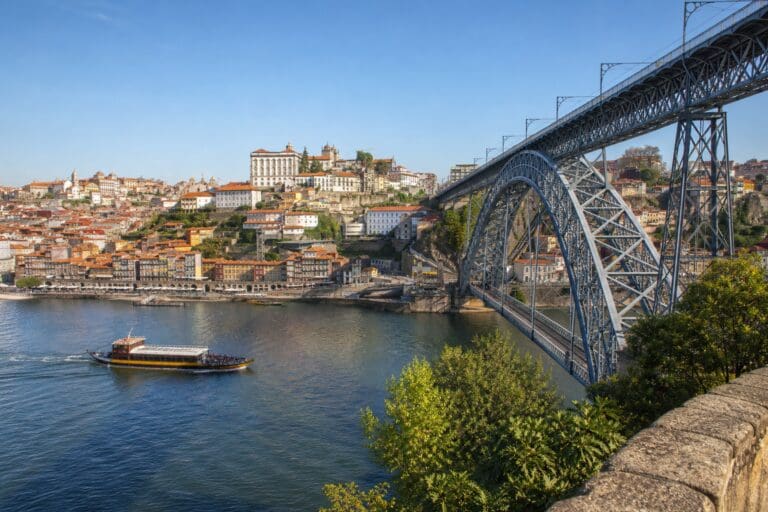
Porto attractions are concentrated and easy to reach. Stroll the Ribeira waterfront, cross the Dom Luís I Bridge, admire the tile panels in São Bento Railway Station and climb the Clérigos Tower. Nearby, Porto Cathedral (Sé do Porto) sits above the old town, while contemporary highlights such as Casa da Música and the Serralves Museum show the city’s modern side.
Getting here is straightforward from the UK. Flights from Heathrow, Gatwick and Manchester land at Porto Francisco Sá Carneiro Airport (OPO), and the short transfer to the city makes Porto ideal for weekend breaks. Local transport is efficient too, with a modern metro, regular buses, heritage trams and plentiful taxis or ride-sharing services.
Porto tourism also offers strong value. Compared with many western European capitals, you’ll generally find lower costs for accommodation, dining and attractions without sacrificing quality. That helps you enjoy riverbank cafés, fado in intimate venues and a growing scene of boutique hotels and design-led bars.
Many UK travellers still favour Lisbon, which leaves Porto feeling less crowded and more authentic. That under-the-radar appeal is exactly why visit Porto now: you can enjoy rich cultural experiences and classic Porto travel gems before popularity grows further. Reliable sources such as Lonely Planet, Rough Guides and VisitPorto confirm the city’s attractions and transport links, supporting what you can expect when you plan your trip.
Discover Porto travel gems: what makes the city unique
You will find Porto a compact city rich in contrasts. Streets and riverfronts tell stories of trade, faith and craft. Small squares and steep alleys invite slow exploration while grand viewpoints reward short climbs.
Historic neighbourhoods and UNESCO-listed sites
Begin in the medieval riverside of Ribeira Porto, where narrow cobbled streets and colourful façades create an intimate atmosphere. The area forms the core of the UNESCO World Heritage ensemble that protects the historic centre of Porto, the Luiz I Bridge and the Monastery of Serra do Pilar.
Wander into Miragaia and Sé to see azulejos, baroque churches and family-run shops clustered around Sé do Porto. São Bento Railway Station doubles as a transport hub and art landmark thanks to its tiled panels that chart Portuguese history.
Riverside charm and the Douro landscape
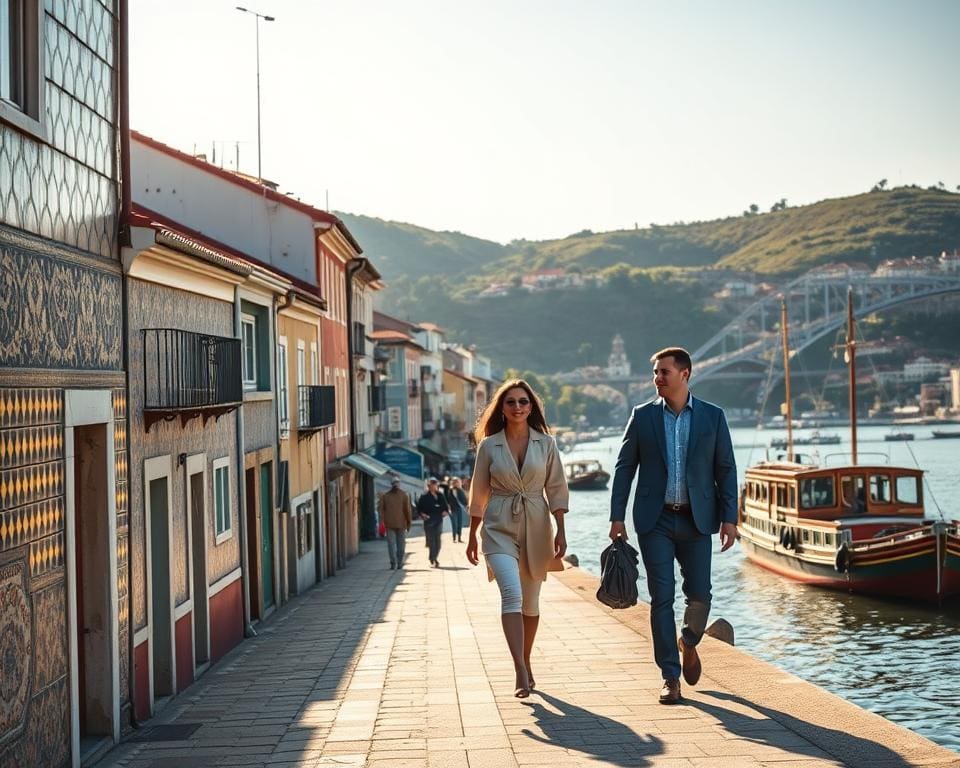
The Douro River shapes Porto’s identity. Cais da Ribeira offers cafés, terraces and views of rabelo boats that once carried barrels of wine downstream. You can sit by the river and watch life drift past at a steady, relaxed pace.
Across the river, Vila Nova de Gaia hosts the best known port wine cellars. Gaia wine lodges such as Taylor’s, Sandeman and Graham’s open their doors for tours and tastings with panoramic views of the city.
Short excursions upriver lead into the Douro Valley, a UNESCO-recognised demarcated wine region. Day trips or overnight cruises take you past terraced vineyards and riverside quintas where grapes for port and table wine thrive.
Architecture from medieval to contemporary
Porto architecture reads like a timeline. Romanesque and Gothic elements appear at the cathedral. Baroque splendour shows in the Clérigos Church by Nicolau Nasoni. The Dom Luís I Bridge demonstrates 19th-century ironwork by Téophile Seyrig.
Contemporary projects complete the picture. Casa da Música by Rem Koolhaas and the Serralves Foundation with works by Álvaro Siza Vieira add modern cultural anchors. Converted warehouses and museum interventions keep the city both preserved and progressive.
Distinctive local cuisine and port wine heritage
Your tastebuds will recognise Porto cuisine through hearty dishes. Try francesinha, bacalhau in many guises and tripas à moda do Porto at traditional tascas. Seafood restaurants line the riverside and newer kitchens experiment with farm-to-table ideas.
Port wine is everywhere. Styles range from Ruby and Tawny to Vintage and Late Bottled Vintage. The Douro Valley supplies the grapes while cellars in Gaia mature and store the wine. Visit lodges such as Cálem, Sandeman and Taylor’s for guided tastings and a clearer sense of the region’s history.
How to experience Porto like a local
To feel Porto’s pulse, start with a plan that balances busy sites and quiet corners. Choose accommodation that matches your pace, follow one compact walking loop for top views, visit lively markets and cafés, and keep practical travel tips in mind to stretch your budget.
Best areas to stay for atmosphere and access
Ribeira puts you riverside amid historic streets and nightlife, though it can be noisy at peak times. Baixa keeps you near Avenida dos Aliados and São Bento station, perfect for first-time visitors who want central convenience.
Cedofeita and Bolhão offer a local feel with galleries, boutique shops and quieter streets, ideal when you want longer stays and a residential vibe. Foz do Douro suits sun-seekers who prefer beaches and elegant cafés away from the crowds.
Vila Nova de Gaia is practical if you plan port tastings at Graham’s, Taylor’s or Sandeman, with superb views across the Douro. Pick where to stay Porto based on whether you want nightlife, calm or wine lodges nearby.
Walking routes, river cruises and viewpoints
Try an essential walking loop that moves from Clérigos Tower and Livraria Lello to São Bento Station, then to Sé do Porto and the Ribeira waterfront. Cross the Dom Luís I Bridge to Gaia for port lodges and end at Miradouro da Serra do Pilar for sunset.
Short Douro river cruises of 50–90 minutes give excellent skyline views. For a fuller experience, book a full-day or overnight winery cruise into the Douro Valley.
Key miradouros worth visiting are Jardim do Morro, Miradouro da Vitória and Serra do Pilar. These Porto viewpoints make great spots for photos and a deeper sense of the city’s scale.
Markets, cafés and where to try authentic dishes
Mercado do Bolhão is the classic spot for fresh produce and local chatter. Mercado Bom Sucesso has a modern food-hall feel with varied stalls. You will find smaller neighbourhood markets offering regional specialties throughout the city.
Café Majestic provides a Belle Époque experience, while independent specialty coffee shops serve quality espresso and pastry. Try pastel de nata and other Portuguese pastries in both historic and contemporary cafés.
Eat at tascas for authentic, affordable plates such as tripas and bacalhau. For seafood, choose riverside restaurants. Sample francesinha at a local speciality eatery and reserve time for port tasting in Gaia’s lodges.
Practical travel tips: transport, seasons and budgeting
The Metro do Porto links the airport to the city. Use tram Line 1 along the river for nostalgia, and rely on buses, taxis or ride-shares for longer hops. Porto is very walkable but has steep streets, so pack comfortable shoes.
Visit in spring (April–June) or autumn (September–October) for mild weather and fewer crowds. Summer brings heat and high visitor numbers. Winter offers lower prices but cooler, wetter conditions.
If you are travelling Porto on a budget, save on meals at local cafés and markets and use public transport. Spend selectively on a Douro cruise or a winery tour. Look into combined attraction tickets or tourist passes to reduce entrance fees.
Why Porto is a smart choice for your next European escape
If you are weighing up why visit Porto, the answer is simple: it packs history, scenery and flavour into a compact, walkable city. You can wander UNESCO-listed streets, cross the Dom Luís I Bridge and be at a riverside tavern within minutes. That makes a Porto weekend break ideal when you want a rich experience without a long itinerary.
Porto travel gems benefits extend beyond views. The city is a gateway to the Douro Valley for vineyard tours, yet it also serves lovers of culture with museums, contemporary architecture and nightly fado. You can plan a romantic riverfront evening, a gourmet trip focused on port wine tastings and Michelin-starred dining, or an active escape with coastal walks at Foz and hikes inland.
For UK travellers the practical advantages are clear. Short flights from London and other UK airports reduce travel time, and overall costs remain lower than many European capitals, making Porto one of the more affordable European city breaks. English is widely spoken in tourist areas and transport links are straightforward, so independent travel is easy to arrange.
Mindful travel is straightforward here. You can keep your footprint low by walking, using trams and trains, and supporting family-run tascas and responsible wineries. To make the most of your trip, check flight and accommodation availability early, book popular winery tours and sought-after restaurants in advance, and build an itinerary that balances landmarks with neighbourhood exploration for a truly rewarding visit.