
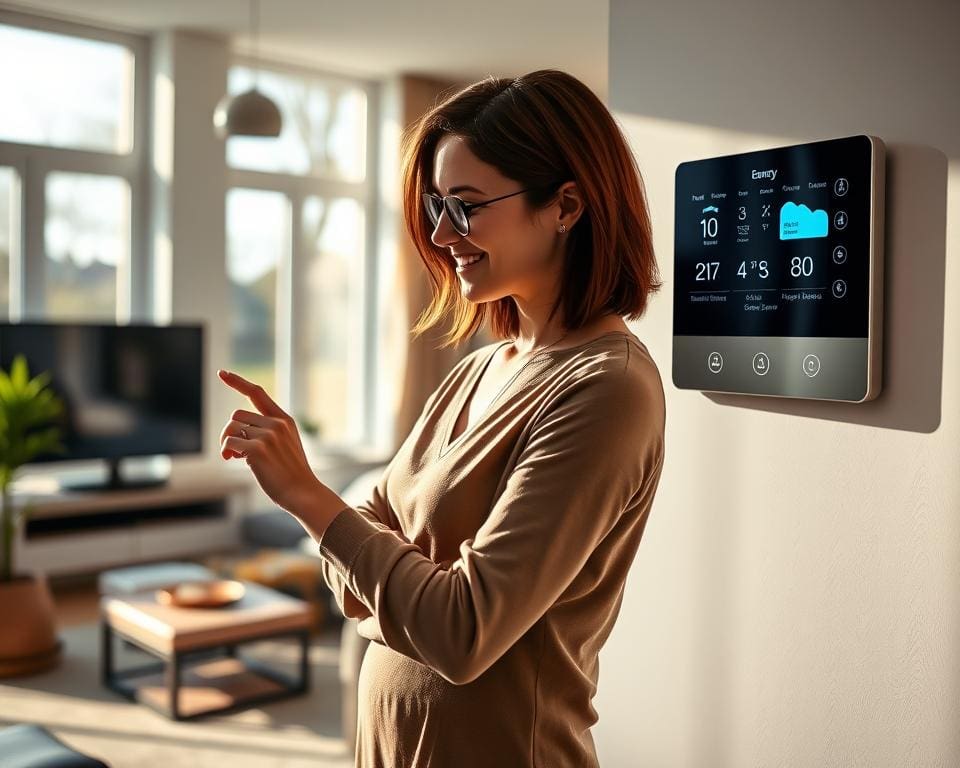
Smart heating connects your heating system to digital controls. These may include smart thermostats, internet-connected radiator valves, central heating controls and a mobile heating control app. Together, they give you a clearer view of your home energy use.
Unlike traditional controls, connected heating lets you change settings when you are away. You can respond to a late return, a change in routine or colder weather without leaving the heating on all day. This flexibility can help you heat occupied rooms more carefully.
Smart heating does not guarantee lower bills. Your results depend on your property, insulation, heating system, chosen temperatures, household habits and energy tariff. However, smart heating controls can make it easier to use energy with greater purpose.
You may be able to adjust temperatures, set timed programmes, manage individual rooms and review heating information. The system could work with a gas boiler, heat pump or another compatible system. Check compatibility before installation, as wiring, boiler controls or heating zones may require professional support.
For UK homeowners, these controls offer a practical way to manage comfort during rising energy costs and colder months. This article explains how energy-efficient heating controls can reduce unnecessary heating and help you understand how your household uses energy.
How smart heating gives you greater control over energy use
Connected heating controls give you a clearer way to manage warmth at home. A thermostat, app and compatible heating system can work together, helping you respond to daily changes with less effort. Learn more about smart home heating control before choosing equipment for your property.
Adjust your home’s temperature from anywhere
A smart thermostat app lets you control heating remotely from a smartphone, tablet or compatible web service. You can adjust home temperature before arriving, lower it when plans change, or stop the heating from running during an unexpected absence.
Remote heating control can include raising or lowering the set temperature, switching the system on or off, changing heating modes and using a short boost. Features vary between manufacturers and systems. Wi-Fi heating controls need a reliable connection, while a mobile heating app may need a suitable hub or account.
Changing a setting does not heat a room instantly. Response time depends on your boiler or heat pump, insulation, property size and radiator type. Underfloor heating can take longer to respond than standard radiators. The chosen temperature, existing controls and outdoor weather affect the result.
Create heating schedules that suit your routine
Smart heating schedules let you set different temperatures for different times of day. A programmable thermostat could provide warmth before you wake, reduce output when you are out, and restore comfort before you return. This creates a heating timetable that reflects how you use each space.
Base an energy-saving schedule on your real heating routine rather than a standard weekday pattern. Shift work, hybrid working, school runs, holidays and changing weekends can all affect your needs. A flexible system lets you alter settings without rewriting the whole programme.
Lowering the temperature in empty rooms can reduce wasted energy. Avoid settings that create damp, condensation or a freezing risk. The right minimum temperature depends on your home, insulation, weather and household needs.
Some systems offer automated heating features such as geolocation, presence detection, learning programmes, open-window alerts or weather-based changes. These tools are not available on every product. Check how each function works before relying on it.
Manage different rooms with smart heating zones
Smart heating zones divide your home into areas with separate temperatures or schedules. You could warm the sitting room during the evening and keep a spare bedroom or hallway cooler. This approach supports room-by-room heating and can improve comfort without heating every space equally.
Room control may use smart radiator valves, motorised valves, extra thermostats or compatible underfloor-heating controls. Smart radiator valves can change the flow through individual radiators, while zoned heating controls coordinate settings across several areas.
Room sensors can measure an individual room temperature away from the main thermostat. Readings may change if a sensor sits near a draught, window, radiator or sunny wall. Furniture can affect air movement too, so careful placement supports better heating efficiency.
Not every property suits extensive zoning. Boiler controls, valves, thermostats and heat emitters must be compatible and configured correctly. Professional advice may be needed for complex systems, heat pumps or underfloor heating.
The energy-saving benefits of connected heating controls
Connected heating controls can support smart heating energy savings by warming the right rooms at the right times. You can set the temperature you need, rather than heating the whole home by habit.
Schedules, room zoning and remote access help you reduce heating waste. They can stop the heating running in empty rooms or following a weekday routine during a holiday. Avoiding long periods of unnecessary heating often matters more than making frequent small manual changes.
A lower indoor temperature usually needs less energy to maintain. The exact saving depends on the outdoor weather, insulation, draughts, ventilation and the performance of your boiler or heat pump. Your comfort and health should guide every temperature setting.
An energy-efficient thermostat can include auto-away, presence detection and holiday modes. These features can adjust the heating when nobody is home. Some systems use weather forecasts to start heating at a suitable time, rather than running for longer than needed.
Many products provide reports, graphs or summaries in an app. You may see heating run times, temperature patterns and rooms that stay warmer than required. This information can help you adjust schedules and reduce energy consumption with practical changes.
For typical users, ENERGY STAR and manufacturer data indicate heating savings of about 8–15% in some homes. You can read more about reported thermostat energy savings, including the role of learning schedules and presence detection. Your result may be smaller or larger, based on previous habits and your property.
A smart heating system is not the same as a smart meter. A smart meter records gas or electricity use and sends readings to your supplier. Connected heating controls manage temperatures, schedules and heating run times. You can use both systems together, though one cannot replace the other.
A smart meter display may show energy use across your home. A heating app may show set temperatures, run times or room data. The information depends on your supplier, manufacturer and chosen product.
Good heating efficiency starts with the whole system. Draught-proofing, suitable insulation, effective curtains and clear radiators can help heat stay where you need it. Keep the boiler or heat pump maintained, and check that each control is programmed correctly.
Lowering the thermostat by a small amount may help you achieve lower heating bills. Older people, young children and people with health conditions may need warmer rooms. Choose settings with care, and seek professional advice when a health need affects indoor temperature.
Smart controls are tools for informed decisions, not guaranteed savings. Their value comes from accurate information, sensible schedules and steady changes to your heating habits.
How to use smart heating to understand and manage household energy
Start by checking your heating system before you install a smart control. Identify the boiler or heat pump, thermostat, radiator valves, hot-water controls and any existing zones. Confirm that the chosen product is compatible. Then record your normal heating pattern for several days. Note when heating starts, which rooms you use and whether your home stays warm while empty.
Use the app to monitor heating use and review smart heating data each week. Heating app insights can reveal long periods of activity during working hours, repeated manual boosts or unused rooms that remain warm. Create simple weekday and weekend schedules based on occupancy. Use holiday or frost-protection mode when you are away, rather than leaving the heating on.
Set room temperatures according to how each space is used, while considering damp, condensation and freezing risks. Compare app reports with your smart meter or supplier information for clearer energy monitoring. Change one setting at a time, then review comfort and costs over several weeks. For more practical ways to reduce home energy waste, also check insulation, ventilation and heating maintenance.
Keep sensors away from sunlight and other heat sources, and do not cover radiators. Replace batteries, install software updates and protect accounts with strong passwords and multi-factor authentication. Ask a qualified heating engineer about wiring, boiler compatibility or zoning faults. Smart controls help you manage household energy, but effective household energy management depends on reviewing settings as your routine changes.