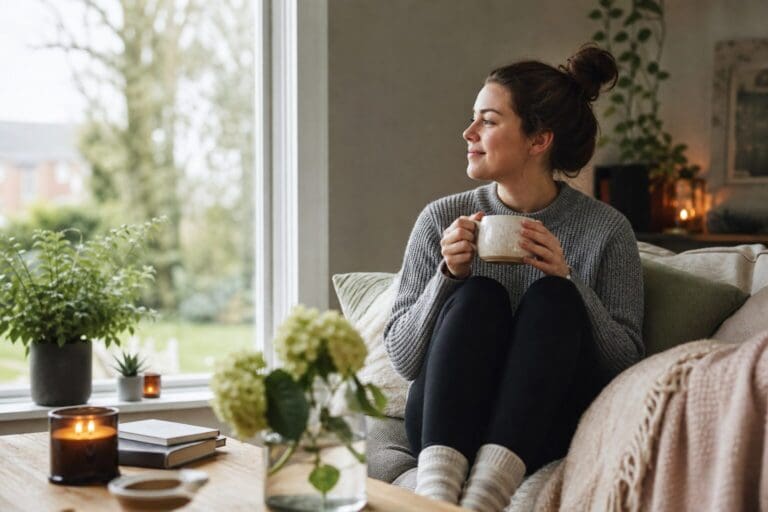
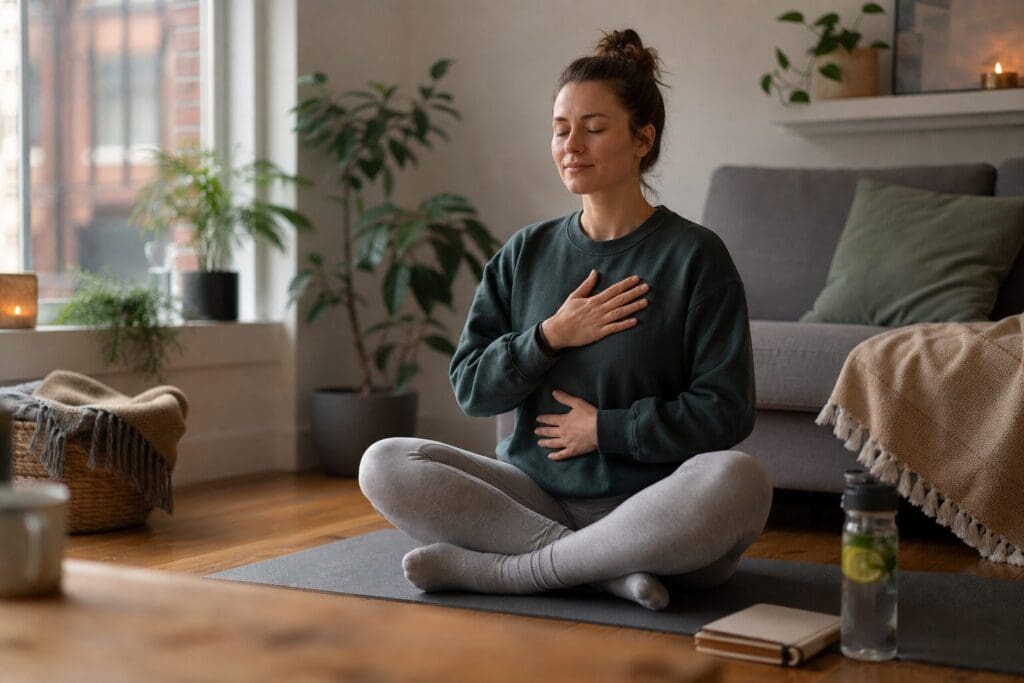
Modern life rarely leaves a clear hour for wellbeing, yet health is shaped by the tiny choices we repeat. Small wellness rituals that fit into a busy lifestyle can make ordinary days feel steadier, calmer and more enjoyable. The aim is not to overhaul your schedule, buy specialist kit or chase perfection. It is to weave brief moments of care into places that already exist: the kettle boiling, the walk to the station, a lunch break or the last few minutes before sleep.
Why tiny rituals work when time is tight
A ritual is a repeated action with a little intention behind it. That intention matters. Brushing your teeth is a habit; taking three slow breaths while the bathroom mirror clears can become a ritual. It gives your mind a signal: pause, reset, continue. Small practices also avoid the all-or-nothing trap. If a session needs perfect conditions, it is easy to postpone. If it takes two minutes, it can survive a delayed train, a packed inbox or a messy kitchen.
For busy people, the best wellness routines are portable, low-cost and forgiving. They support sleep, movement, hydration, mood and connection without demanding a new identity. Over time, their value comes from regularity rather than drama.
Small wellness rituals that fit into a busy lifestyle at home
Home is often where pressure collects, so it helps to place rituals beside tasks you already do. When they are linked to real routines, they need less willpower.
The two-minute morning anchor
Before checking messages, stand near a window or open the back door. Notice the temperature, stretch your shoulders and take five unhurried breaths. If mornings are chaotic, do it while the kettle boils. This simple anchor marks the start of the day before other people’s needs rush in.
A calmer evening threshold
Many households move from work to chores with no boundary. Create one. Change into comfortable clothes, wash your hands slowly, or put your phone on charge outside the bedroom. The action says, “the working day is closed”, even if there are still plates to wash and emails to ignore until tomorrow.
Try pairing rituals with existing cues:
- After brushing your teeth, roll your neck gently for thirty seconds.
- While waiting for toast, drink a glass of water without scrolling.
- Before bed, write one sentence about something that went well.
Rituals for workdays, commutes and squeezed lunch breaks
Wellness at work does not need to look like a yoga mat under the desk. Often, it means protecting attention and loosening the body before tension becomes normal.
Micro-movement without changing clothes
Set a gentle trigger, such as every time you finish a call. Stand, lift your heels, circle your wrists and look away from the screen towards a distant point. None of this is a workout, yet it reminds your body that it is not a chair accessory.
Mindful commuting in real life
Commuting can be noisy, late and crowded. Rather than forcing serenity, choose one small focus. Feel your feet on the platform, listen to one song without multitasking, or notice three colours on your route. These practices keep you present without pretending the journey is perfect.
For a pressured lunch break, keep it practical:
- Step outside for five minutes, even if you only walk round the block.
- Eat the first few mouthfuls without a screen, noticing flavour and texture.
- Send one kind message to someone, with no need for a long chat.
Food, drink and rest rituals that feel realistic
Busy lifestyles can make eating and resting feel rushed or random. A ritual adds rhythm without strict rules. It is not about moralising food or measuring every sip; it is about noticing what helps you feel human during the day.
Hydration with a cue
Keep a glass or bottle where you naturally pause: beside the kettle, on your desk or near your keys. Drink when you arrive, not only when you are thirsty. Adding lemon, mint or ice can make it feel more pleasant, but plain tap water is enough.
The five-minute reset meal
Once a day, choose a meal or snack to eat sitting down. Take a breath before the first bite. Put cutlery down halfway through. This tiny pause can reduce the sense of eating on autopilot, especially when the rest of the day is rushed.
Rest also deserves a cue. Dim one light in the evening, lower the volume of your phone, or read two pages before sleep. Small signals help the nervous system move away from alertness.
How to make small rituals stick
The easiest ritual is the one that belongs to a life you actually live. Start smaller than seems impressive. Repeat it at the same point in the day, and let it be imperfect.
- Choose one ritual for a week, not ten for a Monday.
- Attach it to a cue you already trust, such as locking the door.
- Make it visible: a book on the pillow, trainers by the door, a mug on the desk.
- Missed it? Restart at the next cue without turning it into a verdict.
Rituals should reduce pressure, not become another performance. If a practice makes you tense, simplify it. One breath is still a pause. One stretch still counts. A short, kind action repeated often can shape the tone of a busy week.
Frequently Asked Questions
What are small wellness rituals?
They are brief, repeatable actions that support wellbeing without needing special equipment or spare hours.
How long should a ritual take?
Many useful rituals take one to five minutes, especially when linked to existing routines.
Can rituals help with stress?
Yes, they can create pauses, encourage breathing, and make demanding days feel more manageable.
What if I forget my ritual?
Forgetting is normal; simply return at the next cue rather than judging yourself.
Are wellness rituals expensive?
No, the most useful ones are often free, using breath, movement, daylight, water, rest or a moment of attention during ordinary days.