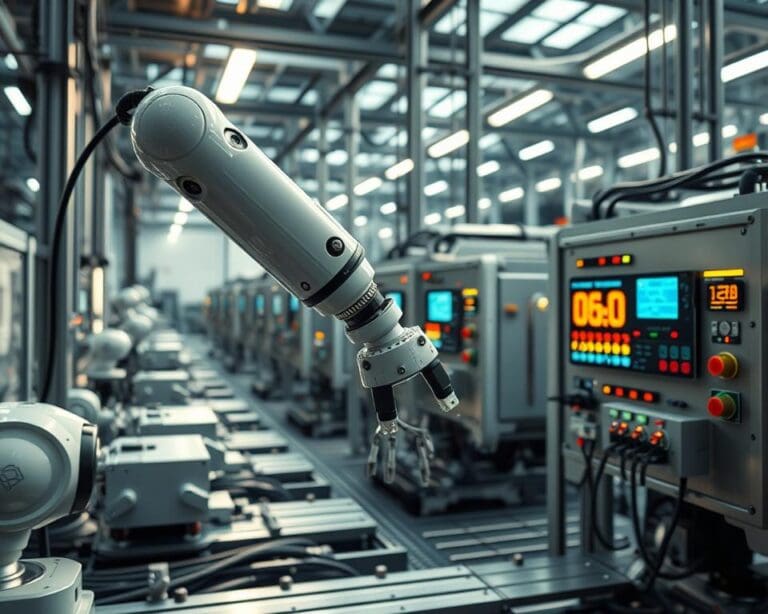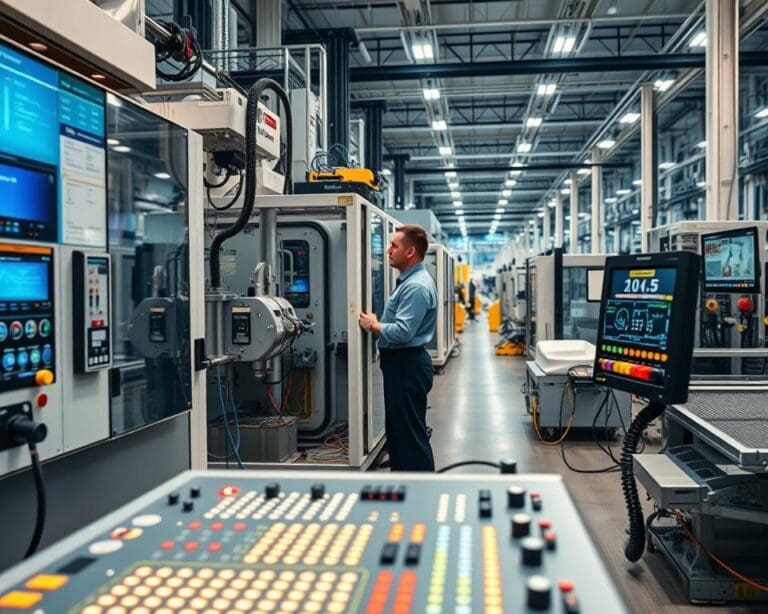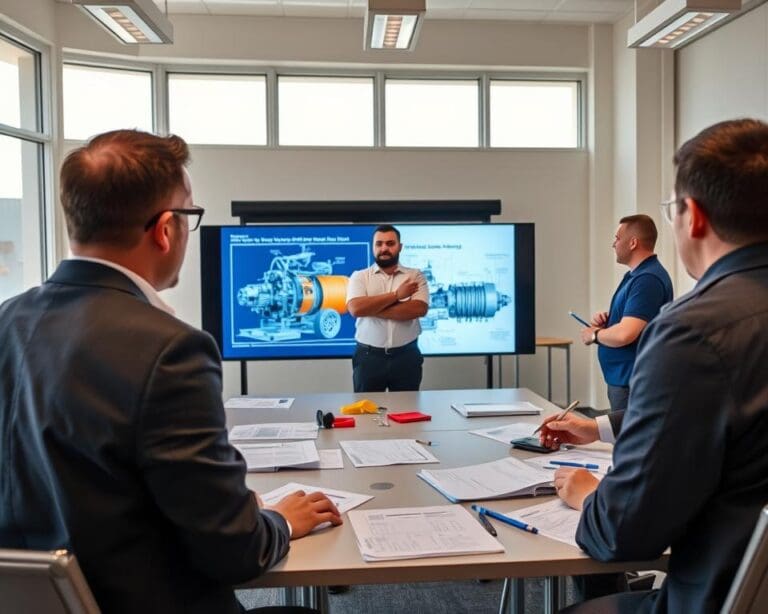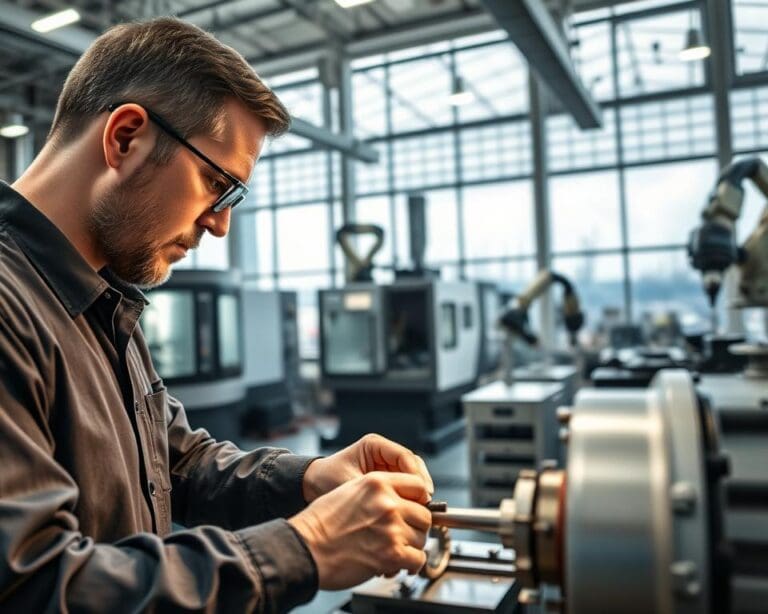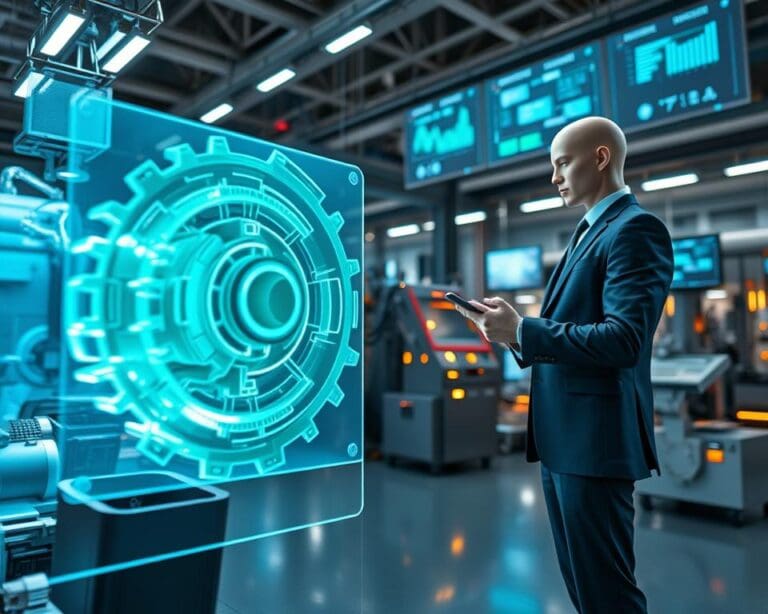
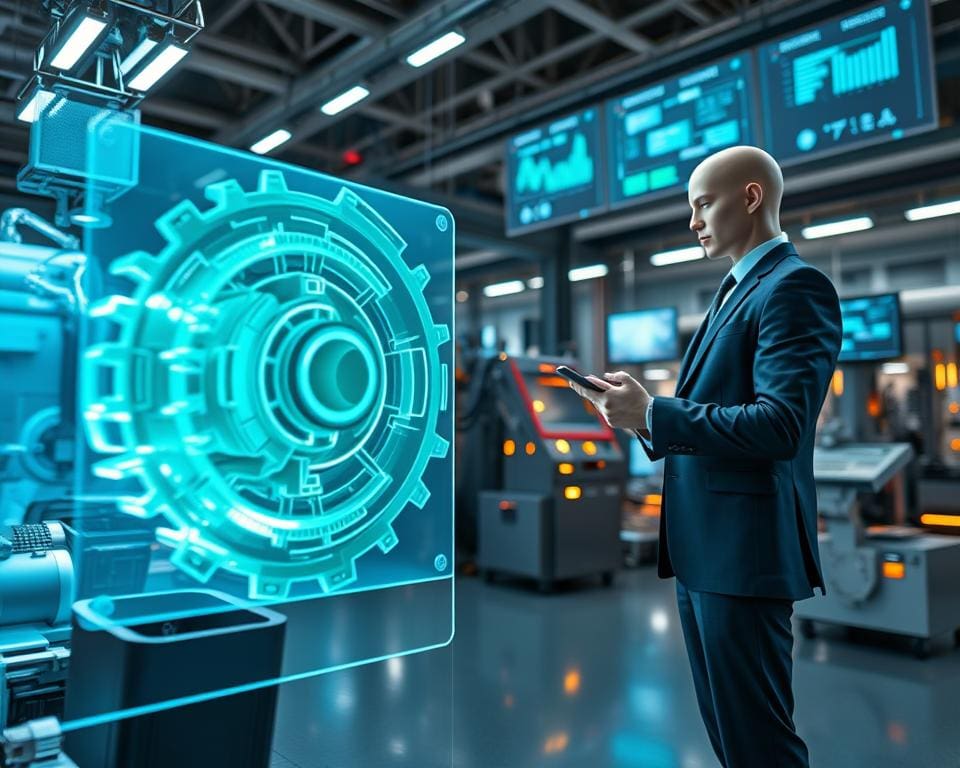
Digital twins are reshaping machine design across the United Kingdom, from advanced manufacturing plants to rail and energy sectors. At their core, a digital twin is a high-fidelity virtual representation of a physical machine or system that mirrors behaviour through simulation, models and live sensor data. This fusion of virtual prototyping and real-time insight lets engineers test ideas quickly and safely before committing to costly hardware.
Leading platforms from Siemens Digital Industries, PTC ThingWorx, Dassault Systèmes 3DEXPERIENCE and ANSYS combine simulation, PLM and IoT integration to make digital twin technology accessible to UK OEMs and tier suppliers. These tools speed design iteration, reduce development risk and help teams meet sustainability goals by modelling energy use early in the design process.
Public bodies such as Innovate UK and the High Value Manufacturing Catapult are backing pilot projects that demonstrate tangible benefits. As a result, UK manufacturing innovation is moving from experimental trials to practical deployment, with measurable reductions in time-to-market and design cost.
Readers can expect to learn how digital twins accelerate iterative development and validation, deliver cost and time advantages, improve engineering collaboration and influence manufacturing workflows, and what technical and organisational challenges must be solved to unlock full value.
How are digital twins improving machine design?
Digital twins bring machines to life in software so engineers can learn before they build. This short guide lays out what a twin contains, how it speeds iteration, where it cuts costs and how in-service data drives better designs.
Defining digital twins in the context of machine design
A clear digital twin definition separates simple CAD models from full, connected twins. A genuine twin blends geometric CAD, multiphysics simulation, control logic and live sensor feeds. It links analytics and the physical asset through a continuous digital thread.
Model-based systems engineering frames this integration. MBSE brings requirements, system models and verification together so Siemens or Dassault Systèmes toolchains can embed twins into product lifecycle management. Fidelity ranges from single-component virtual prototyping to system-of-systems twins for turbines or robotic cells.
Accelerating design iteration and validation
Virtual prototyping lets teams test many variants without building each one. High-fidelity simulation-driven design using tools such as ANSYS or COMSOL predicts stress, vibration and thermal behaviour fast.
Co-simulation and a robust digital thread connect mechanical, electrical and software models. That enables concurrent engineering and earlier detection of integration faults. The result is quicker iteration cycles and stronger design validation before hardware exists.
Reducing time-to-market and development costs
Simulated testing and virtual commissioning lower the need for costly test rigs. Engineers can validate PLCs and control strategies in a digital environment, shortening factory acceptance schedules.
Industry case studies report fewer prototypes, lower field failure rates and shorter development timelines. For UK SMEs and OEMs facing tight R&D budgets, these savings make digital twins a practical route to faster product launches and better returns.
Enabling data-driven design improvements
Closed-loop workflows feed operational data back into models so assumptions get tested against reality. Predictive analytics and machine-learning spot fatigue, energy waste and control instabilities that elude manual inspection.
Over successive generations, this evidence-based approach yields incremental gains in reliability and user experience. Continuous refinement of the digital twin supports targeted redesigns and measurable improvements in performance.
Benefits for engineering teams and manufacturing workflows
Digital twins reshape how engineering teams and factory floors work together. A shared digital environment creates a single source of truth that links design, production and service. This unity speeds decisions, reduces rework and makes complex projects more predictable for UK manufacturers.
Improving cross-disciplinary collaboration
Shared digital twin environments and a unified digital thread break down silos between mechanical, electrical, software and systems engineers. Platforms such as PTC, Siemens Teamcenter and Dassault Systèmes deliver a single source for design data and support PLM integration across teams.
Role-based access and clear visualisation let stakeholders view the same model at the right fidelity. Design, operations and supply chain teams can spot design-for-manufacture or design-for-service conflicts early. This reduces handover friction and cuts the number of iteration cycles.
Faster stakeholder buy-in and more informed meetings accelerate decision-making on tight schedules. Collaboration tools that tie into PLM integration make multidisciplinary reviews routine rather than exceptional.
Supporting predictive maintenance and lifecycle planning
Digital twins extend past design into day-to-day operations by combining sensor data with physical models. That data fuels predictive maintenance algorithms that often spot faults before they cause downtime.
Accurate remaining useful life estimates support smarter lifecycle management. Manufacturers can optimise maintenance schedules, plan spares and lower total cost of ownership. Companies such as Rolls-Royce and Siemens Energy use asset-centric twins to back service agreements.
Those capabilities enable service-based business models and outcome-based contracts. Predictive maintenance lets suppliers guarantee higher uptime while preserving margins.
Optimising manufacturability and assembly processes
Digital twins inform factory layout, tooling and robotic programming well before the first physical build. Virtual commissioning tests assembly flows and human–robot interaction in a safe, simulated space.
Tolerance analysis, process simulation and quality prediction reduce rework, scrap and assembly time on the shop floor. Suppliers can access component-level models to validate manufacturability and lead times, smoothing ramp-up.
When collaboration tools connect suppliers and OEMs through a clear digital thread, supply-chain coordination improves. That clarity helps UK manufacturers cut bottlenecks and bring products to market faster.
Technology, implementation challenges and future outlook
Digital twins rest on a stack of enabling technologies: IoT sensors and edge devices for data capture, cloud and edge computing for storage and real-time processing, physics-based simulation and multiphysics solvers for virtual testing, AI and machine learning for analytics, and PLM and MBSE for configuration and lifecycle management. Vendors such as Siemens, PTC, Dassault Systèmes, ANSYS, Microsoft Azure IoT and AWS IoT play central roles in UK industry by providing platforms that must interoperate to deliver value. Effective IoT integration and strong system links are the foundation of reliable models.
Accurate twins depend on clean, time-synchronised sensor data and robust integration between legacy PLCs and enterprise IT. Disparate data formats, inconsistent metadata and poor pipelines reduce simulation fidelity and erode trust. Organisations should invest in data governance, model validation protocols and clear ownership to maintain fidelity and enable reproducible results.
Scalability and computational cost shape practical choices. High-fidelity simulations are costly and slow, so firms often balance fidelity against run-time using surrogate models or reduced-order modelling for real-time needs. The workforce dimension is equally important: systems engineering, data science and domain expertise must converge. UK manufacturers can address skills gaps through training, university partnerships and Catapult centres.
Cybersecurity and intellectual-property safeguards are essential when sharing operational data or design models with suppliers and service partners. Robust access controls, secure data sharing and contractual frameworks reduce risk and support broader digital twin adoption. A phased approach—piloting a twin on a critical asset, measuring KPIs such as time-to-market and maintenance costs, then scaling—helps de-risk investment.
Looking ahead, expect tighter convergence of digital twins with AI and augmented reality, and deeper supply-chain integration as compute costs fall. Real-time system-of-systems twins will become more attainable, enabling greater product customisation, lifecycle-aware sustainability and new service-led revenue models for British manufacturing. When implemented with sound governance and security, digital twins empower engineering teams to design bolder, deliver faster and create machines that are optimised across performance, cost and environmental impact.