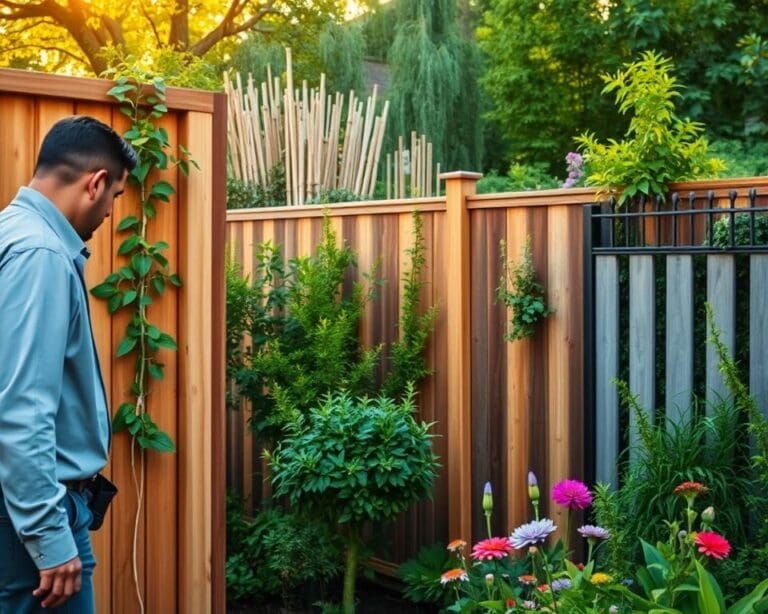
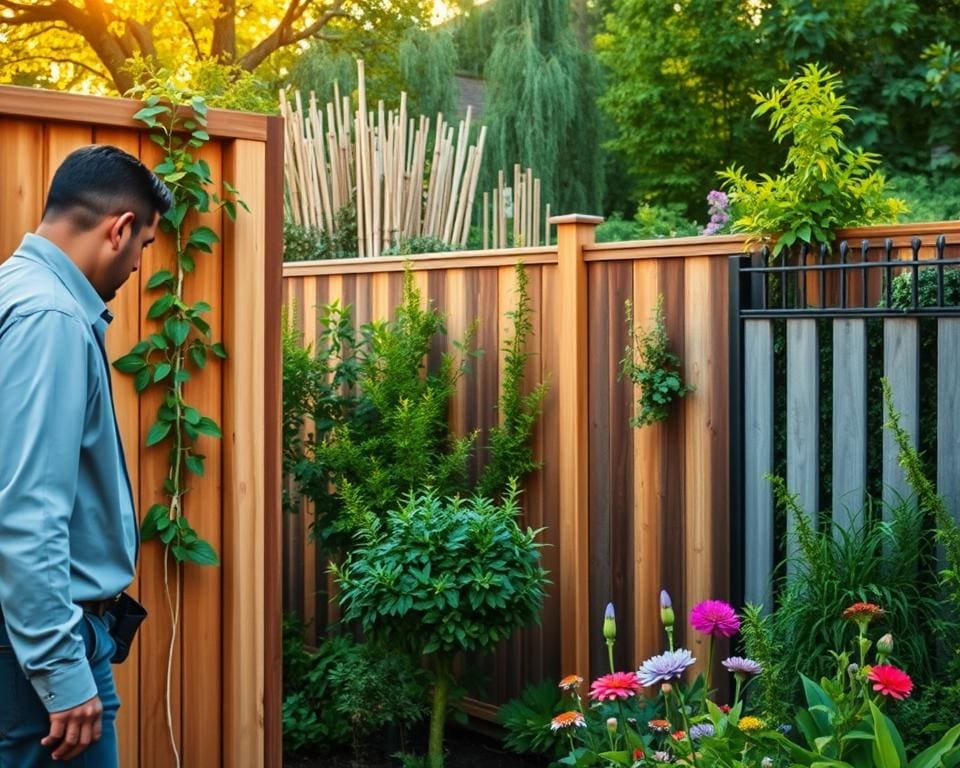
Professional fencing contractors transform ordinary yards into private retreats by combining design skill, correct installation and compliance with UK regulations. A fencing contractor UK offers garden privacy solutions that balance aesthetics with function, choosing suitable materials and finishes for variable British weather and different plot sizes.
Clients typically seek visual privacy from neighbours and passers-by, acoustic reduction, clearer boundary definition, wind shielding and a better microclimate for plants and outdoor living. Understanding these goals helps a contractor deliver privacy fencing benefits tailored to each site, whether a small London terrace, a suburban family garden or a larger rural plot.
This piece adopts a product-review style, assessing contractor-led garden seclusion using timber panels, composite boards, aluminium systems, acoustic panels and living screens. It will weigh the practical pros and cons of each option in British conditions and explain why professional installation matters for durability and regulation compliance, including planning constraints and neighbour-rights such as the Party Wall etc. Act 1996.
Read on for clear, actionable guidance: the next sections cover site assessment and tailored design, recommended materials and styles, and how to choose and work with a contractor to achieve lasting garden seclusion.
How can a fencing contractor enhance garden privacy?
A fencing contractor turns an idea of seclusion into a well‑planned scheme that suits the site and the homeowner. A clear brief starts with an on‑site visit and honest conversation about goals, budget and timescale. Careful planning reduces the risk of neighbour disputes and ensures a practical, long‑lasting result.
Assessment of site and privacy needs
The process begins with a thorough site survey fencing visit. Contractors carry out a boundary assessment, check sightlines from neighbouring properties and public areas and note topography and drainage. They measure heights and distances, look for hidden services such as gas, electric and water, and test soil type for foundation suitability.
Legal checks form part of the assessment. Contractors advise on UK planning constraints, explain permitted development limits and flag conservation‑area rules or covenants. Party Wall implications are outlined where relevant so the client knows when formal notices are needed.
Client consultation refines the brief. The contractor asks whether the priority is visual screening, noise reduction, child or pet safety and discusses aesthetic preferences. Trade‑offs between maximum privacy and light or airflow are explained, with neighbour‑sensitive options suggested to avoid conflict.
Tailored design solutions for seclusion
Designs respond to the survey and the client brief. For full screening a contractor may recommend solid close‑board timber, feather‑edge panels or composite panels. For partial screening slatted panels or angled louvres give privacy while allowing light and breeze.
Integrated screening solutions add depth and softness. Decked trellis privacy, living green walls, vertical planters and espaliered planting can be combined with hard landscaping such as dwarf brick walls topped with timber or metal panels. This layered approach balances durability and appearance.
Acoustic and visual strategies are part of privacy fence design. Double‑skin screens, acoustic panels or staggered planting belts help reduce noise. Consultants balance airflow and daylight with privacy, recommending gaps or slats where ventilation or light is essential.
Professional installation for effectiveness and longevity
Correct foundations and post setting are essential. Contractors dig appropriate holes, use concrete or resin anchoring depending on the soil and set posts to depths that resist frost heave and wind. They specify treated or rot‑resistant materials such as tanalised timber or galvanised steel posts for longevity in the UK climate.
Material selection and weatherproofing extend service life. Contractors choose finishes like stains, oils, pressure‑treated timber, powder‑coated aluminium or UV‑stable composite. They use stainless or galvanised fixings and install trims to prevent water ingress and fungal decay.
Respectful, compliant installation protects relationships and property. Contractors confirm boundary lines, obtain any necessary consents and follow British Standards or manufacturer guidance. Warranties and aftercare guidance help homeowners maintain screening solutions for years to come.
Materials, styles and products recommended by fencing contractors for privacy
Fencing contractors choose materials and products that balance appearance, durability and the level of seclusion a garden needs. The right choice can transform a boundary into a private, calming room. Below are common options and the design moves that make them effective.
Comparison of popular fencing materials
Timber panels remain a top pick for a warm, traditional feel. Contractors favour tanalised softwoods such as pressure-treated pine for value, and hardwoods like oak or Accoya for longevity. Expect periodic staining or oiling every two to five years to guard against rot and UV fade.
Composite fencing UK products from brands such as Trex and Trespa offer low maintenance and consistent colour. These wood‑plastic boards resist rot and keep a tidy look without frequent treatment. PVC options deliver similar low care, but choose UV‑stable formulations to reduce fading.
Metal choices include steel and powder‑coated aluminium. Aluminium privacy screens are prized for slim profiles and resistance to coastal corrosion. Metal panels span larger gaps with fewer posts and demand little upkeep, though they insulate less than timber.
Acoustic fencing and specialist panels are specified where noise reduction is vital. Insulated sandwich systems cut sound levels and work best with absorptive planting. These solutions are heavier and need stronger foundations and careful installation.
Design styles that maximise privacy
Solid close‑board, tongue‑and‑groove or shiplap panels give maximum visual screening. These styles block sightlines and create secure boundaries that feel private and sheltered.
Slatted and louvred designs offer screened views while allowing light and airflow. Horizontal slats with narrow gaps let in daylight but keep prying eyes out. Designers often use this approach to balance brightness and seclusion.
Contemporary screens in corten steel, laser‑cut panels or aluminium louvres create sculptural focal points that double as high privacy screens. Contractors assess wind loading and height limits before specifying these striking options.
Blending materials lifts both form and function. A rendered dwarf wall topped with timber or aluminium panels gives a sturdy base and a polished finish. Integrated planting pockets or built‑in troughs soften hard lines and add seasonal interest.
Accessories and enhancements to increase effectiveness
Toppers such as trellis, lattice or glass extensions raise existing panels within permitted development rules. They provide extra height and support for climbers while respecting planning limits.
Living fences and climbing plants bring evergreen coverage and sound absorption. Contractors recommend UK‑suited species like evergreen honeysuckle, pyracantha, Sarcococca and native hedging such as yew or holly for year‑round screening. Modular green wall systems deliver instant greenery and an attractive, natural barrier.
Practical fence accessories include matching gates with multipoint latches, anti‑lift fittings and compliant hardware to improve security and operation. Contractors often advise on lighting and CCTV integration so privacy and safety work together.
Choosing and working with a fencing contractor to transform your garden
Begin by checking fencing contractor qualifications UK and insurance details. Ask for public liability insurance and employer’s liability where relevant, and look for memberships such as the Federation of Master Builders or British Association of Landscape Industries. For larger projects, Constructionline or NICEIC listings and CSCS cards for operatives show professionalism and give you recourse if problems arise.
Review portfolios and testimonials before you commit. Request before-and-after images of similar garden types—urban courtyards, family gardens or large estates—and read independent reviews on platforms like Trustpilot, Checkatrade and MyBuilder. A clear portfolio and satisfied referees will make it easier to choose fencing contractor who understands your garden transformation goals.
Insist on transparent fencing quotes that itemise materials, labour and any permits, and that name manufacturers and product specifications. Agree a written timeline covering site survey, design approval, procurement and installation, with milestone checks and a final snagging inspection. Look for guarantees — for example a 10-year workmanship warranty — and a payment schedule tied to agreed stages.
Plan for long-term upkeep with a sensible fence maintenance plan offered by the contractor or outlined for you. Seasonal advice should reflect UK conditions: allow for frost heave, use rot-resistant posts in wet ground, choose marine-grade fixings near the coast and check posts after winter. Obtain at least three detailed quotes, confirm product datasheets and who will remove old fencing, and invest in quality materials and experienced installation to secure a private, low-maintenance garden that endures British weather.