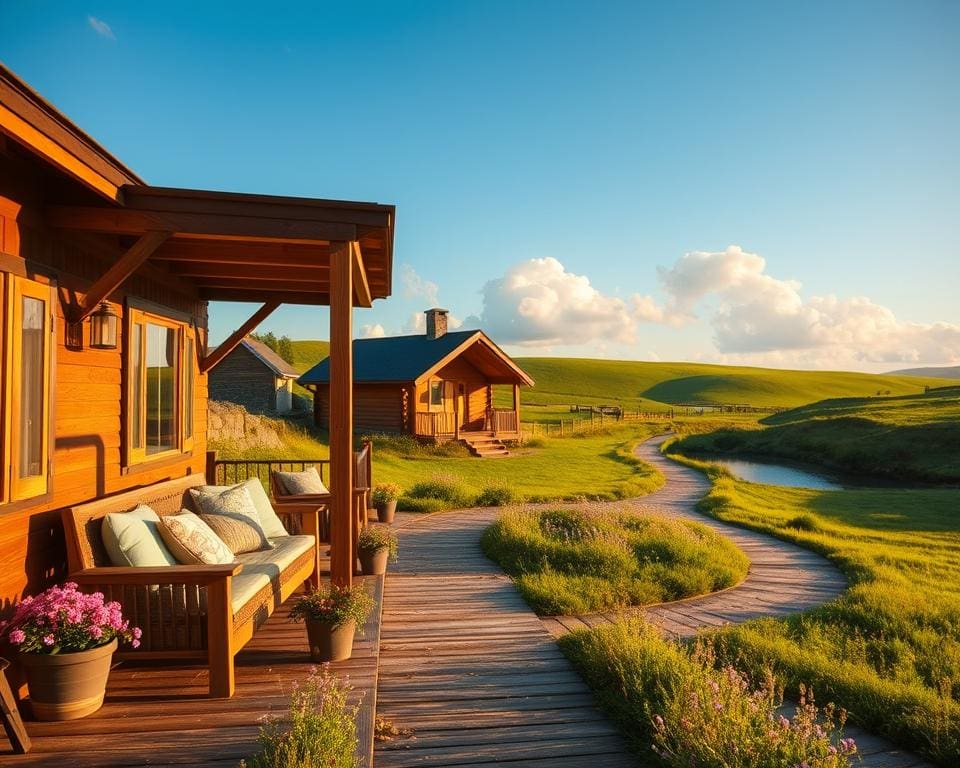
For many people in the United Kingdom, a countryside break offers a clear route to calm. A rural escape can reset the senses and boost relaxation by replacing city noise with birdsong and open skies. This section outlines what we mean by countryside retreats and why they are so effective.
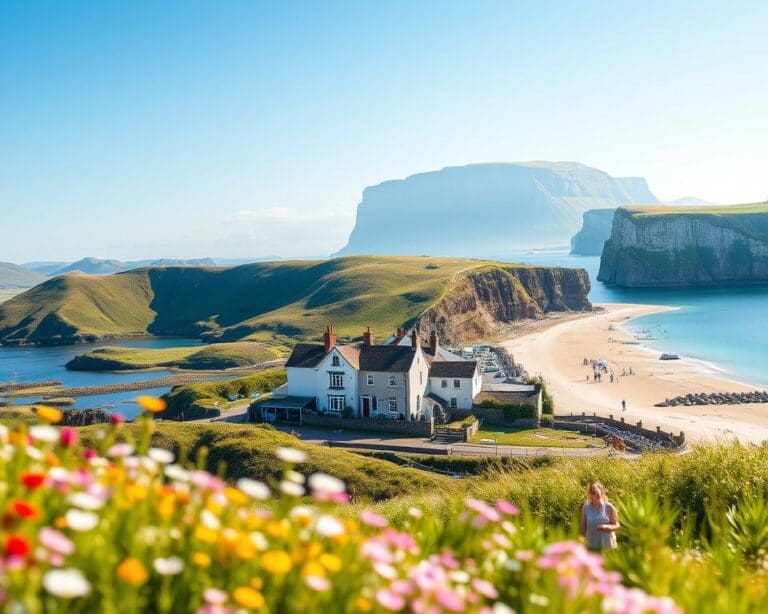
By countryside retreat I mean short breaks or longer stays in rural settings: a Cotswolds cottage, a Lake District bunkhouse, a Cornwall coastal cottage, a Yorkshire Dales farm stay, or a managed wellbeing retreat in an estate or converted manor. These options blend comfort with nature therapy to deliver tangible relaxation benefits.
Rural retreats help in several simple ways. They reduce sensory overload, provide restorative landscapes, and offer fresher air. Gentle walks and time to reflect—whether planned or unstructured—also support lower stress. UK research from the University of Exeter and monitoring by Natural England links time in nature to lower cortisol, reduced anxiety and improved mood, reinforcing the case for nature-based mental health benefits.
The cultural backdrop matters too. Growing demand for slow travel and staycation trends since the pandemic has increased interest in wellbeing retreats UK. Organisations such as VisitBritain and the National Trust promote rural wellbeing tourism, and the range of accommodation makes a countryside break accessible to many budgets.
In the pages that follow, this article will explore specific psychological and physiological benefits, guide you to choose the right retreat, and suggest activities and practices to maximise relaxation. Read on to discover how a rural escape can restore calm and improve everyday wellbeing.
How can countryside retreats boost relaxation?
Escaping to the country gives a simple path back to balance. Time among trees, rivers and open skies reduces the constant noise of city life. That shift helps sensory restoration and prepares the mind for deeper rest.
Reduced sensory overload and mental restoration
Attention Restoration Theory explains why natural scenes refresh attention. Softly fascinating stimuli like birdsong, running water and shifting light draw involuntary attention. That gentle engagement lets directed attention recover from fatigue.
Walking the Thames Path, hearing seabirds on the Norfolk coast or sitting by a Peak District stream are practical ways to tap this effect. Research from UK universities and international studies links such time outdoors with lowered rumination and improved concentration.
Physical benefits of fresh air and nature
Rural air often carries fewer pollutants than urban centres, improving oxygenation and easing breathing. Exposure to green and blue spaces can lower heart rate and reduce blood pressure, which supports sleep quality.
Gentle activity at a retreat, such as walking, cycling or light yoga, helps cardiovascular health and boosts endorphins without strain. UK data suggests regular access to parks, coastlines and rivers correlates with lower rates of depression and anxiety.
Emotional reconnection and mindful presence
The countryside slows the pace of life. With fewer social pressures, people find it easier to reconnect with companions or embrace solitude. That shift supports emotional wellbeing and opens space for reflection.
Mindful countryside practices include mindful walking, breathwork and sensory grounding. These exercises use the local environment to reduce stress and increase positive mood. Retreat rituals such as digital detoxes, journalling and slow meals featuring local produce build resilience.
Providers such as Forest School-inspired programmes, National Trust events and established wellness centres offer guided nature-based mindfulness and therapy across the UK. Forest bathing UK sessions are increasingly available for those seeking structured support in nature and stress reduction.
Choosing the right countryside retreat for relaxation and wellbeing
Picking a break that fits your rhythm makes all the difference when choosing a retreat. Think about the pace you want, the company you keep and the kind of support you need to relax. A clear idea helps you match retreat types to your goals and budget.
Types of retreats and what they offer
Self-catered cottages and converted barns suit people who value privacy and a flexible pace. These spaces work well for slow travel and quiet routines.
Organised wellness retreats provide structured schedules for yoga, meditation and detox programmes. Guests who prefer guided relaxation and social connection often choose these options.
Activity-led breaks focus on walking, cycling and birdwatching. They appeal to those who relax through movement and outdoor engagement. Providers such as HF Holidays and Rambler-guided options offer reliable itineraries for walkers.
Luxury spa escapes combine thermal suites and professional therapies with country-house comfort. Boutique hotels and established wellness centres in the Lake District deliver pampering beside nature for those seeking high-end rest.
Location factors: landscape, accessibility and season
Different landscapes give distinct benefits. Coastal vistas offer refreshing air for respiration. Ancient woodlands provide tranquillity and phytoncides that aid mental calm.
Upland moors and the Lake District supply wide views and restorative solitude. Rolling farmland brings gentle walking and pastoral quiet. Think about which sensory setting soothes you most.
Retreat accessibility affects stress levels before you arrive. Check travel times from cities, public-transport links to regional towns and on-site parking. Weekend escapes work better close to home. More remote spots suit longer stays when you want a deeper break.
Seasonal retreats UK vary by offer. Spring brings blooms and bird migration. Summer gives long daylight and swimming chances. Autumn delivers vivid colours and crisp walks. Winter highlights cosy fires and quieter venues. Some services run only in set months, so plan around availability.
Practical considerations: amenities, length of stay and budget
Amenities shape your experience. Look for ensuite rooms, kitchen facilities and on-site therapists. Decide if you want wifi for partial connectivity or a full digital detox. Guided walks and catering options can simplify a stay.
Length of stay matters for outcomes. A 48–72 hour break often refreshes the mind. Five to seven days support deeper habit changes. Longer residencies help sustain wellbeing shifts.
Budget spans from affordable National Trust lets and self-catered cottages to mid-range country hotels and premium wellness resorts. The best countryside retreats exist at each price point. Save by booking off-peak, choosing midweek dates or selecting packages that include meals and activities.
- Choosing a retreat: match type to need and rhythm.
- Retreat types UK: weigh self-catered, organised, activity-led and luxury options.
- Rural wellbeing breaks: pick landscape and season that suit your goals.
- Retreat accessibility: balance travel time with the depth of escape you want.
- Seasonal retreats UK: check availability and seasonal perks.
Activities and practices at countryside retreats that enhance relaxation
Countryside retreats often offer a mix of guided and self-led retreat activities that calm the mind and body. Guided nature walks and birdwatching slow the pace and sharpen senses, encouraging gentle movement and social connection that lower stress hormones. Low-impact exercise such as cycling, gentle hill walking or paddleboarding on lakes suits varied fitness levels and boosts mood and sleep quality.
Forest bathing UK sessions bring woodland immersion from shinrin-yoku into British settings. Originating in Japan, the practice uses mindful presence among trees to reduce cortisol and support immune function. Organisations often run guided sessions in ancient woodlands, making nature-based practices accessible even to newcomers.
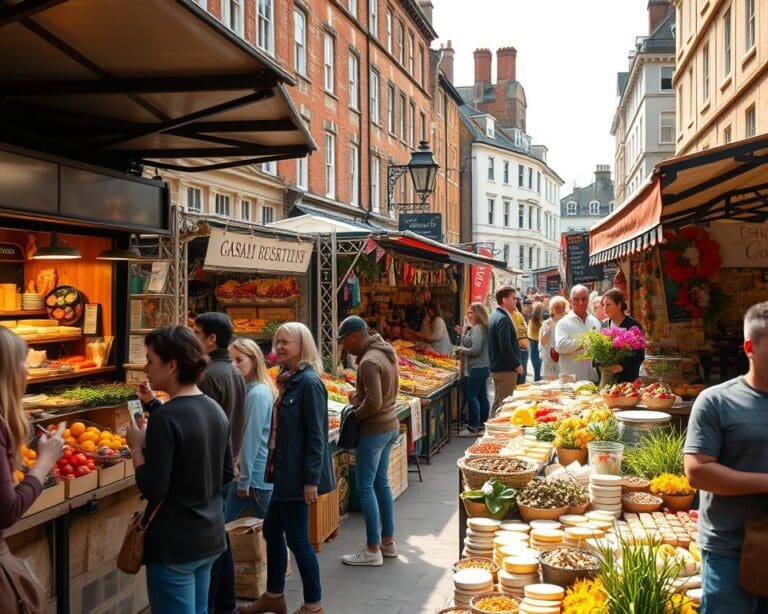
Short routines of mindfulness, breathwork and gentle yoga — ten to thirty minutes — recalibrate the nervous system and are especially effective outdoors. Slow food and mindful eating, with produce from local farmers’ markets and producers, turn meals into restorative rituals that aid digestion and presence. Creative, contemplative activities like journalling, sketching or nature crafts channel attention and foster flow states.
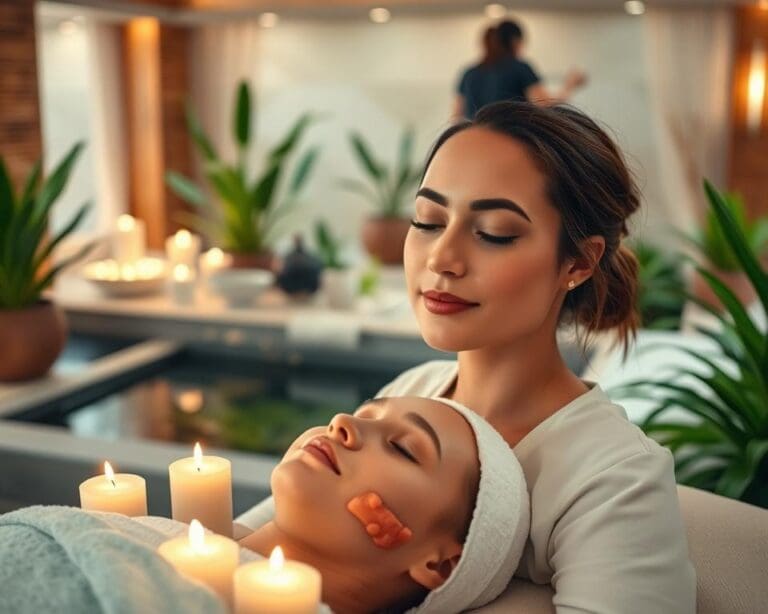
Therapeutic offerings such as massages, aromatherapy and counselling amplify retreat benefits; look for practitioners registered with bodies like the Federation of Holistic Therapists or the British Association for Counselling and Psychotherapy. Practical digital detox strategies — staged disconnection, phone-free windows and evening rest rituals such as baths or reading by the fire — help solidify gains. To carry relaxation home, try micro-practices: a daily ten-minute nature break, weekend walks, or a short gratitude journal to extend countryside relaxation activities and rural mindfulness exercises into everyday life.