
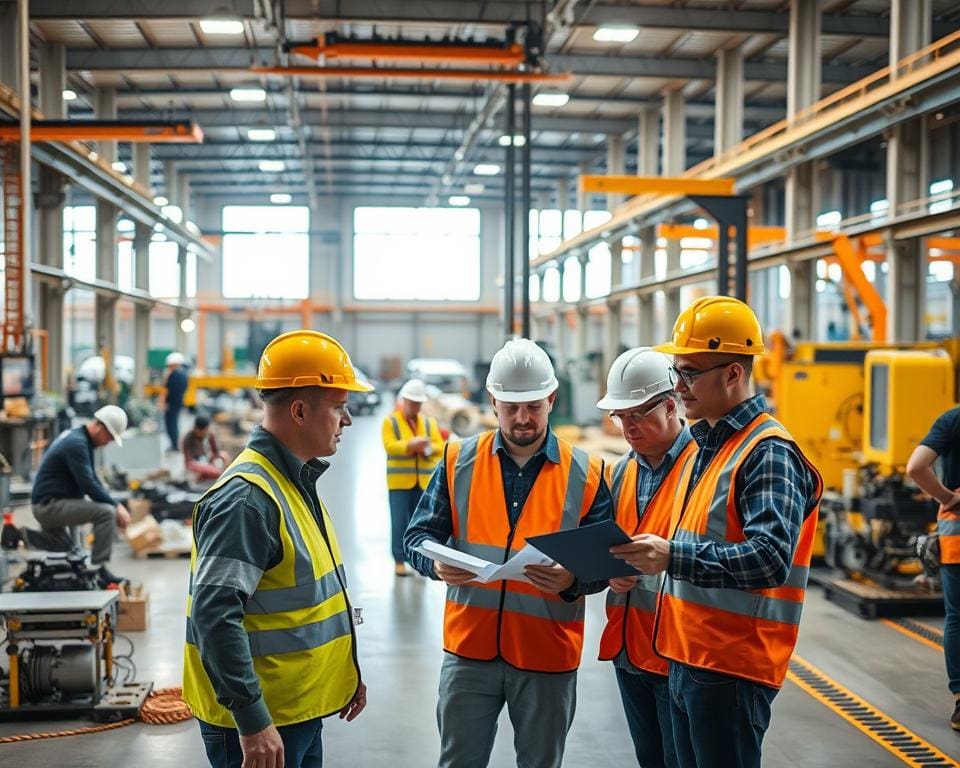
In an ever-evolving work environment, the critical role of engineers in enhancing workplace safety cannot be overstated. Through innovative design and strategic planning, engineers are pivotal in developing safety improvement strategies that foster a hazard-free environment. Their expertise in systems and process design not only reduces the likelihood of accidents but also contributes to improved employee morale and productivity. By harnessing creativity and technical knowledge, engineers work diligently to create safer spaces where individuals can thrive, ensuring that safety is at the forefront of every operational aspect.
Understanding Workplace Hazards
Workplace hazards encompass a range of elements that can pose risks to employees’ safety and health. Recognising the various types of hazards and comprehending their potential consequences is crucial for any organisation committed to fostering a secure working environment. By identifying these risks, engineers can take proactive measures to protect their workforce.
Types of Workplace Hazards
There are multiple types of hazards present in workplaces, each carrying its own set of dangers. Some common categories include:
- Physical Hazards: These involve environmental factors such as noise, machinery, or slips and falls that can lead to immediate physical injury.
- Chemical Hazards: Exposure to harmful substances, such as solvents or pesticides, poses significant risks to health over time.
- Biological Hazards: Exposure to bacteria, viruses, or fungi can cause serious health issues, especially in healthcare environments.
- Ergonomic Hazards: Poor workstation design can result in musculoskeletal disorders, contributing to long-term discomfort and injury.
- Psychosocial Hazards: Workplace stress, harassment, or violence can adversely affect an employee’s mental well-being.
The Impact of Workplace Hazards on Employees
The impact of workplace hazards on employees can be profound and multifaceted. Exposure to these safety risks often leads to:
- Physical injuries ranging from minor cuts to severe accidents.
- Long-term health conditions resulting from chemical or biological exposure.
- A decline in productivity, as injured or unwell employees may be unable to perform at their best.
- An increase in absenteeism, affecting overall workplace morale and efficiency.
Understanding these risks and their implications highlights the importance of implementing robust safety measures within the workplace. By addressing various types of hazards, employers can significantly enhance employee well-being and foster a healthier work environment.
How can engineers improve workplace safety?
Engineers play a crucial role in enhancing workplace safety through systematic strategies. By focusing on implementing comprehensive risk assessments and evaluations, they identify potential hazards early and develop efficient engineering solutions. This proactive approach fosters a safer work environment and protects employees from potential risks.
Implementing Risk Assessments and Evaluations
Conducting effective risk assessments is vital for recognising workplace dangers. This process involves several steps:
- Identifying hazards associated with tasks and equipment.
- Evaluating the risks posed by those hazards.
- Implementing control measures to eliminate or reduce risks.
- Reviewing and updating the assessments regularly based on workplace changes.
Such safety evaluations not only help to comply with legal requirements but also promote a culture of safety among employees. Ongoing assessments ensure that any new risks are promptly addressed, reinforcing the commitment to a secure working environment.
Utilising Technology for Enhanced Safety Measures
Technology in safety offers innovative solutions that improve workplace conditions significantly. Advanced tools such as smart sensors and predictive analysis can monitor environmental factors in real-time. These technologies enable immediate responses to hazardous situations, creating a safer atmosphere.
Safety management systems facilitate data collection and risk tracking, acting as essential resources for engineers. By integrating these technologies into daily operations, organisations can enhance their safety protocols and respond more effectively to risks. The combination of engineering solutions and modern technology transforms safety practices, paving the way for a more secure workplace.
Designing Safe Work Environments
Creating safe work environments relies heavily on the application of ergonomic design principles. These principles play a crucial role in ensuring that workspace layouts enhance comfort while reducing the risk of injury. By focusing on how tools and workstations interact with the human body, engineers can significantly lower the incidence of musculoskeletal disorders. A well-thought-out ergonomic design not only protects employees but can also lead to greater productivity and job satisfaction.
Ergonomic Design Principles
Implementing ergonomic design principles requires a deep understanding of human interaction with workspaces. Key aspects include:
- Adjustable furniture that promotes proper posture.
- Optimal placement of tools and equipment to minimise strain.
- Designing workflows that reduce repetitive movements.
Such considerations contribute to creating safe work environments that value employee wellbeing. Engineers must adopt these principles to foster a productive atmosphere while mitigating health risks.
Effective Signage and Safety Protocols
Effective safety signage is fundamental in communicating workplace protocols clearly. Signage systems should follow best practices to ensure visibility and understanding. Essential elements encompass:
- Simple language and symbols universally recognised by employees.
- Strategically placed signs that guide individuals to safety points and equipment.
- Regular updates to signage to reflect any changes in workplace protocols.
By adhering to these guidelines, businesses can foster a culture where safety measures are consistently followed. With the combined effect of ergonomic design and effective safety signage, organisations can create safe work environments that empower their workforce.
Creating a Culture of Safety
Establishing a robust culture of safety is fundamental for any organisation prioritising workplace well-being. Cultivating this environment begins with the ongoing training and education of employees, empowering them to recognise and mitigate risks effectively. When staff members feel knowledgeable and confident in their understanding of safety protocols, they become more proactive in maintaining a secure workplace.
Importance of Training and Education
Regular training and education not only enhances the skills of employees but also fosters a sense of responsibility towards safety. When organisations invest in comprehensive training programmes, they signal the importance of safety as a core value. This investment translates into heightened awareness and vigilance, cultivating a culture that prioritises risk management.
Engaging Employees in Safety Initiatives
Active employee engagement in safety initiatives creates a sense of ownership and collective responsibility. Involving team members in safety committees or organising safety drills and workshops promotes collaboration and reinforces the culture of safety. Employees who participate in these initiatives are more likely to share insights and identify potential hazards, further strengthening workplace safety through shared commitment.
Innovative Solutions for Safety Challenges
In the pursuit of a safer workplace, innovative safety solutions are increasingly becoming essential. Technological advancements have paved the way for both wearable technology and personal protective equipment (PPE) to revolutionise how safety standards are maintained. These innovations not only address existing hazards but also preemptively mitigate risks associated with various industrial roles.
Wearable Technology and Personal Protective Equipment (PPE)
Wearable technology has entered the realm of personal protective equipment in remarkable ways. Devices like smart helmets equipped with augmented reality can guide workers through complex tasks while providing real-time safety alerts. Exoskeletons also represent a significant breakthrough, enhancing physical capabilities and reducing fatigue, thus lowering the risk of injury. Together, these wearables contribute to a culture of safety by consistently monitoring the environment and user well-being.
Automation and Robotics in Hazardous Tasks
Automation in safety is reshaping how hazardous tasks are performed, alleviating workers from dangerous responsibilities. Robotics can now handle everything from heavy lifting to exposure to toxic substances. This shift not only minimises human risk but also enhances efficiency in operations. As industries adapt to these changes, a new workforce dynamic emerges, with humans overseeing and collaborating with machines, ultimately leading to a safer work environment.
Monitoring and Improving Safety Practices
Regularly implementing safety monitoring through audits and inspections is essential for maintaining a secure workplace environment. These practices not only identify potential hazards but also encourage a proactive approach to safety. By establishing a routine of comprehensive safety audits, organisations can pinpoint weaknesses and drive improvements in safety protocols.
Regular Safety Audits and Inspections
Conducting safety audits and inspections requires a strategic approach that focuses on various aspects of workplace operations. This process can include:
- Identifying common risks and hazards present in daily activities.
- Reviewing compliance with existing safety regulations and standards.
- Engaging with employees to gain insights on safety conditions and areas requiring attention.
Effective safety audits not only document findings but also provide a roadmap for safety improvements. Implementing the recommendations from these audits can significantly enhance overall workplace safety.
Feedback Mechanisms for Continuous Improvement
The importance of establishing feedback mechanisms cannot be overstated. These systems, which include incident reporting and employee surveys, play a vital role in promoting a culture of safety. Gathering feedback for safety improvement helps organisations to:
- Address concerns raised by employees in a timely manner.
- Identify patterns or recurring issues that warrant further investigation.
- Foster a sense of ownership among staff regarding their own safety.
By creating an environment where feedback is valued, organisations can facilitate continual safety enhancements and strengthen overall compliance with safety regulations.
Adapting to Evolving Safety Standards
In today’s fast-paced industrial landscape, it is imperative for engineers and organisations to remain vigilant in adapting to evolving safety standards. Compliance with these shifting industry regulations not only ensures the protection of employees but also enhances operational efficiency. By staying abreast of the latest legal requirements, such as ISO standards and local legislation, companies can create a solid foundation for workplace safety.
Implementing safety best practices involves continuously reviewing and updating safety protocols to align with new regulations. This proactive approach not only mitigates risks but also fosters an organisational culture that prioritises safety. By empowering employees to engage with these evolving standards, businesses can cultivate a mindset of readiness and adaptability, ensuring that safety becomes an integral part of their operational ethos.
Ultimately, embracing these evolving safety standards is not merely about compliance; it is about creating an environment where safety is paramount. Organisations that recognise the importance of integrating industry regulations into their daily practices demonstrate a commitment to their workforce and a forward-thinking approach to sustainability. By championing these principles, engineers can lead the way in fostering safer, more resilient workplaces.