Loft conversions offer a simple way to increase living space without sacrificing garden or footprint. By transforming an underused roof void into a bedroom, home office, playroom or en suite, an attic conversion UK can deliver practical rooms that match changing family needs.
Many homes in the UK, especially Victorian and Edwardian terraces, are well suited to conversion. Typical feasibility signs include a pitched roof with around 2.2–2.4 metres of headroom at the highest point, enough floor area, accessible joists and a favourable roof slope.
The loft conversion benefits are clear: you can add functional space, improve natural light and ventilation, and often boost property value. Whether you choose a modest dormer or a larger mansard or hip-to-gable change, these works can provide a bespoke, characterful room that reflects your lifestyle.
Think of the loft as potential rather than wasted volume. With careful design and the right build approach, a loft conversion can both increase living space and create a unique, useful part of your home.
How can loft conversions add functional space?
Loft conversions turn underused roof volume into practical rooms that suit modern family life. With structural strengthening and a new floor level, you can convert attic to room that meets building regulations and feels part of the home.
Turning unused volume into usable rooms
A simple rooflight conversion keeps the exterior unchanged while providing light and headroom for a bedroom or study. A dormer loft conversion pushes out from the slope to create extra floor area for an en suite or master bedroom. More radical mansard or hip-to-gable options can deliver near full-storey gain for larger schemes.
Typical work includes installing new joists or strengthening existing ones, laying a new floor deck and adding steel beams where load-bearing walls change. Insulation and vapour control layers are vital to meet building regulations and ensure long-term comfort.
Creating versatile, multi-use areas
Design choices make lofts flexible loft design assets. Plan a home office that doubles as a guest room with a wall bed, or create a combined lounge and sleeping area with sliding partitions and built-in storage in the eaves. Use bespoke joinery from reputable UK suppliers such as Magnet or local bespoke makers to maximise every inch.
Space-saving furniture and thoughtful acoustic measures keep the loft living space comfortable and private. Consider glazing and internal screens that allow light to flow while reducing sound transfer to the floors below.
Increasing natural light and perceived space
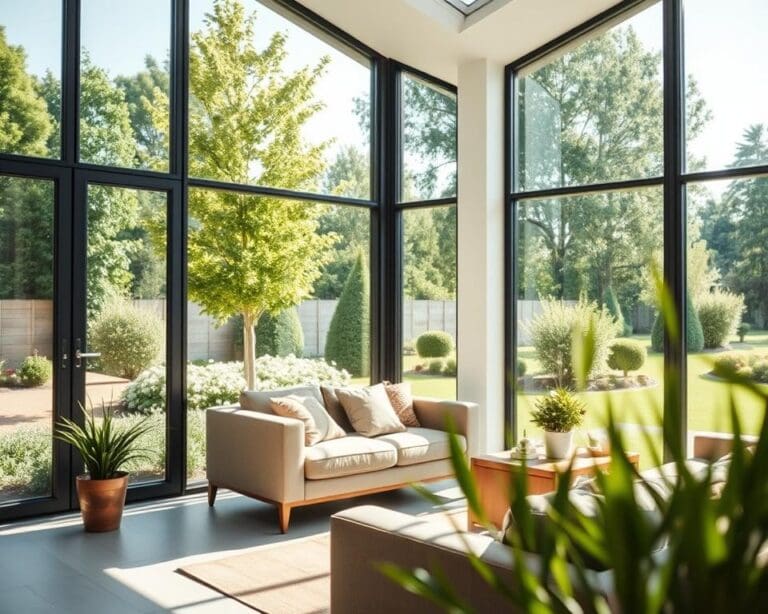
Skylights and rooflights on the roof slope bring daylight deep into the plan, while vertical windows in a dormer add views and cross-ventilation. Brands like VELUX and Fakro are widely specified for reliable performance and solar control options.
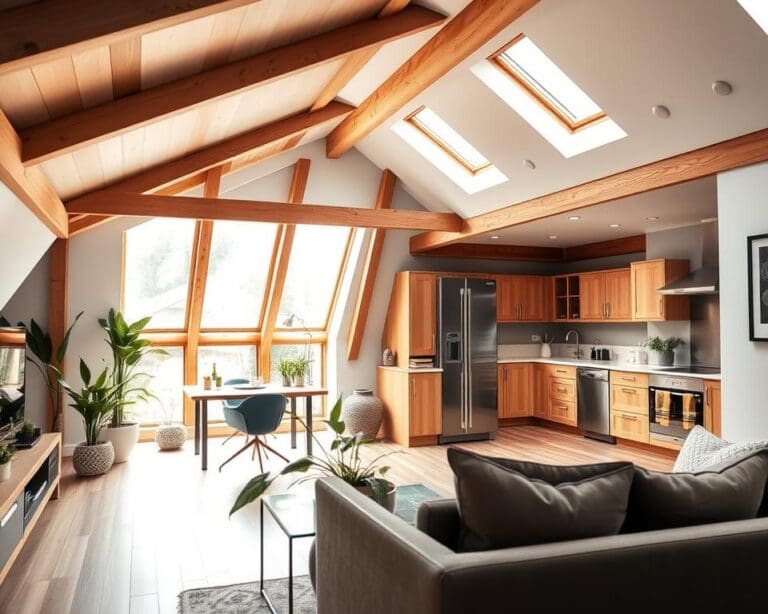
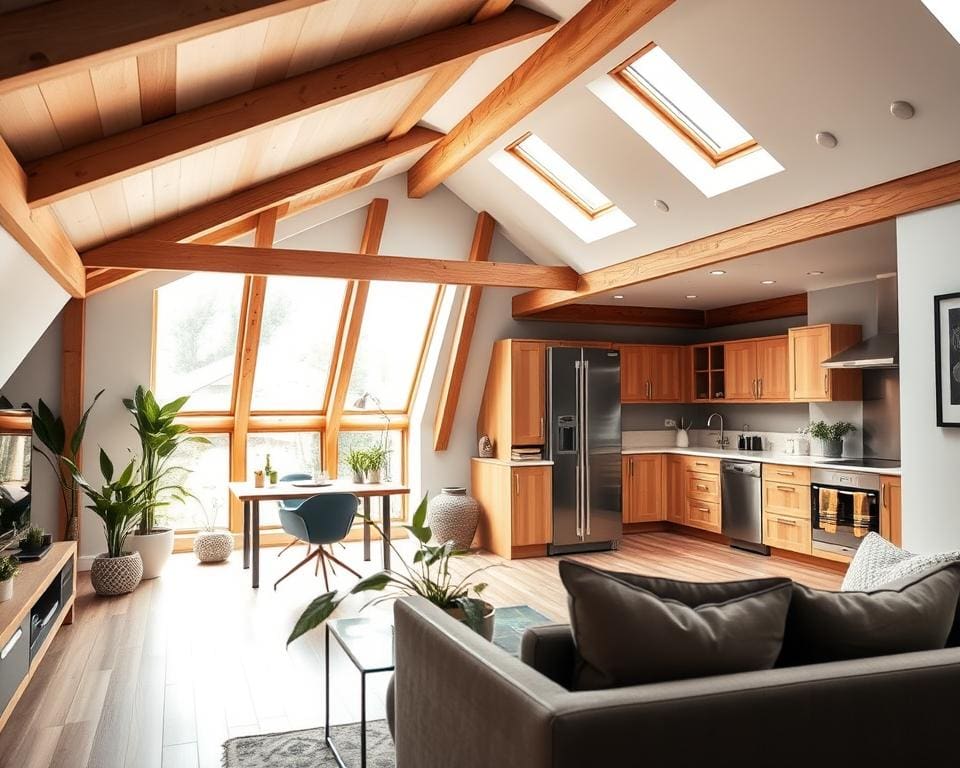
Light colours, consistent flooring and uninterrupted sightlines amplify perceived volume. Vaulted ceilings or exposed rafters can add character while trickle vents and mechanical extract keep ventilation and solar gain under control for a comfortable loft living space.
Design considerations to maximise functionality and style
A thoughtful conversion blends form with function. Good loft design considerations start with clear goals: a restful bedroom, a home office or a family studio. Early planning reduces costly changes later and helps keep the new space in tune with the rest of the house.
Structural and headroom requirements
Comfortable living demands sensible headroom. Most projects aim for around 2.2–2.4 metres of usable head height, though local variations apply and an architect or structural engineer will confirm feasibility.
Load-bearing concerns often mean reinforcing floors and joists. Typical upgrades include replacing or strengthening joists and installing steel RSJs for new openings. New loft floors are normally designed to support a live load of 1.5–2 kN/m² in bedrooms and living areas, in line with Building Regulations.
Roof alterations such as mansard or hip-to-gable conversions can change party walls and require agreements on terraced properties. Engage a RIBA-affiliated architect or a structural engineer and hire a reputable builder experienced in structural reinforcement loft works.
Layout planning for practical living
Good circulation keeps the whole home working. Thoughtful loft layout planning starts with a staircase that meets Building Regulations on pitch, headroom and width, while preserving the ground-floor plan.
Place wet rooms near existing soil stacks to simplify drainage and reduce disruption. En suites add value and convenience, provided you plan ventilation and waterproofing correctly.
Use eaves and voids for concealed storage and route services—electric, data and heating—behind stud walls. Match skirtings and finishes to the rest of the house while giving the loft its own character and purpose.
Lighting, ventilation and thermal comfort
Thermal performance matters for year-round comfort. Loft insulation and ventilation must meet UK Building Regulations, with continuous thermal envelopes, suitable U-values and vapour control or breathable membranes to avoid condensation and heat loss.
For bathrooms and kitchens choose mechanical extract systems. Roof windows benefit from trickle vents and consider mechanical ventilation with heat recovery (MVHR) for airtight builds to keep indoor air fresh and efficient.
Balance daylight with layered lighting. Combine rooflights for natural light with dimmable LEDs, recessed downlights and task lighting to suit pitched and vaulted areas. To reduce summer overheating use solar-control glazing, external shading and night purging with cross-ventilation.
Planning, regulations and cost considerations for UK homeowners
Turning an attic into a lived-in room needs more than design sense. You must weigh planning rules, safety standards and budgets before work starts. Early clarity saves time and money and protects your home’s value.
Planning permission and permitted development
Many loft projects fall under permitted development rights loft conversion in England and Wales when they meet size and volume limits. These rules cover cubic metre increases for terraced, semi‑detached and detached homes and set limits on how far a conversion can extend beyond the existing roof plane.
Conversions in flats, maisonettes, conservation areas or on listed buildings usually need full planning permission. Local authority variations can be decisive; councils may apply Article 4 directions or site‑specific restrictions that remove permitted development rights.
Use pre-application advice from your council or hire a planning consultant to reduce the risk of refusal. Early contact helps clarify neighbour consultation, Party Wall Act implications and likely conditions attached to any approval.
Building regulations and safety requirements
Building regulations loft work must meet structural and safety standards. Key parts include structure (Part A), fire safety (Part B), ventilation (Part F), thermal performance (Part L) and stairs and access (Part K). An approved inspector or building control officer must sign off the works.
Fire safety often demands protected escape routes, enclosure of staircases or fire‑resistant doors. Mains‑connected, interlinked smoke detectors are usually required. Some higher‑risk properties may need additional measures such as sprinkler systems.
The Party Wall Act requires serving notices when work affects shared walls or boundaries. A party wall award and surveyor involvement may be needed to manage neighbour impacts and to avoid disputes.
Budgeting, timelines and return on investment
Expect wide variation in loft conversion cost depending on type and region. Simple rooflight conversions might start from £15,000–£30,000. Dormer conversions commonly range from £30,000–£70,000. Mansard or complex projects often exceed £70,000. London and the South East tend to be more expensive.
Timelines vary by scope. Feasibility and initial design typically take 2–6 weeks. Design development and approvals can take 4–12 weeks or longer if planning permission is needed. Construction spans 4–12 weeks for straightforward conversions; complex builds take longer.
A well‑executed conversion can boost market appeal and price. Many agents report loft ROI UK in the range of 10–20%, depending on location, build quality and how the new space is presented. Increasing bedroom count and usable floor area often improves saleability.
- Update buildings insurance before work begins.
- Check contractors hold public liability and employer’s liability insurance.
- Consider NHBC or similar guarantees and written warranties for trades and materials.
Practical examples and inspirational ideas for functional loft spaces
Turn a dark attic into a principal bedroom with en suite facilities by adding a dormer or rooflights to boost daylight and views. Loft bedroom ideas often include built-in wardrobes tucked into the eaves, engineered oak flooring, painted timber beams and muted Farrow & Ball colours to create a boutique-hotel calm. A small private balcony or well-positioned dormer ideas can give a sense of escape without large structural upheaval.
For quiet working, loft office design makes excellent use of separation from ground-floor bustle. Specify high-quality broadband and data wiring, Velux rooflights for generous daylight, ergonomic desks and plenty of storage for kit and canvases. Creative studios benefit from simple finishes and flexible lighting so the space can switch from focused work to relaxed meetings.
Multi-use family rooms are practical and popular in loft conversion ideas. Consider playrooms with integrated storage, teenage hangouts with media walls, or combined bedroom/lounge suites for intergenerational living. Fold-away beds or Murphy beds add overnight flexibility while maintaining a calm, usable day space.
Compact wet-rooms and utility solutions are achievable if sited near existing soil pipes; underfloor heating improves comfort and waterproofing systems from Wedi and fittings from Hansgrohe ensure longevity. For open-plan loft living, expose rafters, add vaulted ceilings, mezzanine reading nooks and glazed partitions to keep sightlines open. Refer to RIBA for design standards, Velux and Fakro for rooflight choices and NHBC for warranty guidance as you refine plans and budgets.