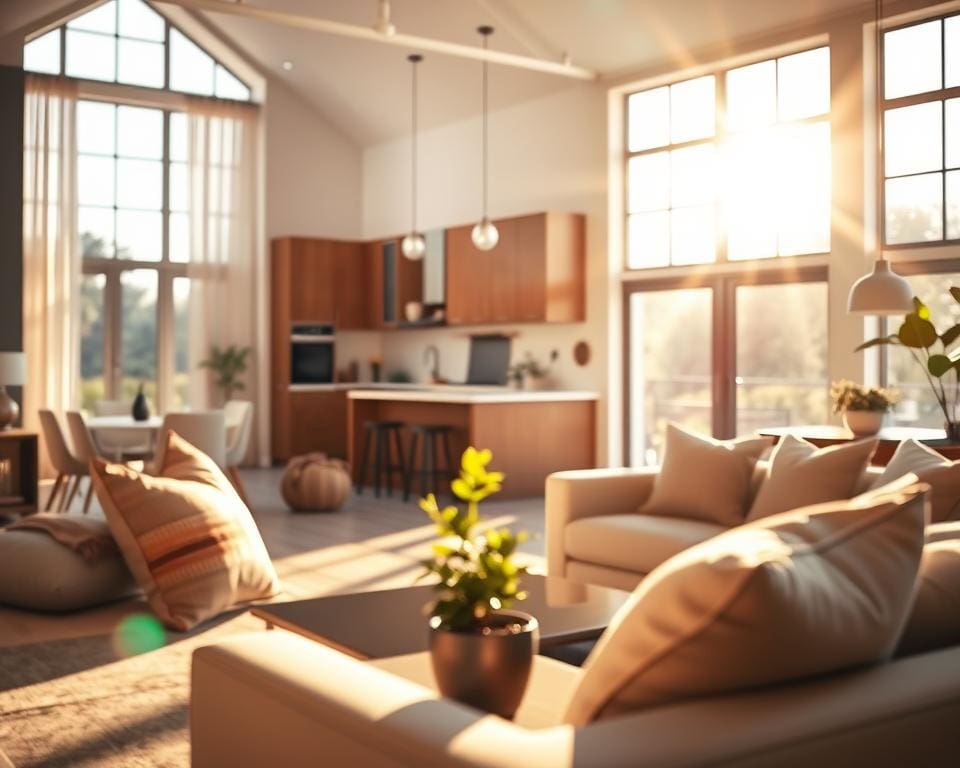
Natural light changes how a home looks, feels and even functions. In UK home design it is more than a visual asset; it is a core material that shapes mood, space and energy use. Thoughtful daylighting in homes brings warmth to living rooms, clarity to kitchens and calm to bedrooms while connecting interiors to the outside.
Research from the Royal Institute of British Architects and the Chartered Institution of Building Services Engineers links natural light benefits with better sleep, improved concentration and reduced dependence on artificial lighting. Public Health England guidance on healthy homes highlights circadian entrainment and mental wellbeing as clear gains. These evidence-based advantages explain why architects and homeowners prioritise daylighting in homes today.
The UK context matters. Variable weather, low winter sun angles and planning controls for listed or period properties shape what is possible. Typical housing types — Victorian terraces, interwar semis and modern apartments — each demand different tactics. Understanding these constraints helps designers and homeowners unlock realistic, site-specific solutions.
This article will show how daylight influences psychology and spatial perception, outline practical design strategies, address energy and privacy considerations, and suggest styling ideas to celebrate light. Whether you are renovating a Victorian terrace or specifying glazing for a new build, the guide will help you harness natural light benefits and bring biophilic design UK principles into your home.
How can natural light transform a home interior?
Natural light shapes how a home feels and how people live in it. Daylight moves through rooms, alters colours and textures, and affects rhythm and focus. This section explores the psychological benefits of natural light, the links between daylight and wellbeing, and how light changes perception of space.
Psychological and wellbeing benefits of natural light
Exposure to daylight has measurable effects on mental health. Research published in the British Medical Journal links increased natural light to reduced symptoms of depression and anxiety. Light therapy for seasonal affective disorder shows clear benefit for many people in the UK during darker months.
Biophilic design advocates such as Terrapin Bright Green note that views to the outside and direct daylight improve concentration and creativity. A room with good daylight and wellbeing credentials often feels more satisfying to inhabit. Children learn better in bright classrooms. Older adults tend to sleep more soundly and face fewer mood swings when interiors offer steady access to daylight.
How natural light alters mood, energy and circadian rhythm
Morning light rich in blue wavelengths suppresses melatonin and shifts the circadian clock toward daytime alertness. This circadian rhythm light effect helps people feel energetic during the day and improves sleep at night. Placing windows to capture strong morning sun in bedrooms or kitchens can support this pattern.
In the UK, short winter days reduce natural morning light. Households can mitigate this by maximising daylight in living areas and using tunable lighting that mimics daylight cycles when needed. Avoid bright, blue-rich light in late evening to prevent disruption of sleep patterns.
Impact on perceived space and ambience
Natural light makes rooms feel larger. It reveals texture, deepens colour and creates a play of shadow that adds depth. The perception of space shifts as daylight moves across a room, offering changing ambiences from dawn to dusk.
Designers use daylight to create focal points. A well-lit reading nook or dining table becomes visually prominent, guiding movement and attention. Framed views to garden or street can make interiors feel connected to the outside, extending the sense of space and lifting mood and daylight experience throughout the home.
Design strategies to maximise natural light in UK homes
Thoughtful design can transform a dim house into a bright, welcoming home. This section guides practical moves to maximise natural light while keeping comfort and character. Small changes in window placement, glazing choices and interior layout make a big difference.
Window placement and sizing for different room types
Place larger south- and west-facing glazing to harvest low-angle winter sun for living rooms and dining areas. North-facing windows give steady, soft daylight, ideal for studios and bathrooms where glare must be minimised.
Use window-to-floor area ratios from BRE Daylight and Sunlight guidance and CIBSE advice as starting points. Bedrooms benefit from controlled morning light with east-facing windows or smaller openings that admit gentle dawn light.
Kitchens need generous, well-placed glazing for task illumination without glare. Living rooms combine balanced daylight with views; consider wide picture windows. Bathrooms do better with frosted or diffusing glass to preserve privacy while admitting soft light.
Use of glazing, rooflights and light tubes in varied climates
Rooflights and skylights excel at bringing daylight into central or lower-ground rooms. Manufacturers such as VELUX and Solatube supply reliable options across the UK market.
Modular tubular daylight devices, known as light tubes, channel sunlight into tight or windowless spaces. They suit hallways, laundries and internal bathrooms where vertical glazing is impractical.
Choose double- or triple-glazing for thermal performance, weighing trade-offs in light transmission. Low-iron glass increases clarity. Anti-glare and diffusing glass help south-facing glazing stay comfortable in sunnier exposures.
Internal layout, open-plan approaches and sightlines
Open-plan daylighting encourages light to travel further. Remove unnecessary partitions where possible. Use glazed internal partitions or wide openings to share daylight while retaining privacy.
Align corridors and doorways to carry daylight deep into the plan. Position frequently used rooms to access the best available light. Level changes, mezzanines and atria can act as daylight-routing devices in multi-storey homes.
Reflective finishes, colour palettes and materials that amplify light
Choose pale matt paints for diffuse reflection and satin or eggshell finishes for measured highlights. Polished stone or light timber flooring will bounce light and lift the feel of a room.
Use mirrors to multiply daylight, metallic trims to add sparkle and glass furniture to reduce visual weight. Translucent textiles soften incoming sun while maintaining brightness. Balance reflective interior finishes with warm tones and natural materials to avoid a clinical look.
- Match glazing and shading to local climate: increase window area in cloudier regions, add shading in sunnier spots.
- Prioritise sightlines and daily use patterns so daylight meets function.
- Combine rooflights, light tubes and well-placed windows for layered, resilient daylighting.
Practical considerations: energy, privacy and comfort
Natural light transforms a home, but design must balance daylight with energy, privacy and comfort. Careful choices on glazing, insulation and shading make spaces bright and liveable all year. Below are focused strategies to guide upgrades and larger projects.
Winter solar gain can cut heating demand, yet large south- or west-facing windows risk overheating in summer. Use passive design tactics to manage seasonal trade-offs.
- Shading devices such as brise-soleil, external blinds and deep reveals block high summer sun while permitting low winter light.
- Deciduous planting provides natural seasonal shading with minimal maintenance.
- Orient glazing to capture beneficial low-angle winter sun and avoid excess afternoon heat.
- Combine good insulation and airtightness with glazing upgrades to prevent condensation and heat loss.
Glazing performance, U-values and solar control options
Understand the metrics that matter. U-value measures heat loss. Lower U-values glazing improves warmth retention. The g-value or SHGC shows how much solar energy the glass admits.
- Choose low-emissivity coatings and argon-filled units to lower centre-pane U-values and boost efficiency.
- Selective solar control glazing reduces unwanted solar gain on south and west aspects while preserving daylight.
- Look for certificated products with BFRC or Window Energy Rating labels and use accredited installers to meet Building Regulations Part L.
Maintaining privacy without sacrificing daylight
Privacy need not mean darker rooms. Several daylight privacy solutions keep interiors light while screening views.
- Translucent or frosted glass works well for bathrooms and lower-level glazing.
- High-level clerestory windows and narrow vertical windows admit light but limit sightlines on busy streets.
- Internal sheer curtains, Venetian blinds and external privacy screens offer flexible control.
- Smart-glass and switchable privacy film are high-tech options for adaptable transparency.
Cost-effective upgrades versus full renovation
Small changes can yield big improvements in comfort and light. Consider the scale of work and likely returns.
- Low-cost: repaint with lighter colours, reposition mirrors, fit thermal curtains or blinds, add rooflights or light tubes for targeted daylight upgrades UK.
- Mid-level: replace single glazing with modern double or triple units, install external shading, or add glazed internal screens to redistribute light.
- Full renovation: enlarge openings, add extensions, or install full-depth rooflights and orangeries. Check planning rules for conservation areas and listed buildings.
For major works, get multiple quotes and consult a Chartered RIBA architect or structural engineer. Look into UK government schemes and local grants to support energy-saving measures and to ensure that solar gain and thermal comfort are balanced across seasons.
Styling and furnishing to celebrate natural light
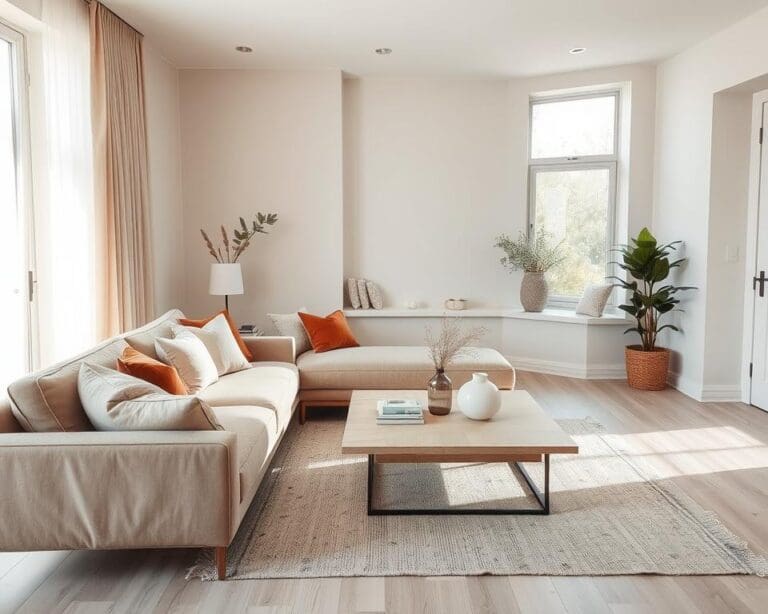
Start by decluttering and choosing furniture scales that preserve sightlines. Low-profile sofas and slim dining chairs let daylight travel across a room. Floating shelving and glass-fronted cabinets keep storage light in feel, while a narrow window seat creates a bright nook without blocking views. This restrained approach is central to styling for natural light and to maximise daylight with furniture.
Layer textures and soft furnishings to add warmth without dulling brightness. Natural fibres such as linen and wool, tactile weaves and a light-toned area rug anchor a space while reflecting daylight. Pair these with lighting and textiles that complement seasonal shifts: warmer throws and heavier curtains in winter, linen and cotton in summer. Thoughtful furnishing to enhance daylight helps balance cosiness and clarity.
Use window treatments and accessories that protect privacy while keeping light. Sheer curtains or top-down blinds allow daylight in; external shutters or blinds control glare and heat. Place mirrors and reflective art opposite windows to amplify light and create focal interest, and consider UV-filtering glazing or rotating artworks on south-facing walls to prevent fading. British interior styling benefits from these small, practical choices.
Bring plants and smart lighting into the mix to support wellbeing and mood. Choose resilient indoor plants suited to local light: snake plant and spider plant for lower light, ficus or citrus for bright spots. Add dimmable, tunable white LEDs to blend with natural cycles and extend comfort into evening. Finally, run a brief checklist: audit light paths, prioritise key rooms, test paint, blinds and mirrors, and consult professionals for structural changes. Treat natural light as an ongoing design practice and adjust furnishings and finishes as daylight shifts through the year.