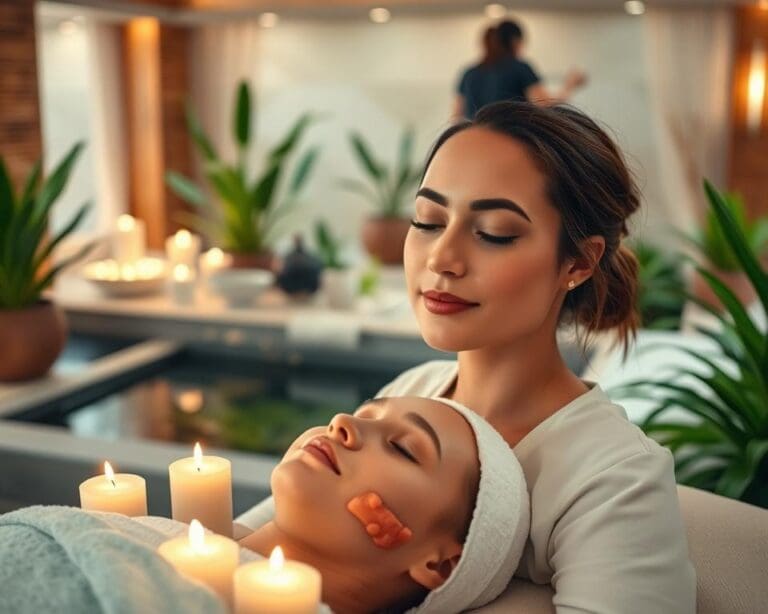
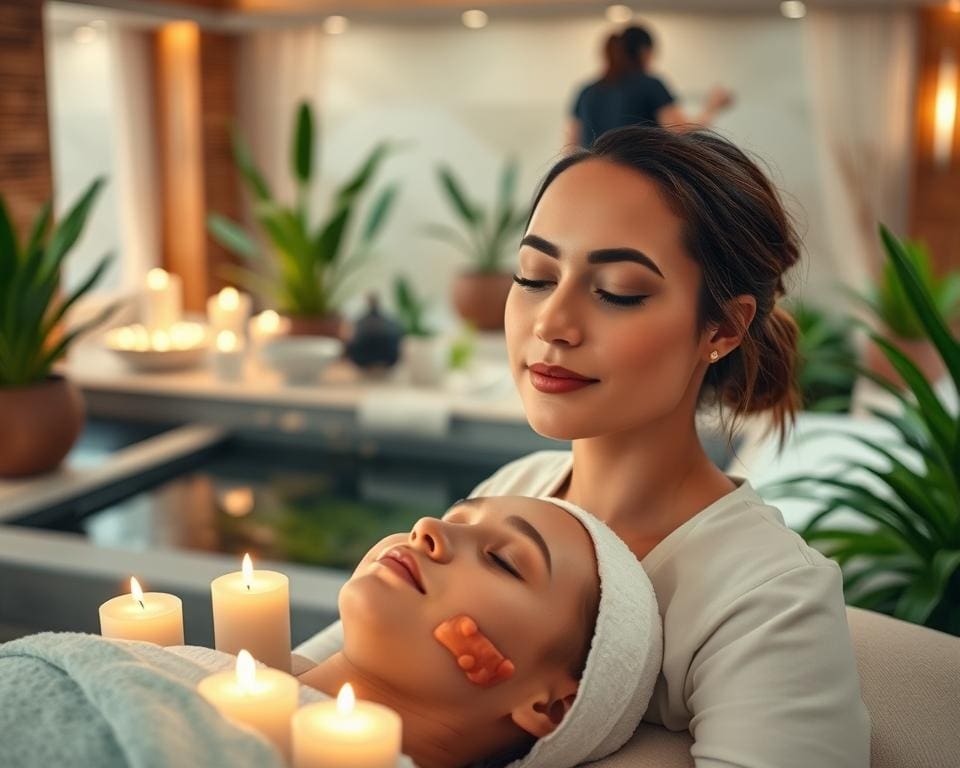
A spa day is more than a treat; it is a planned period devoted to professional care and intentional rest. In the UK a spa day typically lasts from a few hours to a full day and combines massages, facials, hydrotherapy, saunas or steam rooms, use of thermal suites and pools, guided relaxation or mindfulness, and quiet time away from daily pressures.
As workplace stress and urban living intensify, wellbeing spa UK options have become a practical self-care choice. Whether you book a day at a local day spa, a luxury resort, or a short spa-focused staycation, the spa day benefits often include physical relaxation, improved sleep, reduced muscle tension and clearer thinking.
This article answers the question: how can spa days improve your wellbeing by explaining core mechanisms of benefit, listing treatments and what they do, and offering practical tips to plan for lasting results. It will also cite clinical studies on massage and hydrotherapy, NHS guidance on relaxation and sleep, and published wellbeing research to ground the guidance in evidence.
Read on for a clear, evidence-based guide that shows how a spa day relaxation routine can help you unwind, revitalise and find tranquillity for mind, body and spirit — framed as practical and inspirational rather than purely indulgent.
How can spa days improve your wellbeing?
A well-planned spa day works on several levels at once: it eases physical tension, soothes the nervous system, and gives the mind room to breathe. Small, intentional rituals within a spa visit create predictable moments of rest that help to reduce cortisol and shift the body toward parasympathetic activation. These effects build a foundation for lasting spa mental health when visits become part of a regular self-care routine.
Physical relaxation and muscle recovery
Therapies such as Swedish strokes, petrissage and deep tissue work increase local blood flow and ease stiffness. Massage benefits include reduced perceived pain and improved range of motion, which supports recovery after exercise and daily strain.
Hydrotherapy benefits come from buoyancy in warm pools that cut joint load and from contrast baths that stimulate circulation. Cold plunges lower inflammation while hot pools relax muscles, helping tissue repair and mobility.
Sauna detoxification adds a light cardiovascular challenge through raised heart rate and sweating. Used sensibly, thermal suites and steam rooms can ease nasal congestion and promote muscular relaxation. Guests should stay hydrated and follow time limits, especially if they have heart conditions.
Mental calm and stress reduction
Quiet spaces, muted lighting and gentle soundscapes interrupt rumination and support mindful pauses. Therapists often guide diaphragmatic breathing and progressive muscle relaxation to amplify parasympathetic activation.
Touch and warm immersion lower stress hormones and help to reduce cortisol. This hormonal shift improves sleep onset, digestion and mental clarity, making it easier to return to daily life refreshed.
Emotional restoration and mood enhancement
Therapeutic touch stimulates endorphin release and oxytocin pathways, fostering comfort and social connection. Those changes reduce pain perception and lift mood, which strengthens resilience against burnout and anxiety.
Rituals such as scheduled spa visits create reliable boundaries for self-care. Shared treatments can deepen relationships and add social support, which enhances the emotional benefits of a rest period.
Practical safety matters: some treatments are not suitable during pregnancy, for uncontrolled hypertension or soon after surgery. Consult a clinician when in doubt and ask spas about accessible options for mobility needs.
Types of spa treatments that boost wellbeing and what they do
Spas offer many therapies that help the body and calm the mind. This short guide outlines key options, what they feel like and who benefits most. Read on to find treatments that match your goals for relaxation, recovery or skin health.
Massage therapies and their specific benefits
Swedish massage uses long, gliding strokes to ease muscle tension and improve circulation. Many guests cite Swedish massage benefits for stress relief and better sleep after a session.
Deep tissue work targets deeper muscle layers to break down adhesions and relieve chronic tightness. People seeking lasting relief often search for deep tissue massage UK options and should expect firmer pressure and possible short-term soreness.
Sports massage focuses on performance and recovery through stretching and mobilisation. Hot stone treatments add sustained warmth to relax muscles and soothe the nervous system.
Hydrotherapy, thermal experiences and pools
Hydrotherapy pools deliver low-impact movement and buoyant exercise that eases arthritis and supports rehab. Contrast baths, with alternating hot and cold immersion, stimulate circulation and reduce swelling.
Thermal circuits combine warm and cool zones to shift the autonomic nervous system toward recovery. Many centres now pair these with floatation therapy, where reduced sensory input allows deep rest and relief from muscle tension.
Regular thermal treatments show modest cardiovascular benefits and can lower blood pressure when used alongside a healthy lifestyle.
Facials, skin treatments and sensory therapies
Facials and targeted skin therapies cleanse, nourish and restore skin health. Visible improvements often boost confidence, making facials wellbeing an important part of self-care routines.
Aromatherapy uses essential oils such as lavender and bergamot to enhance relaxation during massage or in treatment rooms. Guests should check oil quality and any allergy risks before use.
Sound baths and light therapy offer sensory routes to mood regulation. Sound can encourage meditative states, while bright or coloured light can support circadian rhythm and seasonal mood needs.
Practical points: typical sessions last 30–90 minutes. Expect temporary soreness after deep work and avoid some treatments in pregnancy or with active skin conditions. Stay hydrated and tell therapists your preferences for the best results.
How to plan a spa day for maximum benefit and lasting results
A thoughtful approach helps your visit deliver more than a few hours of calm. Begin by deciding whether your main aim is relaxation, recovery, clearer skin or mental clarity. This focus makes it easier to plan a spa day that fits your goals and time.
Choosing the right spa and treatments for your needs
Read reviews on Google and Tripadvisor to check reputation and recent guest feedback. Look for evidence of therapist qualifications such as membership of the Chartered Institute of Massage Therapists or the Federation of Holistic Therapists. Inspect facility hygiene, especially in changing rooms and communal pools, when you arrive.
Match treatments to your aim. For targeted pain relief, book a remedial or deep tissue massage. For skin goals, choose facials that state active ingredients and post-care steps. Seek out lists of the best spa treatments UK to compare offerings and spot specialised packages.
Timing, frequency and combining treatments
Decide spa frequency based on purpose. Try an intensive day once a quarter for deep restoration. Book monthly visits for ongoing stress management. For chronic pain or athletic recovery opt for shorter 30–60 minute sessions weekly or fortnightly.
Combine a longer body treatment with a gentle facial or a thermal suite session for layering benefits. Leave time to rest afterwards. Avoid heavy exercise or long-haul travel immediately after intensive therapies to protect gains.
Preparing and following up for lasting effects
Good spa preparation begins at home. Hydrate well, choose a light balanced meal before arrival and allow extra time to arrive early and acclimatise. Set realistic expectations and share medical history with therapists, especially for pregnancy, recent surgery or cardiovascular concerns.
After treatment, focus on post-spa care. Prioritise a full night’s sleep, practise gentle stretches or a slow walk to keep joints mobile, and continue breathing or mindfulness exercises introduced at the spa. Use any prescribed home-care skincare or stretching routine to extend results.
- Budget tips: consider off-peak bookings, gift vouchers and local leisure centre hydrotherapy as cost-effective options.
- Accessibility: call ahead to request adjustments for mobility or sensory needs and confirm available facilities.
- Safety: consult a GP before booking for serious conditions such as uncontrolled diabetes or recent cardiac events and be open with therapists about medications and health history.
Scientific evidence and personal wellbeing stories supporting spa benefits
Peer-reviewed spa research and massage studies offer a grounded view of how spa days help wellbeing. Systematic reviews in journals such as Complementary Therapies in Medicine and the Journal of Alternative and Complementary Medicine report consistent reductions in cortisol and improvements in anxiety, depression and pain after regular massage. This stress hormone reduction is modest but measurable, and it aligns with patient-reported relief and better sleep.
Hydrotherapy evidence also adds weight to the case for spa-based care. Randomised trials show warm-water immersion and thermal therapies can ease pain and improve function for people with osteoarthritis. Other studies find that pools and thermal routines reduce perceived exertion during rehabilitation and, when combined with exercise, support recovery from musculoskeletal conditions.
Synthesising research with spa wellbeing stories gives a fuller picture. Many UK spa-goers describe using short staycations or scheduled spa days to recover from burnout, restore sleep patterns and rebuild coping reserves. These anonymised accounts emphasise ritual, professional touch and planned rest as catalysts for lasting routine changes, reinforcing the quantitative findings on sleep and pain improvement.
When deciding whether to invest in regular spa care, balance anecdotes with evidence. Ask therapists about qualifications, treatment duration and sequence, likely sensations, contraindications and follow-up home care. Be sceptical of absolute detox claims or promises of overnight cures. Trial visits and simple measures — sleep quality, pain scores and stress ratings — will help you judge value.
Used thoughtfully, spa experiences are an accessible, evidence-informed tool in a wider wellbeing strategy. Combining credible spa research, massage studies and hydrotherapy evidence with real spa wellbeing stories shows how short breaks can reinvigorate habits and build resilience, making planned rest a practical route to lasting change.