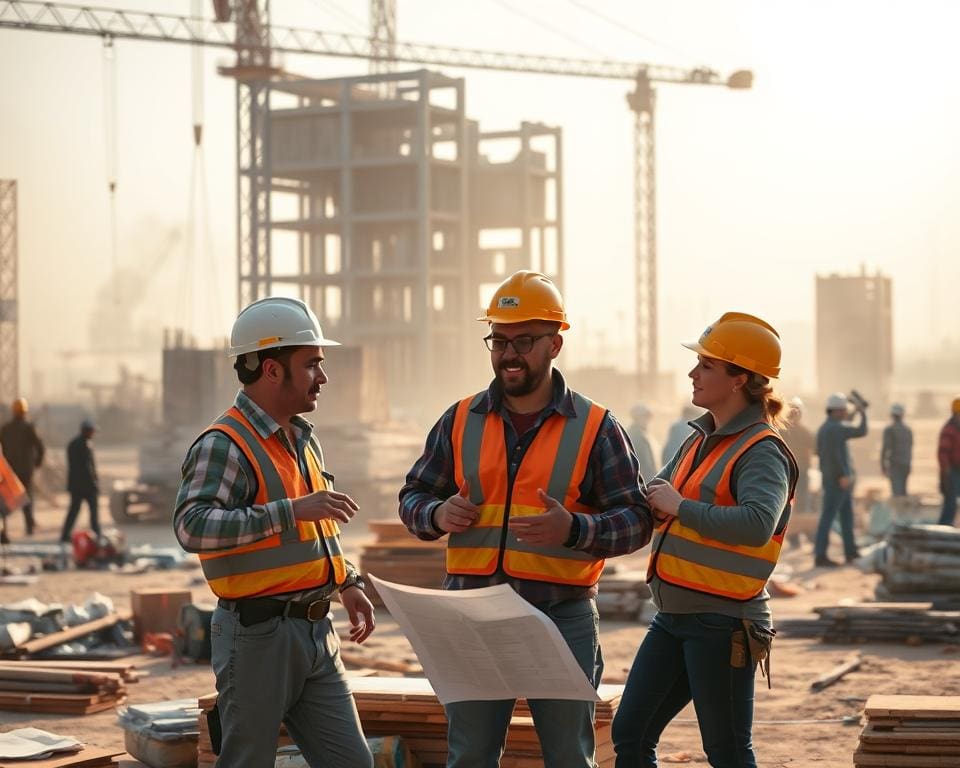
Teamwork in construction is the cornerstone of achieving successful project outcomes. By fostering collaboration and communication among various trades, construction site efficiency can be significantly enhanced. Studies indicate that when teams work together effectively, projects are more likely to be completed within the allocated timeframe and budget, ultimately leading to project success through teamwork. Emphasising collective efforts helps address the inevitable challenges of construction, allowing teams to adapt swiftly to changing conditions, thus reducing delays and improving client satisfaction.
The Importance of Teamwork in Construction
In the construction industry, effective teamwork serves as a foundation for success. When individuals from various specialties unite, they foster an environment of collaboration in construction that benefits everyone involved. Diverse trades teamwork is crucial as it brings together expertise from carpenters, electricians, and other skilled workers to create synergistic workflows.
Fostering Collaboration Among Diverse Trades
Collaboration among diverse trades leads to heightened innovation and improved operational efficiency. By integrating different skill sets and perspectives, teams are able to solve problems more creatively. This collaborative spirit encourages a sense of belonging and shared purpose among team members, ultimately driving project success.
Building Trust and Accountability
Trust in construction teams plays a critical role in the overall morale and functionality of a project. When team members trust one another, they are more likely to take ownership of their responsibilities and hold each other accountable. This sense of accountability not only enhances motivation but also ensures that tasks are executed to the highest standards, reinforcing the collaborative ethos within diverse trades teamwork.
How can teamwork improve results on construction sites?
Teamwork plays a vital role in enhancing productivity and achieving success on construction sites. Through effective communication, teams can navigate challenges and improve overall efficiency. When individuals work together, their combined expertise leads to innovative solutions and a more seamless workflow.
Enhancing Efficiency Through Communication
Open channels of communication in construction foster an environment where teams can freely discuss updates and challenges. This practice significantly reduces misunderstandings and keeps everyone informed. Regular briefings amplify the effectiveness of communication in construction, ensuring that each member is aligned with project goals. By encouraging ongoing feedback, teams are able to adapt quickly and maintain momentum.
Streamlining Task Allocation and Responsibilities
Clear task allocation is essential for the success of any project. By defining roles and responsibilities, teams can function more effectively, leading to superior outcomes. When team members understand their specific contributions within the framework of the project, productivity increases, positively impacting efficiency through teamwork. Efficient task management not only promotes timely project completion but also uplifts workplace morale as individuals feel empowered and accountable for their work.
Impact of Effective Leadership on Team Performance
Effective leadership in construction plays a pivotal role in maximising team performance. A capable leader guides teams towards common goals in construction projects, ensuring clarity in vision and objectives. This not only enhances motivation but also fosters a unified approach to tackling challenges.
Guiding Teams to Achieve Common Goals
Leaders who communicate effectively create a shared understanding among team members, allowing everyone to work harmoniously towards collective achievements. When a vision is clearly articulated, it encourages teams to align their efforts, which boosts productivity and satisfaction. Cultivating an environment where all participants feel valued can lead to remarkable outcomes.
Developing Leadership Skills Within Teams
Empowering team members with leadership skills enhances resilience and adaptability within construction teams. Training programmes and mentorship opportunities enable individuals to step up, fostering a culture of peer leadership. Such initiatives contribute significantly to improving team performance, as they empower members to take ownership of their roles. By nurturing these skills, companies invest not only in their people but also in the success of their projects.
Real-Life Examples of Successful Teamwork on Construction Sites
Exploring real-life examples illustrates the power of teamwork within the realm of construction. Numerous projects showcase how collaborative efforts lead to not only efficiency but also the achievement of remarkable outcomes. These successful construction projects serve as prime illustrations of effective team dynamics in action.
Case Studies of Productive Construction Projects
One notable example is the redevelopment of Battersea Power Station, which stands as a testament to successful collaboration. This ambitious project involved multiple stakeholders, including architects, engineers, and contractors, all working towards shared objectives. The emphasis on teamwork significantly contributed to completing the project ahead of schedule while maintaining high standards of quality, showcasing the principles of project management and coordination.
Lessons Learned from Team Dynamics
Teamwork case studies from various construction endeavours highlight essential lessons learned in construction. Instances where teams successfully navigated challenges illustrate the importance of adaptability and communication. By fostering an environment of open dialogue, teams have effectively solved unforeseen issues, creating a robust framework for success. These experiences offer valuable insights for future projects, emphasising how collective effort paves the way for excellence in construction.
Tools and Technologies that Facilitate Teamwork
In the ever-evolving construction industry, the integration of advanced tools and technologies significantly enhances teamwork dynamics. The right construction collaboration tools and communication technology in construction can streamline workflows and ensure that all team members stay informed and connected. Implementing these technologies fosters a collaborative environment where efficiency and productivity thrive.
Collaboration Software for Construction Teams
Platforms such as Procore and PlanGrid have transformed how construction teams operate. These software solutions provide real-time updates and document sharing, enabling team members to access vital information anytime, anywhere. The ability to collaborate effectively using these teamwork technology tools mitigates the chances of errors and miscommunication. Features like drawing annotations, task assignment, and progress tracking empower teams to remain aligned throughout the project lifecycle.
On-Site Communication Tools
Effective communication remains crucial on construction sites. Utilising tools like two-way radios and dedicated mobile applications enhances coordination among team members. Instant messaging capabilities allow for quick decision-making and responsiveness to emerging issues. By leveraging such communication technology in construction, teams can dramatically improve overall project execution and responsiveness, ensuring every member plays a vital role in achieving collective success.
Overcoming Challenges to Team Collaboration
The construction industry often grapples with challenges in construction teamwork that can hinder overall project success. Language barriers, cultural differences, and varying levels of experience among team members create obstacles that can impact communication and collaboration. These complexities necessitate a proactive approach to foster an inclusive culture where every team member feels valued and understood.
To effectively address these construction team challenges, organisations can implement training programmes that highlight effective communication strategies tailored for diverse backgrounds. By encouraging open dialogue and active listening, teams can work towards overcoming barriers to collaboration. It’s essential to cultivate an environment where everyone can express their ideas, ask questions, and contribute to discussions without fear of judgement.
Additionally, setting clear expectations and promoting conflict resolution processes are vital in maintaining focus on project objectives. When challenges arise, having established protocols in place enables teams to navigate disputes constructively. By turning potential conflicts into opportunities for learning and growth, construction teams can enhance their collaboration and ultimately achieve remarkable results.