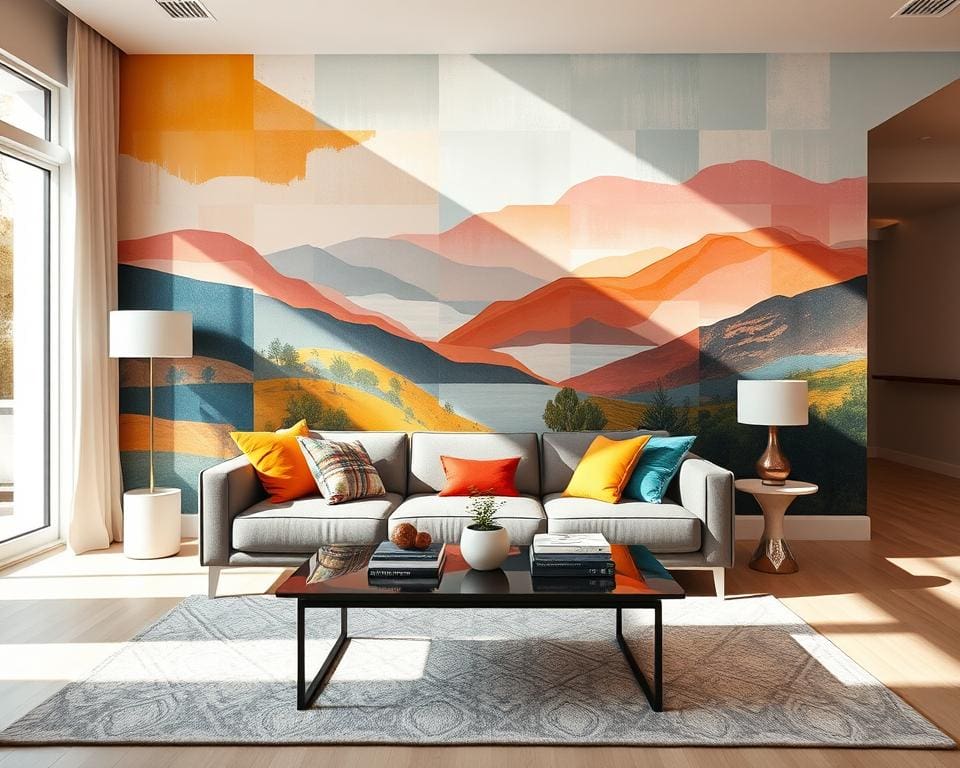
Wall art transformation is a powerful tool in the realm of interior design, capable of turning any living space into a true reflection of personal style. Decorative art infuses personality and character into often overlooked walls, transforming them into dynamic features that draw the eye and inspire conversation. Beyond aesthetics, wall art significantly impacts mood and atmosphere, allowing individuals to create environments that resonate on a personal level. By strategically incorporating artwork, one can enhance their surroundings, elevating the entire experience of their home. Join us as we explore the myriad ways wall art can elevate your space.
Creating a Statement: The Power of Wall Art
Wall art has the remarkable ability to transform a room, making it an essential aspect of interior design. The process of selecting artwork is not merely about aesthetic appeal; it involves understanding personal taste and current trends. By thoughtfully choosing statement pieces, one can cultivate an atmosphere that resonates with one’s emotions and style.
Choosing the Right Artwork
When selecting artwork, consider how it complements existing decor and furniture. The emotional impact of different styles can greatly affect the overall ambience of the space. Artworks should reflect personal preferences and the desired mood for each room. Take time to explore various art forms, from contemporary pieces to classic styles, to find those that inspire you. For insights on colour psychology, explore how colour choices can influence your, enhancing your wall art decisions.
Scaling Up: Size Matters
Art size considerations play a crucial role in creating impactful displays. Oversized pieces serve as stunning focal points and can make a bold statement, while smaller works can create a more intimate atmosphere when arranged thoughtfully. Always measure wall space to determine the best fit. Balancing different sizes can yield a dynamic visual flow, enhancing the overall appeal of your walls.
Placement for Impact
Correct wall art placement dramatically affects its visual impact. Position artworks at eye level for optimal engagement, and consider the surrounding elements to create harmony within the space. Factors like natural light can further accentuate or diminish the presence of an artwork. By assessing how each piece interacts with its environment, one can ensure that every statement piece captivates viewers and adds emotional depth to the room.
How can wall art transform your interior?
Wall art serves as a powerful tool to introduce both colour and texture into any space. Its ability to enliven a room through strategic colour choices not only enhances the aesthetic appeal but also influences the emotions experienced within it. For example, a bold, vibrant painting can invigorate an otherwise neutral space, energising it with a sense of dynamism. Alternatively, subtle colour palettes evoke tranquillity, making them ideal for serene spaces. The significance of colour in interior design cannot be understated.
Introducing Colour and Texture
Textured wall art elevates the concept of flat surfaces by engaging more than just the visual senses. Integrating materials such as canvas, wood, or metal creates a rich layering effect, inviting interaction. The tactile nature of textured wall art compels viewers to appreciate each piece from varying angles, enhancing its depth and presence in a room. This blending of colour and texture plays a crucial role in achieving effective mood setting, transforming a simple wall into a canvas of emotional expression.
Setting the Mood and Atmosphere
Art can shape the very atmosphere of a room, acting as a reflection of personal experiences or desired vibes. Whether the aim is to foster a creative workspace or promote relaxation in a living area, the right pieces can tailor the emotional experience of the environment. Choosing artwork with intent can ignite inspiration or offer a sense of peace, effectively contributing to atmospheric decor. With thoughtful curation, wall art becomes more than decoration; it serves as a vital element in crafting the desired mood and character of a space.
Personalising Your Space with Unique Pieces
Creating a home that truly reflects your personality requires thoughtful consideration of personalisation in decor. Unique wall art plays a key role in establishing a distinctive atmosphere that tells your story. Embracing artwork that resonates with your values often leads to a more meaningful living space.
Support Local Artists
Supporting local artisans enriches your environment with character and authenticity. When you choose unique wall art from nearby artists, you not only enhance your decor but also contribute to your community’s culture. Local pieces often possess a narrative that connects to their origin, allowing you to display art that feels personal and significant. This can be a fantastic way to find art that speaks to you while fostering strong community ties and encouraging creativity.
Incorporating Personal Mementos
Integrating personal memorabilia into your wall art can create a warm, nostalgic atmosphere. Consider displaying family photographs, travel souvenirs, or handmade crafts that evoke fond memories. These elements bring a sense of belonging to your space, inviting others to engage with your history. A well-assembled collection of personal treasures will not only enhance your home but also spark meaningful conversations around shared experiences.
Find inspiration for your space and embrace the journey of personalisation in decor through unique pieces that reflect your true self. Emphasising personalisation creates an inviting atmosphere, ensuring that every guest feels the warmth and uniqueness of your home.
Wall Art Styles That Inspire
Exploring various wall art styles can greatly enhance the aesthetic appeal of any interior space. Each distinct style brings its own character and mood, allowing individuals to express their unique tastes and create an inspiring atmosphere. The choice between modern art and traditional art, along with the exciting realms of mixed media and eclectic designs, offers endless possibilities for personalisation.
Modern vs. Traditional Art
Modern art represents a shift towards minimalism and abstraction, often favouring bold colours and innovative techniques. This style resonates with contemporary audiences looking for visual stimulation and originality. In contrast, traditional art draws upon historical themes and classical techniques, celebrating craftsmanship that has stood the test of time. Those who appreciate the elegance and refinement of an era long past often gravitate towards traditional art styles, which can evoke a comforting nostalgia.
Mixed Media and Eclectic Designs
Mixed media art combines diverse materials and methods, offering a rich dimension to wall art styles. This approach encourages creativity, allowing artists—and homeowners—to blend various techniques for a unique outcome. Eclectic designs further enhance this concept, inviting individuals to intertwine different styles and textures. The result is a captivating visual narrative that sparks curiosity and engagement, perfect for those who wish to convey a story through their décor.
Maintaining and Caring for Your Wall Art
The beauty of wall art lies not only in its aesthetics but also in its storytelling and emotional connection to your space. To ensure that your cherished pieces continue to inspire and resonate, proper wall art maintenance is essential. Each type of art requires specific care — from gentle dusting for framed works to utilising suitable cleaning agents for paintings and prints. Establishing a routine for cleaning art pieces will greatly enhance their longevity and visual appeal.
Preserving artwork in the right environment is equally important. Sunlight can be both a source of inspiration and a potential menace; UV rays can fade colours and compromise the integrity of your art over time. It’s crucial to monitor exposure and consider hanging art in ambient light rather than direct sunlight. Additionally, assessing factors like humidity and temperature can significantly impact your pieces, safeguarding them from damage.
Finally, making regular evaluations of your artwork’s condition will help prevent deterioration. Keep an eye out for signs of wear, such as cracking or fading. By being proactive in your wall art care tips, you’ll ensure that these unique pieces continue to reflect your personality, enrich your environment, and create lasting visual impact for many years to come.