
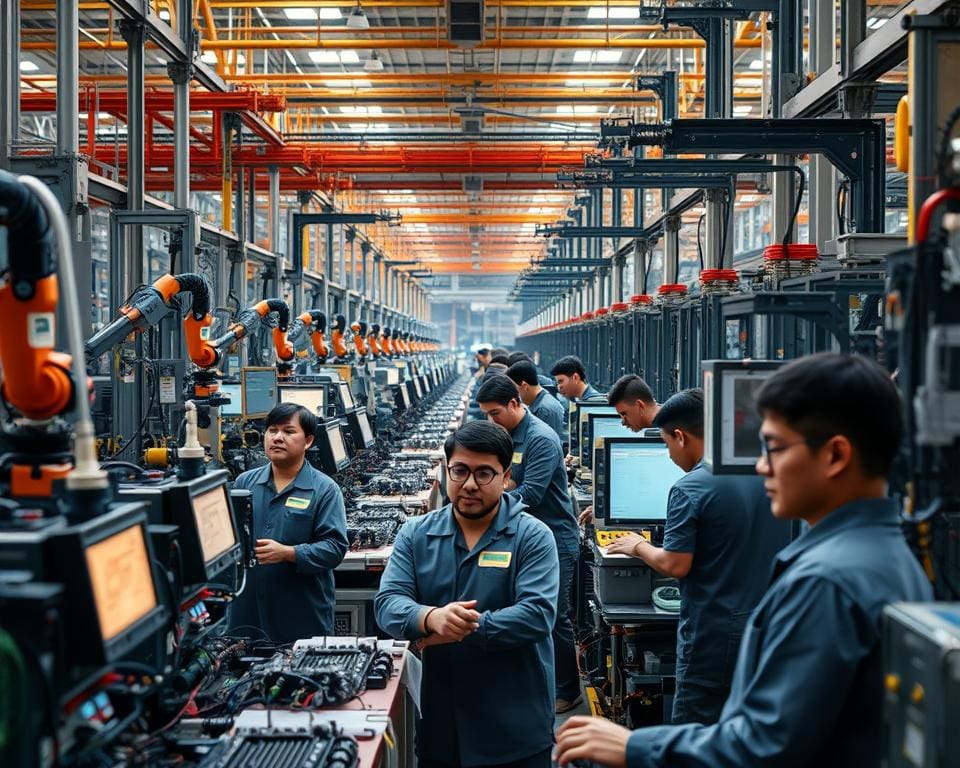
As we witness the rapid evolution of industrial technology, characterised by advancements such as automation, artificial intelligence, and the Internet of Things (IoT), the need for effective adaptation to industrial technology becomes paramount. This article delves into the essential strategies that can facilitate workers’ transition amidst these changes. It is increasingly evident that agility and a commitment to continuous learning are vital components for success. Companies are also recognising that investing in employee training is just as crucial as the technology itself, fostering an environment where workers can thrive in this exciting landscape.
Understanding the Impact of Industrial Technology
The industrial technology evolution over the centuries has reshaped not only the landscape of industries but also the workforce itself. Transitioning from steam power to sophisticated digital systems signifies a dramatic shift, prompting an examination of how these changes manifest today. Various trends in the workforce emerge from these advancements, highlighting the necessity for workers to stay informed and adaptable.
The Evolution of Industrial Technology
The journey of industrial technology traces back to the first industrial revolution, which introduced machinery that vastly improved production efficiency. Each subsequent phase, including the advent of electricity and the rise of automation, brought forth significant enhancements. As industries continue to integrate digital innovations, a comprehensive understanding of this evolution helps illuminate current dynamics and future possibilities.
Current Trends Shaping the Workforce
Today’s workforce experiences notable trends driven by the ongoing transformation in industrial technology. The rise of remote work, coupled with increased automation and robotics, redefines job roles and necessitates new skill sets. With these developments, workers must recognise and adapt to these changes to remain competitive and relevant in a rapidly shifting environment.
Challenges Faced by Workers in the Transition
Transitioning into a technology-driven landscape does not come without its challenges. Workers often face skill gaps that make it difficult to meet the demands of modern roles. Resistance to change is another significant barrier, where fears about job security may hinder progress. Addressing these workers’ challenges is crucial for success, as navigating changes effectively fosters resilience and adaptability.
How can workers adapt to new industrial tech?
Adapting to new industrial technology requires a proactive approach, anchored in the philosophy of continuous learning. Workers must embrace a mindset focused on acquiring new skills and knowledge. This commitment enables them to stay relevant and effective in an ever-evolving workplace.
Importance of Continuous Learning and Training
Continuous learning acts as a cornerstone for personal and professional development. Relevant training programmes can dramatically enhance an individual’s ability to utilise modern technological advancements. Workers should actively seek opportunities that focus on the emerging technologies specific to their fields, ensuring they remain competitive and informed.
Leveraging Online Resources and Workshops
With the rise of online training resources, individuals can access a wealth of knowledge at their fingertips. Platforms like Coursera and Udacity offer flexible courses designed to cater to diverse learning needs. Participating in workshops further allows employees to acquire hands-on experience with cutting-edge tools. These workshops serve as practical avenues where workers can refine their capabilities without the constraints of traditional educational settings.
Collaborative Learning in the Workplace
Encouraging workplace collaboration fosters an environment ripe for knowledge sharing. Through teamwork, employees can support one another, building a culture of mentorship. Techniques such as peer-to-peer learning can facilitate the exchange of insights and skills, enriching the collective expertise of the team. This collaborative atmosphere plays an integral role in effectively adapting to technological changes.
Building a Growth Mindset for Technological Adaptation
In today’s rapidly changing industrial landscape, cultivating a growth mindset proves essential for successful adaptation. This mindset encourages individuals to view their abilities as malleable, allowing them to embrace challenges and redefine failures as valuable learning moments. By fostering this mentality, workers can build resilience in adaptation, ultimately thriving in new environments.
The Role of Motivation and Resilience
Motivation significantly influences how workers approach changes in their work setting. Those equipped with a growth mindset tend to exhibit stronger motivation, seeing technological advancements as opportunities for improvement rather than obstacles. This positive perception fosters resilience in adaptation, enabling individuals to bounce back from setbacks and persist in their efforts to learn and grow.
Embracing Change as an Opportunity
Organisations striving for innovation must create a culture that champions a growth mindset. By encouraging employees to embrace change, businesses can cultivate an environment where resilience in adaptation flourishes. When employees understand that growth lies in facing challenges head-on, they can unlock their full potential and excel in adapting to new technologies.
Identifying Key Skills for the Future
As industries transform, identifying vital skills for future roles becomes paramount. Workers must not only possess technical proficiency but also cultivate essential soft skills to thrive in a rapidly evolving landscape. Acquiring these key skills ensures adaptability and competitiveness, preparing individuals for the challenges ahead.
Technical Skills in High Demand
In today’s job market, certain technical skills stand out due to their relevance in various sectors. Skills such as data analysis, programming, and managing AI systems are increasingly sought after. Workers proficient in these areas can leverage technology to enhance productivity and innovation, making them invaluable to their organisations.
Soft Skills That Complement Technological Proficiency
The significance of essential soft skills cannot be overstated. Qualities such as problem-solving, adaptability, and effective communication play a critical role in fostering collaboration and driving innovation. The integration of these soft skills with technical proficiency creates a more well-rounded professional, prepared to navigate the complexities of modern work environments.
Support Systems for Workers Transitioning to New Tech
As industries embrace technological advancements, robust support systems become imperative for workers navigating these significant shifts. Employers play a crucial role in facilitating the transition to new technologies by implementing workplace initiatives such as mentorship programmes, which can guide employees through unfamiliar processes and reduce apprehensions associated with change.
Clear communication of impending technological changes is equally essential, helping to alleviate confusion and foster an environment of trust. By establishing open lines of dialogue, organisations can encourage questions and feedback, creating a sense of inclusion that empowers workers during this transformative period.
Additionally, employee assistance programmes (EAPs) are invaluable resources that provide psychological support during times of stress. Research indicates that a supportive workplace culture enhances morale and engagement, ultimately boosting productivity as workers adapt to new tools and systems. With the right support mechanisms in place, both employees and employers can thrive together in the face of evolving technological landscapes.