Creating a warm and welcoming home is an essential aspect of interior design that significantly enhances home comfort and promotes a cosy living atmosphere. A nurturing environment not only offers physical solace but also nurtures mental well-being by reducing stress and elevating mood. This article will explore various interior design tips, from judicious colour choices to strategic furnishing decisions, all aimed at cultivating a space that invites relaxation and warmth. Prepare to transform your living space into a sanctuary that embodies the essence of comfort.
Understanding the Essence of a Warm Home
Creating a warm home atmosphere requires an understanding of the critical factors that contribute to comfort. The environment we inhabit greatly influences our emotions and overall wellbeing. Fostering a soothing ambiance goes beyond mere aesthetics; it encompasses a range of comfort elements that cater to both physical and emotional needs.
The Importance of Atmosphere
An inviting home atmosphere establishes a foundation for relaxation and happiness. Research in environmental psychology highlights how our surroundings can impact our mental state. By integrating warmth in interiors through thoughtful design choices, one can create a space that feels welcoming and nurturing. Elements like pleasant scents and soft lighting are crucial in setting the mood, helping to de-stress and rejuvenate.
Elements that Contribute to Warmth
To achieve a harmonious atmosphere, consider the following comfort elements:
- Lighting: Soft, warm light can transform a room, enhancing its inviting qualities.
- Textiles: Fabrics such as plush cushions and throws provide tactile comfort while adding warmth.
- Colour: A harmonious colour palette fosters a calming environment, linking spaces and allowing vibrant accents to shine.
- Temperature: Maintaining a comfortable temperature plays a vital role in creating that essential sense of warmth.
By thoughtfully blending these aspects, one can curate an ambiance that not only looks appealing but also resonates emotionally with its inhabitants. For insights on balancing comfort and style, visit this helpful guide. Achieving a sense of belonging within the home is an essential aspect of the overall psychological effects of home design.
Utilising Colour Schemes to Create Warmth
Colour plays a vital role in crafting a warm and inviting atmosphere within your home. Selecting the right interior colour schemes can significantly influence mood and perception, making your space feel more welcoming. A warm colour palette, encompassing shades of earthy tones and soft reds or oranges, evokes a sense of comfort and tranquillity.
Choosing the Right Palette
When choosing a warm colour palette, consider colours that inspire a feeling of warmth and relaxation. Shades like terracotta, soft peach, and buttery yellows can breathe life into a room. These hues not only create a harmonious environment but also reflect the principles of colour psychology, enhancing emotional wellbeing. Brands such as Farrow & Ball offer an array of colours tailored to evoke warmth, providing ideal options for your interior.
Accent Walls vs. Whole Room Colours
Deciding whether to opt for accent walls or paint entire rooms in your chosen colours presents an interesting challenge. Accent walls can dramatically define spaces, drawing attention to specific areas while allowing for playful experimentation within a warm colour palette. In contrast, painting an entire room provides a cohesive and immersive experience that envelops you in comfort. Both choices possess unique benefits, so understanding how colour psychology affects perception can guide you to a decision that enhances your home’s warmth.
How can you create a warm and welcoming home?
Creating a warm and inviting atmosphere in your home begins with careful furniture selection. Comfortable furnishings play a crucial role in establishing this ambiance. A well-chosen sofa from DFS, for example, not only adds a stylish touch but also ensures that your space feels cosy and accommodating. Consider the overall layout and how each piece integrates into the home comfort you wish to achieve.
Furnishing Choices that Enhance Comfort
Incorporating comfortable furnishings involves thinking beyond aesthetics to ensure functionality. Look for sofas and chairs that encourage relaxation while providing adequate support. Pieces crafted with inviting fabrics, such as soft wools and warm velvets, can transform your lounge into a sanctuary. Select items that invite you to sink in and experience the warmth they offer.
Textures and Fabrics that Invite You In
Focusing on warm textures elevates the overall comfort of your space. Combine different materials to create depth and warmth. Layering cotton throws over a plush velvet sofa adds an inviting touch. Incorporate natural fibres that breathe and feel good against the skin, contributing to a feeling of nurturing. By blending various inviting fabrics, you cultivate an atmosphere that encourages relaxation and connection.
Lighting: The Heart of a Welcoming Space
Lighting plays a crucial role in establishing the mood and welcoming nature of any home. Understanding the differences between natural light and artificial light can greatly impact the overall atmosphere. Natural light not only brightens a space but research indicates it can also enhance your mood and productivity. On the other hand, artificial light allows for versatility and control, suitable for various activities and times of day.
Natural vs. Artificial Lighting
Utilising natural light during daylight hours transforms a room, allowing warmth and vitality to seep in. It creates an invigorating ambiance that amplifies the beauty of your home. Consider incorporating larger windows or skylights to maximise this element. For the evenings or overcast days, artificial light steps in to maintain a welcoming atmosphere.
Different types of artificial light serve various purposes. Energy-efficient LED bulbs offer bright light for tasks, while softer options like warm white bulbs create a comfortable setting. Careful selection enhances your home lighting strategy, ensuring each area caters to its specific needs.
Layering Different Light Sources
Layered lighting is a pivotal concept in achieving a well-lit space. This approach consists of combining ambient, task, and accent lighting to achieve both functionality and visual interest. Ambient lighting provides the overall illumination, while task lighting focuses on specific areas like reading nooks or kitchen counters. Accent lighting draws attention to particular elements such as artwork or architectural features.
Brands like John Lewis offer a variety of stylish fixtures suitable for this layered lighting approach. From elegant floor lamps to statement ceiling lights, incorporating these can significantly enhance the atmosphere of your home.
Arranging lighting at varying heights, using dimmers for adaptability, and mixing light sources will further enhance the comfort and allure of your space. With thoughtful application of both natural and artificial light, alongside layered lighting techniques, you can create a warm and inviting environment.
Creating Intimate Spaces with Layout
A well-thought-out home layout can transform your living space by creating intimate areas that foster connection and comfort. The choice between open space living and closed layouts greatly influences how people interact within the home. Each option comes with its own set of advantages, depending on your lifestyle and preferences.
Open vs. Closed Layouts
Open space living encourages collaboration and flow between different areas of the home. This approach allows for natural lighting to flood the environment, enhancing the overall atmosphere. On the other hand, closed layouts offer a sense of privacy and create more defined spaces, ideal for intimate gatherings or focused activities.
Consider your daily routines when selecting a home layout. If family interaction and seamless movement are priorities, an open plan might be the perfect fit. For those who cherish quiet moments, a more segmented design could provide the desired sanctuary.
Designing Functional and Cozy Nooks
Creating cozy nook design requires thoughtful space planning. A reading corner or a small conversation area can be effortlessly integrated into various layouts. These intimate areas become perfect retreats for relaxation, offering comfort without overwhelming the space.
To craft your perfect nook, choose furniture that not only fits well but also invites you to sit down and unwind. Consider incorporating soft textiles, warm colours, and personal touches like artwork or plants to reflect your personality. This thoughtful design approach promotes a sense of tranquillity and warmth within your home.
Incorporating Personal Touches and Memories
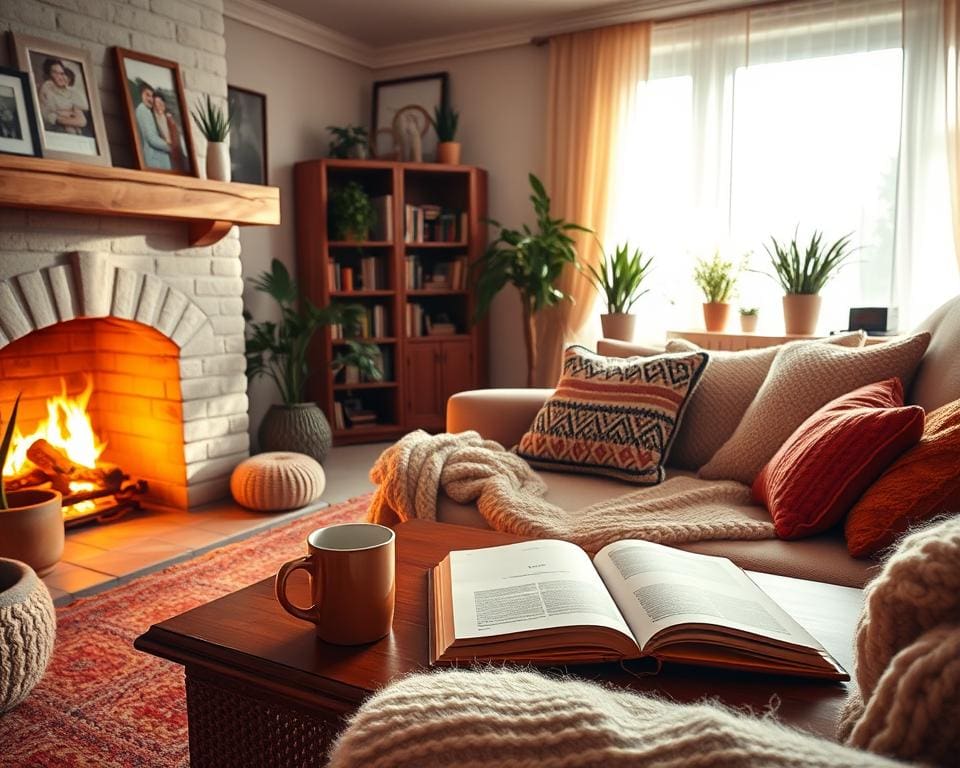
Transforming a house into a home often hinges on the personal touches and memories that illuminate our living spaces. By incorporating personal decor, such as framed family photographs, treasured souvenirs from travels, or handmade crafts, you bring forth the stories that define your journey. These sentimental items do more than just decorate; they imbue your surroundings with warmth and familiarity, allowing guests to glimpse the narrative of your life.
The psychological benefits of surrounding yourself with cherished home memories cannot be overstated. Each time you pass by a beloved piece of art or a unique object from your travels, you are reminded of joyous moments and loved ones. These personalised living spaces foster a sense of belonging and comfort, encouraging tranquillity in your daily life.
To integrate these elements seamlessly into your home design, consider creating designated areas for displaying your sentimental items. Whether it’s a dedicated gallery wall for photos or a thoughtfully arranged shelf for keepsakes, aim to create vignettes that reflect your personality and experiences. In doing so, you invite warmth and authenticity into your home, making it a sanctuary that truly resonates with who you are.