Renovating to increase home value is about more than cosmetic fixes. This guide gives practical, inspirational advice for UK homeowners who want to boost house price while keeping an eye on return on investment. We focus on a strategic mix of aesthetics, functionality and measurable benefits to improve home renovation value.
Current market drivers in the UK shape which projects deliver the strongest gains. Buyers now prioritise energy efficiency, modern kitchens and bathrooms, flexible living space and usable outdoor areas. Regional differences matter: upgrades that add value in London and the South East may differ from those with the best returns in northern regions.
Not all work adds equal value. The core principle is to choose renovations that appeal to the largest pool of buyers, lower perceived risk through sound maintenance, and provide tangible benefits such as reduced running costs or extra usable space. Thoughtful renovation to add value targets these outcomes.
What follows is an actionable structure covering the most valuable projects, how to plan for maximum ROI, presentation and kerb appeal, plus timing and permit issues specific to the UK. Adopt an inspirational yet pragmatic approach: combine smart investing with quality design to increase property value UK and truly boost house price.
Key renovation projects to increase home value renovation
Smart updates change how buyers see a property. Focus on work that balances cost with appeal and keeps long-term resale in mind. The projects below target common priorities and help you judge which value-adding home improvements suit your budget and market.
Kitchen remodelling that appeals to buyers
Kitchens often shape a buyer’s first impression. A neat layout, durable surfaces and reliable appliances signal quality and lifestyle. Small cosmetic fixes such as painting, new handles or a splashback can boost kitchen renovation ROI UK without a full refit.
For higher-tier buyers, consider replacing worn cabinets or refacing them and fitting quartz or granite worktops. Integrated appliances from Bosch, Neff or Beko and energy-efficient ovens and hobs add credibility. Good task lighting, mixer taps and clever storage like pull-out larders lift perceived value.
Bathroom upgrades for modern comfort and resale
Bathrooms matter because they speak to hygiene and comfort. Replacing an aged suite with contemporary white sanitaryware and adding a thermostatic shower or mains-pressure unit refreshes the space.
Simple measures—new grout, a heated towel rail and improved ventilation—can improve bathroom remodel value. For homes with older or multi-generational buyers, a ground-floor cloakroom or wet room shows practical flexibility.
Energy-efficient improvements that add market appeal
Energy performance has grown in importance for UK buyers. Measures that lower bills and improve an EPC attract attention during viewings and may ease mortgage or lending checks.
High-impact options include loft and cavity wall insulation, double or triple glazing and fitting an A-rated combi boiler. Smart thermostats such as Nest or Hive and renewable steps like solar PV offer strong selling points when supported by documentation. Thoughtful energy-efficient home improvements UK can future-proof a property and make it stand out.
Open-plan and living-space optimisation
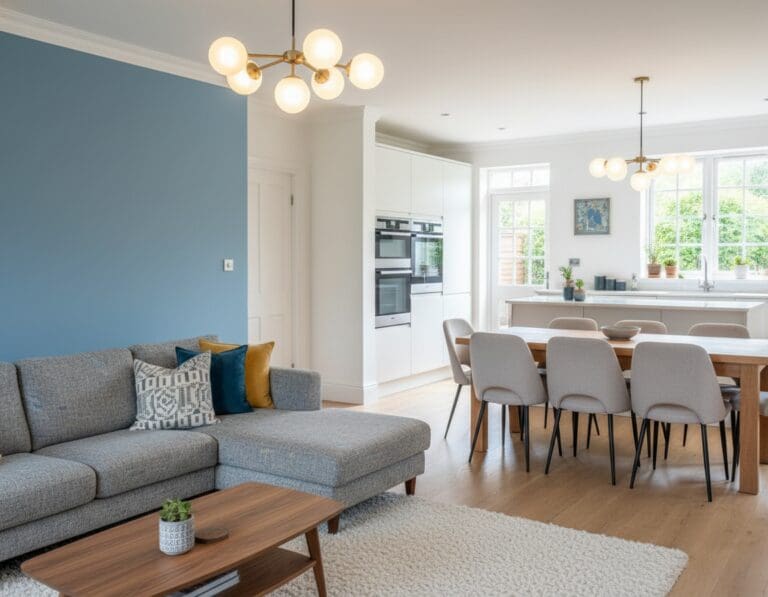
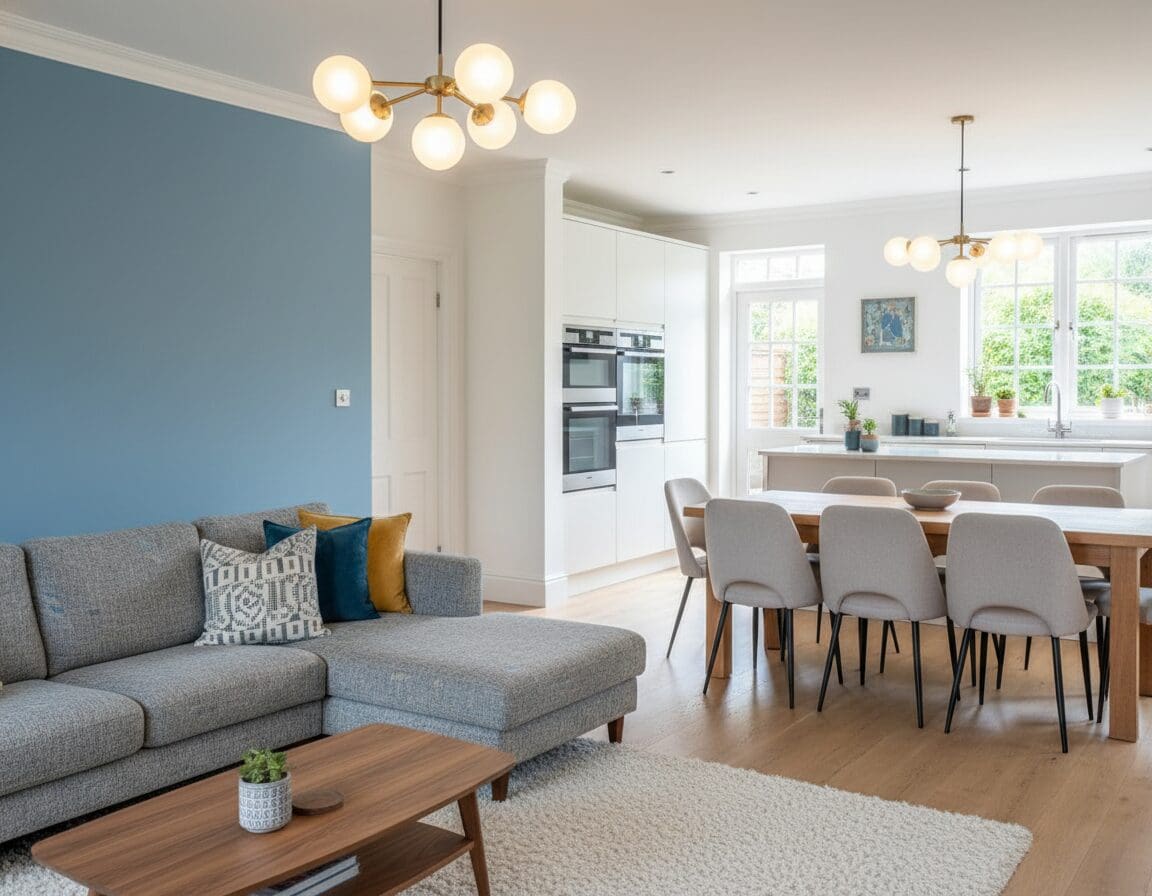
Open, light-filled spaces meet modern living and working needs. Knocking through non-structural partitions or adding rooflights expands usable space and raises open-plan conversion value.
Keep distinct zones for cooking, dining and relaxing so function remains clear. When structural changes are needed, hire a structural engineer and comply with Building Regulations. Converting underused rooms into home offices or family areas often counts as one of the most effective value-adding home improvements.
How to plan renovations for maximum return on investment
Begin with a clear plan that ties renovation goals to likely resale gains. Use renovation ROI planning to decide which jobs earn the best uplift. Keep plans simple, set a timetable and allow a contingency of 10–20% for unexpected costs.
Setting a realistic budget and prioritising projects
Start by estimating a budget for renovation UK that includes VAT, labour and materials. Prioritise structural and safety fixes first, then kitchens, bathrooms and energy efficiency. Finish with cosmetic touches that polish the result.
Consult Royal Institution of Chartered Surveyors reports and Nationwide data to check cost-to-value benchmarks. This avoids overcapitalisation on high-end fittings that local buyers may not reward.
Consider financing from savings, remortgaging or personal loans. Compare interest and payback times. Government schemes for energy works may reduce upfront costs and improve long-term returns.
Researching local market trends and buyer preferences
Analyse sold prices and current listings to match upgrades to demand. Look at local housing market trends UK to see which features command premiums in your neighbourhood.
Talk to local estate agents for tailored insight on buyer priorities. Use Zoopla, Rightmove and GOV.UK housing statistics to build a clear picture of what buyers want.
Factor demographics into decisions. Young professionals may favour transport links and home-office space, families seek gardens and schools, while downsizers want low-maintenance layouts.
Choosing quality materials and trustworthy contractors
Pick durable, low-maintenance materials that look premium without excessive cost. Engineered timber, porcelain tiles and respected appliance brands signal value to buyers.
Vet trades carefully before you hire. Look for Gas Safe, NICEIC, TrustMark and Federation of Master Builders membership. Ask for references, view past work and obtain multiple quotes.
Insist on fixed-price quotes where possible, clear timelines and phased payments tied to milestones. Keep all certificates for electrical and gas works; these boost buyer confidence at sale.
Practical project management tips
Plan disruptive work outside busy periods and maintain clear communication with your contractor. Keep detailed records and receipts to show prospective buyers the work was completed professionally.
Use renovation prioritisation to sequence jobs that maximise value and minimise living disruption. This approach helps you hire reliable contractors UK who stick to budgets and timelines.
Staging, kerb appeal and finishing touches that boost perceived value
First impressions set the tone for a viewing. Tidy paths, fresh render and a neat front garden invite interest and support kerb appeal UK. Simple, low-cost moves can make a property feel cared for and desirable.
Exterior upgrades start with a clear plan. Pressure-wash paving, trim hedges and add potted plants for instant lift. Repainting the front door, fitting modern house numbers and a quality porch light create a welcoming entrance.
Consider small structural fixes next. Mend loose tiles, clear gutters and repair masonry where visible. Where space allows, lay a modest deck or tidy a rear terrace to hint at outdoor living and add value.
Inside, staging to sell relies on space and light. Remove excess furniture, store personal photographs and show how rooms flow. Choose soft greys or warm beiges to create a neutral canvas that helps buyers imagine living there.
Maximise natural light with voile curtains and a well-placed mirror. Check bulbs are warm-white and bright enough. For high-end listings, hiring a professional for a short staging period can speed up offers and present a polished look.
Small renovations big impact often come from fittings and finishes. Replace dated door handles, sockets and switches with brushed-brass or chrome. Refinish floors or fit engineered oak to give a modern, durable feel.
Think about lighting layers. Ambient, task and accent lights add depth to a room. Dimmers in living areas and a statement pendant in the hall create atmosphere and suggest quality workmanship.
- Keep a file of recent works with warranties and receipts to show prospective buyers.
- Use neutral carpets in bedrooms and quality vinyl in utility spaces for low maintenance.
- Repair fences and gates and plant evergreens for year-round interest in the front garden improvements UK.
Use these home staging tips to highlight strengths and hide minor flaws. Clear, calm styling and targeted small upgrades big impact will make viewings feel effortless and memorable.
Timing, permits and practical considerations for UK homeowners
Plan renovation timing UK with the market in mind: aim to finish major works before spring or early summer when buyer activity rises. Factor in lead times for kitchens, windows and specialist fittings, and build buffer weeks for weather delays on external jobs. Phasing work helps keep a usable kitchen and bathroom, or allows short-term accommodation for larger projects.
Check planning permission UK rules early, especially in conservation areas or for listed buildings, and confirm whether your proposal sits within Permitted Development. Many structural changes, new windows, replacement boilers and significant electrical work must meet Building Regulations and need certified tradespeople; obtain completion certificates from Gas Safe-registered engineers and registered electricians where applicable.
Address party wall issues if the work affects an adjoining property by following the Party Wall etc. Act 1996, serving notices and appointing surveyors if needed. Also verify Tree Preservation Orders and local conservation constraints that may limit materials, fenestration or external alterations before ordering supplies or locking in renovation timing UK.
Keep a clear dossier of renovation permits UK, Building Regulations certificates, appliance warranties and contractor guarantees to present at sale. Inform your insurer of major works, confirm contractors’ public liability cover and consider latent defect warranties. Finish with a snagging check, ensure utilities work and arrange professional photography to show the property at its best—small practical steps that protect value and persuade buyers.