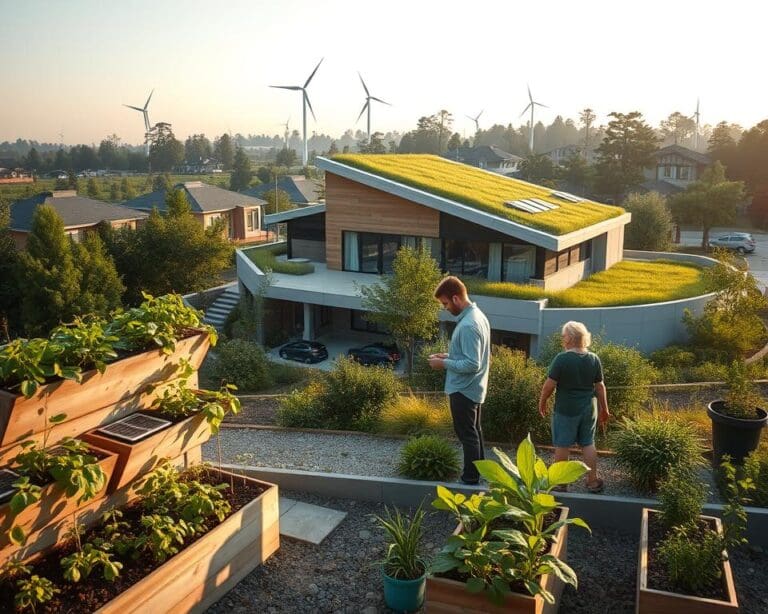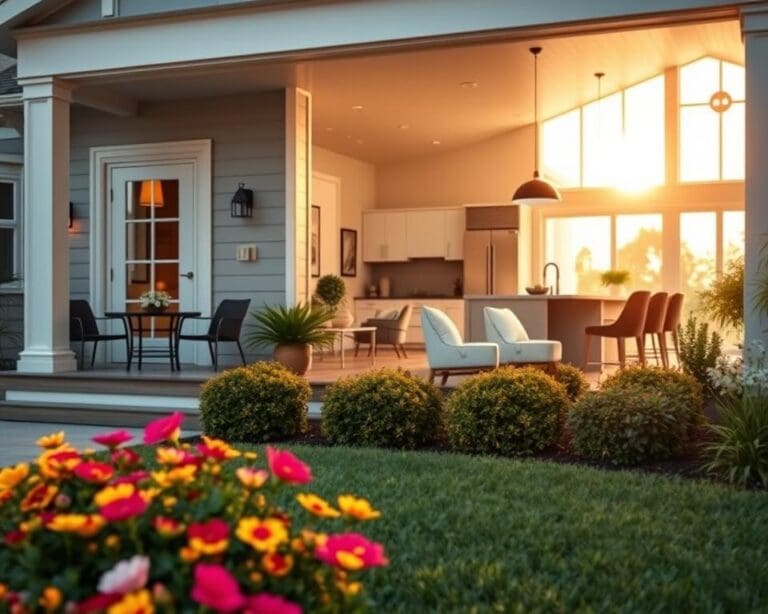
Renovating with a purpose can raise equity, shorten days on market, and attract stronger offers. This guide explains how to increase your home’s value through renovations by focusing on projects that deliver solid home renovation ROI and real appeal to buyers.
Rising mortgage rates and tight housing markets mean smart choices beat cosmetic overhauls. Buyers now prize energy efficiency, flexible layouts, and smart plumbing and appliances from trusted names like Whirlpool, Kohler, and Andersen. Those trends shift where remodeling to increase resale value pays off most.
Most homeowners have clear goals: maximize return on investment, boost property value, and improve day-to-day comfort. This article will evaluate ROI benchmarks from Remodeling magazine’s Cost vs. Value report and NAR trends, weigh local market priorities, and offer budgeting and financing tips grounded in U.S. Department of Energy guidance.
Renovating is both a financial move and a quality-of-life choice. Even modest, well-targeted upgrades—new windows, efficient water fixtures, or a modern kitchen appliance package—can meaningfully increase home value and make daily life better.
How can you increase your home’s value through renovations?
Renovations can boost resale appeal and daily comfort when planned around measurable returns. Use reliable data and local insight to set realistic expectations for renovation ROI and to weigh cost vs value for each project.
Understanding return on investment for common projects
Start with remodeling reports and recent comps to estimate recapture rates for work like minor kitchen updates, midrange bathroom remodels, window replacement, siding, and deck additions. A midrange bath or a minor kitchen refresh often yields high resale recapture compared to a full gourmet kitchen.
Account for non-monetary gains. ENERGY STAR windows or a new HVAC unit lower utility bills and make the home more attractive. Appraisers compare upgrades to neighborhood standards, so spending far beyond local comps reduces marginal gains.
Prioritizing renovations by neighborhood and market trends in the United States
Align projects with local market renovation priorities. In entry-level areas, focus on core systems, clean kitchens, and baths. In mid- and upper-tier neighborhoods, buyers expect premium finishes, open layouts, and smart or energy-efficient systems.
Check national and regional NAR trends when you prioritize home upgrades. Features like home offices, outdoor living, and energy efficiency show broad demand. Tailor materials and style to neighborhood architecture to preserve character and support appraisals.
Budgeting smart: balancing cost, financing, and expected value lift
Create a ranked list of projects with estimated costs, expected recapture, and contingency funds of 10–20%. Use contractor estimates and pricing from Home Depot or Lowe’s to refine your home renovation budget.
Explore financing home improvements through cash, HELOCs, home equity loans, FHA 203(k) products, or contractor offers. Compare interest rates, tax implications, and monthly cash flow to choose the best path. Consider phasing work to spread cost and match market timing.
Track value lift after completion with a comparative market analysis from a local real estate agent or an updated appraisal when refinancing or selling. That follow-up helps measure renovation ROI and improves decisions on future projects.
High-impact interior upgrades that resonate with buyers
Smart interior upgrades can lift appeal and value without overspending. Start with a clear plan, a realistic budget, and advice from licensed contractors. Targeted renovations tend to convert into measurable home renovation value in the U.S. when they match local buyer priorities.
Kitchen renovations that maximize appeal and resale value
Focus on a minor to midrange kitchen remodel that improves function and style. Reface cabinets or choose semi-custom options, add quartz or other durable countertops, update hardware, and fit energy-efficient stainless-steel appliances from Whirlpool, GE, or Samsung. Improve workflow with the kitchen triangle, add pull-out storage, and install layered lighting for task and ambient needs.
Neutral finishes and timeless materials attract the widest buyer pool. An eat-in island or breakfast bar can boost usable space without a large addition. These moves help improve kitchen remodel ROI while keeping the project cost-effective.
Bathroom remodels: where to splurge and where to save
High-ROI bathroom updates replace worn tile, modernize vanities and fixtures from Kohler or Delta, add efficient ventilation, and install low-flow toilets. Spend on durable surfaces and a quality shower or tub enclosure. Save on paint, accessories, and other low-cost cosmetic touches that still make a strong impression.
Check plumbing and ventilation before cosmetic work to avoid costly surprises. If local comps favor dual vanities in the master bath, consider converting a single sink to improve bathroom remodel return.
Open floor plans and light: structural and cosmetic strategies
Open layouts remain in demand. Removing non-load-bearing walls to connect kitchen and living areas often increases appeal. For load-bearing changes, consult a structural engineer and budget for proper beam supports or engineered lumber.
Maximize natural light by enlarging windows with Andersen or Pella units, adding transoms, or installing skylights. When structure changes are not feasible, create the feel of openness with consistent flooring, larger interior openings, and light-reflective finishes. Better sightlines and smoother traffic flow make homes more attractive to families and entertainers.
Energy-efficient improvements that buyers value
Energy-efficient home upgrades can reduce bills and broaden buyer interest. Install a high-efficiency HVAC from Carrier or Trane, add attic insulation, replace windows with ENERGY STAR-rated models, and consider a tankless or heat pump water heater. Smart thermostats like Nest or Ecobee and LED lighting are cost-effective enhancements.
Document estimated annual savings, show certifications or energy audits, and work with certified contractors to validate claims. Presenting clear evidence helps buyers understand why buyers want energy efficiency and can increase market appeal.
For a practical guide to prioritizing work that meets current standards and buyer expectations, see how to increase property value through.
Exterior and curb appeal improvements to boost perceived value
The exterior sets the tone for every showing, and targeted curb appeal upgrades can speed a sale and lift offers with modest spend. Start with new entry doors: a solid-core door with updated hardware and weatherstripping improves perceived security, adds style, and can reduce energy costs. A fresh, well-proportioned entry becomes a focal point in photos and on the street.
Siding repair or replacement often shows strong siding replacement ROI when done with midrange materials. Fiber cement from James Hardie or high-quality vinyl can refresh a facade without overcapitalizing. Roof repairs or replacements using trusted manufacturers such as GAF or CertainTeed protect value and support appraisal outcomes—be sure to keep visible warranty documentation for buyers.
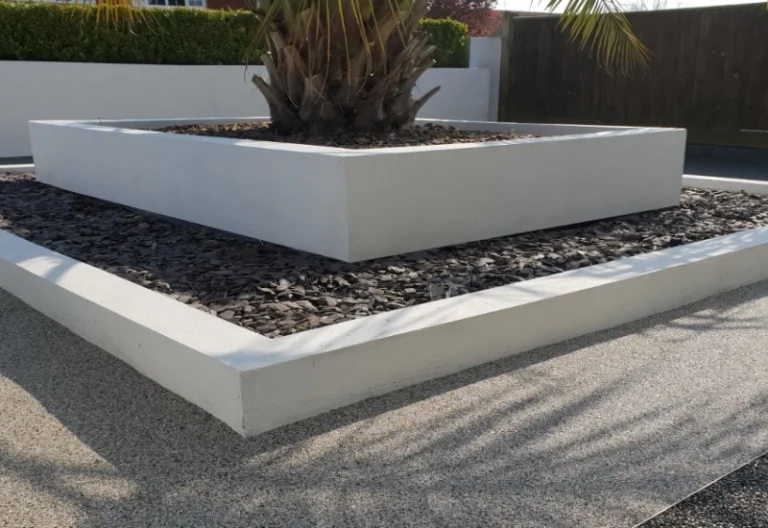
Landscaping to increase home value focuses on low-maintenance impact: professional pruning, defined walkways, fresh mulch, and native plantings reduce perceived upkeep and welcome buyers. Garage door replacement ranks high for exterior renovation ROI; an insulated, modern door improves curb appeal and energy performance while complementing composite decking from Trex or TimberTech when you add outdoor living space.
Keep practicalities front and center: follow local codes and HOA rules, secure permits, and keep before-and-after photos, invoices, and warranties in the listing packet. Time these projects for spring and summer when landscaping and outdoor spaces show best. Present upgrades as durable, broadly appealing choices to attract the widest pool of buyers and justify a stronger asking price.