
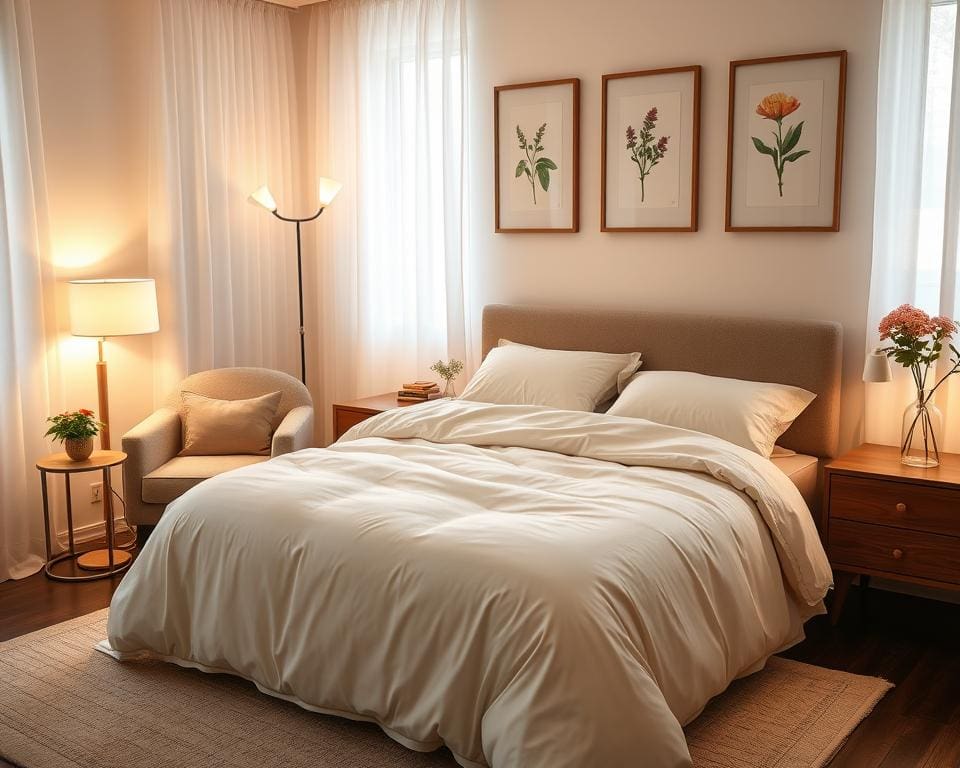
Creating a restful bedroom is essential for cultivating a calm sleeping space that fosters relaxation and rejuvenation. A well-designed serene sanctuary not only enhances sleep quality but also plays a crucial role in improving mental well-being. By considering elements such as colour schemes, lighting, decluttering, textiles, and the incorporation of nature into your bedroom, you can transform your space into an oasis of tranquillity. To explore timeless styles that contribute to a calming atmosphere, discover more here.
Importance of a Restful Bedroom Environment
A restful bedroom environment plays a crucial role in enhancing sleep quality and maintaining good mental health. Transforming your space into a sanctuary can significantly contribute to better sleep hygiene. A serene atmosphere encourages relaxation, allowing your mind and body to unwind after a long day.
Effects on Sleep Quality
Studies illustrate that a calming bedroom environment fosters deeper and more restorative sleep. Elements such as comfortable bedding, soothing colours, and minimal distractions help create an ideal setting. Such a restful environment enables individuals to transition more rapidly into sleep, thus improving overall sleep quality and allowing for uninterrupted cycles, including important REM stages.
Connection Between Mental Health and Rest
The link between sleep quality and mental health cannot be overstated. Insufficient or poor-quality sleep can lead to mood disturbances and cognitive impairments. When prioritising a peaceful sleeping area, individuals often experience enhanced emotional well-being and resilience. Implementing effective sleep hygiene practices, such as establishing a bedtime routine and minimising electronic device usage, is essential for achieving this. For detailed tips on planning a stress-free morning, consider checking out this resource. Creating a environment that prioritises relaxation ultimately sets the foundation for improved mental health.
Colour Schemes for Serenity
Creating a restful bedroom space often hinges on the choice of colours. Calming colours play a vital role in establishing a serene atmosphere where relaxation takes precedence. By exploring the principles of colour psychology, one can harness the abilities of soft blues, greens, and muted neutrals to enhance tranquillity.
Choosing Soothing Colours
Soft hues significantly impact mood and ambience. Cool shades, like light blue or gentle greens, evoke feelings of peace, making them perfect for unwinding at the end of a long day. Pastel tones, with their subtle elegance, amplify natural light, creating an airy feel that contributes to the overall calming effect. Incorporating natural earthy tones such as ochre, olive, and terracotta can minimise stress while enhancing the bedroom’s peaceful environment. For deeper insights into how colour influences your space, consider the psychological effects of various colour choices.
Paint vs. Wallpaper: What’s Best?
When deciding between paint choices and wallpaper options, consider practical aspects as well as aesthetic values. Paint tends to be easier to apply and maintain, allowing for simple touch-ups and frequent updates. Wallpaper, while initially more complex to install, offers unique patterns and textures that can enhance visual interest. Both mediums can reflect soothing palettes, so selecting the best option often comes down to personal taste and design goals.
Optimising Lighting for Calmness
Lighting design significantly influences the atmosphere of your bedroom. Striking a balance between natural light and artificial sources can enhance the sense of calmness and restfulness in the space. By utilising effective window treatments and considering room layout, one can maximise natural light during the day while recognising the necessary role of artificial light during darker hours.
Natural Light vs. Artificial Light
Natural light plays a pivotal role in setting a tranquil mood. Large windows, skylights, or light-coloured interiors can invite in sunlight, instantly brightening the area. Positioning mirrors to reflect light can further amplify this effect. While soaking up the sun’s rays is ideal, artificial light is essential for versatility. Dimmable lights allow for transitions between bright task lighting and soft ambient lighting, ensuring a peaceful setting any time of day.
Types of Lighting to Consider
When considering lighting options, it helps to incorporate a mix of styles to create the desired ambience. Key types of lighting include:
- Ambient lighting: This serves as the overall light source, providing a gentle glow that sets a soothing tone.
- Task lighting: Focused lights, such as bedside lamps, aid in activities like reading without overwhelming the senses.
- Accent lighting: These lights highlight particular features in the room, adding depth and visual interest without disrupting relaxation.
Choosing soft LED bulbs can enhance the warmth of ambient lighting, promoting a serene environment. Combining these various elements ensures that your bedroom not only looks inviting but also supports a restful atmosphere.
How can you make your bedroom more restful and calm?
Creating a restful bedroom environment involves more than soft colours and calming lighting. Decluttering plays a pivotal role in enhancing mental clarity and establishing a space that resonates with tranquillity. An organised bedroom promotes peace of mind and helps one unwind after a hectic day.
Decluttering for a Clear Mind
To achieve a serene bedroom space, consider employing some effective organisation tips. Start by assessing your belongings and identifying items that no longer serve a purpose. Incorporate the “one in, one out” rule to prevent accumulation. This method fosters the principles of minimalism, ensuring that every piece adds value to your sanctuary.
Use storage solutions such as under-bed boxes or multifunctional furniture to optimise your space. This approach creates a clutter-free area, allowing for both comfort and style. Consider creating a dedicated space for everything which simplifies routines and enhances overall accessibility.
- Embrace soft hues like gentle greys and warm beiges to enhance calmness.
- Keep surfaces clear by regularly assessing your decorative items.
- Implement seasonal purges—evaluate your wardrobe and linens to maintain freshness.
Integrating natural elements can further elevate the ambience of your bedroom. For more insights on creating a minimalist haven and fostering mental clarity, explore this resource. A serene setting is not merely for aesthetics; it is an essential component of a restful slumber.
Accessorising with Textiles
Textiles play a pivotal role in transforming a bedroom into a serene retreat. Quality bedding and thoughtfully selected soft furnishings can not only enhance comfort factors but also bring forth an appealing aesthetic. The right bedding types combined with attractive fabrics add a luxurious feel, creating the perfect environment for restful sleep.
The Role of Bedding in Comfort
When it comes to bedding, selecting breathable fabrics such as cotton and linen is essential. These materials regulate temperature and provide a soft touch, crucial for a tranquil night’s sleep. Consider varied bedding types that suit your style and comfort needs. From duvet covers to fitted sheets, each element contributes to the overall comfort landscape of your bedroom.
Soft Furnishings and Their Impact
Soft furnishings, including cushions, throws, and rugs, not only amplify comfort factors but also elevate the room’s aesthetic appeal. The right textures and colour combinations can evoke feelings of calmness and warmth. Layering textiles effectively creates a cosy atmosphere, inviting you to unwind after a long day. Selecting complementary colours and varied textures enhances the visual interest, turning your bedroom into a stylish sanctuary.
Incorporating Nature into Your Space
Infusing your bedroom with nature elements transforms it into a serene retreat. The idea of biophilic design not only enhances visual appeal but also contributes to your overall well-being. By incorporating plants and natural materials, you create a space that speaks to tranquillity and calm.
Benefits of Indoor Plants
Indoor gardening fosters a soothing atmosphere that promotes relaxation. Plants such as peace lilies, snake plants, and succulents are exceptional choices due to their low maintenance requirements and air-purifying qualities. These plants not only enhance your interior but also introduce calming greenery that aids in reducing stress and improving mood.
Natural Elements in Decor
Integrating nature elements into your decor elevates the aesthetics of your bedroom. Utilising materials like wood, stone, and natural fibres creates a warm and inviting vibe. Incorporating these elements aligns with biophilic design principles, drawing inspiration from the outdoors to instill a sense of peace within your sanctuary. Aim for soothing decor that reflects the beauty of nature, enriching your personal space further.
Creating a Personal Sanctuary
Transforming your bedroom into a personal sanctuary space involves embracing personalisation that resonates with your individual style. Incorporating cherished photographs, artwork, or meaningful quotes can create a warm atmosphere, making your restful retreat a true reflection of who you are. These items not only serve as decoration but also cultivate a sense of calm and positivity, essential for relaxation and rejuvenation.
As you curate your sanctuary space, consider elements that speak to your comfort and aesthetic preferences. Soft furnishings, like plush cushions and warm throws, can enhance the tactile experience, inviting you to unwind. The key is to create a harmonious balance between functionality and style, ensuring your bedroom is not just a sleeping area but a restorative haven that meets your needs.
Ultimately, a well-designed bedroom should foster peace and serenity. By embracing personalisation and thoughtfully selecting decorations that align with your unique taste, you can craft a space that serves as a perfect sanctuary. For further inspiration on creating this restful retreat, explore ideas on how to integrate elements that balance well-being and beauty in your living environment, such as those outlined here.