
Making your home more energy efficient is both practical and urgent for households across the UK. With energy bills rising and national targets to reach net zero by 2050, simple changes can cut costs, lower carbon emissions and make living spaces warmer. This guide aims to inspire homeowners and renters with clear, cost-effective energy efficient home tips that deliver measurable results.
Many British houses—older terraces, semis and detached properties—lose most heat through the roof, walls and windows. Improving those elements alongside smarter heating and better appliances can shift an Energy Performance Certificate (EPC) from E or D towards C and above, boosting comfort and market value. Typical improvements, like loft insulation, often save hundreds of kWh a year, while draught-proofing and secondary glazing noticeably reduce heat loss in period homes.
Practical home energy savings include behavioural changes, low-cost fixes and larger fabric or system upgrades. Upgrading to A++ appliances and LED lighting reduces electricity use by a clear percentage, and combining measures produces the best outcome. Start with a home energy audit and check your EPC to identify priorities.
For next steps, consult trusted sources such as the Energy Saving Trust, your local authority schemes and MCS-registered installers for renewables. These resources help you access grants, get reliable quotes and plan a route to an eco-friendly home that cuts bills and improves comfort.
Practical energy efficient home tips for every household
Small changes around the house can cut bills and lower carbon footprints. This section shows low-cost energy efficiency moves, easy daily habits to save energy at home and guidance on when a bigger home improvement investment makes sense.
Low-cost improvements that make a big difference
Draught-proofing doors, letterboxes and windows with brushes and seals from B&Q, Screwfix or Wickes is cheap and quick to fit. You will often see payback within a year through lower heating use.
Top up loft insulation where it is under the recommended 270mm of mineral wool. Adding a jacket to your hot water cylinder and lagging exposed pipes cuts standby losses.
Swap worn thermostatic radiator valves for smart or programmable TRVs from Hive, Nest or Honeywell. Fit reflective radiator panels behind radiators on external walls to bounce heat back into rooms.
Smart habits to reduce daily energy use
Turn the central heating down by 1°C to save roughly 8% of heating energy. Set schedules so you heat rooms only when needed and avoid warming empty spaces.
Run washing machines and dishwashers on eco cycles at 30°C and fill them before use. Replace incandescent and CFL bulbs with LED lamps from Philips or Osram to use up to 90% less energy.
Boil only the water you need, cover pans when cooking and dry clothes outdoors when weather allows. Use smart plugs or switched-off sockets to stop phantom loads and install an in-home energy monitor from British Gas or Owl to track usage.
When to invest in more significant upgrades
Prioritise insulating the building fabric—loft, walls and floors—before replacing heating systems. Improving the fabric yields the biggest long-term saving per pound of home improvement investment.
Assess payback periods and check for UK grants or schemes before major work. Owners have more scope to invest, while renters should focus on reversible, low-cost energy saving habits UK tenants can adopt and ask landlords about larger upgrades.
For major retrofit work choose accredited installers with TrustMark or PAS 2035 credentials and obtain several quotes. Professional advice helps weigh costs against likely reductions in household bills and will reduce household energy use more reliably over time.
Improving insulation and reducing heat loss
Good insulation transforms a chilly house into a comfortable, low-cost home. Thoughtful upgrades cut energy bills and raise comfort. This section looks at practical choices for lofts, walls and window or door improvements that suit homes across the UK.
Loft and roof insulation: materials and installation options
Lofts are one of the easiest places to save heat. Popular loft insulation options include mineral wool, sheep’s wool, recycled cotton and rigid PIR boards. UK guidance suggests around 270mm of mineral wool for typical lofts to meet current standards.
DIY fits work for simple, accessible lofts without wiring or pipework. Professional installers are best where loft rooms are being converted or where services run through the space. Insulating hatch covers and adding safe boarding preserves storage while keeping heat in.
Wall insulation: cavity filling and solid wall solutions
Cavity wall insulation can be quick and cost-effective where a cavity exists. Injected mineral wool, EPS beads or foam are common materials. A pre-install survey is important to check for previous fills or moisture risks.
Solid wall insulation comes in two main forms: internal and external. Internal systems use insulated plasterboard or stud frames with mineral wool. External systems use insulated render or cladding to preserve internal space and give continuous thermal performance. External works can be more costly and may need planning consent in conservation areas.
Floor insulation for suspended timber or solid floors adds another layer of protection against cold and draughts. Use TrustMark-registered installers for major works and check Building Regulations for ventilation and moisture control.
Window and door upgrades: double glazing, draught-proofing and secondary glazing
Replacing single glazing with modern sealed units delivers clear double glazing benefits. Low-E coatings and argon fills improve U-values and cut heat loss. Triple glazing gives extra performance for very cold sites or noisy streets, though costs rise.
Secondary glazing offers a sympathetic alternative for listed buildings or households that wish to keep original frames. It reduces heat loss and external noise while being more affordable than full replacement.
Simple draught-proofing doors and windows with brush seals, threshold plates and letterbox covers stops cold air from entering. Upgrading external doors to energy-rated models and fitting good seals yields long-term savings and comfort.
Heating, ventilation and renewable systems
Upgrading heating and ventilation gives homes comfort and cuts energy bills. Thoughtful choices around controls, renewables and fresh-air systems can lower demand while keeping rooms warm and dry. Small steps, like better timers, pair well with larger investments such as heat pumps.
Efficient thermostats, zoning and smart heating
Set central thermostats and programmers to match your routine. Brands such as Honeywell and British Gas stress that accurate schedules stop overheating and waste. Adding radiator thermostatic valves creates zones so you heat living areas only when needed.
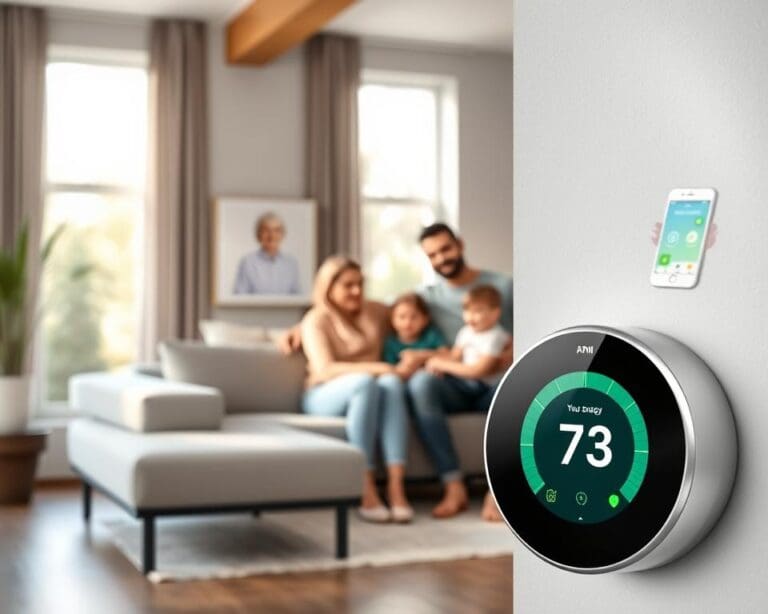
Smart heating systems from Google Nest or Hive let you adjust remotely and learn patterns. These systems can be set to favour renewable generation at peak solar times, cutting dependence on grid electricity. Commissioning and annual checks keep the controls operating as intended.
Heat pumps and alternatives to gas boilers
Air-source heat pumps are the common retrofit option. They pull ambient heat and work best in well-insulated homes. Ground-source heat pumps suit larger plots, offering higher efficiency at greater upfront cost.
Hybrid systems combine a heat pump with a condensing boiler for flexibility. Rural properties may consider biomass boilers when fuel supply is secure. For any route, choose MCS-certified installers and get heat loss calculations to size systems correctly.
Check current incentives such as the Boiler Upgrade Scheme for support on heat pump installation UK. Grants and local schemes change, so confirm eligibility before committing.
Ventilation strategies: MVHR and preventing damp
Mechanical Ventilation with Heat Recovery supplies fresh air while recycling warmth. MVHR ventilation suits tight, retrofit homes by reducing heating demand without compromising air quality. Regular filter cleaning and duct checks maintain performance.
Where MVHR is not suitable, ensure kitchens and bathrooms have effective extract fans and consider trickle vents. Good ventilation, repaired guttering and sound insulation help prevent damp UK and cut condensation risk.
Simple maintenance, timely repairs and balanced systems make renewable heating and ventilation deliver long-term comfort and resilience for UK homes.
Energy-efficient appliances, lighting and renewable energy
Choosing energy-efficient appliances UK buyers trust is one of the fastest ways to cut domestic energy use. Check appliance energy labels when replacing white goods; the new A–G scale makes comparisons straightforward. Prioritise refrigeration and washing machines older than ten years, and consider induction hobs for cooking to reduce draw compared with older electric models.
Small changes add up. Reduce standby losses with smart plugs or switched multi-socket strips to isolate TVs, set-top boxes and chargers. Look for high-rated dishwashers and freezers to lower annual consumption. Using appliance energy labels helps you balance upfront cost against lifetime savings.
Upgrade lighting to LED lighting from reputable brands such as Philips or Osram to cut lighting bills and maintenance. Choose 2700–3000K for warm living spaces and fit dimmable bulbs where you want mood control. Add motion sensors in hallways and timers in lofts or cupboards to avoid lights left on.
For renewable options, rooftop solar panels UK installations can supply daytime demand and reduce imports from the grid; couple panels with home battery storage like Tesla Powerwall or Sonnen to save excess generation for evening use. Fit an OLEV-approved smart charger for EV charging home to schedule charging when panels are producing or when tariffs are cheapest. Use accredited installers (MCS, NICEIC, TrustMark) and secure warranties to protect performance. Begin with a home energy audit, prioritise low-cost measures, and combine fabric, heating and renewables for the best long-term return.