This guide aims to help homeowners across the UK who want to modernise heritage property with care and flair. It explains practical steps to update older house types — from Victorian terraces and Edwardian villas to interwar and post‑war homes — whether you plan a full renovation or a sequence of smaller, targeted improvements.
We outline the key issues you will meet: checking structural soundness and damp, preserving important period features, improving energy performance and insulation, and navigating planning or listed‑building requirements. Budgeting and phased works are covered, as well as how to choose reputable professionals for each stage of UK home modernisation.
Think of modernisation as extending the life and value of a historic home rather than erasing its character. The right contemporary upgrades for old houses can bring better light and flow, lower running costs, and more comfort while retaining original charm. Successful projects marry new technology and materials with traditional craftsmanship.
To start, arrange a basic structural and damp survey and an energy check such as an EPC overview. If your property is listed or in a conservation area, contact your local authority conservation officer early. These low‑cost steps help you decide whether to renovate period home elements or focus on less invasive updates first.
Be realistic about time and cost: cosmetic refreshes can be swift and affordable, but major repairs, insulation upgrades and consented works need more time and money. Plan in phases to spread expenditure and reduce disruption, and your efforts to modernise a heritage property will pay off in comfort, efficiency and lasting appeal.
How can you modernize an older home?
Modernising an older home begins with careful assessment and a clear plan. Start by spotting urgent issues such as roof leaks, rising damp and unstable timbers. A gentle, phased approach protects character while improving comfort and efficiency.
Assessing the property: what to look for before you start
Check walls, floors and roofs for signs of rising damp, penetrating damp, timber decay and subsidence. Cracked plaster and failed damp-proof courses are common in older UK homes.
Commission a chartered structural engineer or an RICS surveyor for major defects. If moisture or rot is suspected, arrange focused damp and timber surveys before works begin.
Diagnose problems precisely so remedies fit the construction. Typical fixes include improved drainage, roof and gutter repairs, and targeted timber treatment or replacement using durable softwoods or hardwoods.
Setting priorities: balancing character and modern needs
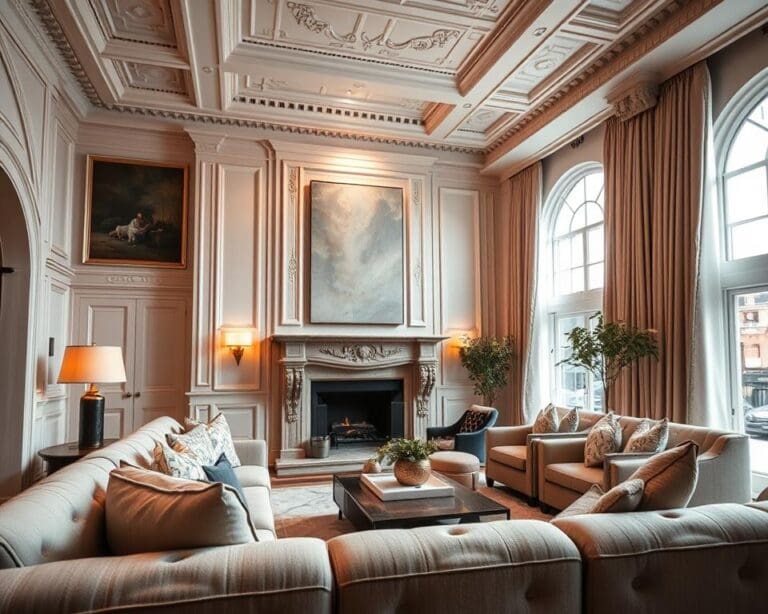
Decide which original elements to keep. Cornices, sash windows, fireplaces, exposed floorboards, panelling and leaded lights add value and identity to a property.
Where features are repairable, choose sympathetic repair over replacement. Skilled joiners can draught-proof and restore sash windows rather than swap them for modern units.
If replacement is unavoidable, match original profiles and use reclaimed materials where possible. This approach helps with preserving original features while delivering practical improvements.
Choosing the right professionals
Bring in an architect for listed buildings or a conservation architect when planning sensitive alterations. They can prepare heritage statements and advise on planning submissions.
Find builders experienced with period homes and check references, insurance and memberships such as the Federation of Master Builders. Local conservation officers can recommend tradespeople who understand traditional techniques.
- Address insulation gaps in older properties with breathable solutions: lime plaster, insulated lofts and insulated suspended floors.
- Avoid impermeable materials that trap moisture. Use sympathetic external or internal strategies depending on conservation rules.
- Engage early with the local authority about planning permission conservation area UK matters, listed-building consent and permitted development rights.
Prioritise urgent structural and damp work, then phase energy upgrades and interior refurbishments. Keep a contingency of at least 10–20% to cope with unexpected discoveries when renovating older homes.
Practical upgrades to modernise appearance and comfort
Refreshing a period property needs a light touch and bold choices. Start with simple works that celebrate original detail while bringing warmth and usability. Small changes can transform a room without erasing its character.
Interior transformations that refresh without losing character
Use breathable lime plaster for repairs to cornices and mouldings where masonry is historic. Avoid cement-based renders on older walls to prevent trapped moisture.
Choose muted heritage colours for Victorian rooms and softer palettes for Georgian spaces. Emphasise trims and joinery with high-quality eggshell finishes to preserve period charm.
Restore original woodwork rather than replace it where possible. Re-glue or scarf floorboards, repair architraves and reproduce mouldings to match existing profiles. Engage specialist joiners and consult English Heritage guidance for materials and methods.
Kitchen and bathroom modernisation ideas
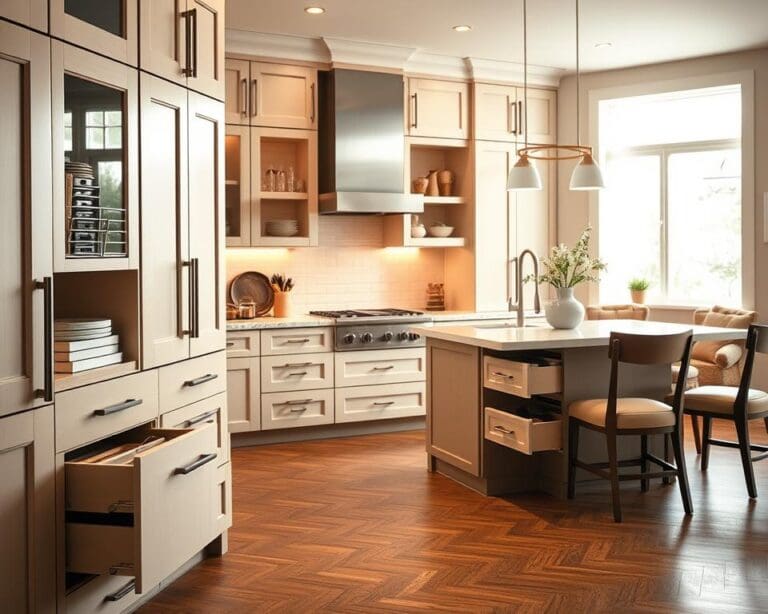
For a period kitchen design, balance shaker-style cabinetry with integrated appliances and quartz worktops for a tidy, functional layout. Keep fireplaces or original furniture as focal points and use freestanding pieces where you want a reversible solution.
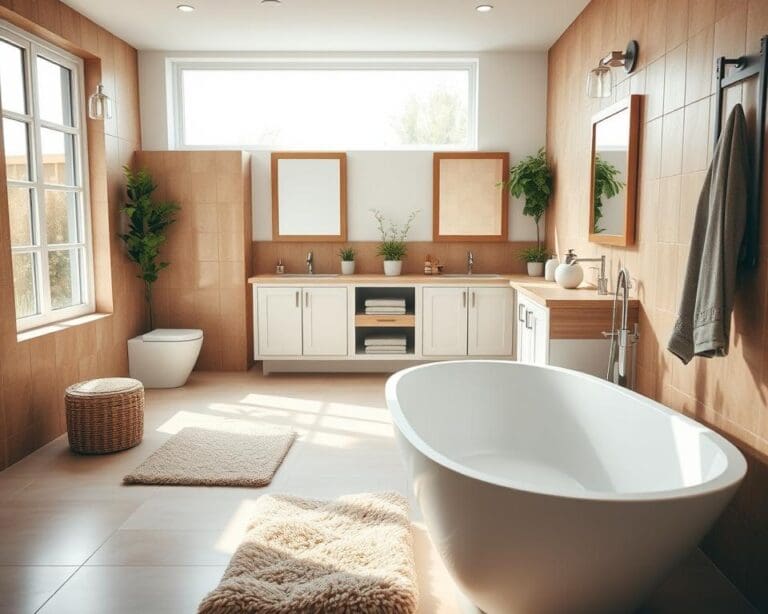
In bathrooms, plan layouts that respect room proportions. Consider wet-room solutions in tight spaces and slim-profile radiators to save space. Replace old pipes with modern copper or plastic systems while keeping disruption to a minimum.
Choose durable tiles and classic fixtures from reputable makers. Encaustic-style floor tiles or subway tiles work well. Brass or nickel hardware gives an authentic finish that lasts.
Improving energy efficiency and comfort
Insulate the loft with breathable materials such as mineral wool or sheep’s wool to improve comfort in a loft insulation older house project. Ensure eaves ventilation and consider cold-roof solutions where needed.
For windows, first attempt to restore woodwork sash window draught-proofing and repair sashes. If extra performance is needed, secondary glazing UK systems can raise thermal efficiency while preserving original frames.
Upgrade heating with a modern condensing boiler or consider underfloor heating in kitchens and bathrooms. Fit smart thermostats older homes to zone heating effectively. Brands such as Nest, Honeywell Evohome and Tado offer reliable controls that boost comfort and cut fuel use.
Smart technology and external improvements to future-proof the home
Discrete smart solutions can bring a period property into the present without harming its fabric. Use wireless sensors on Zigbee or Z‑Wave networks, battery smart locks with reversible fittings, and smart bulbs such as Philips Hue for flexible ambience. Heating controls from Tado, Hive or Nest with smart TRVs let you zone rooms without major pipework, keeping disruption to a minimum and easing the move to a smart home older house.
Low-impact networking and wiring are vital for a retrofit wiring historic building. Where new runs are unavoidable, use existing conduit routes or surface-mounted trunking painted to match decoration. Wireless mesh Wi‑Fi systems like Eero or Netgear Orbi reduce the need for heavy cabling, and schedule essential wiring during other works to avoid repeated disturbance. Always engage a NICEIC-qualified electrician experienced in period properties so work meets Part P building regulations.
Energy monitoring and solar-ready older homes planning improve resilience and cut running costs. Install energy monitors such as Sense or Hive to find savings, then assess roof orientation and structure for PV. Where planning or appearance restrict conventional panels, consider building-integrated PV tiles and battery storage to increase self-consumption. Regular roof repairs period property work — replacing slipped slates, renewing lead flashings and clearing gutters — protects installations and the fabric beneath.
Traditional materials and external care preserve value and character. Lime mortar repointing and breathable silicate paints avoid trapped moisture that cement mortars cause. Use craftspeople skilled in traditional roofing, chimney repair and limework, and favour sympathetic boundary treatments, permeable paving and wildlife-friendly planting. For listed building consent UK or grants for heritage homes, engage planning officers early, gather heritage statements and professional surveys, and focus on cost-effective improvements ROI such as insulation, heating controls and sensitive kitchen upgrades.