
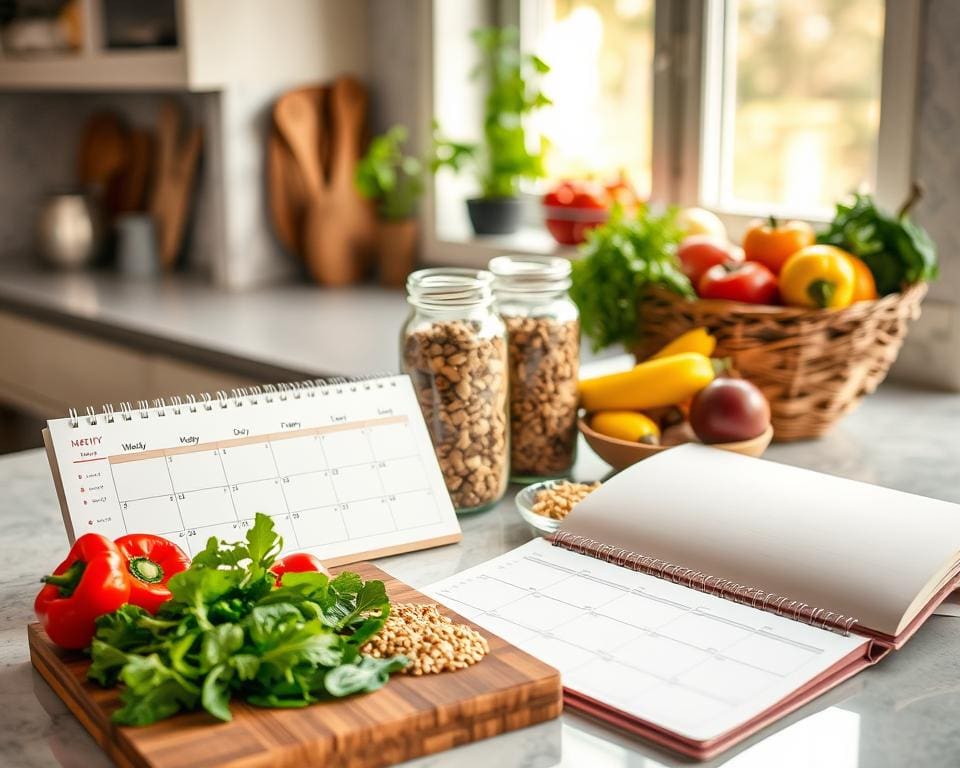
Planning healthy daily menus makes good eating feel simple, not stressful. For many in the UK, meal planning UK-style helps cut impulsive takeaways, save money and reduce food waste while keeping nutrition on track.
This guide is built on practical steps and NHS advice such as the Eatwell Guide and portion guidance. It shows how to plan healthy meals every day with balanced carbs, protein, healthy fats, fibre and vital vitamins and minerals.
Whether you are a busy professional, a family cook or living alone, daily meal planning can fit into a tight week. Small, realistic changes — not perfection — produce long-term benefits for health and weight management.
Across the article we will move from setting achievable goals and nutrition basics to useful kitchen kit, pantry staples, batch-cooking tips and sample menus. Along the way you will find tools and product suggestions suited to meal planning UK readers.
How can you plan healthy meals every day?
Planning healthy meals each day becomes simple when you set clear intentions and use small, repeatable systems. Start with short-term targets that fit your routine and budget. Keep the focus on steady improvement rather than perfection to make sustainable meal planning feel achievable.
Defining realistic, sustainable meal planning goals
Use SMART-style objectives to shape your path. Be specific about which meals you will plan, measure how many home-cooked meals you aim for weekly, choose an achievable start such as three dinners at home, and set a four-week trial period.
Prioritise consistency over perfect adherence. Aim for most meals to meet nutrition targets while allowing social flexibility. Small swaps add up: one extra vegetable per meal, wholegrains instead of refined, lean proteins more often.
Factor in time and money. Review progress each week and refine your meal planning goals so the plan stays realistic and motivating.
Balancing macronutrients and portion sizes for daily nutrition
Follow the NHS Eatwell Guide as a practical template for balance. Fill your plate with plenty of fruit and vegetables, wholegrain starchy foods, varied protein sources such as beans, fish and lean meat, plus modest amounts of dairy and oils.
Use visual portion cues at mealtimes: a palm-sized portion of protein, a fist-sized portion of starchy carbs, two cupped hands of vegetables and a thumb-sized serving of fats. These simple rules help control portion sizes without using scales.
Aim for a macronutrient balance that supports energy and fullness: moderate carbs focused on low-GI choices, 20–30 g of protein per meal, healthy fats from olive or rapeseed oil and oily fish, and 25–30 g of fibre a day. Adjust portions and snacks to match activity level and weight goals, and seek guidance from a registered dietitian for clinical needs.
Practical weekly meal templates to simplify daily decisions
Create a reusable grid with breakfasts, lunches, dinners and snacks plus swap options and leftover slots. Templates remove guesswork and cut shopping time.
Use theme nights to reduce decision fatigue, such as meat-free Monday or fish Friday. Batch-cook anchor ingredients like grains, roasted veg and cooked beans to mix-and-match through the week.
Include one easy meal and one treat each week to keep the plan enjoyable. Simple template ideas include porridge or overnight oats for breakfast, a grain salad for lunch and a vegetable-packed traybake for dinner, with a shopping list tied to your weekly meal templates.
Essential kitchen tools and products for easy meal prep
Small upgrades in kit make healthy eating feel effortless. Choose items that save time, reduce waste and encourage low-effort, nutritious meals. Below are practical recommendations to build a reliable prep station in any UK kitchen.
Must-have appliances for time-saving cooking
Start with appliances that cut active cooking time. An Instant Pot or pressure cooker shortens stewing and pulse cooking without losing nutrients. A slow cooker from Tefal or Crock-Pot delivers hands-off soups and casseroles for batch cooking.
An air fryer from Philips crisps vegetables and lean proteins using minimal oil, ideal for low-fat cooking tools. A good blender or food processor from Breville or Ninja makes smoothies, purees and pestos in minutes. Keep a reliable kettle and a set of digital timers to hit cooking windows precisely.
Top food storage containers and organisation products
Smart storage extends freshness and simplifies weekday lunches. Choose airtight glass containers such as Pyrex or Glasslock for reheating and oven-safe batch meals. Use BPA-free plastic tubs like Sistema and Lock & Lock for stackable lunches and freezer portions.
Vacuum-seal systems like FoodSaver cut freezer waste and keep bulk buys usable for longer. Invest in label makers, masking tape and a marker to date meals. Organise the pantry with IKEA or Lakeland clear bins and shelf risers to make meal choices visible.
Recommended cookware for healthy, low-fat cooking
Pick pans and tools that let you cook with less fat while keeping flavour. Non-stick pans with durable ceramic or reinforced coatings lower oil needs. Heavy-based stainless steel pans give even heat for browning on less fat.
Steamer baskets—metal, bamboo or electric—help preserve vitamins in vegetables and fish with no added oil. Oven trays and low-sided roasting tins suit traybakes that roast with minimal fat. A cast-iron skillet works for searing and oven finishes when well seasoned.
Finish your kit with sharp knives from Global or Victorinox and a sturdy chopping board to speed prep and improve safety. Pair these with the right meal prep appliances and storage containers UK shoppers trust to turn planning into simple daily habit.
Building a healthy pantry: staples and shoppping tips
Start by imagining a cupboard that feeds you through busy weeks and keeps costs low. A handful of reliable items lets you cook nutritious meals fast. Focus on nutritious long-lasting foods that form the backbone of varied recipes.
Long-lasting staples for nutritious meals
- Wholegrain rice such as brown basmati and wild rice blends, wholewheat pasta and oats make hearty bases for many dishes.
- Dried pulses — red lentils, chickpeas, kidney beans — offer cheap protein. Keep canned low-salt versions for quick meals.
- Canned tomatoes, passata, tuna in spring water and sardines add flavour and nutrients without fuss.
- Oils and condiments: extra virgin olive oil, rapeseed oil, apple cider vinegar, mustard and low-salt soy sauce help build healthy dressings.
- Frozen peas, spinach and mixed berries are nutritious long-lasting foods that reduce waste and save money.
- Refrigerated essentials include eggs, natural yoghurt or kefir and milk or fortified plant milks for calcium and vitamin D.
- Nuts, seeds and dried fruit provide snacks and texture; store in airtight containers to avoid rancidity.
How to read labels and choose healthier packaged products
- Use traffic-light labelling in UK supermarkets to spot lower reds for saturated fat, sugar and salt and higher greens for fibre.
- Scan ingredient lists: choose items with wholefoods listed first, such as wholegrain flour or oats, rather than sugar or hydrogenated fats.
- Compare per 100g figures with portion values so you do not underestimate calories, salt or sugar in real portions.
- Pick low-salt or reduced-sugar versions. Avoid low-fat items that replace fat with added sugar.
- Look for fortified products, such as plant milks with calcium and vitamin D, when they suit your diet.
Shopping strategies to save money and avoid waste
- Plan your shopping from the weekly menu and stick to a list to reduce impulse buys and waste.
- Buy non-perishables in bulk and portion them before freezing; this delivers savings and cuts packaging waste.
- Choose supermarket own-brand items for good quality at lower prices; compare unit prices to be sure.
- Shop seasonal UK produce for better value and flavour. Use frozen seasonal veg as an affordable alternative.
- Repurpose leftovers into soups, salads or wraps. Label and date containers to manage a use-by rotation and reduce food waste.
Practise how to read food labels UK while you shop to build confidence. Small choices add up over time, helping you keep healthy pantry staples, save money and reduce food waste without losing flavour.
Meal-plan templates and sample daily menus
Use these adaptable layouts to make mealtimes easier and more enjoyable. Below are practical templates you can copy, change and repeat across the week. They suit busy families, solo dwellers and those choosing plant-forward eating.
- Breakfasts: porridge topped with fruit and seeds, wholegrain toast with mashed avocado and a boiled egg, yoghurt with fruit and low-sugar granola.
- Lunches: wholegrain wraps filled with roasted vegetables and lean protein such as turkey, tuna or hummus; bento-style boxes with veg sticks, fruit and a yoghurt pot.
- Dinners: one-pot casseroles, pasta with vegetable-packed tomato sauce and lean mince or lentils, traybakes with salmon, potatoes and mixed veg.
- Snacks and puddings: fresh fruit, carrot sticks with hummus, homemade yoghurt smoothies; keep family favourites but tweak portions and ingredients for health.
- Batch tips: cook a double portion of grains and roast extra veg to mix into lunches and dinners across the week.
Single-person and busy-professional ideas
- Quick breakfasts: overnight oats, smoothies with yoghurt or protein powder, scrambled eggs on toast for a speedy start.
- Portable lunches: salad jars with dressing at the bottom, pre-cooked grains, roasted veg and a protein; microwavable one-pot meals stored in glass containers.
- Evening meals: 20–30 minute stir-fries with frozen veg and pre-cooked rice, air-fryer salmon with steamed greens, omelettes using leftover vegetables.
- Time savers: pre-chop veg, use canned or tinned pulses, try supermarket chilled roasted veg or protein packs sparingly to speed prep.
- Waste-cutting: freeze single portions and label with reheating instructions to keep food fresh and reduce throwaway meals.
Vegetarian and plant-forward daily menus
- Breakfast example: chia-seed pudding topped with mixed berries and toasted oats for fibre and texture.
- Lunch example: quinoa salad with roasted butternut squash, kale, toasted seeds and a lemon-tahini dressing for variety and crunch.
- Dinner example: chickpea and spinach curry served with brown rice or wholegrain naan; lentil Bolognese over wholewheat spaghetti as a hearty alternative.
- Protein variety: include tofu, tempeh, eggs, dairy, pulses, nuts and seeds; pair complementary proteins to boost quality.
- Fortified choices: use fortified plant milks and consider B12 supplements if following a strict vegan diet, per NHS guidance and advice from a registered dietitian.
For quick reference adapt these ideas into meal plan templates that match your household rhythm. Try printing UK sample menus or saving them on your phone to consult when shopping or batch-cooking. Use family meal ideas, single person meal plans and vegetarian daily menus across the month to keep choices fresh and manageable.
Time-saving batch cooking and freezing techniques
Batch cooking saves time and makes healthy eating simple. With a little planning you can cook once and eat well all week. These practical steps will help you build confidence with batch-cookable healthy recipes, avoid waste and keep every meal fresh and appealing.
Batch-cookable recipes that maintain nutrition
Choose bases that freeze well: vegetable, lentil or bean soups, tomato sauces, chilli con carne and lentil Bolognese hold flavour and nutrients after freezing. Roast trays of vegetables and oven-baked proteins such as chicken thighs remain versatile when added to salads, wraps and bowls.
Cook grains in bulk — brown rice, quinoa or barley — then portion them. Single-portion tubs help with portion control and stop you defrosting whole meals unnecessarily. Small changes to dressings and toppings make the same base feel new.
Safe freezing and reheating practices
Cool food quickly before freezing by dividing into shallow containers and chilling briefly. Follow Food Standards Agency guidance on cooling times to reduce bacterial risk. Label each container with contents and freeze date so you can manage stock and quality.
Defrost safely in the fridge overnight, in cold water for sealed bags, or use the microwave defrost setting. Avoid leaving food at room temperature for more than two hours. When reheating frozen food, aim for piping hot throughout — 75°C is the safe target — and stir to remove cold spots. Reheat only the portion you will eat and never refreeze fully defrosted and reheated food.
How to rotate ready meals to keep variety
Create a simple rotation that swaps proteins, sauces and grains across weeks. For example, week A could feature a lentil curry, week B a vegetarian chilli and week C a baked fish traybake. Keep a menu bank of eight to twelve frozen meals and rotate them so each dish feels infrequent and fresh.
Use small finishing touches to change flavours: fresh herbs, seeds, citrus, different cheeses or a new dressing transform the same base. Track favourites and freezer life so meals with shorter shelf life are used sooner. These meal rotation ideas reduce boredom and make batch cooking tips work for everyday life.
- Portion single meals to control servings and speed reheating.
- Label with dates and rotate by earliest freeze date first.
- Vary sauces and toppings to stretch the same batch into multiple meals.
Adapting plans for dietary needs and preferences
Practical meal plans should bend to each person, not force people to change who they are. Start with a clear assessment of allergens, calorie goals and family tastes. Small, sustainable swaps keep meals enjoyable while meeting nutrition aims.
Customising for allergies and intolerances
Identify common allergens such as nuts, dairy, gluten, soy, eggs and shellfish. Replace cow’s milk with dairy-free yoghurts or oat milk. Use gluten-free grains like rice and quinoa in place of wheat. Seed butters work well where tree nuts are not safe.
Prevent cross-contamination by allocating separate utensils, chopping boards and labelled storage when cooking for someone with a diagnosed allergy. Check supermarket and manufacturer allergen panels that follow UK labelling standards before buying ready foods or using meal kits.
If a condition is medical or complex, consult an NHS specialist or a registered dietitian before making major changes. They can adapt dietary adaptation meal plans to match clinical needs and minimise risk.
Adjusting macronutrients for weight management
Set simple starting ratios: maintenance might be 45–55% carbohydrates, 15–25% protein and 20–35% fat. For weight loss, aim for a modest calorie deficit and higher protein — roughly 25–30% of calories from protein — to protect lean muscle while losing fat.
Choose fibre-rich, low-GI carbohydrates and pair them with protein and healthy fats to steady blood sugar. For muscle gain, increase total calories and spread protein across meals. Use these principles to adjust macronutrients for weight loss or gain while keeping meals varied.
Incorporating cultural and flavour preferences
Respect traditional cuisines from Indian, Middle Eastern, East Asian, African and Caribbean homes by adapting classic dishes to be healthier. Swap heavy creams for yogurt-based marinades. Use pulses, vegetables and lean proteins to preserve authenticity and boost nutrition.
Lean on herbs and spices like turmeric, cumin, za’atar and Scotch bonnet to deliver flavour without excess sugar or fat. Source UK-available ingredients so recipes stay practical and culturally resonant for families across British communities.
Involve family members in choosing meals to increase acceptance. When plans reflect heritage and taste, people follow them more easily and stick with dietary adaptation meal plans over the long term.
- Label foods clearly when managing allergies and keep a simple allergen list in the kitchen.
- Use a basic macronutrient template, then tweak protein and carbs to meet goals.
- Translate traditional recipes using local UK ingredients to support cultural meal planning UK.
Tracking progress and staying motivated
Keeping a simple, honest record helps you learn what works. Note each meal, portion size, hunger before and after, plus mood and energy. Weekly check-ins reveal patterns in food waste, cravings and satiety so you can tweak plans with confidence.
Try a photographic food diary when words feel like too much. Quick phone snaps curb portion drift and make it easy to review a week at a glance. If you need objective measures, track weight, waist or blood glucose under professional guidance to avoid confusing short-term changes with true progress.
Simple ways to record what you eat and how you feel
Use a plain food-and-feel log: meal, portion, hunger level, mood and energy. Keep entries short and regular so the habit sticks. Set a weekly 10‑minute review to celebrate wins and plan adjustments for the next seven days.
Using apps and journals to maintain consistency
Many people find meal planning apps UK such as Mealime, Cookpad, Paprika or MyFitnessPal handy for shopping lists and nutrition summaries. Pick apps that use metric units and work offline if you need them away from home. Paper planners and bullet journals suit those who prefer writing by hand; add a small habit tracker and a weekly meal grid for clarity.
Check privacy settings before you log sensitive health details. A trusted app or a locked notebook keeps your records secure while you build steady routines.
Reward systems and habit-forming strategies
Small rewards fuel long-term change. Choose non-food treats like new cookware after a month of consistent meal prep or a theatre trip for meeting a saving goal. Use implementation intentions — simple if‑then plans — to link cues to actions. For example: “If it is Sunday morning, then I will batch‑cook grains.”
Build momentum with habit stacking. Attach planning tasks to an established routine, for instance planning tomorrow’s meals after your evening tea. Invite friends or family to join you or find a cooking group for support and inspiration. Track micro-wins such as fewer takeaways or lower weekly spend to keep motivation for healthy eating alive.
Over time, combine digital tools and paper notes to create a system that fits your life. That steady recording and small rewards make habit forming meal planning feel natural rather than forced.
Product review: best meal-planning apps and subscription services in the UK
This roundup compares the top options for busy households and solo cooks. We judged each app and food subscription service on usability, recipe variety, nutritional accuracy, shopping-list integration, cost and UK availability. Delivery coverage, family suitability and support or cancellation flexibility were also key criteria.
For meal planning software UK users, Mealime stands out for a simple, customisable interface and grocery export, ideal for singles and couples. Paprika Recipe Manager is best for recipe organisation and offline use with a one-off fee. Cookpad offers community recipes and cultural variety, while MyFitnessPal excels at calorie and macro tracking for those following weight or macro-based plans.
In our meal kit delivery review UK, HelloFresh and Gousto lead for broad UK coverage, clear recipes and portion control; HelloFresh is convenient, Gousto is often more budget-friendly. Mindful Chef suits health-focused buyers who want protein-and-veg-led meals and allergy-friendly choices. Vegetable box services such as Riverford Organics and Abel & Cole are excellent for seasonal produce and lower food miles, though they need extra weekly planning.
Prepared meal subscriptions like Fresh Fitness Food and MuscleFood Ready Meals help with strict macros, but always check sodium and labelling. Practical tips: try a free trial of a meal kit, pair Mealime or Paprika with batch-cooking for value, and choose services with clear recycling programmes. Experiment for a month to see what fits your schedule, then combine apps, pantry staples and simple templates to make healthy meal planning sustainable and inspiring.