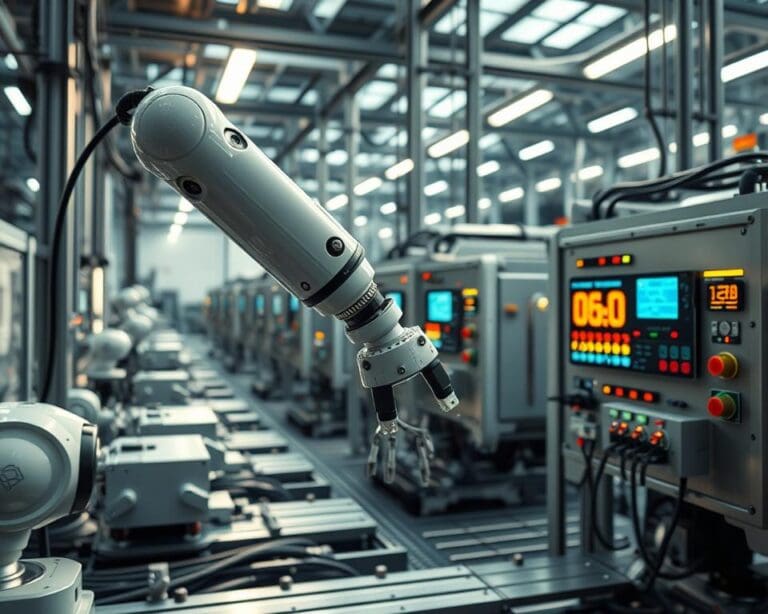

The rapidly evolving landscape of business operations has made it imperative for companies to embrace automation systems. These innovative solutions play a pivotal role in reducing human error, which can jeopardise productivity and operational integrity. By automating repetitive tasks and minimising reliance on human intervention, organisations can not only enhance efficiency but also improve the overall quality of their output. Research shows that 62% of companies adopting automation report a significant decrease in errors, leading to heightened reliability in service delivery. This introduction sets the stage for a deeper exploration of the nuances surrounding human error types and their impacts on the workplace.
Understanding Human Error in Operational Tasks
In the landscape of operational tasks, the occurrence of human error represents a significant challenge. Understanding the different types of errors provides valuable insights into their root causes and implications for efficiency. Addressing these errors effectively can enhance overall productivity and create a safer working environment.
Types of Human Error
Human error can be classified into several distinct types, each contributing uniquely to operational challenges. The primary categories include:
- Errors of omission: Instances where critical actions are not taken, leading to negative outcomes.
- Errors of commission: Situations where incorrect actions are taken erroneously, resulting in complications.
- Misjudgements: Cases where individuals make improper assessments, causing detrimental decisions.
The Impact of Human Error on Productivity
The influence of human error extends beyond individual mistakes, impacting overall productivity on a larger scale. Reports highlight that human error accounts for substantial financial losses within organisations. An estimated £1.5 billion is lost each year in the UK due to mistakes, which disrupt operational tasks and delay project timelines. This lost productivity not only hinders project completion but also heightens costs, underscoring the need for innovative solutions to mitigate human error.
How do automation systems reduce human error?
Automation systems play a crucial role in minimising errors within various processes. By leveraging advanced technologies, organisations can implement automation mechanisms that not only streamline operations but also significantly reduce human error. Understanding how these systems work enhances appreciation for their impact on operational efficiency.
Mechanisms of Automation
Several automation mechanisms contribute to the reduction of human error. Robotic process automation (RPA) allows for repetitive tasks such as data entry and processing to be completed without human intervention. Artificial intelligence (AI) analyses complex datasets, helping to identify patterns and discrepancies that a human might overlook. Machine learning (ML) enhances these processes by continually improving performance based on historical data, thus further mitigating error rates.
Case Studies Demonstrating Success
Success case studies from various sectors highlight the effectiveness of automation systems. One remarkable example is a leading automotive manufacturer that adopted automation in its assembly line. This integration led to a 40% reduction in assembly errors, showcasing the transformative potential of these technologies. In the finance sector, a prominent bank implemented AI to manage compliance processes, achieving a 70% reduction in error rates within just one year. These examples underline the importance of adopting innovative solutions to enhance operational efficiency and reduce human error.
Key Benefits of Implementing Automation Systems
Implementing automation systems can transform operational process efficiency, delivering numerous advantages that organisations can harness to thrive. This section delves into how such systems contribute to increased efficiency and consistency, along with the essential aspects of data accuracy and reporting.
Increased Efficiency and Consistency
One of the most notable benefits of automation lies in its ability to enhance efficiency. Automation streamlines workflows, allowing businesses to allocate resources with precision. By automating repetitive tasks, companies can redirect their staff to more strategic initiatives, fostering overall productivity. Research from McKinsey indicates that organisations adopting automation can realise productivity gains of up to 30%.
Alongside improved efficiency, automation ensures uniformity in processes. Consistency is crucial in achieving predictable results, which significantly reduces variability in output. By standardising tasks through automation, organisations can uphold high standards across their operations, which is vital for maintaining customer trust and satisfaction.
Enhanced Data Accuracy and Reporting
The impact of automation extends to data management, where enhanced data accuracy plays a pivotal role. Automation systems execute data collection and analysis in real time, substantially minimising the risk of human error in reporting and decision-making. According to findings from Deloitte, automating data entry processes can lead to an impressive 99% accuracy rate in comparison to traditional manual methods.
Furthermore, improved reporting capabilities allow organisations to generate insights quickly and accurately. With real-time access to reliable data, decision-makers can navigate challenges adeptly and make informed choices that pave the way for future success. Embracing automation not only optimises resources but also fortifies an organisation’s competitive edge in the market.
Choosing the Right Automation Solutions for Your Business
In today’s fast-paced business landscape, strategic decision-making is essential for success. When considering choosing automation solutions, organisations must align their options with specific business needs. A structured framework for selecting automation solutions can make a significant difference in achieving operational efficiency.
Evaluating Different Types of Automation Technologies
There are various types of technologies available, offering a spectrum of capabilities tailored to different operational requirements. Options include:
- Robotic Process Automation (RPA): Best for repetitive tasks, allowing staff to focus on more complex responsibilities.
- Artificial Intelligence (AI): Provides advanced data analysis and decision-making support.
- Integrated Solutions: Combines various functionalities to manage diverse processes seamlessly.
Evaluating these technologies requires a clear understanding of their features and how they address specific challenges. Conducting a comprehensive needs assessment enables businesses to pinpoint which types of technologies will optimise their workflows and enhance overall productivity.
Integration with Existing Systems
Successful system integration is vital for harnessing the full potential of automation technologies. Automation solutions must seamlessly connect with existing systems to ensure smooth operations. Challenges in integration can lead to inefficiencies. It is essential to plan courses of action carefully, considering existing infrastructure and workflows. Effective integration often results in:
- Improved collaboration across teams.
- Streamlined processes that reduce redundancy.
- Enhanced agility in responding to market changes.
Research indicates that poor integration strategies can account for up to 70% of automation failures. This statistic underscores the importance of aligning automation initiatives with organisational objectives to achieve lasting success.
Future Trends in Automation and Human Error Reduction
The future of automation is poised for groundbreaking advancements that will significantly enhance human error reduction across various industries. Innovations such as predictive analytics and advanced artificial intelligence are not merely enhancements; they are set to redefine operational landscapes. As these technologies evolve, businesses can expect to see a marked decrease in mistakes, leading to higher overall productivity and efficiency.
Forecasts suggest that by 2030, automation could take over as much as 80% of routine activities within organisations, translating to a substantial reduction in human error rates. These future trends highlight a shift towards smart automation systems that adapt and learn from their environments, ensuring safer and more efficient operational procedures. As these technology advancements unfold, the synergy between machines and human operators will likely foster an environment where the strengths of both can be harnessed to achieve exceptional performance levels.
Ultimately, the movement towards embracing advanced automation technologies promises to transform workplaces dramatically. With improved collaboration between humans and machines, organisations can expect not only to minimise errors but also to drive accuracy and operational excellence to unprecedented heights. The evolving landscape of automation provides an inspirational vision of how the future can look—where technology is an ally in achieving not just efficiency, but also a culture of precision and reliability in every task.