
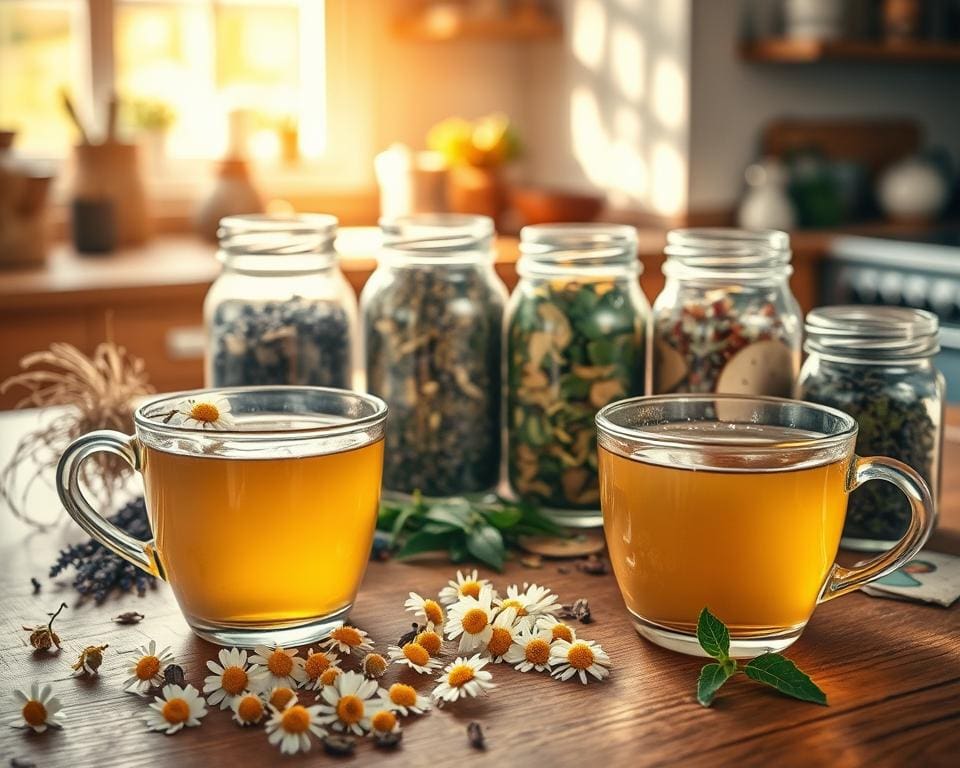
In today’s fast-paced society, many are seeking solace and comfort in the calming embrace of herbal teas. Renowned for their relaxation support, these brews not only offer warmth but also a diverse array of benefits of herbal teas. Rich in centuries of tradition, herbal teas have become essential in enhancing mental and emotional well-being. Brands like Pukka Herbs and Twinings have skillfully harnessed the soothing properties of various herbs, creating calming teas designed to alleviate stress and promote tranquillity. Embracing these nurturing blends can transform your everyday ritual into a relaxing experience, fostering a deeper connection to mindfulness and self-care.
The Soothing Qualities of Herbal Teas
Herbal teas offer a comforting embrace with their calming flavours and aromatic profiles. The soothing qualities of various herbs make them popular choices for those seeking relaxation. Understanding the unique herbal properties of these plants enhances one’s ability to select the right infusion for unwinding after a long day.
Understanding Herbs and Their Properties
Grasping the essence of herbal teas begins with an appreciation of the herbs themselves. Each herb possesses distinct biochemical components that contribute to its relaxation benefits. Chamomile, for instance, is renowned for its effectiveness in promoting sleep. This property derives from its ability to bind to brain receptors, creating a sense of tranquillity. In contrast, lavender has long been celebrated for its calming effect on the mind, making it a cherished ingredient in wellness rituals.
Popular Herbal Ingredients
The diverse array of herbs available allows for a multitude of flavour combinations and therapeutic benefits. Popular choices include:
- Chamomile: Recognised for its sleep-inducing capabilities.
- Lavender: Famous for reducing anxiety and enhancing relaxation.
- Peppermint: Offers a refreshing yet calming sensation, stimulating the senses without overwhelming them.
These ingredients are meticulously chosen in commercial products, ensuring that each cup delivers the desired sense of calm.
How do herbal teas support relaxation?
Herbal teas have gained popular recognition for their ability to promote relaxation. This trend is not merely anecdotal; rigorous scientific research uncover various benefits associated with herbal tea consumption. Studies reveal that certain ingredients can influence physiological processes, enhancing overall well-being and calmness.
Scientific Insights into Relaxation
Understanding the scientific benefits of herbal teas involves looking closely at their relaxation mechanisms within the human body. Research indicates that several compounds found in these teas have remarkable effects, including the ability to lower cortisol levels, which is a hormone associated with stress. A notable finding highlights how these beverages can enhance neurotransmitter activity that fosters a sense of calm.
For instance, specific herbal teas, such as chamomile and lavender, have been shown to possess calming properties. These plants contain natural compounds that contribute to their herbal tea effects, promoting relaxation and aiding in mental clarity. The connection between the consumption of these teas and psychological wellness unfolds a compelling narrative, illustrating how nature’s bounty plays a role in improving our mental health.
Herbal Teas for Stress Relief
In a world that often feels overwhelming, exploring herbal teas for stress relief can be a simple yet effective way to find calm. Choosing the right calming tea blends can significantly impact your mood and general wellbeing. Various herbal selections exist, catering to different needs, from daytime anxiety relief to bedtime relaxation.
Calming Blends to Try
Among the finest options are blends specifically designed to promote relaxation and tranquillity. Pukka’s Night Time tea, featuring soothing chamomile and lavender, works wonders for winding down after a long day. Another excellent choice is Clipper’s Organic Sleep Easy tea, which combines chamomile and valerian root, providing a calming effect that eases the mind before sleep. These blends exemplify how herbal tea selection can play a vital role in supporting stress relief.
Choosing Your Herbal Tea Based on Needs
Selecting the perfect herbal tea calls for an understanding of your specific needs. Individuals seeking to alleviate anxiety during the day should look for calming tea blends that incorporate ingredients like lemon balm or passionflower. For those looking to enhance their sleep quality, teas with valerian or chamomile can be beneficial. Familiarising yourself with the floral or earthy notes on the tea labels can guide your decisions and ensure you choose blends with desirable properties, ultimately leading to optimal stress relief.
The Ritual of Tea Drinking
Engaging in a tea drinking ritual can transform a simple act into a meaningful and soothing experience. Establishing a consistent tea routine creates an opportunity for mindfulness and relaxation. This practice not only enhances enjoyment but also contributes to mental well-being.
Creating a Relaxing Tea Routine
Designing a tea routine involves choosing specific times for your tea breaks, allowing each moment to become a cherished part of your day. Consider the following suggestions for a calming tea drinking ritual:
- Choose a dedicated time each day to enjoy your tea, perhaps in the morning to start the day or in the evening to unwind.
- Find a quiet space in your home that invites relaxation, free from distractions.
- Set the mood with soft music or natural sounds to elevate the sensory experience.
- Take a few deep breaths before sipping, grounding yourself in the moment.
Enhancing the Experience with Accessories
Tea accessories play a vital role in enhancing the overall experience. High-quality teapots not only improve the brewing process but can also act as a beautiful focal point on your table. Consider investing in:
- Calming mugs designed to maintain the temperature of your tea while providing comfort.
- A tea strainer or infuser that allows for easy preparation of loose-leaf herbal teas.
- A selection of beautiful tea canisters for storing your favourite blends, adding an aesthetic touch to your tea routine.
Incorporating these elements into your tea drinking ritual not only enhances the process but significantly contributes to a feeling of serenity and relaxation.
Mindfulness and Herbal Tea
Embracing mindfulness through herbal tea transforms the tea drinking routine into a profound meditative practice. The act of sipping tea becomes a pathway to deeper awareness, allowing for a harmonious connection between the body and mind. Integrating meditative techniques can significantly enhance this experience.
Incorporating Meditative Practices
To deepen one’s mindfulness during tea drinking, simple meditative practices such as deep breathing or focused attention can be employed. Taking a moment to inhale the aroma of the herbal tea prepares the senses and grounds the mind in the present moment. With each sip, dedicate time to reflect on the flavour and warmth of the tea, inviting a sense of calmness and serenity.
Scent and Sensation in Calmness
The sensory experience plays a crucial role in elevating the mindfulness of herbal teas. Specific aromas, such as fresh peppermint or calming lavender, can evoke peaceful responses within the mind. When such enchanting scents fill the air, they can enhance the relaxation process, helping to create a soothing atmosphere ripe for reflection and tranquillity.
Personal Experiences with Herbal Teas
Across various communities, herbal tea testimonials reveal a tapestry of personal experiences illustrating the potent impact of these soothing brews on relaxation. Individuals from all walks of life share their journeys, emphasising how specific blends have helped manage stress and ease anxiety. For example, many college students have found solace in Yogi Tea’s chamomile and lavender concoctions, often citing improved focus and reduced worries amidst hectic study schedules.
Busy professionals, too, have discovered the calming benefits of herbal teas, particularly from brands like Teapigs. Their relaxation stories often highlight how a simple cup of peppermint or passionflower tea can transform a stressful workday into a moment of tranquillity. These anecdotal accounts not only underscore the efficacy of these herbal infusions but also foster a sense of community and shared understanding around the quest for mental well-being.
Whether it’s a warm evening ritual or a mid-afternoon reprieve, the collective personal experiences of herbal tea enthusiasts inspire many to explore the calming potential these drinks hold. As more individuals embrace the ritual of sipping herbal teas, the relaxation stories that emerge serve as a testament to the enduring legacy of these age-old remedies in fostering well-being and peace.