Home accessories are the quick, creative route to personalise your home. They bridge the gap between a blank room and a space that reflects taste, history and daily life. This article — aimed at a UK audience — explores how interior accessories shape mood, function and identity in modern homes.
Demand for personalised decor is rising across Britain. Retailers such as MADE, Habitat, Anthropologie and John Lewis report growing interest in artisanal pieces and bespoke finishes. Online searches for home accessories UK and personalise living spaces have climbed, underlining a shift toward meaningful objects rather than mass-produced sameness.
Accessories deliver tangible benefits. Well-chosen textiles, lighting and artwork create visual cohesion, introduce focal points and improve comfort. Decorative objects and smart storage enhance functionality while telling personal stories. Research links personalisation at home with greater wellbeing and a stronger sense of belonging.
What follows sets out clear, practical guidance. Reviews focus on design, build quality, value for money, sustainability credentials and versatility. Product categories covered include textiles, lighting, artwork, decorative objects and soft furnishings, all considered for availability in the UK and priced in pounds. Expect styling tips and sustainability notes alongside hands-on product assessments to help you personalise living spaces with confidence.
How do home accessories personalise living spaces?
Accessories shape rooms in subtle and striking ways. They let you personalise through accessories by layering objects that reflect your history, tastes and daily habits. Thoughtful choices in colour, texture and motif signal identity without a single bespoke commission.
Defining personalisation through accessories
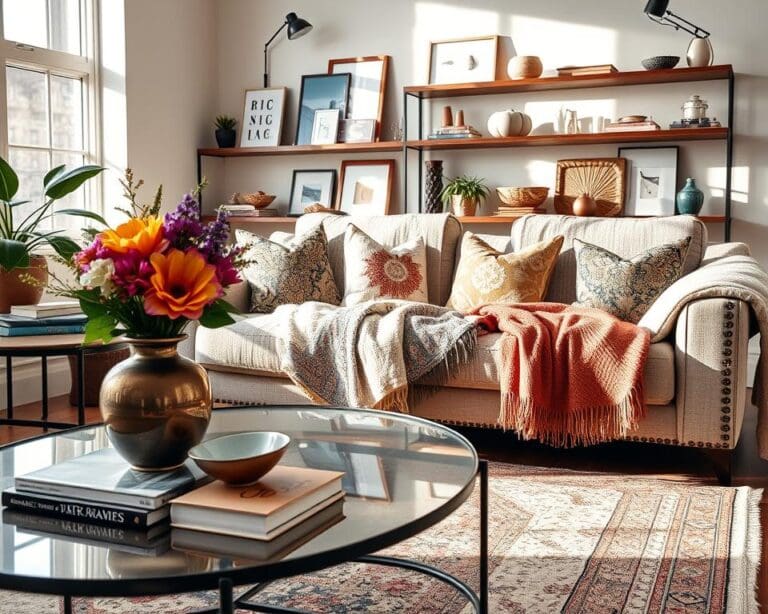
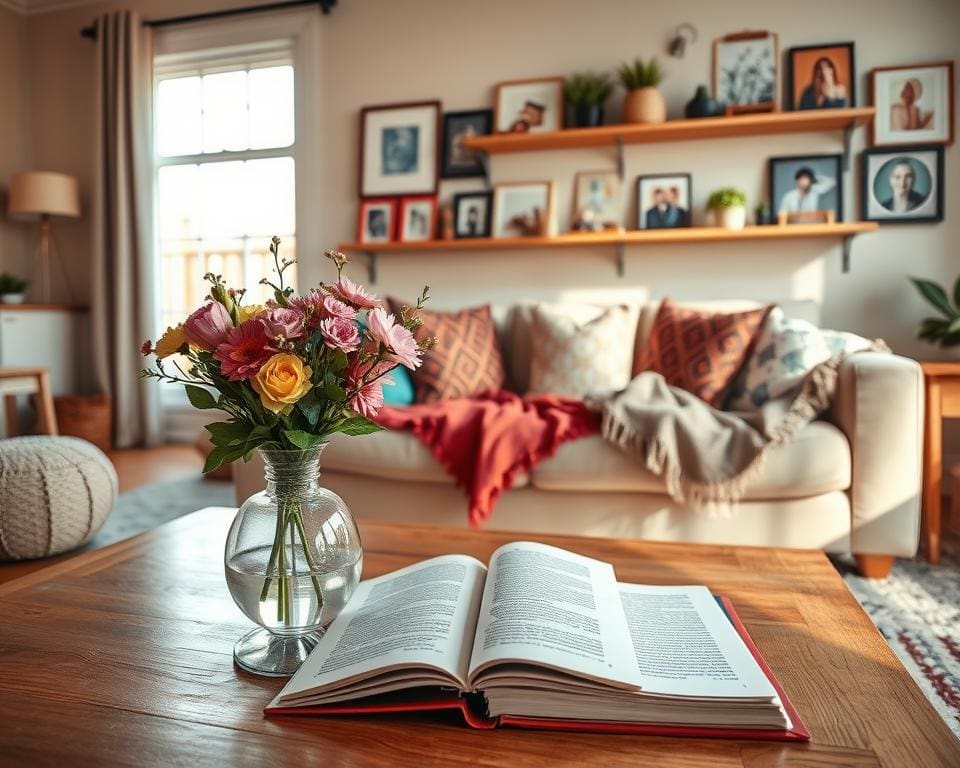
Personalisation in interiors means arranging existing pieces to tell your story. It is different from customisation, where items are made to order. A curated shelf of travel mementos, heirlooms and prints creates a narrative. Gallery walls with family photos, monogrammed linens from The White Company or Hunkydory Home, and bespoke cushions from Loaf are classic examples of personalised decor ideas.
Small interventions change perception. Swap a generic vase for a ceramic you bought on holiday. Group books by colour and memory rather than title. These moves create emotional resonance while remaining practical.
Emotional and psychological impact
Accessories influence mood and wellbeing through sensory cues. Warm lamps and soft throws invite relaxation. Plants bring biophilic benefits noted by the Royal Horticultural Society and can lift air quality and mood. Diffusers and candles shape atmosphere with scent.
Environmental psychology shows familiar, meaningful objects reduce stress and increase satisfaction. Colour choices matter too: calming blues soothe, energising yellows enliven a space. The NHS offers guidance on making homes restorative, which aligns with selecting items that comfort and reassure.
Practical examples of transformative accessories
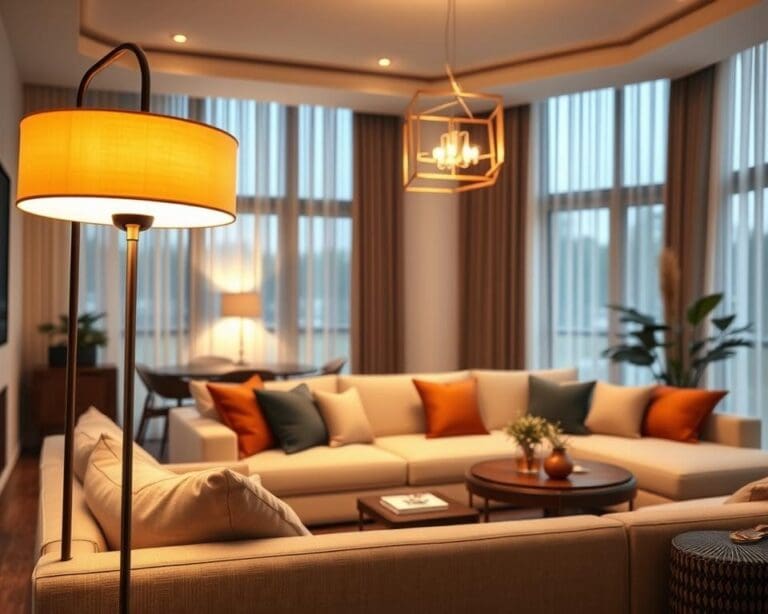
Transformative home accessories can redefine scale, light and function in a room. A large floor lamp creates a cosy reading nook. A dramatic pendant anchors an open-plan living area. Look to Tom Dixon designs for sculptural lighting or budget picks from Habitat for similar effect.
- Layered rugs from Made.com or Carpetright add warmth, texture and zone definition.
- Decorative mirrors from IKEA or John Lewis enlarge and brighten compact rooms.
- Curated books, decorative boxes from Paperchase and scented pieces from Rituals add personality and finish.
- Bespoke cushions and throws from The White Company or Loaf provide tactile comfort and a tailored touch.
Mind scale, placement and material. A too-small rug feels lost, a heavy pendant overwhelms a low ceiling. Match materials to purpose: hard-wearing fabrics in family rooms, soft linens in bedrooms. Thoughtful selection of accessories that personalise rooms creates a cohesive, lived-in look that feels uniquely yours.
Choosing accessories that reflect your style and lifestyle
Picking accessories should feel like a conversation between your tastes and your daily life. Start with small, deliberate steps to choose home accessories that suit routines, spaces and the stories you want to tell in each room.
Assessing your personal aesthetic
Begin with an audit of items you already own. Note what you keep and why, then list pieces that spark joy or perform well. Ask which rooms you occupy most and which objects lift your mood.
Create a mood board on Pinterest or use fabric swatches to pin colours and textures. Identify core colours and favourite textures, such as linen, wool or brushed metal. Track daily routines to see where functional accessories are essential — for example, commuters need entryway storage and a sturdy umbrella stand.
Look to British sources for inspiration: House & Garden, Elle Decoration UK and Instagram posts by UK interior designers will help you refine choices. Use the prompts above to assess personal aesthetic and build a clear brief for purchases.
Balancing form and function
Decide what each room truly needs before buying. Kitchens demand durable, easy-to-clean items. Living rooms benefit from tactile cushions and layered lighting for ambience and tasks.
Choose decorative storage such as ottomans with internal compartments from familiar high-street retailers. Consider multipurpose furniture like nesting tables at Heal’s and task lighting from Anglepoise for work or reading corners. Pick textiles from John Lewis or Marks & Spencer that are comfortable and washable.
Prioritise needs by room and keep a list of must-haves versus nice-to-haves. This approach helps you select functional accessories that remain beautiful over time.
Sourcing and sustainability considerations
Opt for sustainable home decor by favouring natural fibres and certified materials. Look for linen, wool and cotton, plus FSC-certified wood for furniture. Check labels such as OEKO-TEX, GOTS and FSC when you shop.
Buy from brands that publish materials statements and repair policies. Made.com and Loaf share useful transparency, while IKEA’s spare-part approach supports longevity. Support independent British makers via Etsy sellers and local craft markets for unique, low-carbon finds.
Explore vintage and second-hand options on Gumtree, eBay or in charity shops to add character while reducing waste. Verify claims by asking sellers about provenance, materials and care to ensure truly sustainable home decor choices.
Mixing trends with timeless pieces
Blend current movements with classics to keep spaces fresh. Invest in neutral sofas or beds and refresh a room with on-trend cushions, vases and small decorative items. Use reversible throws and removable lampshades to swap looks easily.
Follow price-bracketing: splurge on lasting items like lighting or bespoke rugs, and save on seasonal accessories such as candles and trays. Mix curved furniture or muted palettes with enduring staples sourced from Dunelm, John Lewis, Heal’s or Barker and Stonehouse.
This strategy lets you enjoy mixing trends and timeless decor while keeping a coherent, personal interior. For UK accessory sourcing, balance high-street finds with independent studios to build a resilient, stylish home.
Styling tips and product reviews to personalise every room
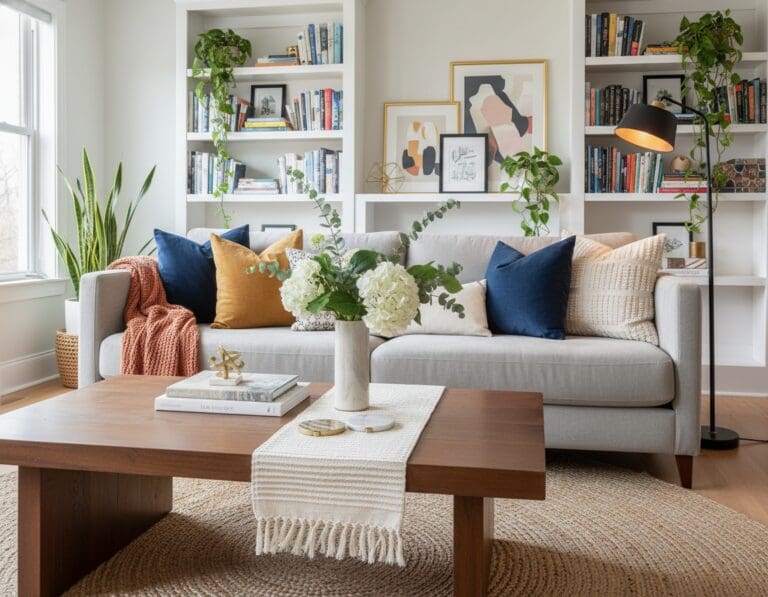
Start each room with a neutral base and add layers of texture and colour to achieve personalised room styling. In the living room, layer rugs from Made.com or Carpetright, arrange cushions in odd numbers and use side tables or decorative trays for cohesion. Choose a statement floor lamp from Anglepoise or Habitat to anchor a seating area, and style shelves using the rule of threes with varying heights to create a clear focal point. These styling tips personalised rooms will help you balance comfort with a visual centre.
For bedroom accessories UK, invest in high-quality bedding from The White Company or Soak & Sleep and add textured throws for cosiness. Bedside lamps create soft ambience and a curated bedside shelf or framed prints personalise the space. Consider blackout curtains for UK light conditions to improve sleep and overall comfort. Small changes like a new headboard cushion or swap of linens refresh the feel without a full refit.
In the kitchen and dining area, favour attractive storage jars from Le Creuset or Kilner, a runner and placemats for table warmth, and pendant lighting over the table for mood and task light. Herb pots add fragrance and greenery. For hallway and entry, practical pieces such as wall hooks, shoe benches, mirrors and small trays keep clutter in check while bouncing light. In bathrooms, coordinated dispensers, bath mats, storage baskets and a diffuser raise everyday rituals into small luxuries.
Product reviews home accessories UK: cushions from The White Company feel luxurious but command a premium; H&M Home offers affordable style for trend-led looks; Loaf delivers durable, design-led cushions. Anglepoise lamps give reliable task lighting and classic form, Habitat pendants are design-forward at mid-price, and IKEA provides budget ambient options—check fitting types like E27 or GU10 and dimmability. Wool rugs from Carpetright are warm and hard-wearing; flatweave rugs at Made.com suit patterned, lighter options—use underlay and follow cleaning guidance. John Lewis frameless mirrors are good quality, Desenio offers affordable prints, and independent printmakers add unique character. For storage, Dunelm is value-focused, Tikamoon brings solid wood pieces, and vintage markets supply character; note load capacity and finish when buying.
Finish with a simple checklist: neutral base, three meaningful objects, layered lighting (ambient, task, accent), and balanced scale and colour. Maintenance keeps accessories looking fresh—rotate cushions seasonally, follow care labels, treat wool and wood correctly and update items gradually to stay sustainable. Audit one room using these styling tips personalised rooms, try one recommended product from the UK range, and choose pieces that blend beauty, function and meaning to make your house a personal home.