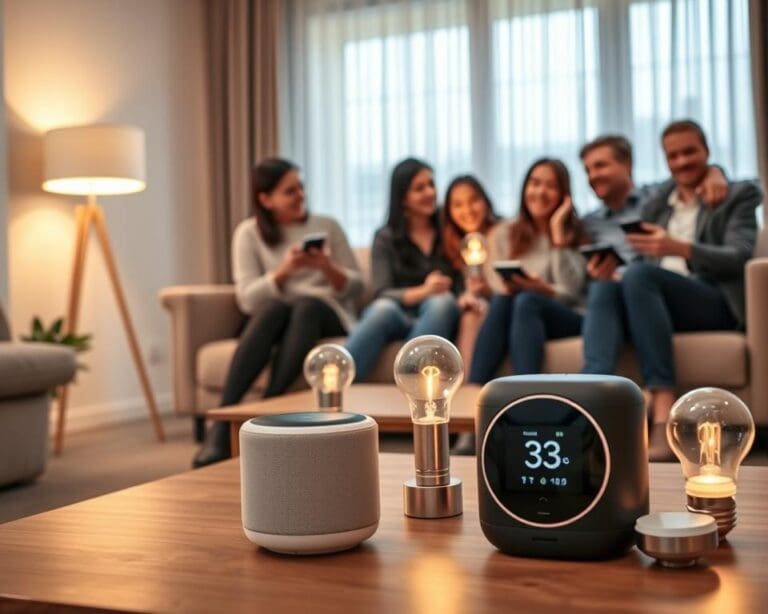
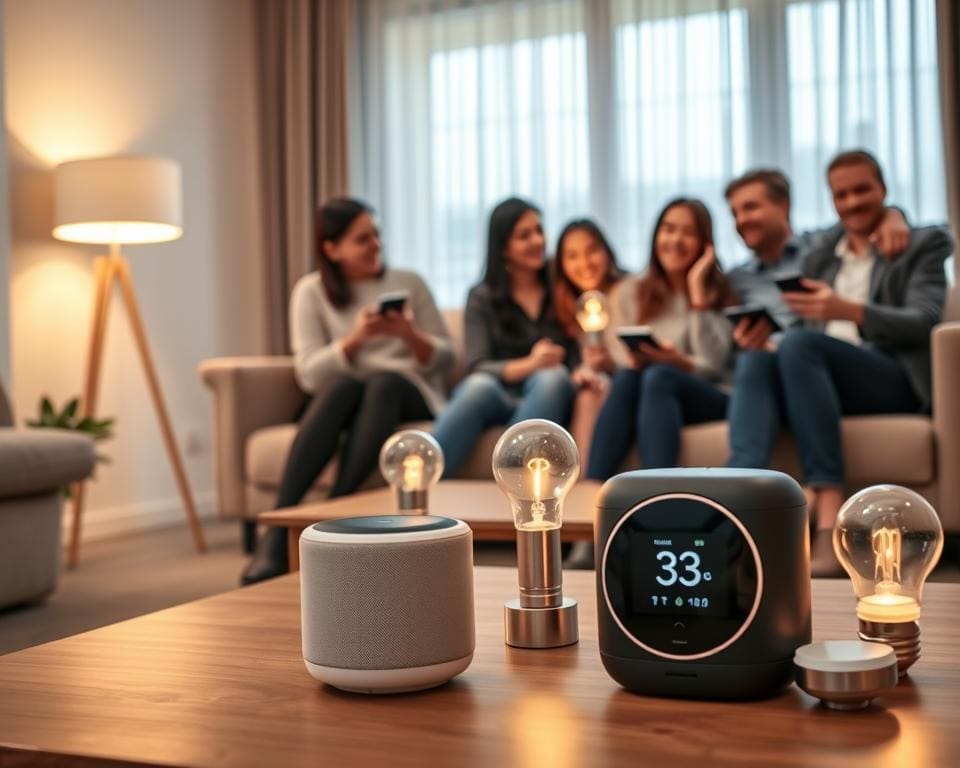
Smart home devices are reshaping daily routines across the United Kingdom, turning ordinary tasks into effortless moments. From Nest and Hive thermostats to Philips Hue lighting, Amazon Echo and Google Nest Hub voice assistants, and Ring or Yale security gear, connected home improvements make homes more intuitive and responsive.
This opening section outlines the smart home benefits at a glance. Expect three main themes: convenience and personalisation, efficiency and cost savings, and safety, security and wellbeing. Together they show the home automation advantages that transform how people live, work and relax.
For UK readers, compatibility with local broadband, smart meter initiatives and the nation’s diverse housing — flats, terraced houses and period properties — matters when choosing smart home devices UK. Energy pricing and insulation standards also make energy-saving features from iRobot Roomba vacuums to smart plugs and connected washing machines especially valuable.
Leading vendors such as Google, Amazon, Philips, Hive, Ring and iRobot illustrate wider trends: rising adoption, better interoperability via the Matter standard, and a growing market for affordable, easy-to-install devices. These signals back up the claim that home automation advantages are both practical and accessible.
Smart technology serves varied needs: busy professionals find time savings, families gain convenience and security, and older adults benefit from wellbeing and independence aids. The article will also address common barriers — privacy concerns, setup complexity and device compatibility — so readers can weigh the trade-offs.
Following this introduction, section two will explore convenience, automation and personalisation. Section three examines efficiency, chores and maintenance savings. Section four focuses on safety, security and wellbeing, offering a complete view of how smart home devices improve daily life.
How do smart home devices improve daily life?
Smart technology reshapes how we live at home by making routine tasks simpler and more tailored to individual needs. Everyday chores feel lighter when devices anticipate preferences and act without prompting. The result is greater comfort and a clearer sense of control over daily life.
Enhancing everyday convenience
Voice assistants such as Amazon Echo with Alexa and Google Nest with Google Assistant let you manage lights, music and timers hands-free. This proves useful in busy kitchens and for people with mobility limitations. Smart lighting products like Philips Hue and LIFX create scenes for morning or movie night, removing the need to switch multiple fittings manually.
Smartphone apps extend control when you are away. Systems from Hive or Nest let you warm a home before arrival. Yale and August smart locks allow remote guest access. Calendar-triggered actions and geofencing tie schedules to presence, so devices react the moment you leave or return.
Saving time with automation
Automation cuts repetitive chores. Robotic vacuums such as iRobot Roomba and Roborock keep floors tidy on a schedule. Smart washing machines can start remotely and send completion alerts, while smart irrigation systems water gardens at set times. These routines free hours each week.
A “good morning” routine can raise blinds, switch on a kettle via a smart plug, play the news and read the day’s calendar. Doorbell cameras from Ring and Arlo send instant notifications and offer two-way audio, so deliveries are managed without interrupting other tasks. For carers, motion sensors and alerts reduce needless in-person checks while retaining oversight.
Personalisation and adaptability
Devices learn household habits. Nest thermostats adapt temperature schedules, while lighting systems remember favourite scenes. Some smart speakers produce tailored daily briefings. Multiple user profiles allow personalised playlists and calendar readouts, matched to each voice.
Smart setups expand as needs change. Start with a speaker and a few smart plugs, then add sensors, locks or security cameras when required. Balance customisation with privacy by enabling appropriate permissions, using strong passwords and two-factor authentication, and reviewing device privacy settings to keep control over personal data.
Practical benefits for home efficiency and cost savings
Smart devices transform daily routines into measurable savings and more efficient homes. With the right mix of gadgets and habits, households in the UK can cut waste, lower running costs and reclaim time for family and work.
Smart thermostats such as Google Nest, Hive Active Heating and Tado learn heating patterns and offer remote control plus eco modes. They link to smart meters to optimise schedules and deliver smart home energy savings that reduce gas and electricity use.
Smart plugs and smart strips stop vampire power by switching off TVs, chargers and idle appliances at set times. Smart lighting with LEDs, dimming routines and occupancy sensors keeps lights off in empty rooms, trimming electricity demand.
Time-of-use tariffs work well with smart chargers and appliance timers. Scheduling a wash, dishwasher cycle or EV charging during off-peak hours can further reduce bills. Return on investment varies, yet smart thermostats and disciplined routines usually show clear savings over a heating season.
Streamlined household chores
Robotic cleaners from iRobot Roomba and Roborock handle regular floor maintenance, cutting manual effort. Smart dishwashers and connected washing machines let you schedule cycles, monitor progress and get completion alerts on your phone.
Smart fridges like Samsung Family Hub pair with inventory apps to track groceries, reduce food waste and send shopping reminders. Connected coffee machines and smart dispensers can reorder supplies or prompt replenishment, smoothing daily life.
The combined effect of automated chores and smarter shopping is less time spent on chores, fewer ad-hoc trips to the shops and more predictable routines. That time saves money indirectly and boosts quality of life.
Maintenance alerts and preventative care
Water leak sensors from Honeywell and Fibaro detect drips early to avoid costly damage. Smart smoke and carbon monoxide detectors such as Nest Protect and First Alert give richer alerts and app notifications for faster responses.
Many appliances now send diagnostic data and maintenance reminders for tasks like drum cleaning or filter changes. HVAC systems with smart controls can flag performance issues before they become breakdowns, reducing repair bills and downtime.
Service integrations with authorised partners or warranty-linked alerts can simplify booking repairs and speed up professional care. Early detection of a leaking pipe or blocked filter often prevents larger, costlier problems, keeping homes safer and more efficient.
Improved safety, security and wellbeing
Smart home security now blends cameras, motion sensors, smart locks and alarms to create layered protection. Systems from Ring, Arlo and ADT offer doorbell cameras with two‑way audio, cloud video storage and instant smartphone alerts, so you can see and speak to visitors in real time. Adding Yale or August smart locks and keypad access removes the need for spare keys by issuing temporary codes for guests and tradespeople, improving access control and convenience.
Many platforms include neighbourhood alert features that let residents share suspicious activity. Home monitoring devices extend that reach, giving communities a stronger deterrent against crime. When fitting cameras in communal entrances or flats, check data retention policies and GDPR compliance and follow local rules on recording in shared spaces to protect privacy and avoid legal issues.
Wellbeing smart devices add measurable health benefits to safety. Smart air purifiers and indoor air quality monitors track pollutants and humidity to help reduce allergens. Smart thermostats and sensors maintain comfortable temperatures for better sleep, while smart lighting that mimics daylight supports circadian rhythms. Wearable‑linked integrations and smart health devices can share sleep and activity data with home systems to tailor lighting and heating for healthier routines.
For older adults, remote health monitoring and fall detectors offer discreet support that preserves independence. Alerts for unusual movement or lack of activity let family or carers respond quickly. Professional monitoring and emergency response options provide rapid intervention for break‑ins, fire or medical events, and being able to view a live feed or lock doors remotely gives homeowners practical peace of mind. Start a staged rollout: protect life‑critical points first (smoke and CO alarms, doorbell camera, smart lock), then add interlinked sensors and wellbeing gadgets. Use strong Wi‑Fi passwords, a separate guest network for IoT, regular firmware updates and reputable UK support to keep systems secure and reliable.