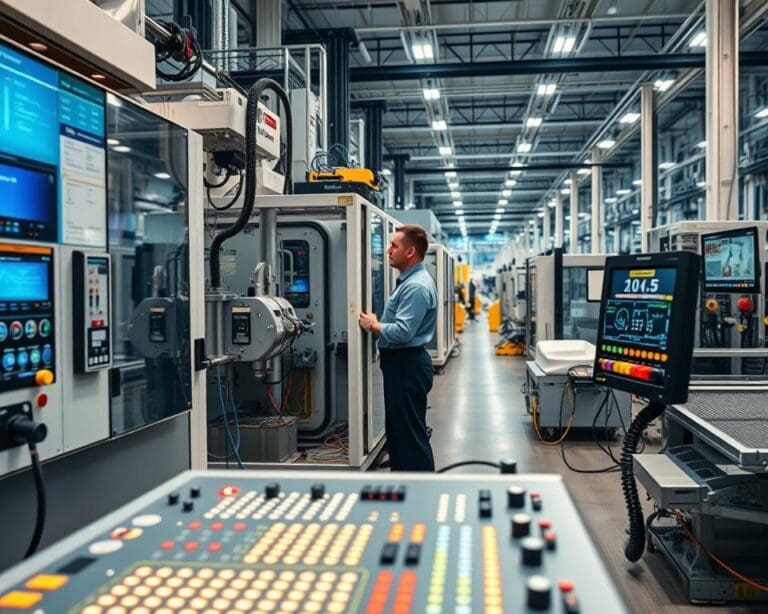
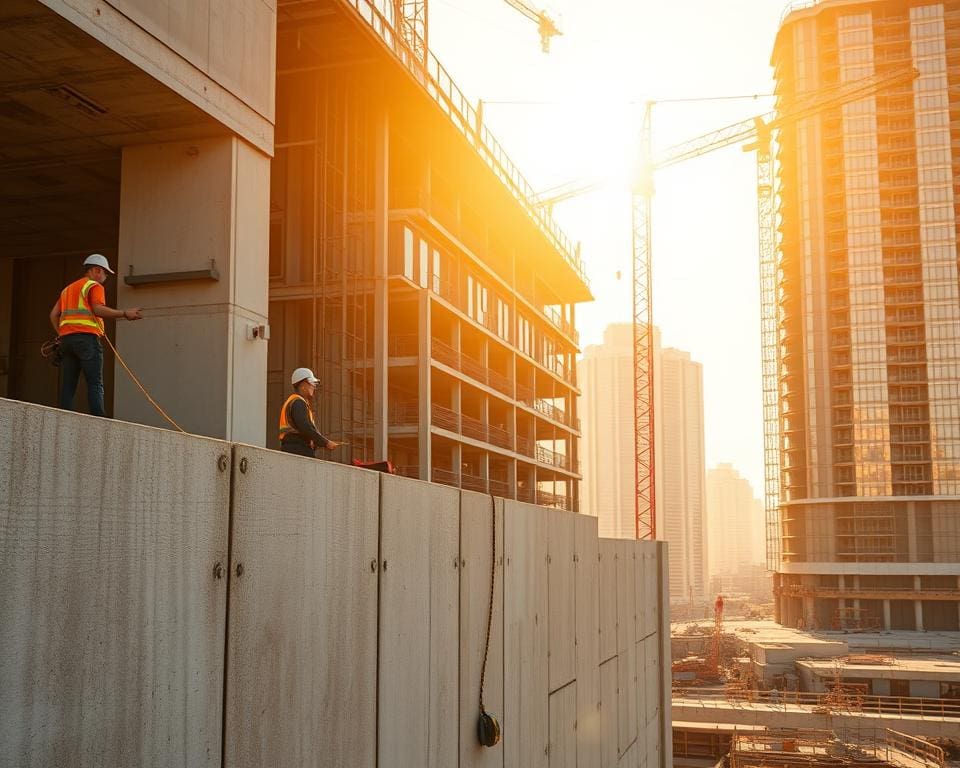
In an era where construction technology constantly evolves, the introduction of smart materials has emerged as a game-changer in enhancing construction quality. These innovative materials possess unique adaptive properties, allowing them to respond to environmental influences and contributing to a new standard of durability and safety. By integrating sustainable materials into building projects, architects and contractors are not only elevating the structural integrity of their designs but also embracing a more responsible approach to construction practices. The transformative potential of smart materials extends throughout the entire construction process—from initial design to ongoing maintenance—ultimately reshaping how we perceive quality in the built environment.
Understanding Smart Materials in Construction
Smart materials represent a transformative approach to modern construction, incorporating innovative technologies to enhance building performance. These materials respond to various stimuli, allowing them to adapt and react dynamically, making them essential in contemporary construction practices.
Definition and Characteristics of Smart Materials
The definition of smart materials encompasses substances that change their properties in response to external factors, such as temperature, light, or electric fields. The key characteristics of smart materials include:
- Adaptability: Ability to modify their properties based on changing conditions.
- Sensitivity: High responsiveness to environmental changes.
- Dynamic response: Capability to alter form or structure in real-time.
This adaptability and sensitivity make smart materials invaluable in construction, where conditions are often unpredictable. They contribute significantly to the efficiency and resilience of structures.
Types of Smart Materials Used in Construction
Several types of smart materials find application in the realm of construction, each serving unique purposes that enhance overall performance. Common examples include:
- Shape memory alloys: Materials that return to a predefined shape when heated.
- Piezoelectric materials: Capable of generating an electric charge when subjected to mechanical stress.
- Self-healing concrete: Concrete that can repair its own cracks.
These types of smart materials play a crucial role in various construction applications, ensuring improved durability and structural integrity, while addressing challenges related to maintenance and longevity.
The Role of Smart Materials in Enhancing Sustainability
Smart materials play a pivotal role in sustainable construction by integrating innovative features that contribute to both energy efficiency and the longevity of materials. These modern advancements not only support ecological goals but also provide practical benefits to builders and occupants alike.
Energy Efficiency and Longevity
One of the most significant advantages of smart materials lies in their ability to adapt to environmental changes, enhancing energy efficiency. For instance, materials that can adjust thermal properties contribute to reduced energy consumption in buildings. This adaptation translates to lower energy bills and a smaller carbon footprint. Furthermore, the longevity of materials used in this context determines how frequently structures require maintenance or replacement, which impacts overall sustainability.
Reduction of Waste Through Intelligent Design
The intelligent design of smart materials fosters waste reduction throughout the construction process. By optimising the use of resources and minimising offcuts, these advanced materials help lower the amount of waste generated. This strategic approach not only conserves resources but also reduces the environmental footprint associated with construction activities.
How do smart materials improve construction quality?
The advent of smart materials in construction has revolutionised the industry, particularly in enhancing both structural integrity and aesthetic value. These materials primarily excel in their ability to monitor and respond to various stresses and environmental factors. Through innovative applications, they promise not only durability but also the potential for a visually stunning architectural landscape.
Enhancing Structural Integrity and Safety
Smart materials significantly contribute to structural integrity, thereby improving safety in construction. Their unique properties allow for real-time monitoring of stress, ensuring that potential issues are identified before they escalate into serious problems. This proactive approach means that maintenance can be carried out swiftly, mitigating risks of catastrophic failures. With precise control over the construction process, smart materials assure builders and architects that their designs will withstand the test of time and environmental challenges.
Improving Aesthetics and Design Flexibility
Beyond functionality, smart materials offer remarkable design flexibility, allowing architects to implement innovative concepts without sacrificing safety. For instance, materials like translucent concrete or adaptive façades create stunning visual effects that can transform a building’s appearance while responding dynamically to changing conditions. The enhanced aesthetic value provided by smart materials applications leads to structures that not only serve their purpose but also inspire and captivate those who experience them.
Smart Materials and Cost Efficiency
Smart materials represent a transformative approach to construction, delivering not only innovative designs but also significant cost efficiency. By integrating advanced technologies, these materials enable builders and contractors to reap remarkable financial benefits over time. The longevity and resilience of smart materials fundamentally alter traditional construction economics, showcasing their ability to reduce operational expenses throughout a building’s lifecycle.
Long-term Financial Benefits
The financial benefits associated with smart materials extend beyond initial investment considerations. Many of these materials boast unmatched durability, which results in fewer repairs and an overall maintenance reduction. Their energy-efficient properties contribute to lower utility bills, leading to substantial savings that accumulate over years. Smart material savings provide a compelling justification for construction stakeholders aiming to optimise project value while enhancing sustainability.
Reduction in Maintenance and Repairs
One of the most compelling aspects of smart materials lies in their lower maintenance requirements. Features such as self-healing capabilities drastically diminish the likelihood of costly repairs. As a result, projects implemented with smart materials experience a remarkable reduction in maintenance efforts and costs. This proactive approach not only elevates the building’s operational performance but also ensures a streamlined budget, ultimately benefiting property owners and developers alike.
Innovative Technologies Driving Smart Material Development
Recent trends in material science advances are shaping the future of construction. Innovative technologies are creating pathways for the development of cutting-edge smart materials that significantly enhance the capabilities of building systems. This evolution facilitates objects that can respond dynamically to their environmental conditions.
Recent Advances in Material Science
Groundbreaking discoveries in material science have led to the invention of novel materials, including nanomaterials and bio-inspired designs. These developments have the potential to enhance the performance, durability, and utility of construction materials. By leveraging material science advances, architects and engineers can create structures that not only resist wear and tear but also offer improved insulation and energy efficiency.
Integration of Internet of Things (IoT) in Smart Materials
The synergy between smart technology integration and IoT in construction is transforming the way buildings operate. By embedding sensors within smart materials, these structures can provide real-time data analysis, leading to smarter maintenance practices and energy consumption optimisation. IoT technology allows for proactive updates and monitoring, which ensures that buildings meet safety standards while maximising operational efficiency.
Case Studies of Smart Materials in Action
Numerous smart material case studies illustrate the transformative potential of innovative materials within the construction sector. One prominent example is the Eden Project in Cornwall, where self-healing concrete has been employed to enhance longevity and sustainability. This remarkable material exemplifies how modern engineering techniques can prolong the lifespan of structures while also minimising environmental impact, paving the way for practical applications that elevate construction standards.
Another noteworthy project showcasing smart materials is the Al Bahar Towers in Abu Dhabi. This iconic development features a dynamic façade system that intelligently adapts to sunlight, effectively regulating indoor temperatures. By incorporating this technology, the towers not only achieve aesthetic appeal but also demonstrate energy efficiency, showcasing real-world examples of how smart materials can solve complex challenges in contemporary architecture.
These case studies underscore the importance of smart materials in advancing construction projects that are not only innovative but also environmentally responsible. As the industry continues to adopt such materials, we can expect even greater strides in building quality, sustainability, and design flexibility, inspiring future developments that reflect a commitment to progress and conservation.