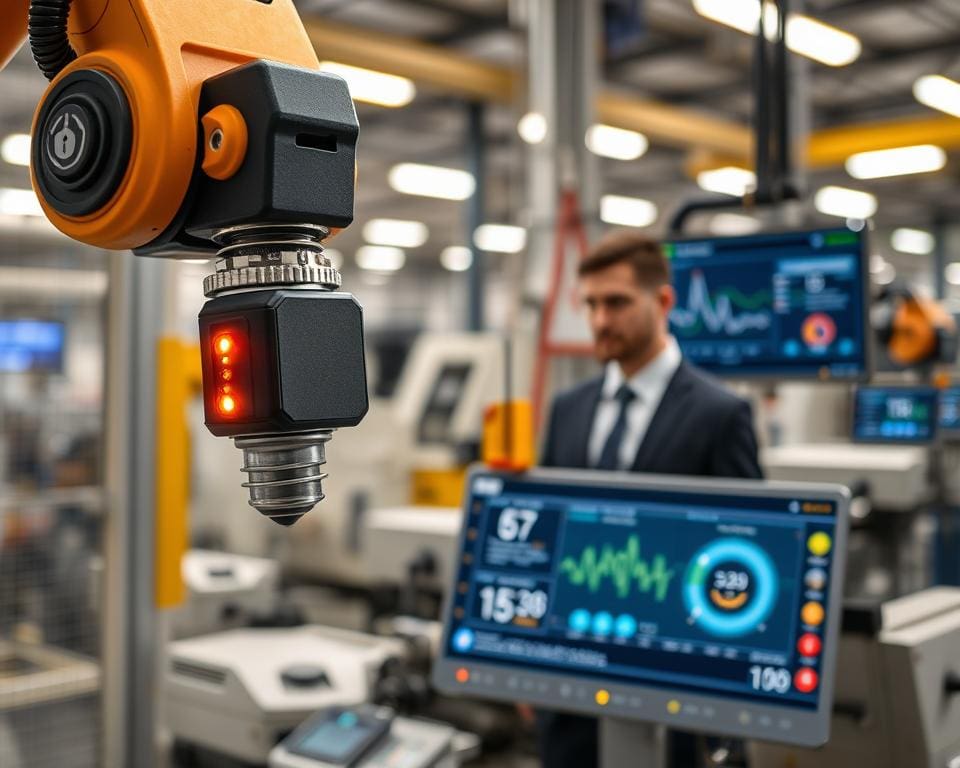
In today’s rapidly evolving industrial landscape, smart sensors are proving to be game changers, significantly enhancing machine safety and operational efficiency. By employing cutting-edge technology, these devices collect and analyse real-time data, providing valuable insights that facilitate quick decision-making. Their ability to monitor equipment performance allows for the early detection of anomalies, preventing potential failures before they escalate into hazardous situations. Furthermore, smart sensors play a crucial role in predictive maintenance, enabling industries to optimise their processes and reduce costs. In doing so, they not only safeguard the workforce but also enhance productivity across the board.
The Role of Smart Sensors in Modern Industries
Smart sensors have emerged as vital components in various sectors, transforming how industries operate. Their applications span the manufacturing industry, transportation, and healthcare, showcasing their versatility. With advancements in automation and monitoring technology, organisations can harness smart sensors to enhance efficiency and safety.
Within the manufacturing industry, smart sensors monitor critical parameters such as temperature, vibration, and pressure. This data allows companies to ensure machinery operates within safe limits, mitigating the risk of equipment failure. The real-time data provided by these sensors enables swift responses to any anomalies, paving the way for uninterrupted production.
Smart sensors embody a leap toward modern automation in industrial applications. By integrating these devices, businesses can streamline workflows, leading to improved operational fluidity. This advancement not only boosts productivity but also heightens safety standards, making smart sensors indispensable in today’s competitive landscape.
Understanding Smart Sensor Technology
Smart sensor technology lies at the heart of modern automation and data collection. These sophisticated devices incorporate microprocessors that enable the analysis of various types of sensors, ensuring precise measurement and control in industrial applications.
The principles of operation of smart sensors revolve around their ability to interpret environmental data. They gather information from their surroundings, be it temperature, pressure, or motion, and perform real-time analysis. This data is then sent to cloud-based systems, promoting efficient decision-making through comprehensive analytics.
Varieties of smart sensors play unique roles across diverse industries. Temperature sensors monitor heat levels, while pressure sensors track fluid pressures. Motion sensors detect movement, serving critical functions depending on the application context. Such diversity allows organisations to tailor smart sensor technology to their specific needs.
The integration of the Internet of Things (IoT) further enhances the capabilities of smart sensors. This connection enables devices to communicate across networks, providing a seamless flow of information that empowers organisations to respond swiftly to changing conditions. As IoT integration becomes increasingly prevalent, the sophistication and effectiveness of smart sensor technology expand, paving the way for smarter industrial solutions.
How do smart sensors improve machine safety and efficiency?
Smart sensors play a pivotal role in enhancing machine safety and efficiency within various industries. By leveraging advanced technology, these sensors facilitate critical processes such as human error reduction and real-time monitoring, contributing significantly to overall operational efficiency.
Reducing Human Error
The integration of smart sensors into industrial environments leads to substantial human error reduction. Traditional methods often rely on manual data collection, making processes prone to mistakes. Smart sensors automate data acquisition and analysis, providing a consistent and accurate stream of information. This automation creates safer workspaces as the likelihood of misinterpretation or oversight dramatically diminishes. Enhanced accuracy fosters a culture of safety improvements as operators can trust the data being fed into monitoring systems.
Real-Time Data Monitoring
Real-time monitoring through smart sensors ensures immediate awareness of operational conditions. These sensors continuously collect and transmit data, allowing for prompt detection of anomalies. When irregularities arise, operators receive instant notifications, which empowers them to address issues before they escalate into hazardous situations. This capability reinforces safety improvements while optimising operational efficiency, as timely interventions prevent costly downtime and resource waste.
Improving Predictive Maintenance with Smart Sensors
Smart sensors significantly enhance the realm of predictive maintenance, empowering industries to transition from reactive to proactive maintenance strategies. By implementing sophisticated technology, organisations can closely monitor their machinery, leading to improved operational reliability.
Identifying Potential Failures
With the advent of smart sensors, potential failure detection has seen a remarkable transformation. These sensors continuously gather data about equipment performance, analysing metrics such as temperature, vibration, and operational speed. This real-time monitoring enables early identification of anomalies, allowing maintenance teams to address issues before they escalate into costly breakdowns.
Optimising Maintenance Schedules
Utilising insights gleaned from smart sensors facilitates maintenance optimisation. By analysing historical data alongside current operational conditions, organisations can tailor maintenance schedules to the specific needs of their equipment. This data-driven approach ensures that maintenance is performed at optimal intervals, ultimately extending the machinery’s lifespan and enhancing overall productivity.
Enhancing Operational Efficiency Through Automation
In the pursuit of higher operational efficiency, the integration of smart sensors into industrial settings is transformational. Through various applications of process automation, industries can observe significant improvements in their workflow. Smart sensors play a crucial role in streamlining processes, minimising downtime, and ultimately boosting productivity.
Streamlining Processes
Smart sensors facilitate seamless process automation by providing real-time data that informs adjustments throughout production lines. This technology helps eliminate bottlenecks and enhances workflow coherence. Organisations can optimise resource allocation, ensuring that every component of their operations contributes to overall goals. The result is not only efficiency but also significant cost savings.
Reducing Downtime
Downtime reduction is paramount for maintaining high productivity levels. Smart sensors actively monitor machinery, detecting anomalies before they evolve into serious issues. Through predictive maintenance, businesses can perform timely interventions, significantly lowering the risk of unplanned outages. This proactive approach leads to smoother operations and a marked increase in profitability.
Boosting Productivity
With process automation enabled by smart sensors, organisations experience substantial productivity enhancements. The ability to analyse data instantly means teams can focus on strategic decision-making rather than reactive problem-solving. As a result, companies can ramp up production rates, meet customer demands swiftly, and strengthen their competitive edge in the market.
The Impact of Smart Sensors on Compliance and Standards
Smart sensors play a pivotal role in ensuring compliance with evolving safety regulations and industry standards. These innovative devices provide real-time data, enabling organisations to monitor environmental conditions that could affect adherence to regulatory requirements. By employing smart sensors, businesses can promptly identify potential compliance breaches and take immediate corrective actions.
The ability to continuously gather and analyse data enhances not only workplace safety but also minimises legal risks. Organisations that integrate smart sensors into their operations foster a culture of responsibility and transparency, making them leaders in compliance within their respective sectors. The enhanced data accuracy derived from these sensors allows for effective decision-making, which is crucial in navigating complex safety regulations.
As the landscape of regulatory requirements becomes increasingly stringent, the use of smart sensors stands out as a proactive measure for companies striving to maintain impeccable standards. This technological advancement not only safeguards employees but also strengthens a brand’s reputation by demonstrating a genuine commitment to safety and compliance.
Case Studies: Successful Implementation of Smart Sensors
Numerous case studies highlight the successful implementation of smart sensors across various industrial settings, showcasing the tangible benefits that can elevate operational standards. A prominent automotive manufacturer utilised smart sensors to enhance safety measures on their assembly line. By integrating these technologies, the company achieved a remarkable 30% reduction in downtimes while also significantly decreasing workplace accidents, underscoring a compelling case of how industry leaders harness smart sensors for both safety and efficiency.
In the food processing sector, a leading brand adopted smart sensors for temperature and humidity monitoring in their production facilities. This successful implementation resulted in enhanced product quality and compliance with health regulations, ultimately reducing operational costs and increasing their market competitiveness. These industrial success stories serve as powerful testaments to the capabilities of smart sensors, inspiring other organisations to explore similar innovations.
As organisations continue to realise the advantages offered by smart sensors, these case studies provide invaluable insights. They illustrate how data-driven decision-making not only optimises operational workflows but also fosters a safer work environment. Embracing smart sensors is not just a trend; it reflects a strategic move towards a more efficient, responsible, and profitable future.