
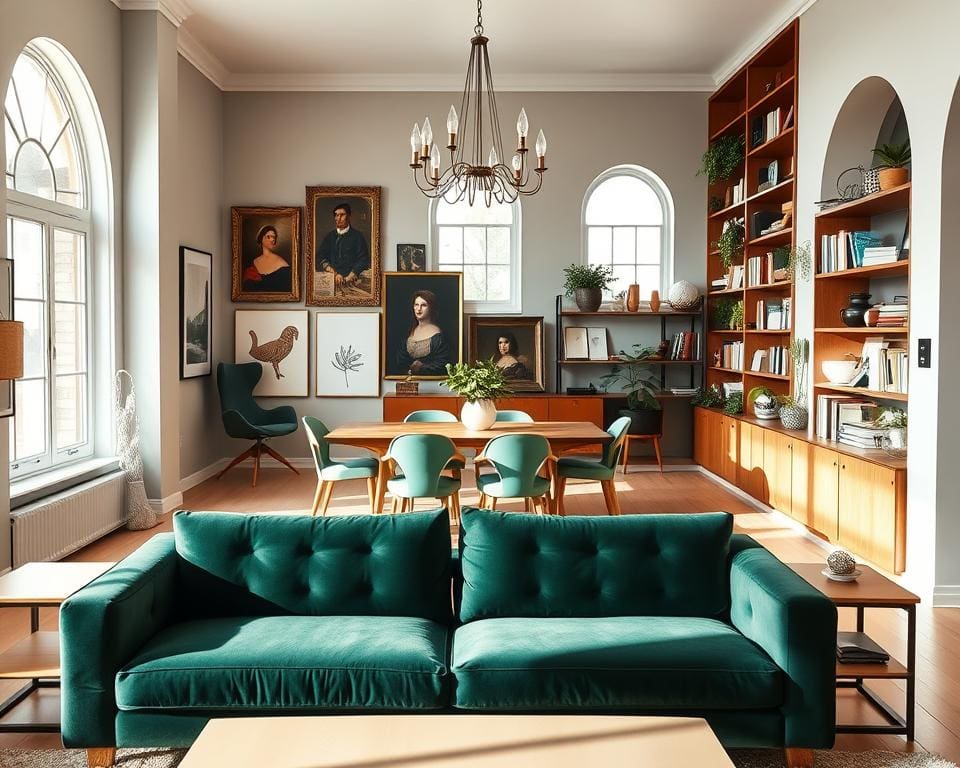
Achieving a harmonious balance between modern and classic design can enhance your home’s aesthetic and functionality. By thoughtfully blending modern and classic interior styles, you can create spaces that not only reflect your personality but also embrace timeless elegance. This guide will explore key principles and interior design tips, offering insights into how you can seamlessly merge these contrasting yet complementing design philosophies in your home decor.
Understanding the Essence of Modern and Classic Design
Exploring the interplay between modern and classic interior styles unveils a rich tapestry of design characteristics that can elevate a space. Each approach brings its unique essence, appealing to different tastes and preferences. Grasping these fundamental elements forms a crucial basis for any interior design philosophy.
Defining Modern Interior Style
The modern interior style typically embodies a minimalist aesthetic, prioritising clean lines and functional spaces. This approach employs a variety of materials such as glass, metal, and innovative textiles, which offer a contemporary flair. The focus shifts towards simplicity, stripping away unnecessary embellishments to celebrate form and function harmoniously. This style encourages open spaces that exude a sense of freedom and tranquillity.
Key Characteristics of Classic Interior Style
In contrast, classic interior style resonates with timeless elegance and symmetry. This style is characterised by rich textures, intricate detailing, and the use of antique furnishings, which impart a sense of history and sophistication. The harmonious arrangement of elements reflects a well-thought-out composition that tells a story, showcasing craftsmanship that withstands the test of time. Incorporating these elements creates an inviting atmosphere, blending comfort with style.
How do you blend modern and classic interior styles?
Creating a stunning balance between modern and classic interior styles begins with understanding your personal aesthetic. This foundation allows homeowners to navigate the intricacies of blending styles while ensuring their space remains uniquely theirs. Recognising your design preferences, including colour palettes, favourite materials, and sources of inspiration, plays a vital role in achieving a cohesive look.
Finding Your Personal Aesthetic
To establish a harmonious blend of modern and classic elements, start by exploring your personal aesthetic. Consider the following steps:
- Evaluate Your Preferences: Reflect on your favourite designs and colours. Which styles resonate with you most? Are you drawn to bold contemporary patterns or the subtle elegance of classic motifs?
- Research Inspirations: Gather images and ideas from magazines, Pinterest, or design blogs. Notice which pieces stand out and encapsulate your vision.
- Identify Key Elements: Determine materials that appeal to you, such as wood, metal, or textiles. Think about how these can be integrated into your interior design.
- Experiment with Combinations: Try pairing modern furnishings with classic decor items. Experimenting will help clarify how to achieve a cohesive look that represents your taste.
As you assess these aspects, remember that blending styles is an artistic journey. Embrace the process and let your individuality shine through your choices.
Colour Schemes that Harmonise Both Styles
Colour plays a crucial role in blending modern and classic interior styles, creating a cohesive atmosphere that resonates with both aesthetics. Careful selection of colour schemes can enhance the intrinsic characteristics of each style, establishing an inviting and balanced design throughout the space.
Complementary Tones for Balance
Utilising complementary tones can effectively unify the dynamics of modern and classic elements. Warm wood hues can soften the contrasts with cooler modern colours, promoting a sense of warmth and comfort. For instance, pairing rich navy with soft beige or olive green can yield a balanced visual effect that highlights the beauty of both styles. When executed thoughtfully, colour contrasts encourage harmony, contributing to an overall comfortable ambience. The careful interplay of tones fosters a connection between new and traditional pieces, enhancing their mutual appeal.
Using Neutrals to Create Flow
Neutral tones serve as the backbone of a harmonious design, creating a fluid transition between modern and classic aesthetics. Soft greys, off-whites, and warm beiges function as ideal backdrops, allowing vibrant accent colours to shine. Incorporating neutral bases establishes a sense of calm and serenity within the space, ensuring that different elements coexist without clashing. As you consider your colour palette, reflect on how these neutral tones can establish flow throughout the design, creating a seamless environment that welcomes both heritage and innovation. For inspiration on blending styles effectively, explore ideas outlined in this guide.
Furniture Selection: Choosing the Right Pieces
Strategic furniture selection plays a crucial role in achieving a harmonious blend of modern and classic interior styles. When you aim to curate a space that reflects both worlds, the right pieces can enhance the overall aesthetic. Modern furniture can provide a sleek counterpoint to classic design elements, elevating your interior decor.
Modern Furniture to Enhance Classic Elements
Incorporating modern furniture, such as contemporary sofas or minimalist chairs, can anchor a room that features traditional pieces. For example, a clean-lined sectional in a neutral hue can beautifully juxtapose with a classic wooden dining table adorned with intricate carvings. This pairing not only highlights the craftsmanship of the traditional piece but also allows the modern element to shine through. Consider items like the Eames Lounge Chair or a Scandinavian-inspired coffee table to create an appealing balance.
Classic Pieces that Complement the Modern Look
On the flip side, classic furniture can serve to enrich a modern space, providing character and warmth. A vintage armchair or a beautifully crafted antique sideboard can add layers of interest to an otherwise minimalistic decor. The juxtaposition fosters a dynamic atmosphere, engaging the viewer and inviting them to explore the nuances of your interior design. Think about incorporating statement pieces, like a traditional Chesterfield sofa or a detailed French Provincial dresser that harmonises with modern accents while maintaining their own timeless charm.
Textiles and Patterns: Weaving Together Styles
Textiles play a pivotal role in achieving a harmonious blend of modern and classic interior designs. When integrating fabrics, the choice of materials can significantly influence the overall atmosphere of a space. By thoughtfully layering textures, one can create inviting environments that uphold the beauty of both styles.
Layering Textures for Depth
Layering textures adds emotional depth and richness to any room. Combining soft velvets, robust linens, and natural fibres creates contrast and invites touch. Consider using an array of textiles such as fluffy throws, silk cushions, and knitted blankets. This artful combination allows the eye to wander, enhancing the space’s visual appeal and comfort.
Patterns that Bridge the Gap
Incorporating diverse interior design patterns can effortlessly bridge the gap between modern and classic styles. Geometric designs can juxtapose with intricate florals to create a visually engaging environment. Using a mix of bold and subtle patterns elevates the aesthetic while ensuring cohesion. Selecting the right textiles and patterns will unify your design, making the space feel well curated and inviting.
Art and Accessories: Personal Touches Matter
Art and home accessories play a vital role in creating a unique environment that reflects personal style. The right art selection can serve as a powerful statement, bridging the gap between modern and classic designs. Selecting pieces that resonate emotionally or aesthetically allows for meaningful personalisation, making a house truly feel like home.
Curating Artwork that Blends Styles
When curating artwork, consider pieces that effortlessly blend both styles. For instance, incorporating contemporary paintings within traditional frames can create a striking contrast while respecting the essence of both aesthetics. Artwork featuring modern techniques juxtaposed with classic themes enhances visual interest and serves as a conversation starter.
Selecting Accessories to Tie the Look Together
Carefully chosen home accessories, such as vases, decorative bowls, or sculptures, can bring cohesion to any space. Opt for items that harmonise with your chosen interior decor finishes, allowing them to complement each other beautifully. A vintage vase filled with fresh flowers can infuse warmth while adding a hint of modern charm to an otherwise classic arrangement.
Lighting: The Key to Setting the Mood
Lighting design plays a crucial role in establishing the overall atmosphere of a space, particularly when blending modern and classic interior styles. By thoughtfully selecting the right lighting fixtures, homeowners can create an inviting and stylish environment that complements both aesthetics.
Incorporating ambient lighting is essential for achieving a welcoming interior mood. Consider using a mix of modern lighting fixtures alongside traditional elements, such as elegant chandeliers. This combination allows for a perfect balance between the refined charm of classic style and the sleek sophistication of contemporary design.
To enhance the interplay between styles, layering light sources is key. Focus on integrating task lighting for functionality and accent lighting to highlight specific features, creating a harmonious glow that ties the room together. When executed thoughtfully, the result is a cohesive space where modern and classic elements coexist beautifully, enveloped in a warm and inviting ambience.