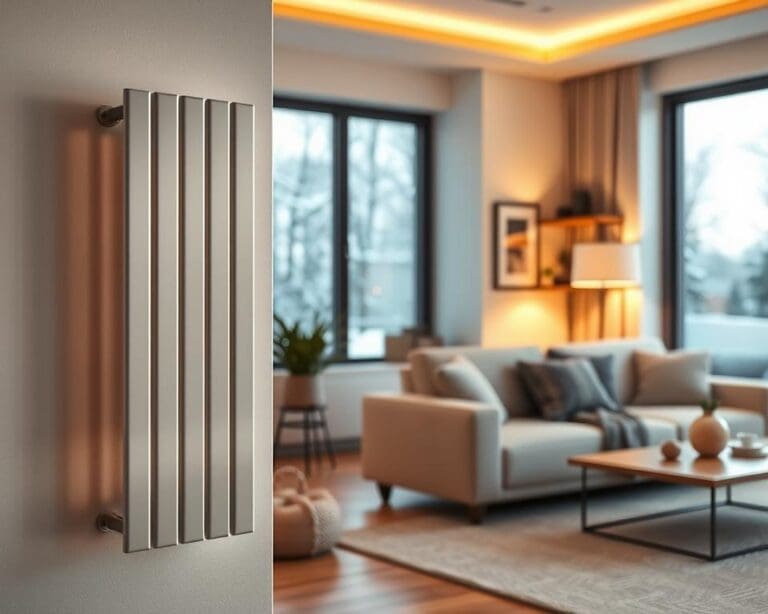
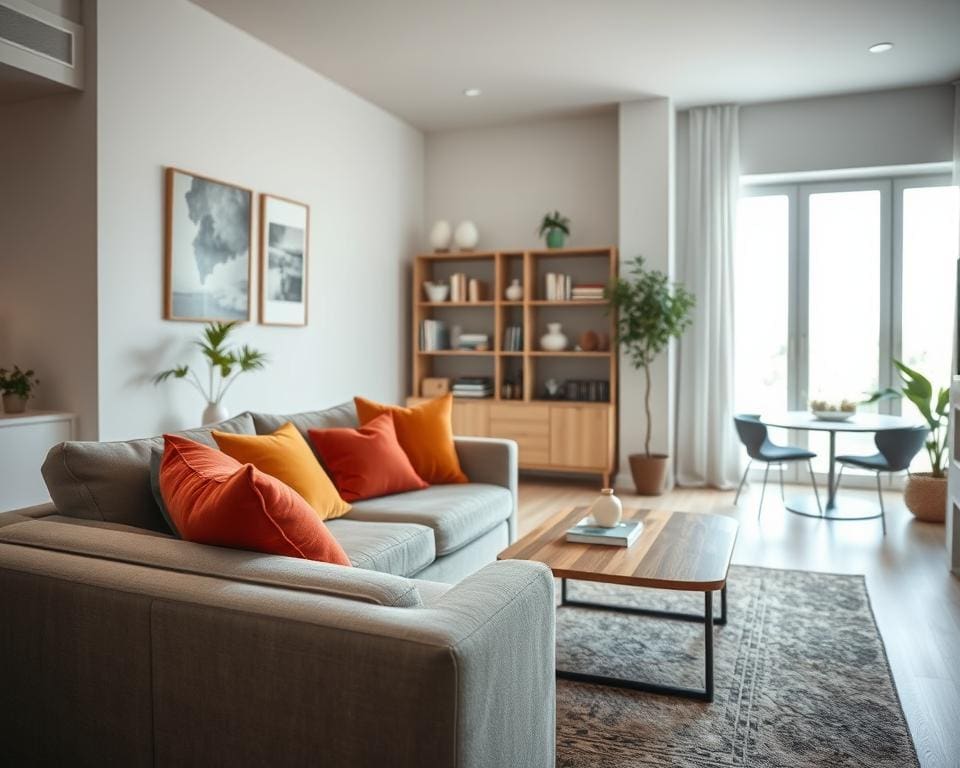
Selecting the right pieces to enhance your living environment is a crucial part of successful interior design. To choose furniture that fits your space, it’s essential to consider various elements that define a harmonious home. Thoughtful furniture selection goes beyond aesthetics; it’s about creating a functional and inviting atmosphere. From understanding the dimensions of your rooms to defining your personal style, the process can inspire countless home furniture ideas. Remember, the right furniture enhances not only the beauty of your home but also its practicality, ensuring every piece complements your lifestyle.
Understanding Your Space
To create a harmonious living area design, a clear understanding of your space is essential. This starts with a diligent space assessment, which allows for informed choices that reflect both aesthetics and functionality. Understanding room dimensions forms the bedrock of this process, as it influences every aspect of furniture selection.
Assessing Room Dimensions
Accurate room measurement serves as a foundational step in the furniture selection journey. Measure the length and width of each room, taking note of architectural features that may affect layout flow. Pay attention to the height, particularly in rooms with high ceilings, which can provide opportunities for vertical storage solutions. To avoid overcrowding and ensure comfortable movement, adhere to recommended spacing guidelines:
- Maintain at least 60 cm of clearance around pathways for ease of access.
- Leave 30 cm to 50 cm between furniture pieces to facilitate conversation and movement.
- Consider the scale of furniture in relation to room dimensions to maintain balance.
Evaluating Layout and Flow
Once room dimensions have been established, the next step involves evaluating the layout flow. This includes determining how furniture placement influences the atmosphere and functionality of the room. Visualise the intended purpose of the space, whether it’s for relaxation, entertaining or working. Optimising layout flow entails:
- Arranging seating to promote conversation and connection among users.
- Aligning furniture to accommodate natural movement paths, ensuring accessibility.
- Utilising furniture to create distinct zones within larger living spaces.
How do you choose furniture that fits your home?
Selecting the right furniture involves a careful balance between your personal taste and the functional requirements that your space demands. Establishing a clear vision of your style shapes the overall atmosphere of your home while ensuring that the pieces you choose meet your everyday needs.
Defining Your Style
Your defining style reflects your unique aesthetic preferences, whether that leans towards minimalistic modernism, rustic charm, or vibrant eclecticism. Identifying these preferences helps to create a cohesive look across all areas of your home. Consider the following approaches to sharpen your style definition:
- Gather inspiration from interior design magazines, websites, and social media platforms.
- Create a mood board to visually assemble the colours, textures, and furniture styles that resonate.
- Evaluate your current possessions and consider what styles they showcase, aiding in aligning future purchases with your established aesthetic.
Identifying Functional Needs
Understanding your furniture needs means acknowledging how you will interact with each piece. Do you require versatile seating for entertaining guests, or a dedicated workspace? Each item should not only complement your style but also fulfil practical roles. To streamline this process, assess:
- Your daily activities and how furniture can enhance those experiences.
- Space constraints to ensure that pieces fit comfortably without overcrowding.
- Long-term usability to prioritise durability and multifunctionality.
By harmonising your defining style with your functional needs, you achieve a seamless design coherence that satisfies both your aesthetic desires and practical living requirements.
Material Matters
Choosing the right furniture materials serves as the foundation for creating a beautiful and functional living space. This decision impacts both durability and aesthetic appeal, vital for any home. Selecting durable options protects your investment and ensures lasting value over time.
Choosing Durable Options
When evaluating furniture, consider the d urgability of various materials. Solid wood pieces often remain timeless due to their inherent strength and longevity. Metal furniture also offers resilience, especially in outdoor settings. Upholstery choices, such as leather or synthetic fabrics, significantly influence both durability and ease of maintenance. Synthetic options, like nylon and polypropylene, provide affordability while maintaining strength, making them suitable for homes with children and pets. Explore online resources to understand better the range of available furniture materials that align with your lifestyle.
The Impact of Texture and Colour
Texture and colour choices can transform the atmosphere of any room. Different textures, such as soft velvet, sleek leather, or woven fabrics, contribute to the initial sensory experience and visual aesthetics. Mixing materials enhances depth and interest, creating a layered look that captivates. Colour options, from vibrant hues to neutral tones, influence mood and the overall vibe. Warm colours often encourage a more inviting space, while cool shades promote calmness. Finish options further enrich your selections, offering gloss or matte surfaces that cater to personal style preferences.
Budgeting for Furniture
Understanding the financial aspect of furnishing your home is crucial for making informed decisions. Effective furniture budgeting allows for a well-planned approach, ensuring you can choose pieces that harmonise with your style while staying within your financial limits. By setting a realistic budget, you can avoid overspending while discovering the delightful spectrum of options available.
Setting a Realistic Budget
Creating a realistic budget begins with a comprehensive analysis of your current financial situation. Consider the following steps to facilitate this process:
- Assess your total income and expenses to understand what you can allocate for furniture.
- Prioritise key pieces that require immediate attention, such as a sofa or dining table.
- Incorporate potential costs for delivery and assembly, as these can add up.
Establishing this groundwork enables you to craft a budget that feels attainable while preventing impulse purchases. By embracing cost-effective strategies, you can navigate the market confidently.
Exploring Affordable Vs. High-End Options
When considering furniture, you will encounter a broad array of choices ranging from affordable furniture to high-end options. Each has its unique merits:
- Affordable Furniture: Budget-friendly selections often come from local thrift shops or popular retailers like IKEA. You will find stylish items at reasonable prices.
- High-End Options: Investing in premium pieces from established brands such as Heal’s or Habitat can yield durable furniture that stands the test of time.
When blending these styles, remember that mixing affordable finds with high-end items can create a unique aesthetic. Embrace the opportunity to craft a space that is not only beautiful but also aligns with your realistic budget.
Shopping Strategy
Embarking on your furniture shopping journey necessitates a well-defined shopping strategy to ensure your selections align seamlessly with both your aesthetic and practical needs. By implementing effective buying techniques, you can navigate the myriad of choices available, making informed decisions that will enhance your home. Start with meticulous researching options online to gain a comprehensive understanding of various styles, materials, and prices before stepping into a store.
As you explore potential pieces, note down key furniture selection tips—such as the importance of functionality alongside design. Create a comparison list of your favourite items to weigh their pros and cons. This will not only solidify your preferences but also empower you to make decisions that complement your space and budget. Be strategic about timing, too; keeping an eye on seasonal sales and discounts can lead to significant savings and extraordinary finds.
Consider the balance between online shopping and in-store experiences. While online platforms may offer more discounts, physically testing pieces can provide invaluable insight into comfort and quality. As you refine your shopping strategy, trust your instincts and aim for a coherent look that combines your style with practicality. This thoughtful approach will pave the way for a successful furniture-buying experience, turning your vision for your home into reality.