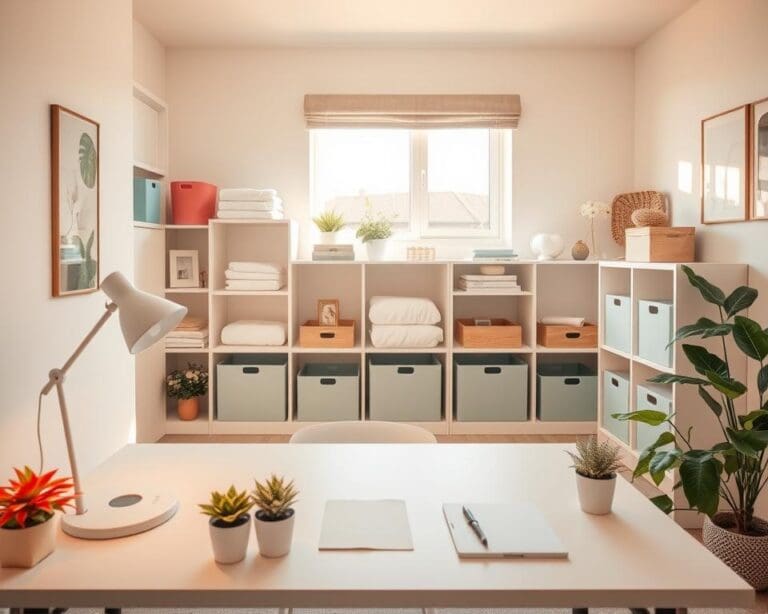
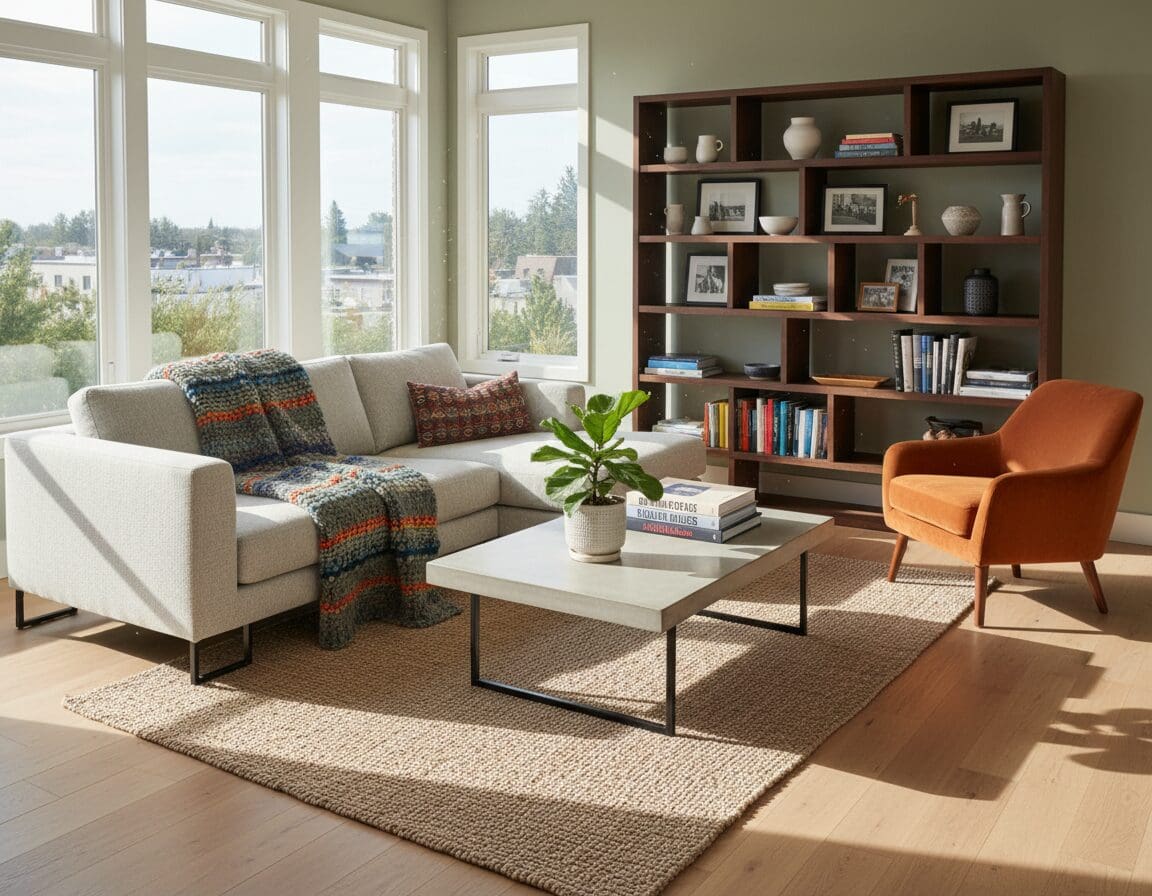
Choosing furniture for a UK home is more than picking pretty pieces. This short home furniture guide helps homeowners, landlords and tenants find items that balance style, comfort and practicality.
Good furniture affects daily comfort and the value of a property. In period terraces, modern flats and suburban semis the right choices make rooms more useful and reflect your personality. These furniture home tips are written to work across those common British contexts.
Follow a clear step-by-step approach: first understand your space and lifestyle, then define style and finishes, set a budget and source pieces, and finally place and maintain them. Each section builds on the last so you can move from planning to buying with confidence while keeping sustainability and long-term value in mind.
By the end you will have practical measuring skills, a useful vocabulary for materials and construction, a framework for prioritising buys, safe online shopping strategies for the UK, and actionable styling and maintenance ideas. Start by taking measurements and making a simple wishlist before you shop — this guide to furniture selection UK will walk you through the rest.
Understanding your space and lifestyle
Begin by learning how your rooms breathe and behave. A clear sense of proportions, light and daily routines makes choosing furniture easier and more rewarding. These brief checks save time and money while guiding style and function decisions.
Assessing room dimensions and layout
Measure room length, width and ceiling height before you buy. Note doors, windows, radiators and alcoves to avoid surprises when you place a sofa or cabinet.
Use scale drawings or apps such as MagicPlan or RoomSketcher to visualise options. That helps you follow practical room layout tips and decide where to measure furniture space for a good fit.
Allow circulation clearances: aim for 60–90 cm walking routes and 30–45 cm between a coffee table and sofa. In compact UK flats, look at multifunctional pieces like sofa beds or extendable tables to make the most of usable floor area.
Evaluating natural light and focal points
Track light across the day to match fabrics and finishes to each aspect. North-facing rooms suit muted tones and textured fabrics, while south-facing rooms cope well with bolder colours and sheens.
Identify focal points such as a fireplace, bay window or built-in shelving. Arrange seating to highlight these features or balance them with furniture groupings and mirrors.
Choose window treatments that control glare yet keep the room feeling airy. The right blinds or curtains complement scale and make natural light furniture choices more effective.
Considering household members and daily use
Think about who uses each room. Families with young children and pets need tough, stain-resistant fabrics and rounded edges to reduce mishaps.
For regular entertaining choose flexible seating and durable dining surfaces with built-in storage to minimise clutter. Solo occupants and home workers should prioritise ergonomic desks and clear zoning for work and relaxation.
Prioritising comfort, functionality and traffic flow
Test sofas and chairs in-store for seat depth, back support and arm height. A typical sofa seat height sits between 40–45 cm for comfortable posture.
Arrange conversation groupings and keep clear routes to doors and the kitchen to preserve a smooth traffic flow living room. Place task lighting where you read and softer lights for ambience.
Plan concealed and clever storage: ottomans with lids, underbed drawers and hallway consoles all help maintain flow. These choices support family-friendly furniture without sacrificing style.
furniture home tips for selecting styles and finishes
Choosing furniture involves more than picking pretty pieces. Start with a simple style brief that lists preferred colours, mood and materials. Visit showrooms such as Heal’s or Barker and Stonehouse and build a Pinterest board or photograph rooms you love to help define your taste.
Defining your style: modern, traditional, eclectic or minimalist
Modern rooms favour clean lines, neutral palettes and functional forms. Traditional spaces show classic silhouettes, rich woods and decorative detail. Eclectic interiors bring together curated finds from different periods and cultures to tell a personal story. Minimalist schemes rely on pared-back pieces, restrained palettes and multifunctional furniture.
To discover your style, collect images that make you feel calm or excited. Compare common threads and turn them into a short brief that guides purchases across rooms and helps maintain coherent furniture styles UK choices.
Choosing durable materials and appropriate finishes
Select materials with longevity in mind. Solid hardwoods such as oak and ash repair well and last for decades. Engineered boards offer affordability with reasonable stability. Metals like steel and brass work well for modern frames and last through heavy use.
For upholstery choose wool blends or performance fabrics for wear resistance. Leather develops patina but needs care. Test small samples and ask for fabric swatches before committing.
Consider furniture finishes carefully. Lacquer gives a smooth look, oil and wax allow repair, and powder-coating suits metal in damp British climates. Match finishes to expected wear and maintenance ability when choosing durable furniture materials.
Mixing textures and colours to create cohesion
Use a simple palette rule: one dominant colour, one secondary and one accent. Neutrals work well as a base while cushions, rugs and accessories add colour. Introduce texture through rugs, throws, woven baskets and a mix of wood, metal and glass to enrich a scheme.
Pay attention to scale and proportion. Balance a large sofa or wardrobe with lighter side tables and shelving to avoid a heavy feel. Keep variety in finish and materials to prevent a flat look, but avoid repeating the same finish too often when mixing textures interiors.
Selecting statement pieces versus practical items
Statement pieces act as focal anchors and show personality. Examples include an attention-grabbing sofa, a sculptural armchair or a dramatic dining table. Pair these with practical items such as storage units, comfortable everyday seating and easy-clean surfaces.
Follow simple decision rules: invest in frequently used pieces like the sofa, bed and main dining table. Be selective with trends and high-cost accents. Use statement furniture tips to ensure standout items suit the room’s scale and light, and complement the broader choice of furniture finishes and durable furniture materials.
Budgeting, quality and where to buy
Deciding where to spend and where to save will shape how your home looks and feels for years. Start with a clear furniture budget UK that covers purchase price, delivery, assembly and any disposal fees. Treat big, long-term items as priorities: a sofa or a bed deserves a larger share of the budget, while cushions and lamps can sit lower on the list.
Setting priorities
Create a tiered list of must-haves, nice-to-haves and optional pieces. Aim to allocate roughly 20–30% of a living-room budget to the sofa and place mattress and bed at the top of the bedroom spend. Remember to factor in extras such as protective treatments and local council disposal if you need to part with old items.
Financing and practical costs
Many UK retailers, including DFS and Heal’s, offer interest-free credit at times. Read the small print and compare representative APRs before committing. Add likely fees for delivery and assembly into your plan so surprises do not blow your budget.
Recognising good build quality
Use furniture quality tips when inspecting pieces. Look for solid frames made from kiln-dried hardwood, dovetailed drawer joints and corner joints that are double dowelled. For upholstered seating, high-density foam with coil or serpentine springs lasts longer than cheap fillings. Check for FIRA or FSC certification and ask about warranties from retailers and makers.
Value over time
A well-made item often costs more up front but reduces replacement frequency. Think lifecycle value rather than lowest price. Provenance and clear aftercare from reputable UK brands give reassurance and help retain resale value.
Choices: bespoke, high-street or second-hand
Bespoke furniture UK offers a perfect fit and unique finishes from local joiners and craft workshops. Lead times and cost are typically higher, but the result can be highly personal. High-street names such as IKEA, John Lewis and Made.com deliver fast options with predictable returns, though quality varies by model. Second-hand furniture finds from the British Heart Foundation, Oxfam, auction houses or online marketplaces can be exceptional value.
Risks and rewards of second-hand
Buying used reduces environmental impact and can yield rare pieces. Inspect items carefully for pests such as woodworm, structural damage and compliance for upholstered goods. Ask for receipts or provenance when possible to avoid problems later.
Shopping online with confidence
Use reviews, Trustpilot ratings and clear contact details to verify sellers before you buy. Measure your space precisely and request fabric or finish samples. Understand delivery windows, assembly charges and returns policy so you can act within the seller’s process.
Returns and consumer rights
UK consumer law generally allows cancellation of most online purchases within 14 days under the Consumer Contracts Regulations. Photograph items on delivery and report any damage promptly. Keep paperwork and consider transit insurance for high-value pieces to protect your investment and make online furniture shopping returns straightforward.
Practical placement, maintenance and styling tips
Place seating in the living room around a clear focal point, such as a fireplace or television, and use a rug to define conversation areas. In the dining room, allow about 90 cm clearance around the table so chairs can be pulled out comfortably. In the bedroom, position the bed to allow access to both sides and avoid blocking radiators or windows to aid airflow and comfort. These furniture placement tips also cover acoustics: keep the TV at eye level, plan plug sockets for lamps and chargers, and use rugs or curtains to soften echoes.
For small spaces, think vertically and choose multi‑purpose pieces. Floating shelves, narrow console tables and storage ottomans keep floors clear and preserve openness. Incorporate this room styling advice early when measuring and planning so every purchase fits and adds function. Before you buy, request fabric or finish samples and create a concise style brief to guide decisions.
Routine furniture maintenance UK routines keep pieces looking their best. Vacuum and rotate cushions, and treat stains promptly following manufacturer care codes. Use a pH‑balanced leather cleaner for leather, a microfibre cloth and occasional oil or wax for wood, and consider performance fabrics like Crypton for homes with children or pets. Seasonally, tighten screws, inspect for wear and reapply protective finishes in damp weather to avoid swelling or mould.
Layer lighting to lift a scheme: combine ceiling lights with floor and table lamps to create mood and to highlight statement furniture. Accessorise with cushions, throws, artwork and plants to add texture and personality, and refresh soft furnishings each season rather than replacing major pieces. Finally, favour sustainable choices where possible—repair, reupholster or donate—and use retailers’ take‑back schemes. These interior styling tips and furniture care habits will prolong value, reduce waste and keep your home looking cohesive.