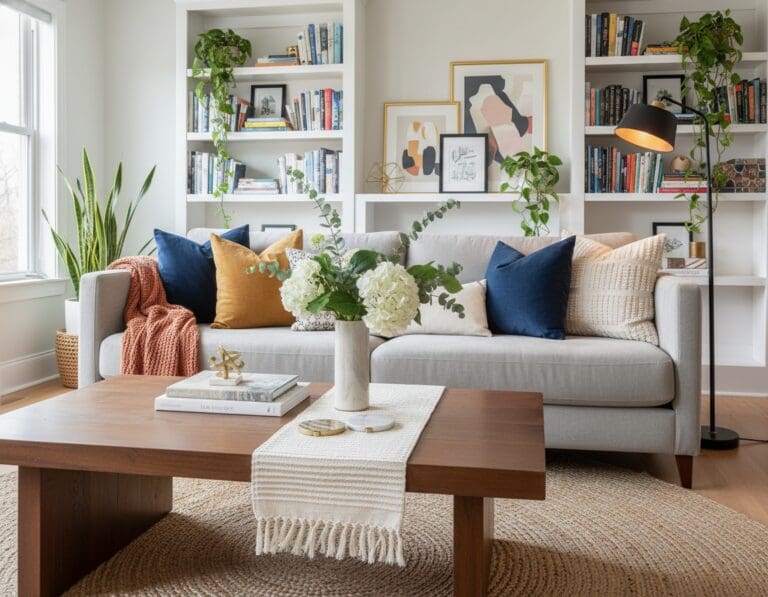
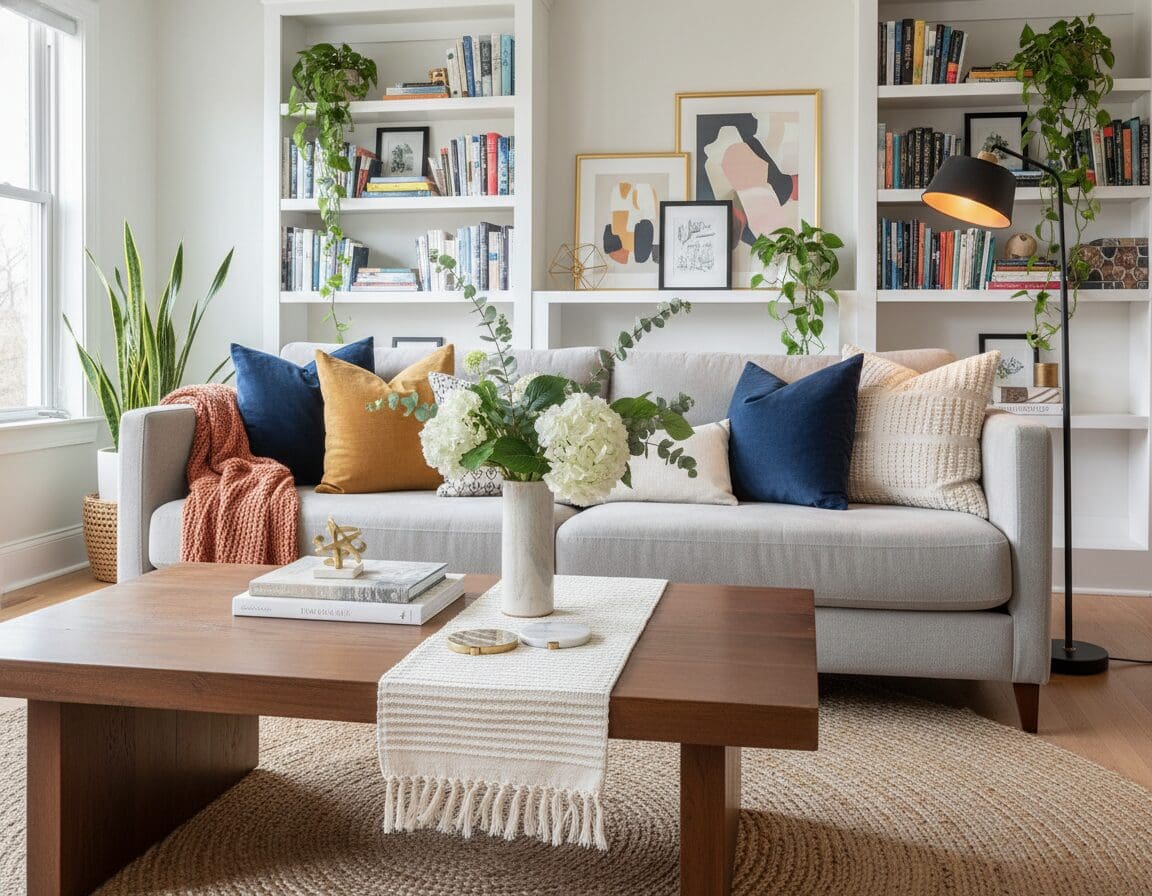
Choosing home accessories is the art of finishing a room so it feels like yours. Accessories include cushions, throws, rugs, lamps, vases, artwork, mirrors, trays, books, plants, candlesticks, decorative bowls and small furniture such as side tables or pouffes. These pieces are not structural, but they shape mood, add texture and bring colour to neutral architecture.
Accessories matter because they personalise space and make rooms feel lived-in. A carefully chosen lamp or rug can change how a room reads, while small changes—like new cushions or artwork—are often more cost-effective than replacing furniture. Whether you live in a compact London flat or a spacious suburban house, accessorising your home lets you refresh interiors without major renovation.
This guide helps readers across the United Kingdom decide how to choose home accessories with confidence. You will learn to identify style, assess function, plan size and placement, and mix trends with timeless pieces. Expect practical takeaways you can apply straight away.
For inspiration and shopping in the UK, consider John Lewis & Partners, Habitat, Made.com, Dunelm, The White Company, Graham & Green and Heal’s. Explore interiors via The Modern House and look to ethical labels such as Toast and Made Trade for sustainable options within the world of interior accessories UK.
Quick checklist: review the room’s purpose, photograph the space, measure key areas, choose a two to three colour accent palette, pick two to three textures, select a focal accessory and plan layering with soft furnishings, tabletop items, greenery and art. These simple steps make accessorising your home straightforward and enjoyable while supporting personalised home décor goals.
Understanding your style and the role of home accessories ideas
Before you buy anything, pause and look at the rooms you love. A short audit helps you identify personal style and makes decisions clearer. Snap photos of favourite corners, note three words that describe them and list the accessories that already work.
Identifying your personal aesthetic
Create a simple mood board with Pinterest pins or printouts from Elle Decoration, House & Garden and Livingetc. Save Instagram interiors from accounts that reflect Scandi minimalism, classic British or contemporary looks. Spot recurring colours, materials and shapes. Brands such as HAY and Muuto point to Scandinavian cues. Tom Dixon and Flos hint at contemporary taste. Laura Ashley and Loaf signal traditional British style.
Try a practical exercise: photograph three rooms, then list three adjectives for each, such as calm, layered or bright. This builds an interior style guide you can follow when choosing new pieces.
Assessing the function of accessories
Decide whether an item must be functional, decorative or both. Lamps, mirrors and storage baskets can solve everyday needs and lift a room’s look. Cushions and rugs add comfort and improve acoustics.
Think about how the room is used. In living rooms prioritise lighting and storage. For bedrooms, focus on bedding layers and bedside lamps. In kitchens pick decorative bowls and herb pots that remain practical. Choose durable materials for items that will be handled frequently, such as stain-resistant performance velvet from John Lewis or washable throws from Dunelm.
Check safety and compliance for electrical accessories in UK homes. Look for CE marking or UKCA where relevant and choose flame-retardant soft furnishings when needed.
Creating a cohesive palette and texture scheme
Start with an anchor palette: two neutrals and one or two accents. Use the 60-30-10 rule to balance dominant, secondary and accent colours. Test combinations with Farrow & Ball samples or the Dulux Visualizer app.
Layer textures to avoid a flat look. Pair smooth surfaces like glass and polished metal with wool, linen and tactile rattan. A thoughtful texture scheme adds warmth during cooler months and keeps rooms inviting year-round.
Mix patterns with restraint. Limit yourself to three pattern sizes—large, mid and small—and repeat a colour to unite them. Swap lightweight linens for summer and heavier wools for autumn and winter to keep the scheme fresh.
Practical considerations for size, scale and placement
Thoughtful room planning begins with clear measurements and a plan that respects proportions. Good choices for size and scale accessories make a space feel intentional rather than crowded. Use simple tools and a steady eye to turn measurements into confident arrangements.
Measuring and planning
Start by noting room dimensions, ceiling height, furniture sizes and walkway clearances. A laser measure or smartphone app helps when measuring for accessories so you do not rely on guesswork.
Draw a scaled floor plan on paper or try free tools such as SketchUp Free or IKEA Home Planner. Visualising placement lets you test accessory scale against sofas, tables and consoles before you buy.
Consider sightlines on entry. Decide on focal points like a mantelpiece, console by the front door or the coffee table in the living room. Factor budget into plans: invest in lighting, rugs or a mirror and refresh with smaller, lower-cost items.
Balancing scale across the room
Group objects in odd-numbered clusters, using three or five pieces of varying height and texture to add interest. This principle helps maintain a pleasing accessory scale throughout a space.
Match accessory proportions to furniture. Small vases look lost on a large coffee table and large sculptures overwhelm narrow consoles. Adjust scale so each item feels deliberate.
Work vertically to balance low sofas and chests. Tall lamps, floor plants and hung artwork draw the eye up and suit higher ceilings. Pay attention to visual weight: darker, denser items read as heavy and benefit from lighter or reflective partners.
Placement strategies for maximum impact
Layer surfaces for depth. Begin with a base such as a tray or runner, add medium elements like books or stacked boxes, then finish with smaller decorative objects or candles. This approach works on coffee tables and narrow consoles alike.
Choose a strong focal accessory, such as a statement rug or a large piece of art, then arrange supporting items around it. For everyday use, group a lamp, small plant and a stack of books on side tables to blend function and style.
Place mirrors to reflect natural light from windows to make rooms feel larger. Use table lamps and floor lamps to create warm pools of light for ambience. Keep safety and accessibility in mind: place breakables out of reach of children and pets, leave clear pathways and secure rugs with anti-slip pads for UK floors.
Mixing trends with timeless choices
Finding the balance between fresh looks and lasting pieces keeps a home feeling current and personal. A considered approach lets you mix trends and timeless elements without clutter or waste.
Incorporating seasonal and trending pieces responsibly
Introduce trending accessories 2026 through small, swap-friendly items. Cushion covers, vases and small artworks let you test colour, texture and motif without major expense.
Spot trends by following British interiors titles such as Grand Designs and House & Home, and Instagram accounts by designers like Kelly Hoppen and Abigail Ahern. Trade fairs such as Decorex reveal new directions each year.
Steer clear of committing to fads for big purchases. Avoid ultra-specific novelty prints for sofas or bespoke carpets that will date quickly.
Investing in timeless staples
Timeless home accessories anchor a scheme. A well-made sofa, a high-quality rug or a solid wood sideboard gives structure and comfort.
Look to British makers and heritage brands such as Ercol for timber furniture and Heal’s for design classics. Choose pieces that can be reupholstered or refurbished to extend life and value.
Maintain items with proper finishes, protective pads and professional rug cleaning. Long-term care preserves function and style.
Sustainable and ethical considerations
Prioritise sustainable home accessories UK by choosing natural fibres like wool, organic cotton and linen, plus FSC-certified timber and recycled glass. Low-VOC paints from brands such as Farrow & Ball cut indoor pollution risks.
Support ethical decor by selecting brands that publish supply-chain details and fair-labour practices. MADE Trade and The Citizenry are examples of companies that emphasise transparency and artisan partnerships.
Upcycling and shopping second-hand reduces waste and yields unique finds. Browse UK charity shops, antiques centres and marketplaces such as eBay or Facebook Marketplace for characterful pieces.
Check labels and certifications before buying. Look for FSC timber, GOTS organic textiles and OEKO-TEX chemical safety marks to make informed, lasting choices.
Styling tips, mood-setting and personalisation
Start small and edit: place a curated selection of accessories, photograph the arrangement, then remove anything that feels redundant. This simple edit stops clutter and helps you learn which pieces work. Use height and repetition—candlesticks, vases and stacked books add vertical interest, while repeating a colour or material across rooms binds the scheme together and supports decorative styling UK minds respond to.
Try symmetry for calm or asymmetry for energy. Flanking lamps on a console create a formal, restful feel; an eclectic cluster on a side table feels more relaxed. Rotate cushions and throws seasonally and swap small artworks or plant positions as a low-cost refresh. These refreshing rituals keep rooms feeling new without a full makeover and form excellent styling tips for home upkeep.
Set the mood with layered lighting and scent. Combine ambient, task and accent lighting and choose warm bulbs (2700K–3000K) for a cosy British atmosphere. Add mood-setting accessories such as scented candles or reed diffusers from Jo Malone or Neom and introduce soft background music. Layer textiles—rugs, cushions and throws—to create a tactile warmth that suits cooler UK months.
Personalise your home by displaying meaningful objects: travel finds, family photographs in matching frames, favourite books and heirlooms. Create lifestyle zones—a reading nook, a morning coffee station or a creative corner—and consider commissioning bespoke textiles or ceramics from local makers. Take a photo, pick one zone to accessory this weekend and use the 60-30-10 rule; accessories are low-risk, high-impact tools to personalise your home and bring confidence to your decorative choices.