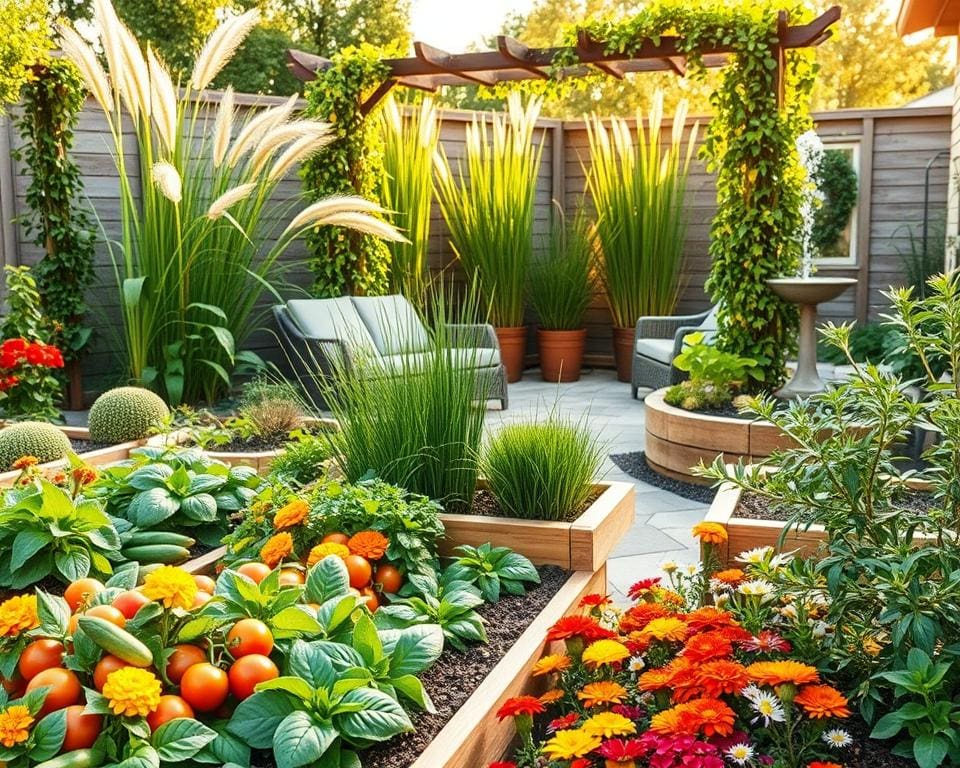
Creating a functional garden layout begins with a clear intention: decide whether your space is for dining, play, growing food, wildlife or quiet relaxation. Let purpose lead the plan and the rest follows. A thoughtful outdoor garden design improves usability, accessibility and maintenance while supporting biodiversity and aesthetic harmony.
Start by measuring the garden accurately—note dimensions, levels and fixed elements such as the house, fences, trees and drains. Sketch a simple base plan on graph paper or use SketchUp Free or Garden Planner to test backyard layout ideas. Mark sun paths, prevailing winds and microclimates so sun and shade guide planting and circulation.
Core principles to keep in mind include scale and proportion, clear circulation and sightlines, soil and drainage, and a balance between hardscaping and planting. Place focal points to draw the eye and arrange paths to create natural flow between zones. These basics make any functional garden layout feel coherent and inviting.
UK gardens need extra attention to weather and growing season. Choose hardy plant species and durable materials that cope with damp conditions and shelter areas from northerly winds. Check local planning rules before adding large sheds or raised decking, and source plants and materials from local garden centres such as Dobbies or RHS plant centres and reclaimed suppliers to reduce carbon footprint.
Practical steps early on—measure, draw, map sun and wind, and list fixed features—save time and money later. Follow this guide and you will transform your outdoor space into a practical, beautiful haven tailored to your lifestyle and budget, with garden layout ideas suited to garden planning UK realities.
Garden layout ideas for small and large outdoor spaces
Begin with a quick site survey to shape your plan. Measure length, width and any level changes. Note shade patterns at morning, midday and late afternoon to complete a practical garden sunlight assessment. Test soil for pH and texture, spot sheltered corners and frost pockets, then check drainage after rain to find waterlogged areas. Record boundaries and neighbour sightlines so proposals respect rights to light and local regulations.
Assessing your space and sunlight
Use a simple sun-path check or apps such as Sun Seeker to map exposure. Place sun-loving vegetables where light is strongest and shade-tolerant ferns in cooler corners. Mark routes for runoff and consider permeable paving to manage water flow. Keep a clear note of microclimates; that information shapes plant choice and seating placement.
Design approaches for small gardens
For a small garden layout, think vertical and multi-use. Trellises, living walls and stacked planters free floor space. Choose compact cultivars and dwarf fruit forms like cordons and espaliers to gain edible yields without bulk.
Use long sightlines, light-coloured paving and diagonal layouts to make space feel larger. Built-in benches with storage and fold-away seating maintain openness. Opt for durable decking or porcelain paving suited to British weather.
Scaling up: layout tips for larger gardens
In a large garden design, create primary zones such as a formal lawn, kitchen garden and a meadow. Add winding paths and varied surfaces so visitors discover views gradually. Frame vistas with specimen trees or clipped hedges for focal points.
Terraces and retaining walls control slopes while long vistas give a sense of order. Include practical infrastructure like sheds, potting areas and compost bays. Plan for vehicle access if you expect large equipment for upkeep.
Accessibility and maintenance considerations
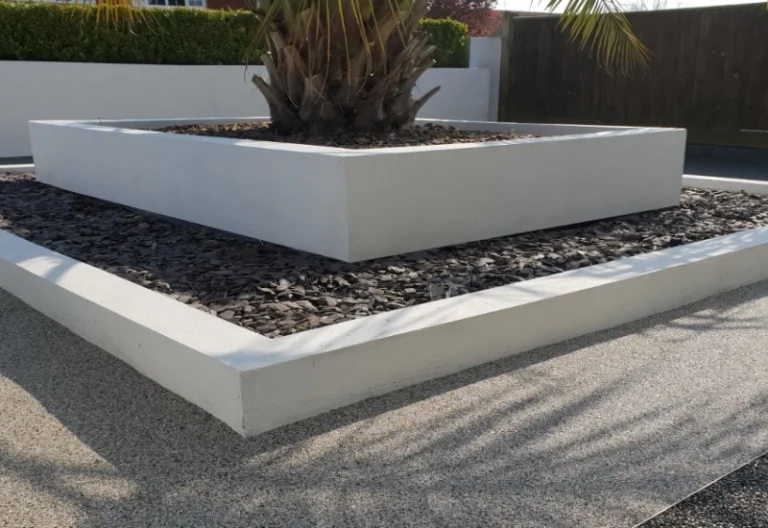
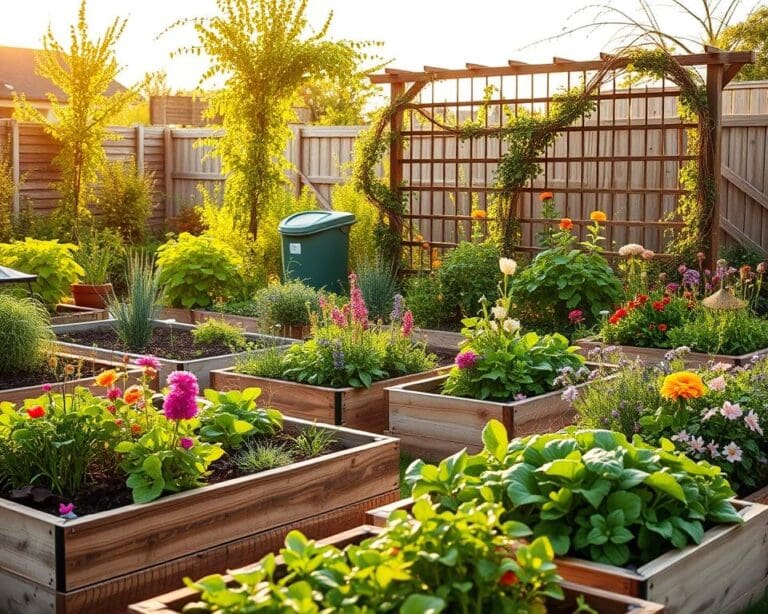
Adopt universal design to make spaces welcoming. Level or gently ramped paths with minimum widths suit wheelchair users. Choose firm, non-slip surfaces such as textured natural stone or resin-bound gravel. Raise beds to 450–750mm for easier tending.
Prioritise low-maintenance garden ideas like perennial drifts, native hedging and mulched beds to cut routine work. Fit service access to taps, waste bins and tool stores to reduce effort. Consider time-saving investments such as drip irrigation and timers to keep the garden manageable across seasons.
Creating functional zones: dining, planting and relaxation
Good garden design begins by dividing the outside space into clear, useful areas. Thoughtful arrangement of garden zones helps you host, grow and unwind with ease. Place the most used activities nearest the house and shape quieter corners for rest.
Defining activity zones
List primary activities first: an outdoor dining area for meals, a vegetable patch for herbs and veg, a play space for children and a calm seating nook for quiet. Sit the dining and entertaining space close to the back door to make serving simple.
Choose sunny, sheltered spots for vegetable plots and position play areas where indoor rooms can keep an eye on them. Balance proportions so a patio fits a table with room to move, and use screens or low walls as buffers between busy and calm zones.
Connecting zones with paths and sightlines
Garden paths and sightlines should guide movement and reveal surprises. Lay clear routes between the house, service points and garden rooms. Use a mix of widths: narrow garden paths for intimate corners and wider promenades for heavy use.
Frame views with gates, arches or specimen plants to draw the eye. Place focal points at the end of vistas to encourage exploration. Choose durable surfaces that suit maintenance needs, and add subtle solar or low-voltage lighting for safe evening use.
Integrating practical features
Practical garden features make daily life simpler. Install hose points and consider drip irrigation for beds plus rainwater harvesting to cut water use. Provide discreet storage near work areas, such as benches with internal space or a timber shed.
Plan external power points for lighting and appliances. Improve soil and add rain gardens to manage runoff. For family gardens, select non-toxic plants, soft-edge lawns and secure gates for safety.
Furniture and hardscape choices that support function
Select hardy materials that stand up to UK weather. Choose hardwoods like teak or certified timbers for longevity. Powder-coated aluminium offers low maintenance and porcelain paving resists frost and staining.
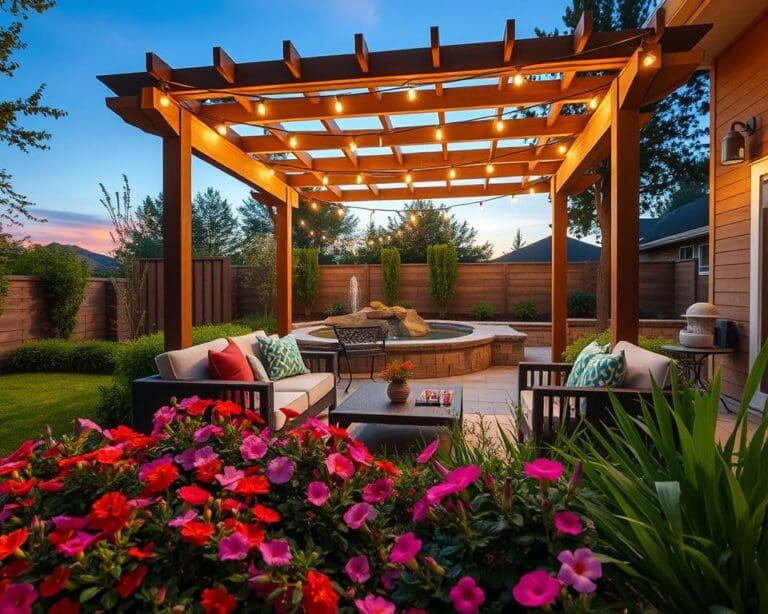
Use adaptable furniture and built-in elements to maximise use: benches that store cushions, raised planters that double as screens and pergolas or retractable canopies for shelter. Keep ergonomics in mind so seating and table sizes leave comfortable circulation for serving and movement.
Planting schemes and aesthetic strategies to enhance functionality
Thoughtful planting schemes turn gardens into purposeful spaces. Use evergreen hedging such as Portuguese laurel, box or yew to define rooms and give year-round structure. Native hedgerows of hawthorn, blackthorn and field maple add biodiversity and cut maintenance, supporting a balanced, resilient layout.
Layering—groundcover, perennials, shrubs and small trees—creates depth, suppresses weeds and reduces mowing. Combine spring bulbs with summer perennials like lavender and achillea, add autumn grasses such as stipa and carex, and include winter berries from holly or cotoneaster to ensure continual interest and practical planting across seasons.
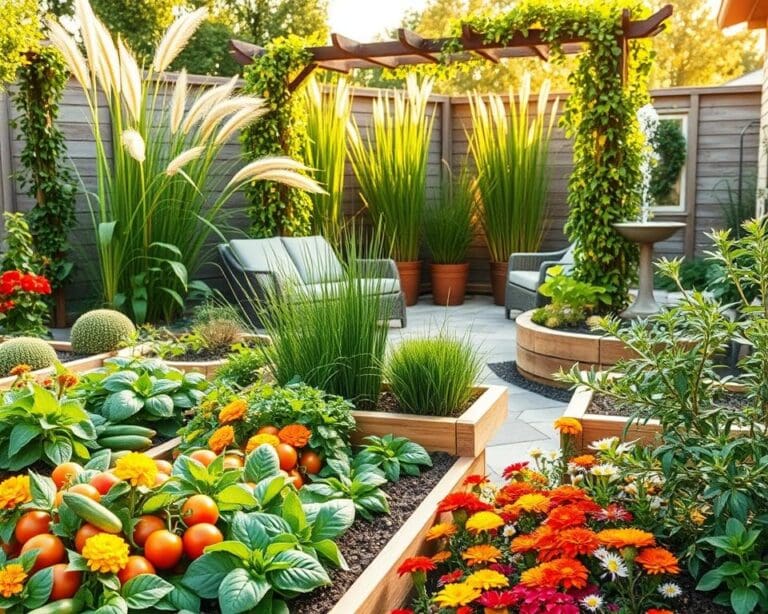
Practical plant combinations UK gardeners favour include kitchen-garden integrations and wildlife-friendly corners. Espaliered apple trees and raised beds with herbs and salad leaves pair well with marigolds or nasturtiums for companion pest control. Nectar-rich perennials such as verbena bonariensis and buddleja, plus native wildflower meadows and log piles, invite pollinators and amphibians while avoiding invasive species.
Choose a planting palette to match your desired look and upkeep. Formal schemes use clipped hedges and restrained lists for tidy garden aesthetics; informal or prairie-style approaches employ drifts and naturalistic mixes. For low-maintenance planting, favour Mediterranean-style drought-tolerant species—lavender, rosemary, santolina—mulched beds and peat-free compost. Repeat colours and textures, use crisp edging in stone or metal, and place specimen plants as focal anchors to help the space feel organised and functional year-round.
Finish with sustainable sourcing and a simple maintenance calendar. Follow Royal Horticultural Society guidance, buy from reputable British suppliers such as Crocus, Thompson & Morgan or Sarah Raven, and prefer recycled materials and sustainably sourced timber. A seasonal plan—spring planting and pruning, summer deadheading, autumn clearing and winter structural pruning—keeps garden aesthetics aligned with practical planting goals in the UK climate.