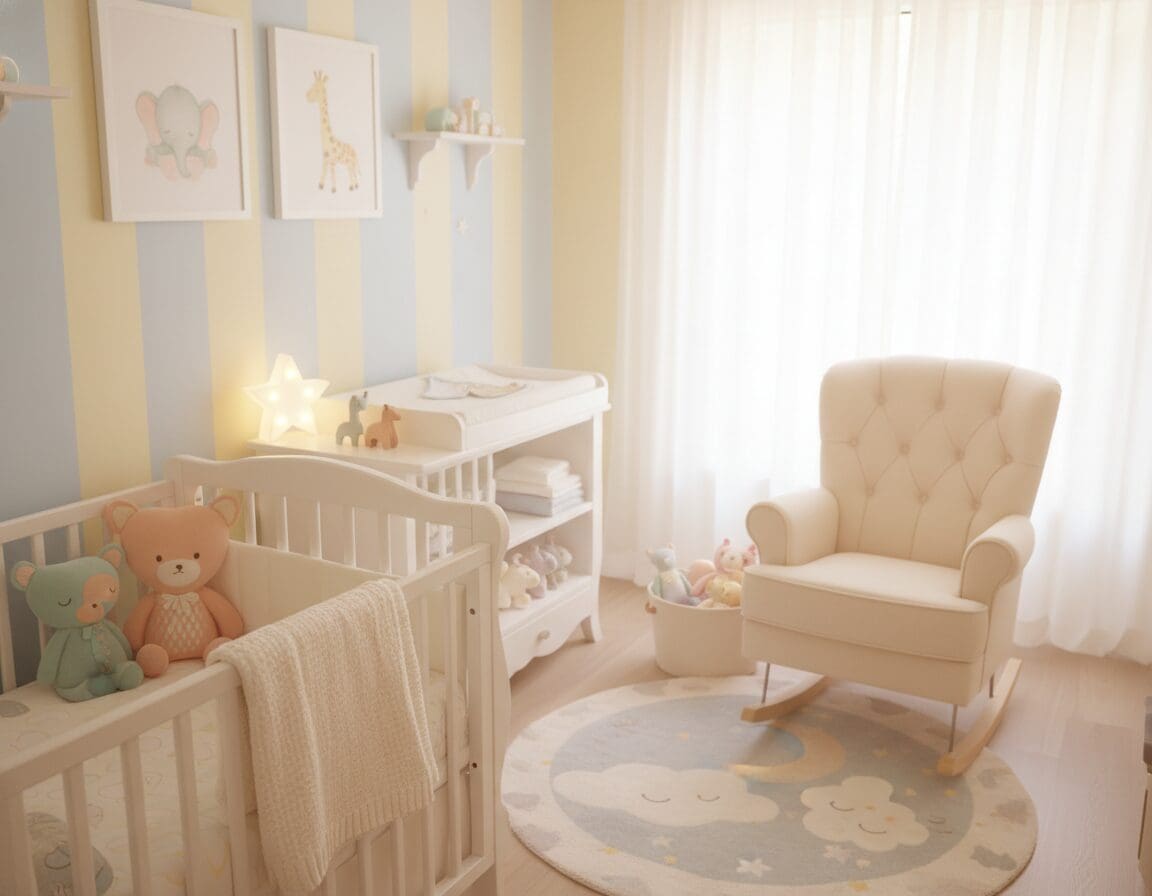
Designing a comfortable baby room combines calm aesthetics with practical choices. This short guide sets out clear baby room design ideas to help parents in the United Kingdom create a serene baby nursery that works from newborn to toddler.
Start by thinking about the room’s role in daily life. Prioritise a safe baby room layout that supports feeding, napping and play. Follow evidence-based advice from the NHS and RoSPA on sleep safety and cot placement when planning the space.
Balance comfort, sensory calm and longevity. Choose fabrics and furniture from trusted brands such as IKEA, John Lewis or Mamas & Papas for durability. Aim for a comfortable baby room with easy-to-change elements so the nursery design UK can evolve as your child grows.
By the end of this article you will be able to select the best room, create a climate-controlled and safe environment, and plan a baby room layout that reflects your home and personal taste while meeting British Standards for cots and furniture.
Foundations of a cosy baby room
Choosing where your baby will sleep and play sets the tone for rest and safety. Thoughtful nursery room selection balances proximity to the parents’ bedroom, natural light and quiet. Plan the layout so the best room for baby feels calm, with clear sightlines and a sensible circulation path around key furniture.
Choosing the right room and layout
Start by mapping the room dimensions and door location. Use free apps or a simple sketch to test nursery layout ideas and define zones for sleeping, changing, feeding and storage.
Keep the cot away from direct sunlight and noisy kitchens. For very small rooms, explore small nursery solutions such as bedside cots or convertible furniture that grows with your child.
Allow a 90–120 cm clear path around major pieces and place the changing station near a plug for a steriliser or monitor. Choose neutral structural pieces and update soft furnishings to refresh the room as your child grows.
Safety-first considerations and childproofing
Follow a nursery safety checklist before the baby arrives. Check cot safety standards like BS EN 716 and NHS guidance for mattress fit, slat spacing and banned drop-sides.
Secure tall wardrobes and shelving with anti-tip brackets and add corner protectors to sharp edges. Childproofing nursery tasks include fitting socket covers and choosing cordless blinds to reduce strangulation risks.
Audit for baby room hazards UK: remove small objects, keep cords tucked away and store medicines high and locked. Fit working smoke alarms on each floor and consider a carbon monoxide alarm for added protection.
Temperature, ventilation and humidity control
Maintain a nursery temperature of about 16–20°C and avoid overheating. Use layers and tog-rated sleep bags rather than loose blankets to keep the infant comfortable.
Ensure good baby room ventilation by opening windows briefly each day or using trickle vents in flats. In poorly ventilated rooms, consider mechanical ventilation to keep air fresh without creating draughts over the cot.
Target room humidity for infants at roughly 40–60% to reduce dust mites and irritation. Use cool-mist humidifiers or dehumidifiers when needed, and follow cleaning guidance to prevent mould or bacterial growth.
baby room design ideas
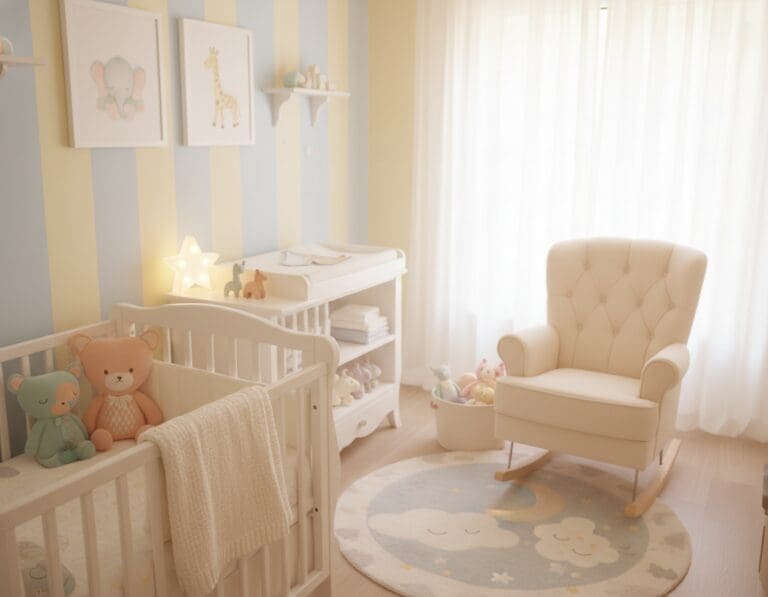
Creating a calm, nurturing baby room starts with clear choices on colour, walls, furniture and soft textures. Thoughtful nursery colour schemes paired with practical baby room wall treatments set the tone. Select pieces that balance comfort with longevity so the space grows with your child.
Soothing colour palettes and wall treatments
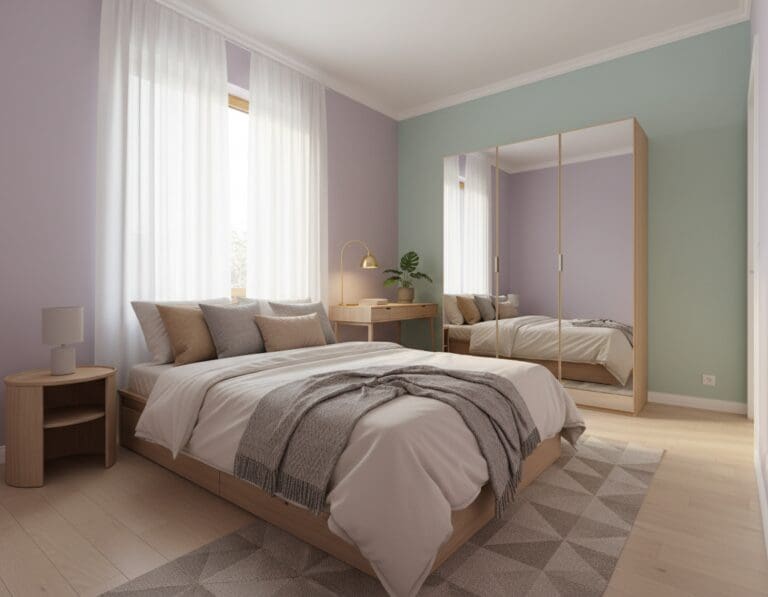
Choose calming colours for nursery use like dusty pastels, sage, warm greys and sandy neutrals to encourage sleep and rest. Use stronger accent colours in play corners only. Pick low-VOC paints from trusted UK brands such as Dulux, Farrow & Ball or Little Greene to meet safety standards.
Consider baby room wall treatments that are removable if you rent. Removable nursery wallpaper UK options from Graham & Brown or vinyl decals give visual interest without commitment. Add a soft feature stripe or mural behind the cot to zone the sleep area while keeping the rest muted.
Furniture choices that combine comfort and practicality
Start with the best cot for baby that meets BS EN 716 and offers adjustable mattress heights. Think about convertible nursery furniture UK so a cot can become a toddler bed. Brands like Stokke and Snuz provide models with long-term use in mind.
Pair the cot with a sturdy changing unit that has raised edges and storage for nappies. A comfortable nursing chair or glider with washable upholstery helps during feeds. Use nursery furniture ideas that favour solid wood or FSC-certified pieces for durability.
Design storage to hide clutter yet keep essentials close. Combine closed drawers with open shelving and labelled baskets. IKEA KALLAX or modular units suit varied budgets and form part of effective nursery storage solutions.
Textures, fabrics and soft furnishings for a nurturing feel
Select breathable nursery fabrics such as cotton, linen and bamboo for bedding and curtains. Choose baby-safe textiles UK tested for safety and perform well in wash cycles. Use breathable mattress protectors and spare covers for hygiene and easy maintenance.
Introduce tactile nursery textures through flatweave rugs and washable throws. Avoid long-pile rugs; choose non-slip underlays for timber or laminate floors. Soft furnishings for baby room should be used in play areas rather than inside the cot.
Cushions, sensory toys and tactile elements encourage development when placed safely. Opt for performance upholstery that cleans easily and for baby-safe labels on toys. Thoughtful fabric choices extend the room’s life and make daily care simpler.
Lighting, sound and sensory comfort
Light and sound shape a baby’s day. Thoughtful choices about nursery natural light and nursery window treatments help support mood, feeding and sleep. Small changes bring big improvements to a calm nursery environment.
Natural light optimisation and blackout solutions
Place a feeding chair near a window to capture gentle daylight for morning routines and vitamin D. Use light-coloured walls and reflective surfaces to spread daylight in compact rooms.
Fit adjustable blinds or sheer curtains to diffuse glare and limit overheating in summer. For naps and overnight sleep, choose blackout blinds nursery or lined curtains from reputable UK suppliers such as Silent Gliss or Hillarys to create a consistently dark space.
Secure nursery window treatments with cordless options and child-safe fittings. Consider external shutters or thermal-lined curtains in older homes to improve insulation and sound reduction.
Layered lighting: ambient, task and night lights
Start with a warm ceiling light on a dimmer to set an overall mood. Dimmable nursery lights allow easy transitions from active play to winding down.
Add task lighting nursery near the nursing chair and the changing area. Choose adjustable, glare-free LEDs with warm colour temperatures around 2700–3000K for evening comfort.
Use day-night nursery lighting strategies: pale warm daylight for mornings and cooler, lower intensity light for late afternoon. Smart bulbs and timers from brands like Philips Hue or LIFX mimic natural rhythms and simplify routines.
Keep a low-lux night light for baby with a soft amber hue. Motion-activated floor lights help safe night trips without fully waking the child.
Acoustic tips to reduce noise and create calm
Identify noise sources inside and outside the home to plan mitigation. Flats need extra attention to shared walls and floors.
- Use rugs, heavy curtains and upholstered furniture as simple sound-absorbing elements.
- Install fabric-wrapped acoustic panels or bookshelves filled with books to cut reverberation.
- Upgrade to double glazing or add secondary glazing and seals to reduce traffic noise.
Consider a white noise machine or apps to mask sudden sounds. Keep volume safe and place devices out of reach. Popular units such as Dohm help many families settle nights.
Combine soundproofing nursery measures with stable sleep routines: dimming lights, calm pre-sleep activities and predictable cues reinforce a calm nursery environment and support longer naps.
Practical organisation and long-term adaptability
Start by zoning the room: a changing area, a sleep corner and a play space. Use labelled baskets for nappies, clothes sorted by size and toys grouped by category. Clear storage bins give a quick visual inventory and make rotation simple, which helps prevent overstimulation and keeps the space feeling tidy.
Create a laundry and hygiene workflow close to the changing spot. A nappy bin with a carbon filter such as the Tommee Tippee Sangenic and a washable changing-mat cover make daily routines faster and cleaner. Keep a laundry basket nearby for quick transfers and store spare essentials within arm’s reach to reduce interruptions at naptime.
Choose flexible furniture for long-term nursery design. Look for cots that convert to beds, changers that become shelving units and chairs that will serve as an armchair later. Buy neutral core pieces and refresh with affordable accessories; mixing investment items like a good mattress and nursing chair with budget fabric accents stretches your budget without losing style.
Plan storage for each growth stage with nursery storage ideas UK in mind: low-level toy bins for toddlers, wall hooks and low rails for dressing, and a small desk area for school age. Schedule periodic safety checks—anchor tall furniture, inspect toys for wear and update monitor firmware. Keep a simple inventory of key items, receipts and warranties to aid recalls or insurance claims and to support an adaptable baby room that evolves with your child.