
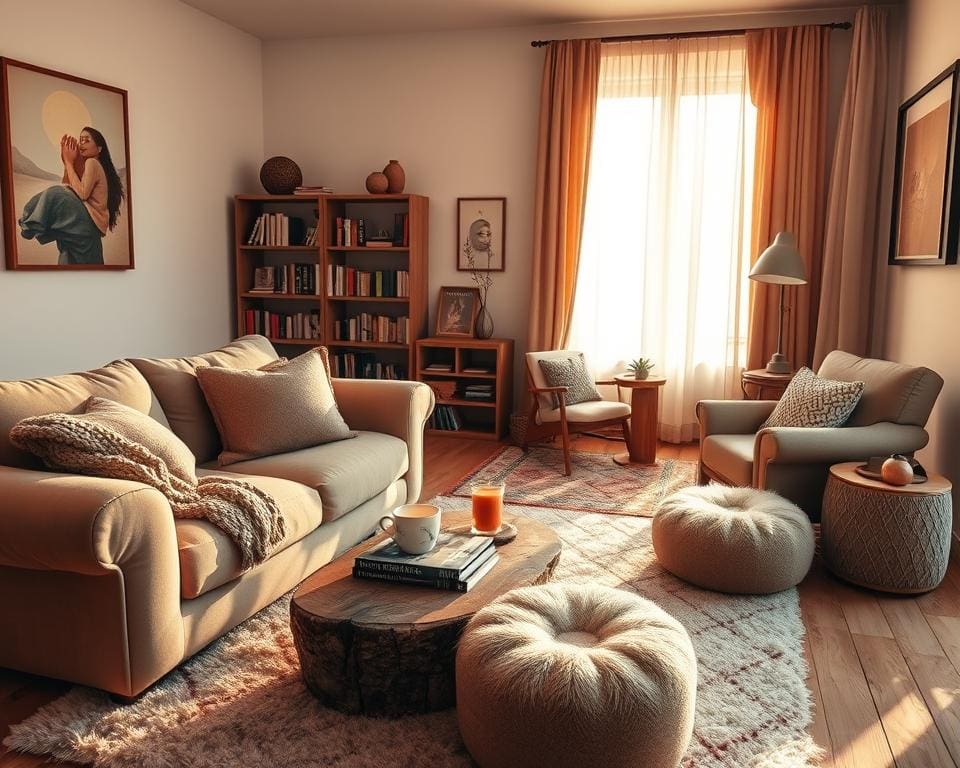
Designing a cozy living room is about more than trends; it’s about shaping a space that feels warm, welcoming, and useful every day. This article answers the question how do you design a cozy living room by blending mood, function, and sensory detail so the room invites relaxation and good company.
We’ll outline four guiding pillars: define mood and purpose, choose a warm living room design and color palette, layer lighting for ambiance, and add comfortable seating and textiles. These pillars will steer choices from paint and rugs to lighting and scent, helping you create cozy living space that works for everyday life and entertaining.
This guidance is aimed at homeowners and renters across the United States who want practical, design-forward advice. Many tips adapt to tight budgets and small rooms—think removable wallpaper or paint, layered rugs for a big impact, and budget-friendly furniture from IKEA or thrifted mid-century pieces to get a comfortable living room without overspending.
Start with three quick actions: sit in the room at dawn and dusk to note light and traffic flow, pick three priority activities like relaxing, socializing, and media, and assemble a small inspiration board with photos and fabric swatches. These simple steps will help you define the mood and focus your cozy living room ideas.
As you read on, the article will move from mood and palette to furniture, layout, and finally styling and sensory touches, offering concrete suggestions and real-brand examples to help you create cozy living space that feels intentional and lived-in.
How do you design a cozy living room?
Start with a clear intent for the space. A focused living room design plan makes choices simple. A relaxed reading nook needs a reclining chair, a task lamp, and nearby shelving. A social lounge benefits from a sectional, flexible seating, and open pathways for easy flow.
Define the mood and purpose
List daily activities and map traffic flow. Measure main circulation paths and leave 30–36 inches where people walk. Place seating to face each other or a focal point like a fireplace or TV. Use IKEA’s planner tools or RoomSketcher to visualize arrangement before moving heavy furniture. West Elm and Pottery Barn offer sectionals and modular pieces that suit social layouts.
Choose a warm color palette
Begin with warm neutrals such as warm white, greige, or muted taupe as your base. Add accents in terracotta, mustard, olive, or deep navy to create a warm color palette living room that feels intimate. Benjamin Moore’s Accessible Beige and Sherwin-Williams’ Alpaca are reliable warm neutrals to sample.
Introduce color without a full repaint by using textiles, rugs, or one painted accent wall. Mix matte paint with satin trim, add textured wallpaper, or hang woven wall pieces to avoid flatness and keep the palette layered and inviting.
Layer lighting for ambiance
Plan three lighting levels: ambient, task, and accent. Ambient lights are overhead fixtures or recessed cans. Task lights include reading lamps and floor lamps. Accent lighting highlights artwork or architectural features.
Choose warm-color temperature bulbs between 2700K and 3000K for a soft glow. Install dimmer switches on overhead fixtures and add plug-in sconces where rewiring isn’t possible. Philips Hue warm-white bulbs let you fine-tune warmth, while Lutron Caseta dimmers offer reliable control.
Incorporate comfortable seating and textiles
Pick seating with inviting proportions. Deeper seats suit lounging, firmer cushions work for upright sitting. Consider performance velvet, chenille, or Crypton fabrics for family use. Leather adds a warm, lived-in look. Article and West Elm carry sofas that balance comfort and scale.
Layer throws, cushions, and an area rug to boost tactile comfort. Mix wool, faux shearling, linen, and nubby cotton for varied texture. Anchor the seating zone with a rug that fits at least the front legs of major pieces. Keep a basket of blankets near the sofa and choose 18–22 inch deep cushions for true lounging comfort.
Furniture, layout, and space planning for a welcoming environment
Thoughtful living room furniture layout turns a room into a place where people linger. Start by identifying a focal point such as a fireplace, TV, or large artwork. Anchor that zone with a rug sized to the space so seating feels intentional and grounded.
Keep conversation easy by arranging seating so people sit within 8–12 feet of each other. Position sofas and chairs to allow face-to-face interaction while still facing the focal point. Use ottomans, poufs, or occasional chairs for flexible seating that can be moved when guests arrive.
Rugs define seating zones. In large living rooms, leave about 18 inches between the rug edge and the wall. In smaller rooms, ensure at least the front legs of sofas and chairs rest on the rug. This simple rule improves flow and completes the seating arrangement conversation.
Measure before you buy. Match furniture scale and comfort to room dimensions and ceiling height. Low-profile sofas work well under low ceilings. Taller sofas and vertical shelving suit rooms with higher ceilings. Keep main walkways 30–36 inches wide to maintain clear paths.
Balance large pieces with open space by choosing slimmer-profile sofas or armless chairs when needed. Pick durable fabrics with high rub counts for everyday use and consider easy-care leathers for family rooms. Brands like Crate & Barrel, Joybird, and IKEA offer options across budgets and styles to achieve furniture scale and comfort.
Small living room solutions rely on multi-functional pieces. Look for storage ottomans, nesting tables, sofa beds, and wall-mounted media consoles to free floor area. Floating shelving and tall bookcases draw the eye upward and create a sense of depth.
Place mirrors opposite windows to amplify light and enlarge the room visually. Try floating a loveseat with slim chairs around a round coffee table to preserve traffic flow. A narrow console behind a sofa can define zones without consuming precious square footage.
Good space planning living room habits make every square foot count. Use vertical storage, flexible seating, and clear circulation lines to craft a welcoming environment that feels both cozy and practical.
Styling, decor, and sensory elements that enhance coziness
Start by mixing materials to add warmth and authenticity. Pair a reclaimed wood coffee table with a wool rug, a leather armchair, and rattan baskets for storage to get a layered, tactile look. Use warm wood stains like walnut or oak and contrast them with brushed brass or matte black lighting to keep finishes balanced and modern.
Build a tactile sanctuary with rugs, curtains, and cushions. Layer a natural-fiber rug such as jute or sisal under a soft wool top layer where budget allows. Hang curtains high and wide to make windows feel larger and choose lined drapes for insulation and sound absorption. For cushions, vary sizes (20×20 and lumbar), textures (knit, velvet), and patterns so the sofa reads as intentionally curated rather than cluttered; this is essential for cozy living room decor and layering textures decor.
Curate shelves and surfaces with meaningful art, books, and objects to make the room feel lived-in. Follow the rule of threes for vignettes, vary heights, and mix framed photos, plants, and a few treasured objects. Use practical display solutions like IKEA’s BILLY bookcase for affordable built-ins or floating shelves for a minimalist look that still allows for styling tips cozy home owners can manage easily.
Create inviting aromas and sound to complete the mood. Use soy or beeswax candles, reed diffusers, or essential oil diffusers for a subtle home fragrance for living room areas, and never leave open flames unattended. Pair gentle background playlists—acoustic or jazz—played on Sonos or Amazon Echo for soft ambience. Small seasonal swaps, concealed storage like ottomans, and a curated coffee-table stack with a book, tray, and candle will keep clutter low and the space welcoming. Learn more styling ideas at evovivo’s guide.