
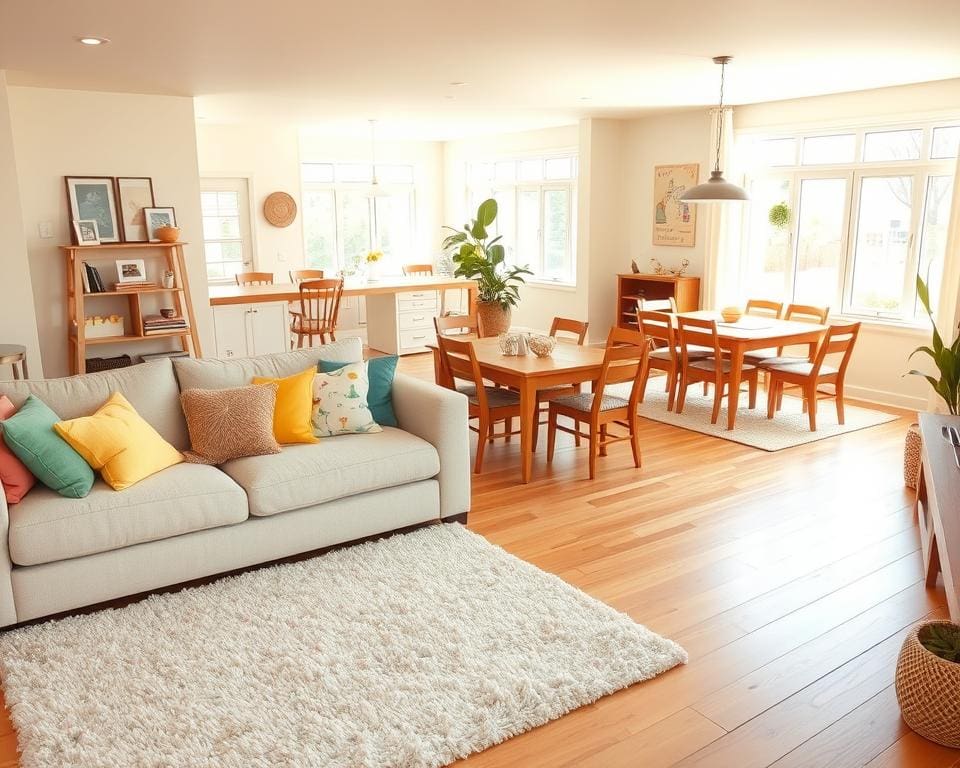
Designing a family-friendly living space is a task that involves balancing functionality with aesthetics, ensuring that the home caters to the needs of all family members. Emphasising a family-friendly design not only enhances the comfort of your living space but also fosters connections and shared experiences. From safety to durability, and adaptability to aesthetics, every aspect of interior design for families plays a crucial role in promoting a welcoming atmosphere. By considering the diverse needs of your household, you can create a harmonious environment that truly reflects your family’s lifestyle and promotes bonding through thoughtful family-friendly home decor.
Understanding Family Needs in Design
Designing a living space that accommodates the various family needs in design requires a thoughtful approach. Spaces must be versatile, supportive, and safe for every member of the family, from toddlers to adults. Emphasising the importance of age-appropriate spaces, this section explores the significance of creating distinct areas dedicated to play, study, and relaxation, ensuring that everyone feels at home.
Creating Space for All Ages
Keeping diverse age groups in mind allows for a design that truly resonates with family members. Incorporating features that cater specifically to children, adolescents, and adults cultivates an enriching environment. Consider the following:
- Comfortable spaces for reading and studying, with ample storage for books and school supplies.
- Zones designated for active play, furnished with soft mats and safety features.
- Relaxation areas equipped with cosy seating, inviting all family members to unwind.
Utilising routine-based design helps create an inviting atmosphere that transitions smoothly between activities throughout the day, accommodating the rhythm of family life.
Assessing Daily Routines and Activities
Understanding the day-to-day interactions within the home provides a foundation for tailored design. Observing family routines illuminates how space can be optimised for shared experiences. Focus on key activities such as:
- Meal preparation and dining.
- Homework and creative projects.
- Quality family time through games and storytelling.
By recognising these dynamics, the living space can evolve into a functionally enriching environment. This adaptability enhances comfort and efficiency, ensuring that the space remains conducive to family life. An excellent resource to explore this concept further is designing child-friendly living spaces, which highlights practical tips for incorporating safety and functionality.
Choosing the Right Furniture
Designing a family-friendly living space requires careful consideration of furniture choices. Selecting pieces that resonate with the needs of all family members can create an inviting and functional environment. This section explores the importance of durable fabrics and multifunctional furniture, two key aspects that can significantly enhance comfort and usability within the home.
Selecting Durable Fabrics
When it comes to family furniture, selecting durable fabrics plays a crucial role in maintaining its appearance and longevity. Fabrics such as treated cotton, microfibre, and certain synthetic blends are ideal. These materials resist stains and withstand the daily wear and tear that often accompanies family life. Investing in such fabrics ensures that sofas, chairs, and cushions remain not only stylish but practical, making it easier to keep your space looking its best.
Multi-Functional Pieces
Multi-functional furniture offers a smart solution for families, allowing them to maximise space while accommodating various activities. Pieces like sofa beds, storage ottomans, and expandable dining tables serve multiple purposes, adapting to the changing needs of family members. This flexibility not only enhances overall functionality but also fosters a sense of harmony in the home, as these pieces cater to play, relaxation, and communal dining all in one area.
How do you design a family-friendly living space?
Designing a family-friendly living space involves a thoughtful approach that prioritises comfort, functionality, and engagement. Emphasising open layouts can foster interaction among family members, creating a welcoming environment that encourages collaboration and connection. Implementing practical tips such as decluttering and organising spaces ensures that the home remains inviting and navigable, essential for busy families.
Incorporating various design methods can enhance the experience within your living space. Opting for timeless styles and neutral palettes aids in crafting a serene atmosphere, allowing family members to unwind and feel at ease. Incorporating natural materials like wood and stone can add warmth, creating a connection to the outdoor environment.
With considerations for different ages, a family-friendly living space should cater to everyone’s needs. A well-structured layout promotes smooth flow and usability. For further inspiration on achieving this delightful blend of comfort and style, explore timeless design methods that enhance family life.
Incorporating Safety Features
When creating a family-friendly living space, incorporating safety features in design is essential. A focus on child-friendly materials and intelligent furniture placement can drastically reduce hazards, allowing young explorers the freedom to play safely within their homes.
Child-Friendly Materials and Designs
Choosing non-toxic paints and finishes is crucial. Beyond just aesthetics, these materials contribute to healthy indoor air quality. Rounded edges on furniture pieces eliminate sharp corners, making them safer for curious toddlers. Slip-resistant rugs can prevent falls, ensuring that play areas remain safe zones.
Furniture Placement for Safety
Strategic layout choices play a significant role in furniture safety. Cluttered spaces can hinder movement, increasing the risk of accidents. By creating clear pathways, parents can feel secure knowing their children can navigate the space without obstacles. An organised environment fosters exploration while promoting safety.
Creating Playful Zones
Establishing playful zones within your family living space not only enriches a child’s development but also transforms ordinary areas into dynamic environments. By designating specific areas for play, families can create a vibrant atmosphere that encourages exploration and creativity.
Designating Specific Areas for Play
Creating designated play areas allows children to engage in activities that stimulate their imagination. Whether it’s a cosy reading nook, a crafting corner, or a game zone, each space can serve as an invitation to play. Choose brightly coloured rugs and soft furnishings to delineate these areas, giving children their own spaces to thrive in.
Incorporating Storage Solutions
Effective storage solutions for kids are essential to maintaining order in these playful zones. Use baskets, shelving units, and built-in storage options to keep toys and games organised. This not only promotes tidiness but also empowers children to take responsibility for their play environment. A well-organised space encourages independent play, contributing to their imaginative development.
Fostering a Welcoming Atmosphere
Creating a welcoming atmosphere in a family home enhances the overall comfort and joy of the space. Thoughtful design choices can significantly contribute to the serenity and warmth of a living area. The right colour palette for homes plays a crucial role in establishing this inviting environment, while personalising spaces with meaningful items makes a house truly feel like home.
Choosing the Right Colour Palette
When selecting a colour palette for homes, consider softer hues that promote relaxation. Neutral tones can serve as a perfect backdrop, creating a tranquil setting. Introducing vibrant accents through decorative cushions or artwork can energise the space and reflect individual personalities. This balance of calm and colour fosters a welcoming atmosphere, encouraging families to gather and enjoy their surroundings.
Integrating Personal Touches
Personalising spaces with cherished items like family photographs, unique artwork, and handmade crafts contributes to the emotional connection within a home. These personal touches not only enhance the aesthetic appeal but also evoke memories and feelings of belonging. By thoughtfully arranging these elements, families can create an inviting environment that feels warm and familiar.
Maximising Natural Light
Implementing natural light in design is a transformative step towards creating bright living spaces that exude warmth and vitality. One effective strategy is to incorporate large windows, allowing sunlight to flood into the home, which not only illuminates the interior but also enhances the overall aesthetic. Skylights can further boost this effect, providing an additional source of daylight that can uplift the mood of all family members, particularly during those dreary days.
Choosing light-coloured furnishings and decor is another essential aspect of maximising natural light. Reflective surfaces and softly coloured fabrics can amplify sunlight, creating an inviting atmosphere that fosters a sense of openness. The right colour palette will highlight the brightness that natural light brings, making the space feel more expansive and energetic.
To maintain comfort while still enjoying the benefits of natural light, consider window treatments that offer versatility. Sheer curtains and adjustable blinds empower families to control the amount of light entering each room throughout the day. This balance not only enhances natural light but also allows for privacy, ensuring that your family can enjoy their living space in a comfortable and stylish manner.