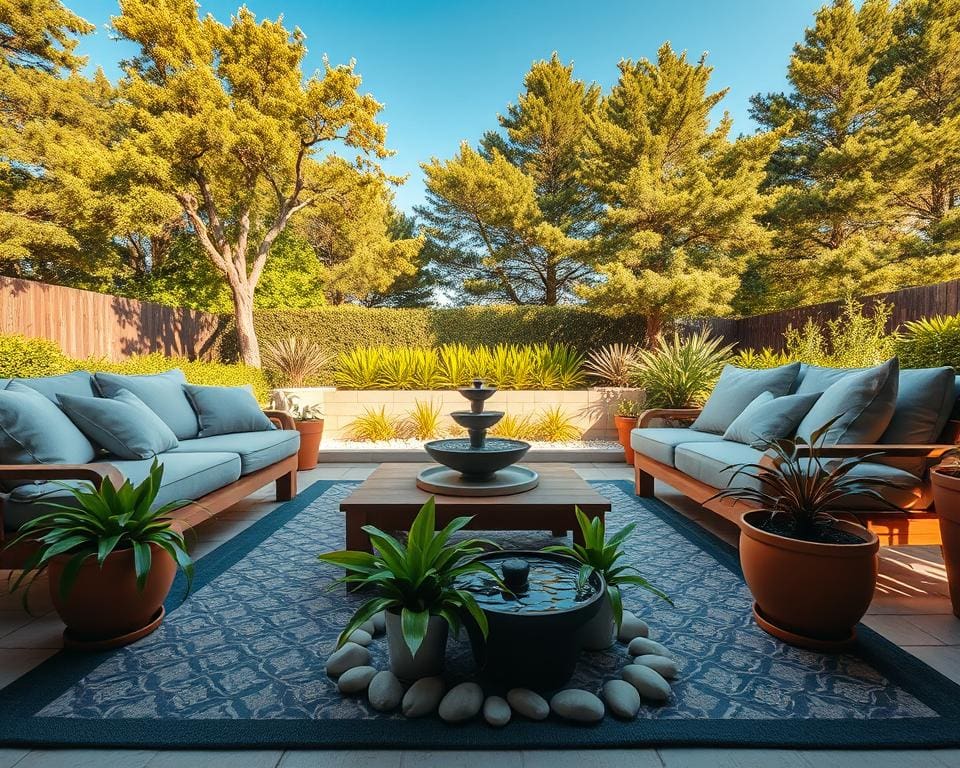
Designing a calm outdoor retreat begins with a simple promise: make a place that invites rest and works for daily life. Whether you have a compact balcony or a wide backyard, thoughtful planning turns functional needs into relaxing backyard design that suits your rhythm.
Start by defining how you will use the space. Will it be a quiet reading nook, a spot for weekend grilling, or a room for friends and family? Clarifying purpose guides choices in seating, shade, and sound so the result feels intentional and easy to enjoy.
Balance sensory comforts—soft textiles, warm lighting, and plant scent—with low-stress upkeep. Durable decking like Trex, Sunbrella fabrics, and LED or solar fixtures extend the life of your scheme while keeping maintenance simple, a key on any list of backyard relaxation tips.
Across the United States, outdoor living design USA trends favor versatile zones, native planting, and energy-wise lighting. These elements support tranquil garden design that performs year-round and adapts to both small patios and larger backyards.
For quick inspiration on balcony-scale retreats and practical planting ideas, see practical examples at this guide on turning small spaces into havens: outdoor retreat ideas.
How do you design a relaxing outdoor space?
Designing a calm backyard starts with clear intent. Think about how you want to use the space through the day and what mood you want to create. A focused approach keeps choices simple and meaningful.
Define your purpose and mood
Decide the patio design purpose first: a reading nook, an entertaining area, a play zone, or a mixed-use layout. Prioritize those uses so you can allocate square footage and budget where it matters most.
Craft an outdoor mood board with images from Pinterest or Canva to lock in textures, plant types, and lighting ideas. Pick a mood—serene spa-like, cozy fireside, Mediterranean escape, or minimalist modern—to guide plant choices and furnishings.
Factor in daily rhythms. Morning sun favors coffee spots, while afternoon shade suits kids and evening dining needs cover and lighting. Think about accessibility and universal design so pathways and seating work for all ages.
Tier your budget: identify big-ticket items like decking or a pergola, then add affordable mood setters such as pillows, potted plants, and solar lights to phase the project over time.
Plan flow and zoning
Use zone planning backyard strategies to map primary and secondary areas. Place dining, lounging, cooking, and play areas with clear sight lines and comfortable circulation.
Check scale and proportion before buying large pieces. Mark furniture outlines with tape or cardboard so you can feel the space. Keep 3–4 feet of clearance for easy movement and 2.5–3 feet for service paths.
Create transitions with trellises, narrow beds, or stepping stones to soften movement between the house and yard. Choose modular furniture and built-in storage to make zones adaptable for different uses.
Choose a calming color and material palette
Select an outdoor color palette centered on muted, nature-inspired hues like soft greens, warm neutrals, and slate blues. Use one dominant tone and one or two accents for cohesion.
Favor tactile materials such as cedar, teak, rattan, stone, and textured concrete for a grounded feel. Pick durable options like Trex composite decking, redwood or teak, and porcelain pavers to reduce upkeep.
For textiles, choose solution-dyed acrylics such as Sunbrella for fade and mildew resistance. Layer rugs and cushions in complementary tones to add softness without clutter.
Consider sustainable choices like reclaimed wood and permeable pavers to lower runoff and embodied carbon. Match the palette to your home’s exterior so the landscape feels like an extension of the house.
- Tip: Use a simple checklist of patio design purpose, circulation clearances, and core materials to keep decisions aligned.
- Tip: Apply basic landscape planning tips early to avoid costly changes later.
Essential elements to create a tranquil outdoor retreat
Create a calm, inviting outdoor room by layering durable comforts, gentle sound, soft light, textured planting, and reliable shelter. Use purposeful choices so each element supports relaxation without extra fuss.
Comfortable, durable seating and textiles
Choose deep-seated sofas or sectionals for lounging and chaise lounges for sunbathing. Adirondack chairs and hammocks add a casual touch for slow afternoons.
Pick materials that last: powder-coated aluminum, teak, or resin wicker resist weather. Look for rustproof frames and quick-dry foam cushions to avoid mildew.
Fabrics such as Sunbrella solution-dyed acrylic, Olefin, or treated polyester stand up to UV, stains, and moisture. Removable covers make cleaning simple.
Arrange seating in conversational groupings around a focal coffee table. Keep 18–24 inches between seats and table for comfort. Layer with an outdoor rug to define the zone and add texture.
Add throw pillows, weighted blankets for breezy nights, and small side tables for drinks and books to complete the scene. These outdoor seating ideas help make the space both stylish and usable.
Soothing water features and sound masking
Incorporate small fountains, bubbling urns, wall cascades, or pondless waterfalls to bring calming motion and broadband sound. Aim for low, natural water tones that mask traffic without overwhelming conversation.
Choose recirculating pumps for low maintenance and frozen-proofing for colder climates. Adjustable flow pumps let you control volume as needed.
Place the feature near seating but not directly under it to avoid splashes. Use rocks and planting to blend the structure into the landscape.
Dense hedges, trellised vines, and hardscape elements help diffuse urban noise. Consider reliable equipment brands like OASE or Little Giant pumps and consult a local pond specialist when needed for proper installation of water features for relaxation.
Soft lighting for evening ambiance
Layer ambient, task, and accent lighting to shape the night. String lights and lanterns provide a warm glow. Pathway lights and reading lamps add safety and function.
Use warm white LEDs (2700–3000K) and weather-rated fixtures (IP44 or better) for a cozy feel. Low-voltage or solar options save energy and simplify wiring.
Install dimmers, timers, or smart bulbs from brands like Philips Hue to create scenes for dinner, reading, or quiet time. Highlight trees and architectural features with spot or uplighting.
Include safety lighting for steps and grill areas. Creative patio lighting ideas such as recessed deck lights and LED candles add subtle drama without glare.
Greenery and sensory planting
Favor native, drought-tolerant species to support wildlife and cut maintenance. Check your USDA hardiness zone when choosing plants.
Build sensory layers with fragrant herbs like lavender and rosemary, ornamental grasses for rustling sound, and tactile plants such as lamb’s ear and boxwood.
Add small trees like Japanese maple or serviceberry for scale and seasonal interest. Use evergreens and winter berry shrubs for year-round structure.
Use large containers with well-draining mix on patios and add drip irrigation or self-watering planters. Plant pollinator-friendly species like echinacea and salvia to invite butterflies and bees among your sensory garden plants.
Privacy and shelter
Create secluded pockets with vertical screens, lattice with climbing clematis or honeysuckle, bamboo panels, or dense hedges. Outdoor curtains offer flexible privacy while softening edges.
Install pergolas, retractable awnings, shade sails, or market umbrellas to control sun and define intimate niches. Motorized louver systems from brands such as StruXure give adjustable shelter for changing weather.
Use windbreaks and pergola roofs to block prevailing winds and light rain. Confirm local ordinances and HOA rules before building structures and use plant buffers to preserve neighborly relations.
Match materials and finishes to your palette so screens and shelters enhance the calming mood. Thoughtful outdoor privacy solutions make a retreat feel secure and restful.
Practical design tips and maintenance for long-term serenity
Phase the build so you begin with core elements: seating, shade, and basic planting. Spread costs by adding water features, layered lighting, and bespoke hardscapes over time. Consider quality secondhand pieces from local stores or Facebook Marketplace and use DIY planters to test layouts before committing to major changes.
Create simple routines that make outdoor maintenance manageable. A seasonal checklist for spring, summer, fall, and winter keeps tasks small and regular. Follow outdoor furniture care tips: rinse cushions, machine-wash removable covers per labels, apply teak oil sparingly, and protect metal frames from coastal salt to extend useful life.
Adopt low-maintenance landscaping strategies: mulch beds to conserve moisture, install drip irrigation with timers, and choose native plants to cut watering and support pollinators. Prune at the recommended times, deadhead perennials to boost blooms, and use permeable paving and rain gardens to manage runoff while promoting longevity outdoor design.
Keep mechanical systems in good order. Clean water feature filters, winterize pumps in cold climates, inspect lighting and wiring annually, and check solar panels for shading and battery health. When projects involve grading, electrical work, or large structures, hire licensed contractors, check credentials, and secure any required permits to protect your investment.
Finally, build rituals that encourage daily use—a morning coffee spot or an evening lighting scene. Rotate plants and furniture seasonally, store cushions during wet months, and schedule small weekly tasks. These simple habits, paired with smart choices like LED lighting and water-wise plantings, preserve serenity and support a longevity outdoor design that feels effortless year after year.