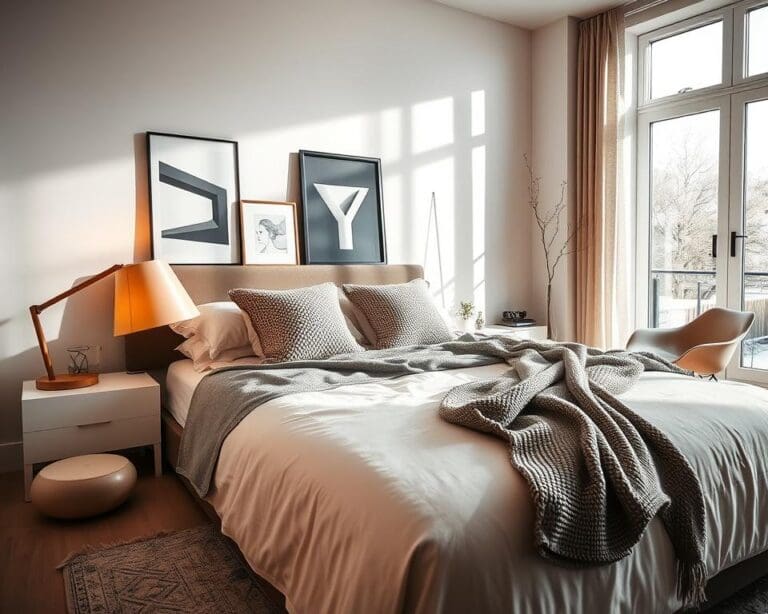
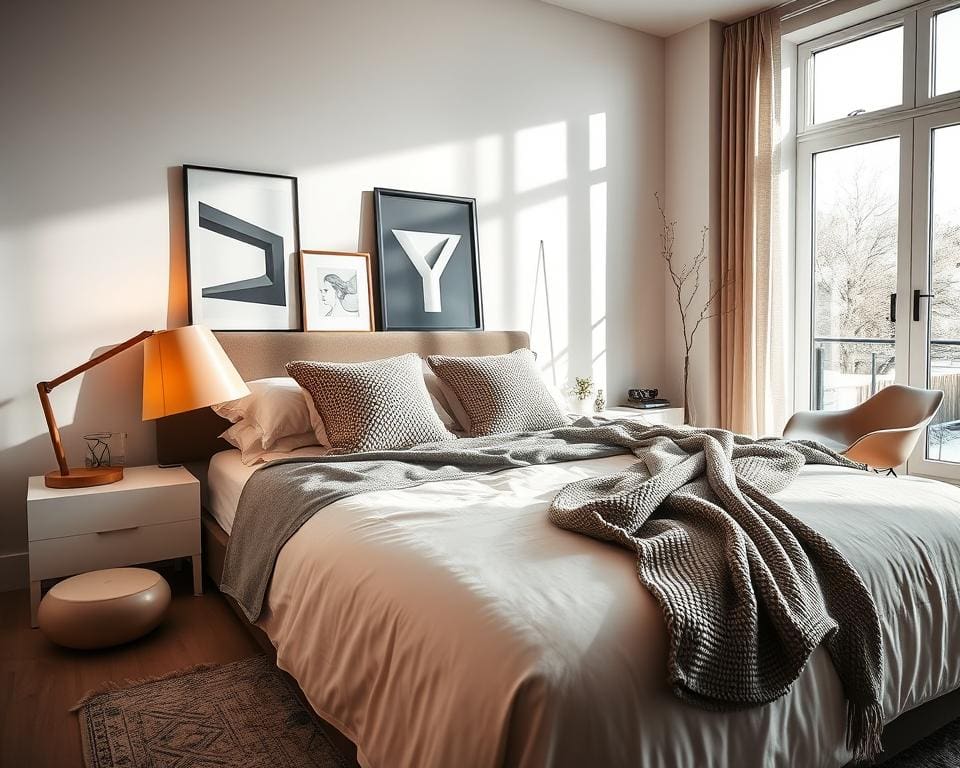
Designing a stylish bedroom begins with a clear goal: create a restful, beautiful space that fits how you live. This article will walk you through how to design a stylish bedroom with practical bedroom design tips and stylish bedroom ideas that work for a quick bedroom makeover or a full master bedroom design update.
Start by writing a brief that lists who uses the room and what happens there—sleeping, reading, and maybe working. Note must-have features like closet space, a seating area, or a desk. That simple plan helps set priorities for layout, furniture, and finishes so every choice supports function as well as style.
For inspiration, look to publications such as Architectural Digest and Elle Decor, browse Pinterest boards and Instagram interiors, and study retailer showrooms at West Elm, Crate & Barrel, and CB2. Save examples that reflect modern, bohemian, minimalist, or transitional looks to refine your preferences before you shop.
In the sections that follow we’ll use a three-step approach: define your personal style and color palette, plan layout and storage, then layer color, texture, and lighting before adding final decor and accents. Along the way you’ll find actionable bedroom design tips that suit both tight budgets and investment moves like a mattress upgrade or quality bedding for lasting impact.
How do you design a stylish bedroom?
Start by imagining how the room should feel each morning and night. Use bedroom style inspiration to gather looks that match your habits. A clear vision guides choices about furniture, textiles, and lighting so the space supports daily routines and rest.
Define your personal style and mood
Identify whether you lean modern, bohemian, minimalist, or transitional. Modern rooms favor clean lines and a neutral base. Bohemian spaces embrace layered textiles and eclectic patterns. Minimalist design values restraint and open space. Transitional blends classic pieces with contemporary touches. Compare photos on sites like Apartment Therapy and Dwell to refine your bedroom style inspiration.
Assemble a mood board for bedroom ideas using Pinterest or Canva. Collect images of furniture, paint chips, textiles, and lighting. Add fabric swatches and photos from retailers such as Pottery Barn or Anthropologie to check how textures and finishes play together.
Choose a cohesive color palette
Build a bedroom color palette with primary, secondary, and accent layers. Use the primary tone for walls and large pieces. Pick a secondary color for upholstery and rugs. Reserve accents for pillows and small decor. Soft blues, warm neutrals, and gentle greys create a calming sleep environment. For drama, try deep greens or jewel tones in well-lit rooms.
Test paint samples at different times of day. North-facing rooms read cooler, while south-facing rooms feel warmer. Lighter colors can make a small room feel larger. Saturated hues add depth when natural light is abundant.
Balance function and aesthetics
List bedroom lifestyle considerations before you shop. Note sleep patterns, work-from-bedroom needs, pets or children, and storage demands. Choose durable fabrics if you have kids or pets. Plan a compact desk or privacy screen for remote work. Identify the top three functional priorities to guide purchases.
Invest in bed quality and layout as a priority. A good mattress, supportive base, and quality bedding form the foundation of comfort. Select a headboard that defines the style and leave clearance around the bed for easy movement.
Use multi-purpose furniture to maximize space. Built-in wardrobes, ottoman beds, and storage benches keep the room tidy while lifting the design. Plan layered lighting—ambient, task, and accent—so wiring and switches align with use and mood.
For an example of balancing look and function, review practical guidance on combining style and utility at how to combine style and function at. This helps translate ideas into a bedroom that feels personal and useful.
Bedroom layout and space planning for style and comfort
Start by treating the bed as the room’s anchor. Place it on the longest or most visible wall to create a clear focal point. A statement headboard, bold wallpaper, or a large piece of artwork will emphasize that anchor and pull the design together.
Keep traffic flow smooth. Aim for 24–30 inches of clearance along walkways and avoid blocking doors or closet access. In narrow rooms, float the bed against a wall and choose narrow bedside tables to preserve pathways and sightlines.
Use these furniture placement bedroom ideas for odd nooks. Fit custom built-ins into alcoves to maximize function. Try an angled bed to add interest. Frame a quirky corner with a cozy reading chair and a floor lamp to turn awkward space into a feature.
Match bed size to room proportions before buying. In a 10×10 ft room, a full or queen usually fits best. Larger master suites welcome queen or king sizes. Measure the floor plan and plan clearance around the bed to avoid surprises.
Balance scale and weight. Pair anchor pieces like a tall headboard or large dresser with lighter accents such as slim side tables and wall sconces. Use low-profile beds in compact spaces and taller headboards where ceilings are high to keep visual harmony.
Choose multi-functional furniture to stretch a layout. Consider storage beds, daybeds with trundles, fold-down desks, or Murphy-style options when a bedroom doubles as an office. Brands like IKEA and Pottery Barn offer modular pieces that work well in tight plans.
Invest in built-ins and organized closets to streamline the room. Built-in wardrobes, under-bed drawers, and closet systems like Elfa or California Closets free up floor space and maintain a clean look while boosting storage capacity.
Hide clutter with stylish containers and smart solutions. A storage bench at the foot of the bed, woven baskets from Serena & Lily, or a decorative trunk keep essentials out of sight. Use open shelving sparingly and curate displays in groups of three or five to reduce visual noise.
Use vertical space for bedroom storage ideas. Floating shelves and tall dressers draw the eye upward and free floor area. Keep displays cohesive by sticking to a limited color story and rotating objects to maintain freshness.
Follow simple rules for small bedroom design. Prioritize essential pieces, measure before purchasing, and choose furniture that performs double duty. Thoughtful planning will make a compact room feel calm, airy, and purposeful.
Color, texture, and lighting strategies to create atmosphere
Start by picking a palette that reflects mood and scale. Use bedroom color ideas to anchor the room: a soft gray or warm taupe for calm, a deep blue for drama, or a muted green for freshness. Keep one dominant hue and add accents to avoid a busy look.
Layering textiles for depth and comfort
Layering textiles bedroom begins with a clear base: fitted sheet, flat sheet, and a duvet or coverlet. Add a textured throw and two layered pillows for depth. Mix scales—solid duvet, patterned throw, and a small geometric cushion—to create interest without clutter.
Choose fabric choices for bedroom that suit the season. Percale or cotton works well for summer, linen adds a lived-in look, and flannel or brushed cotton brings warmth in winter. Brands like Brooklinen and Parachute offer durable options that hold up to regular washing.
Vary pillow sizes for visual rhythm. Use an oversized European sham, standard pillows, and a lumbar cushion. Limit patterns to two or three coordinating motifs and balance them with solid colors.
Lighting design to set mood and functionality
Bedroom lighting design relies on three layers: ambient, task, and accent. Ambient light comes from an overhead fixture or recessed cans. Task lighting includes bedside lamps and adjustable reading lights. Accent lighting highlights art or architectural details.
Install dimmers on main lights to control mood. Choose adjustable bedside lamps for reading and a statement pendant or chandelier to elevate style. Pick LED bulbs with 2700K–3000K for warm, cozy illumination and energy savings.
Use accent lighting to add softness. Under-bed strip lighting gives a subtle glow. Picture lights and plug-in wall sconces work well in rentals and add targeted highlights.
Using finishes and materials to convey style
Bedroom finishes shape perceived quality. Coordinate wood tones, metal hardware, and upholstery to support the palette. Warm wood and brushed brass read traditional and luxurious. Matte black or nickel paired with cool tones feels modern and crisp.
Small finish choices matter. Curtain rods, switch plates, and lamp bases should match or complement one another. Select high-quality textiles and consistent metal finishes to make the room feel considered and cohesive.
Bring in natural elements to soften hard finishes. A snake plant or pothos adds life. Woven baskets, rattan chairs, and stone or wood bedside surfaces introduce tactile warmth and tie the scheme together.
Decor, accents, and styling tips to personalize your retreat
Start by choosing art that sets the room’s mood and fits the scale. A single large painting can anchor a minimalist space, while a gallery wall bedroom approach works for an eclectic look. Frame choices matter; simple black or white frames and floater frames keep the focus on the art. Source pieces from local galleries, Society6, or Minted to add character and authenticity.
Headboard styles shape the bed as the room’s focal point. Upholstered headboards lend softness and luxury, wooden slat or paneled headboards add warmth, and metal frames create an industrial edge. Varying headboard height and material shifts perceived scale—tall upholstered boards feel grand, lower wooden boards read casual and cozy.
Compose a gallery wall by arranging frames on the floor before hanging. Keep spacing consistent—2–3 inches for tight grids, 3–5 inches for larger mixes—and use a unifying element like a shared mat color or frame finish to avoid visual clutter. Place a statement piece above the bed or on a dresser to anchor the vignette.
Style surfaces with restraint: layer a stack of books, a tray to corral small items, a candle, and a small vase. Trays keep nightstands tidy and intentional. Add a large mirror opposite a window to amplify light or lean a full-length mirror to create depth; choose finishes that match your hardware, such as antiqued brass or minimalist frames.
Refresh the room with seasonal bedroom updates—swap pillows, throws, and rugs for lighter linens in summer and wool throws in winter. Update window treatments for both function and style: blackout curtains for sleep quality, sheers for soft daylight, and Roman shades for clean lines; mount rods higher and wider to make windows appear larger.
Rug placement and sizing matter for cohesion—leave 18–24 inches of rug visible around the bed and choose 9×12 or 8×10 rugs for a king. Anchor furniture on or partially on the rug to tie the layout together. For upkeep, follow bedroom maintenance tips like vacuuming upholstery regularly, spot-cleaning fabric per care labels, and rotating mattresses and pillows as recommended.
Personalize with meaningful items—family photos, travel finds, and heirlooms—but edit often to avoid clutter. Store seasonal decor properly to preserve freshness and keep surfaces purposeful. Small, curated choices and thoughtful attention to detail will turn bedroom decor ideas into a serene, stylish retreat.