
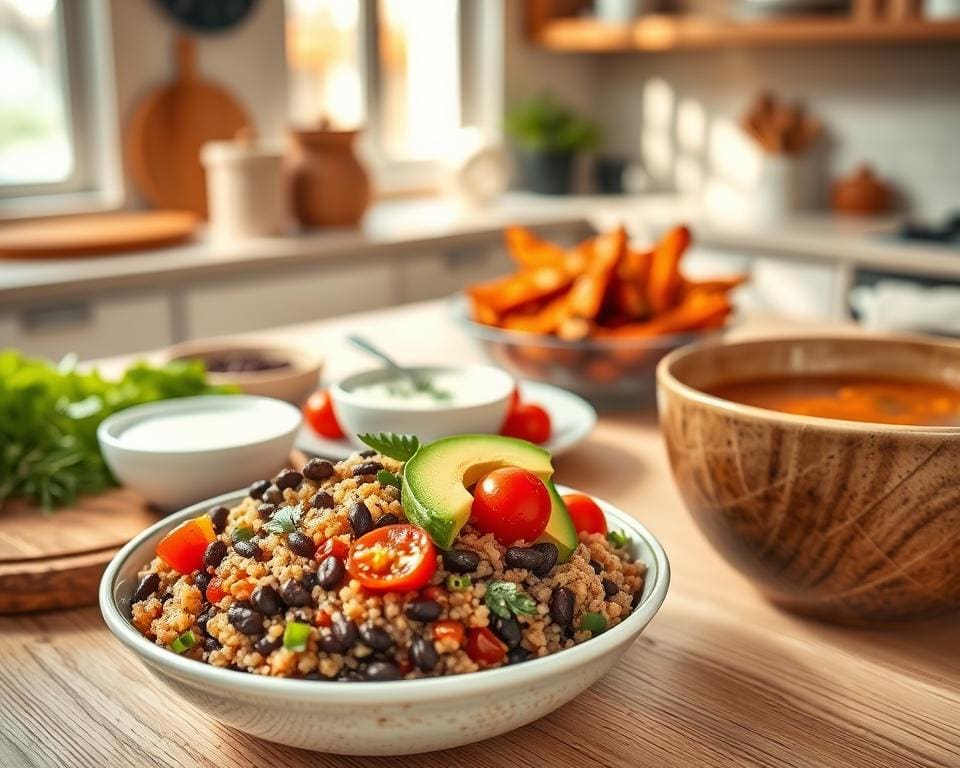
Comfort food holds a special place in our hearts, often offering a sense of nostalgia and warmth during challenging times. However, as we strive for healthy eating habits, the question arises: how can we indulge in our favourite dishes while still prioritising our health? The good news is that enjoying healthy comfort food is entirely possible. By exploring nutritious options and making mindful choices, we can satisfy our food cravings without compromising on flavour. In this article, we’ll delve into strategies for transforming classic comfort dishes into wholesome delights, allowing you to relish in the joy of comfort food without the guilt.
Understanding Comfort Food and Its Appeal
Comfort food defines a category of dishes that offer solace during difficult times, encapsulating flavours and textures that evoke feelings of well-being. This food often carries a nostalgic weight, reminding individuals of cherished moments spent with loved ones. The powerful connection between comfort food and emotional eating highlights how food can serve as a powerful coping mechanism, providing relief from daily stresses.
The comfort food psychology reveals that these meals do more than simply satisfy hunger; they create a sensory experience that triggers happy memories. Eating familiar dishes can seamlessly transport us to our childhood homes or beloved family gatherings, fostering a sense of connection to our past. Whether it is a creamy macaroni and cheese or a hearty bowl of chicken soup, these dishes instil a sense of security and warmth.
Food nostalgia plays a significant role in shaping our preferences for comfort food. Many find that the flavors of their childhood have an enduring appeal, creating a bridge to memories that transcend time. In times of need, people often turn to these dishes not just for their comforting taste but also for the emotional reassurance they provide.
Healthy Alternatives to Classic Comfort Foods
Transforming classic comfort foods into healthier versions allows everyone to enjoy their favourites without compromising on taste. You can find easy ways to use healthy substitutes that enhance flavour while ensuring a nourishing meal. Whether it’s swapping traditional ingredients or exploring low-calorie comfort food options, the possibilities are endless.
Substituting Ingredients for Nutritious Options
Making simple ingredient swaps can significantly improve the health profile of beloved dishes. Consider these nutritious ingredients for your meal transformations:
- Use Greek yoghurt instead of sour cream for a creamy texture rich in protein.
- Opt for mashed cauliflower in place of potatoes to create a lower-calorie alternative.
- Replace conventional pasta with zucchini noodles for a fresh and vibrant dish.
- Choose whole grain bread instead of white bread for added fibre and nutrients.
Exploring Low-Calorie Versions of Your Favourites
Many popular dishes have healthier versions that do not skimp on flavour. Your culinary adventures can include:
- Making pizza on a cauliflower base instead of traditional dough.
- Using chickpeas or lentils in casseroles for a protein-packed twist.
- Creating rich cream sauces with blended cashews for a dairy-free option.
- Enjoying baked sweet potato fries rather than deep-fried versions.
These alterations empower individuals to savour their comfort food choices guilt-free. Embracing these healthy substitutes fosters a satisfying relationship with food while promoting wellness.
Nutritional Upgrades for Traditional Recipes
Transforming traditional recipes into healthier options can be an exciting culinary adventure. By incorporating nutritious upgrades, meals can retain their comforting essence while enhancing their overall health benefits. Emphasising vegetable incorporation and switching to whole grains not only boosts nutrition but also adds vibrant flavours to your dishes.
Add More Vegetables for Nutritional Boost
Introducing a variety of vegetables into classic recipes can significantly elevate their nutritional value. Vegetables are packed with essential vitamins, minerals, and fibre, making them a great addition to any meal. Consider incorporating:
- Spinach in your lasagne for added iron and nutrients.
- Carrots in soups for a hint of sweetness and colour.
- Bell peppers in stir-fries for a crunchy texture and vitamin C.
These additions not only enrich the dishes but also promote satiation, allowing you to enjoy your comfort food with a healthier twist.
Using Whole Grains Instead of Refined Options
Making the switch from refined grains to whole grains offers a host of benefits. Whole grains, such as quinoa, brown rice, and whole wheat pasta, provide higher fibre content, which aids in digestion and keeps you feeling full longer. They are rich in nutrients often lost during processing.
When crafting healthy recipes, consider replacing your standard pasta with whole grain varieties or swapping white rice for brown rice in your favourite stir-fry. These small changes create significant health benefits, contributing positively to your overall diet while maintaining the comfort of traditional meals.
How do you enjoy comfort food in a healthy way?
The concept of healthy comfort food enjoyment revolves around rediscovering familiar dishes while embracing wholesome ingredients. Striking the right balance is essential for those who wish to indulge without sacrificing their health. Mindful eating becomes a vital practice in navigating this space, allowing individuals to fully appreciate flavours and portion sizes.
Integrating nutritious elements into traditional comfort foods necessitates creativity. Experimenting with fresh vegetables, whole grains, or low-fat alternatives can enhance meals without compromising on taste. This approach provides a satisfying experience while promoting better health.
Practical strategies inspire healthy choices. Focus on building plates with a variety of colours and textures, ensuring enjoyment promotes nutritional benefits. Whether it involves using smaller plates to manage portions or preparing comforting dishes during special occasions, every choice contributes to balancing indulgence.
Ultimately, making room for comfort food within a healthy diet invites a new sense of appreciation and satisfaction. With mindful eating at the forefront, one can relish the benefits of pleasure and nourishment in every bite.
Portion Control and Mindful Eating Practices
Understanding portion control and practising mindful eating can transform your relationship with comfort food. By recognising the significance of serving sizes, you will enhance your food awareness and avoid overindulgence. These principles not only foster a healthier lifestyle but also allow you to relish your favourite dishes without guilt.
The Importance of Serving Sizes
Serving sizes play a crucial role in managing caloric intake and promoting balance during meals. Being aware of appropriate portion sizes can prevent overeating, ensuring your comfort foods fit into a healthy eating routine. Familiarising yourself with recommended serving sizes helps cultivate health-conscious habits and makes it easier to enjoy meals mindfully.
Tips for Eating with Awareness
Mindful eating techniques encourage a deeper connection with your food, enriching the dining experience. Some tips include:
- Eliminate distractions, such as phones or television, to focus fully on your meal.
- Savour each bite, allowing flavours and textures to engage your senses.
- Pay attention to hunger cues, eating only when genuinely hungry.
- Practice gratitude for your food, enhancing enjoyment and appreciation.
By implementing these strategies, you’ll foster a sense of food awareness, which supports healthier portion control and a more satisfying relationship with food.
Incorporating Healthier Cooking Methods
Embracing healthier cooking methods can transform your favourite comfort meals into nourishing options without sacrificing flavour. By making informed choices in the kitchen, it is possible to enjoy satisfying dishes that cater to a healthier lifestyle. This section explores various techniques such as grilling, steaming, and baking, providing insights on how they can replace less advantageous methods like frying.
Grilling vs. Frying: What’s Better?
Grilling stands out as a superior alternative to frying when it comes to healthy cooking methods. Cooking on a grill allows the fat to drip away from the food, reducing overall calorie intake. The charred flavours achieved through grilling enhance the taste of meats and vegetables alike, offering a delightful experience without excessive oil.
Steaming and Baking for Healthier Outcomes
When considering healthy cooking methods, steaming and baking are excellent choices. Steaming retains essential nutrients found in vegetables, ensuring that meals remain both vibrant and nutritious. On the other hand, baking allows for a variety of dishes, from hearty casseroles to light breads, with minimal or no added fats. Both techniques foster an enjoyable balance of flavours while promoting healthfulness.
Balancing Comfort Foods with a Healthy Lifestyle
Striking a balance with comfort food is essential for maintaining a fulfilling and healthy lifestyle. Comfort foods often evoke feelings of nostalgia and satisfaction, making it crucial to integrate them into our diets without compromising our well-being. Embracing a diverse array of dietary choices allows individuals to enjoy their favourite indulgences while still prioritising health.
To achieve this balance, consider the following approaches:
- Incorporate more nutritious ingredients into comfort food recipes. This can be as simple as using whole grains or adding vegetables, enhancing both flavour and health benefits.
- Practice mindful portion sizes. Enjoy small servings of comfort foods to savour the experience without exceeding nutritional goals.
- Opt for lighter cooking methods, such as baking or steaming, which can drastically reduce calorie content while preserving taste.
By making conscious dietary choices, individuals can develop a sustainable approach to enjoying comfort food without guilt. This fosters a healthier relationship with food, promoting long-term wellness and satisfaction.
Indulgence Without Guilt: Finding the Right Balance
Understanding the intricacies of food cravings psychology can pave the way for a healthier relationship with comfort food. By diving deep into the motivations behind these cravings, individuals can engage in balancing indulgence and savour their favourite dishes without remorse. A key element lies in recognising that enjoying comfort food doesn’t have to lead to feelings of guilt.
The Psychology of Food Cravings
Food cravings often stem from emotional triggers, cultural influences, and even memories associated with specific dishes. Recognising these factors helps individuals identify when they are genuinely hungry versus when they are merely seeking emotional fulfilment. By becoming more attuned to their internal cues, people can navigate their cravings and make informed choices that promote guilt-free enjoyment. Understanding these psychological aspects can lead to healthier patterns of behaviour and enhanced satisfaction with food choices.
Strategies for Guilt-Free Enjoyment
To indulge without guilt, several effective strategies can be employed. Practicing portion control plays a crucial role in enjoying comfort food while maintaining a balanced diet. Smaller servings can satisfy cravings without overwhelming the individual. Additionally, creating a mindful eating environment enhances the experience of indulgence. Engaging with food in a distraction-free setting allows people to savour every bite, giving rise to feelings of fulfilment and contentment. With these approaches, the journey toward balancing indulgence transforms into an opportunity for a healthier lifestyle, where comfort foods coexist harmoniously with well-being.
Creating a Comfortable Eating Environment
To fully appreciate healthy comfort food, it is vital to cultivate a comfortable dining atmosphere that nurtures the senses. A thoughtfully designed eating environment can elevate your meals, encouraging not just nourishment but enjoyment. Ambient lighting plays a significant role; soft, warm lights can create a welcoming space, while cheerful decorations enhance feelings of comfort and joy during meals.
The importance of a pleasant table setting cannot be overlooked, as carefully arranged cutlery, lovely crockery, and fresh flowers contribute significantly to the overall dining experience. Pairing these aesthetics with good company can transform a simple meal into a cherished occasion, promoting mindful dining that encourages gratitude and appreciation for the flavours and textures present in healthy comfort food.
Ultimately, a well-curated eating environment lays the foundation for not only enjoying food but also for fostering connections with others. By embracing a comfortable dining atmosphere, you open the door to mindfulness and a deeper appreciation of each meal, ensuring that your journey towards health encompasses joy and satisfaction as you relish every bite of your nutritious comfort classics.