Maintaining paint is more than aesthetics. This guide explains painted surface maintenance for homeowners and facility managers across the United States. With clear paint care tips you can extend paint life, protect underlying materials like drywall, wood, and metal, and preserve painted surfaces from daily wear.
Routine upkeep reduces repainting frequency and saves money. Dirt buildup, scuffs, moisture damage, UV fading, and abrasion are common concerns. Knowing how do you maintain painted surfaces helps you spot issues early and act before small problems become major repairs.
This article covers both interior and exterior needs, different paint types such as latex, oil-based, and enamel, and finishes from matte to high gloss. You will learn simple cleaning methods, preventive measures, repair and touch-up techniques, and long-term strategies to extend paint life.
Our tone is practical and inspirational: small, regular actions produce dramatic results. Follow straightforward paint care tips, make timely repairs, and choose quality products to preserve painted surfaces and keep colors vibrant for years.
How do you maintain painted surfaces?
Maintaining painted surfaces starts with knowing the paint and the finish. A clear plan that blends latex paint care with oil-based paint maintenance and enamel paint cleaning keeps rooms bright and durable. Follow a gentle approach, set an interior cleaning schedule, and learn simple spot cleaning paint stains to protect painted surfaces over time.
Understanding paint types and their maintenance needs
Latex paints from brands like Benjamin Moore and Sherwin-Williams are forgiving and clean with mild soap. For latex paint care, avoid harsh solvents and test cleaners first. Oil-based paint maintenance often means mineral spirits for stubborn grime and careful ventilation when cleaning. Enamel paint cleaning depends on whether the enamel is waterborne alkyd or traditional oil enamel. Read product data sheets to match cleaners to your finish.
Routine cleaning and gentle care practices
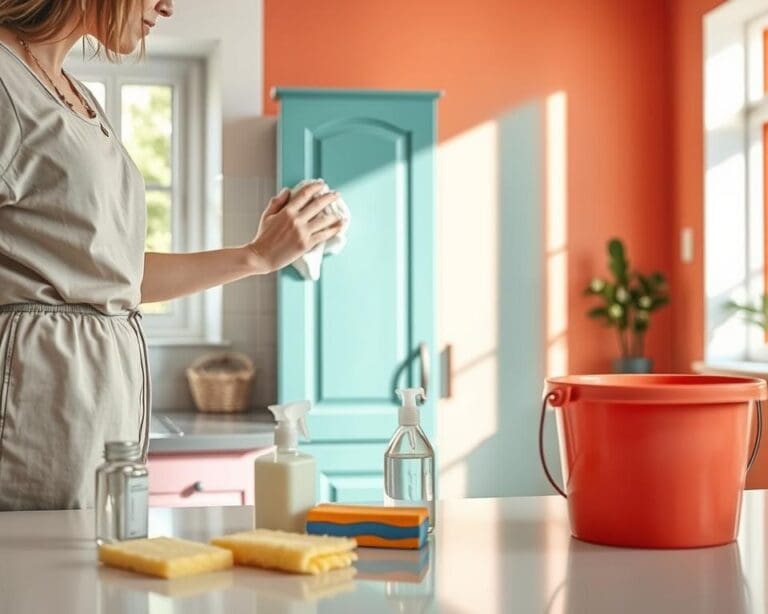
Establish a simple interior cleaning schedule. Dust high-impact rooms monthly and spot-clean scuffs as they appear. For how to clean painted walls, use a mild detergent solution, a soft sponge, and wipe from bottom to top. Keep full washes to once or twice a year in living spaces to limit sheen loss. This gentle paint cleaning routine helps minimize paint wear.
Preventive measures to protect painted surfaces
Small habits extend paint life. Use rugs, felt pads, and door bumpers to reduce abrasion. Install exhaust fans and manage humidity to prevent paint damage from moisture. Apply protective coatings like water-based polyurethane on trim where extra durability is needed. These steps help prevent paint damage and maintain finish clarity.
- Spot cleaning paint stains: test on an inconspicuous area first.
- Use microfiber cloths and soft sponges for most jobs.
- Reserve mineral spirits for oil-based or enamel trouble spots, following manufacturer guidance.
- Keep touch-up paint and technical data sheets handy for quick fixes.
Preparing and repairing painted surfaces to restore appearance
Restoring a painted surface begins with clear detection of issues and a calm plan. Small problems caught early stay manageable. Paint failure shows in varied ways that signal different fixes and costs.
Identifying common paint problems early
Look for obvious signs of paint failure: flaking, cracking, and areas where paint is lifting from the substrate. Paint blistering forms raised bubbles when moisture or solvents get trapped under the coating. Paint chalking appears as a fine, powdery residue from UV-damaged binders and weak adhesion.
Peeling often traces back to paint peeling causes such as poor surface prep or moisture infiltration. Repeated small failures point to bigger issues like hidden water leaks. Spotting these early reduces the repainting cost estimate and helps decide between DIY fixes and professional paint repair.
Simple repairs homeowners can do
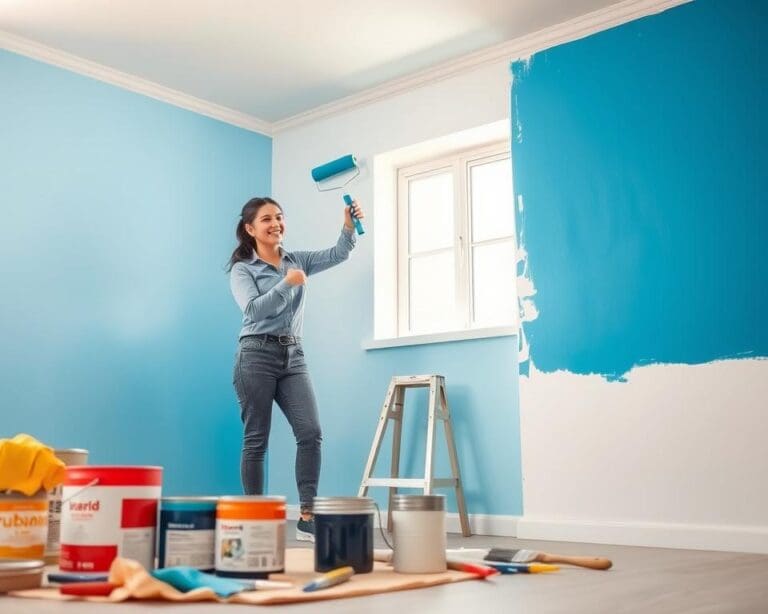
Start by cleaning the surface to remove grease, chalk, and mildew. Lightly sand loose edges so repairs blend into the existing finish. Use fine-grit sandpaper and follow sanding before repainting guidelines to create a smooth transition.
Prime exposed areas with a suitable primer. For stubborn stains, select a shellac-based or stain-blocking primer such as Zinsser BIN or KILZ. Apply touch-up paint using the manufacturer color code or bring a chip to Sherwin-Williams or Benjamin Moore for matching. Use careful brushwork and feathering; these touch-up paint tips prevent obvious patches.
For guidance on improving adhesion and tool choices, read practical DIY advice at simple home upgrades. Clean, smooth surfaces and quality brushes lead to better adhesion and longer-lasting finishes. Thin, even coats avoid runs and help curing that prevents future cracking.
When to call a professional
Hire a certified contractor for widespread peeling or large areas of blistering that suggest substrate failure. Persistent issues despite proper prep may need moisture intrusion remediation and structural repair. Homes built before 1978 require testing for lead paint concerns before disturbance; licensed professionals follow EPA-safe work practices for remediation.
Professionals provide a full diagnosis, repair compromised substrates, and offer a realistic repainting cost estimate. They can deliver warranty-backed finishes that prevent repeat failures and protect long-term property value.
Long-term strategies to extend paint life and maintain vibrancy
Maintaining painted surfaces over years takes a mix of prevention, quality products, and simple routines. Start with seasonal inspections: in spring and fall check exterior areas for peeling, failed caulk, gutter blockages, and places where soil or splashback accelerates wear. For interiors, scan high-traffic walls, behind furniture, and moisture-prone rooms to catch scuffs and stains early.
Clear sealers and protective topcoats
Choose coatings that add real durability. For trim, a water-based polyurethane adds abrasion resistance. For exteriors select products with UV-blocking coatings and mildew inhibitors; brands like Sherwin-Williams Duration and BEHR Marquee are formulated for long life. In kitchens and bathrooms, use moisture-resistant, mold-inhibiting paints to slow deterioration and help extend paint life.
Routine calendar and application practices
Follow a paint maintenance schedule to keep surfaces vibrant. Do monthly spot checks and wipe marks, quarterly clean kitchens and baths and inspect caulk lines, and perform an annual wash, gutter clean, and touch-up. Repaint cycles vary with exposure: well-protected interiors often last 7–10 years, while sun- and weather-exposed exteriors may need attention every 5–7 years.
Paint record keeping and small habits
Keep a concise paint log that lists brand, product name, sheen, color code, where it was used, and purchase date. Store receipts, technical data sheets, and a sealed sample in a labeled jar for easy color matching. Photograph rooms after maintenance and consult resources on how to renovate while living in your home for dust and protection tips during touch-ups: site guidance on containment and cleaning.
Small, scheduled actions and clear documentation pay off. With the right products, a consistent paint maintenance schedule, and careful record keeping, painted surfaces will stay attractive and protective for years to come.