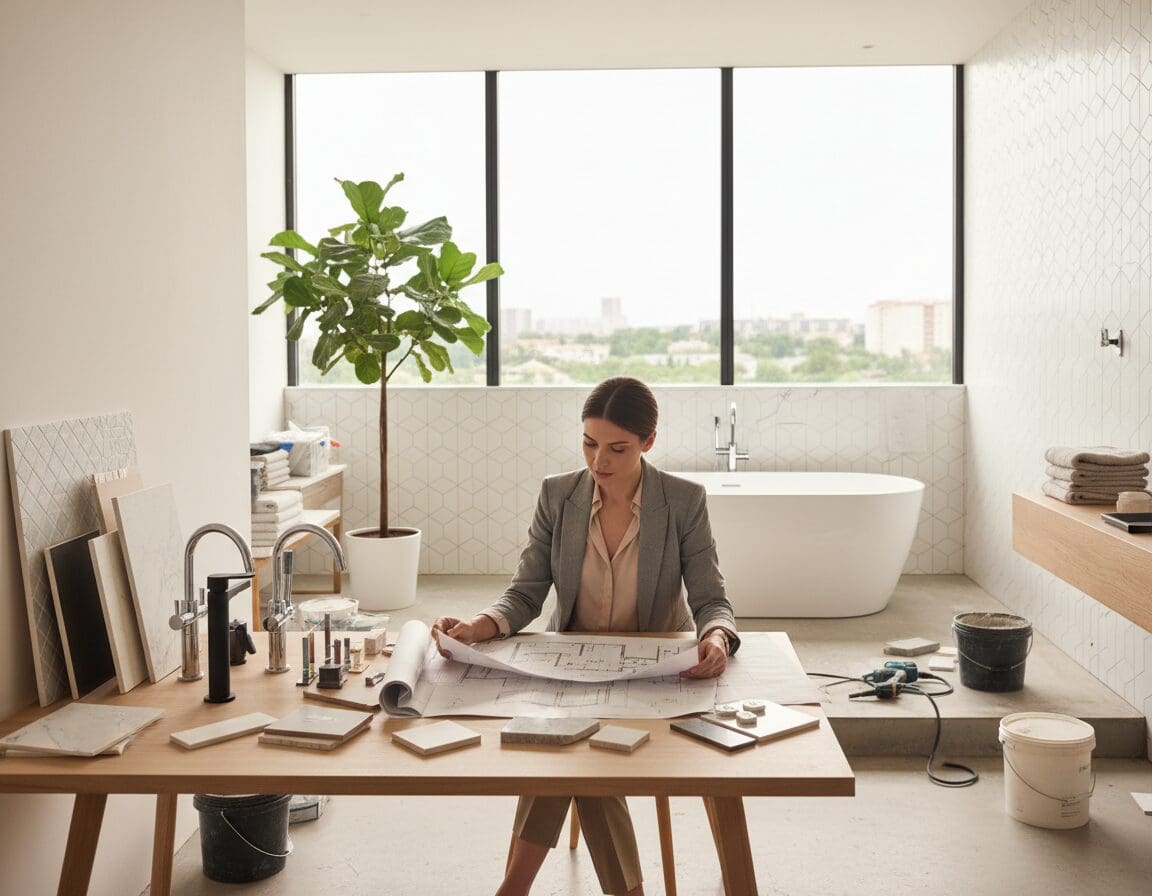
Planning a bathroom renovation can feel daunting, but a clear UK bathroom renovation guide makes the process manageable and rewarding. This step-by-step bathroom makeover overview walks homeowners, landlords and property investors through practical phases that balance style, function and budget.
The guide covers vision and budgeting, site assessment and technical requirements, selecting fixtures and finishes with sustainable choices, and project management on renovation day. By following bathroom remodel steps you will improve comfort, boost property value and raise energy and water efficiency.
Expect outcomes such as fewer delays, compliance with British Standards (BS 6465) and Building Regulations Approved Documents—like Part P for electrical safety—plus easier decisions when choosing suppliers such as Wickes, B&Q, Plumbase, or trade brands like Grohe, Roca and Ideal Standard.
A few practical tips to start: set realistic timescales, include a contingency fund of around 10–20% when planning a bathroom renovation, and plan inspections and warranties early. This approach keeps the project on track and helps deliver a finished bathroom that endures both aesthetically and functionally.
Setting your vision and budget for a successful bathroom renovation
Begin by shaping a clear vision that balances style, function and long‑term value. A concise plan keeps decisions focused and helps you compare costs. Think about how the space will be used day to day, who will use it and which features will make the biggest difference to comfort and resale value.
Defining your priorities: style, function and accessibility
List bathroom design priorities and rank them. Start with aesthetic aims such as period or contemporary styling. Note functional goals: family bathroom, ensuite or wet room. Add accessibility needs like grab rails, level‑access showers and wider doors.
Be realistic about trade‑offs. Maximising storage may reduce space for a free‑standing bath. Wet rooms demand full drainage and certified waterproofing. Use guidance from British Standards BS 8300 and resources from the NHS and AccessAble when planning accessible bathroom planning features.
Establishing a realistic budget and contingency fund
Set a target bathroom renovation budget based on project scale. Economical refits (cosmetic updates) typically cost less than suite replacement and tiling. Medium projects that replace sanitaryware and retile sit in the mid range. Premium schemes with structural changes and high‑end fixtures reach the top of the market. Expect regional variation across the UK.
Account for direct costs such as materials and trades, and indirect costs like decorating, skips or temporary accommodation. Allow a contingency fund of 10–20% to cover rotten joists, hidden leaks or outdated wiring. Consider financing with personal savings, home improvement loans or remortgaging, and check local authority Disabled Facilities Grants for accessibility work.
Researching trends and materials for long‑term value
Balance current bathroom trends UK with timeless choices. Matt black fittings and terrazzo‑effect tiles are fashionable. Neutral tiles and quality sanitaryware protect resale value. Choose durable materials: porcelain tiles, treated backer boards such as Wedi, waterproof plasterboard options and reputable pipework like Wavin or John Guest.
Check warranties and manufacturer reputations. Products with clear guarantees and readily available spare parts reduce future risk. Prioritise finishes and fittings that will endure daily use and retain appeal to future buyers.
Creating a mood board and selecting a colour palette
Make a mood board bathroom to gather ideas. Use Pinterest, Houzz or physical swatches from retailers like Neptune and Laura Ashley. Collect samples for tiles, brassware and soft furnishings.
Choose a colour palette that suits light levels and room size. Light neutrals help small bathrooms feel larger. Warm greys and earthy tones age well. Add accent colour with tiles or accessories. Test tactile choices such as matte versus gloss in both natural and artificial light inside the room before you commit.
bathroom renovation planning: assessing the space and technical requirements
Begin by visualising how the room will work for daily life. Good bathroom layout planning starts with clear measurements and simple sketches. This stage sets practical limits and sparks creative choices that suit your budget and needs.
Measuring the room and creating a detailed layout
Measure floor area, ceiling height, window and door positions, and the location of drains and the soil stack. Note pipe runs and joist positions. Measure twice and record bathroom measurements on scale drawings, using paper or apps such as RoomSketcher.
Plan layouts that keep sanitaryware close to existing drainage where possible. That reduces disruption and cost. Allow clearance around WCs, basins and baths; aim for at least 300mm of free space either side of a WC where practical.
Assessing plumbing, electrics and ventilation needs
Carry out a plumbing assessment bathroom to check pipe condition, material and route. Confirm the cold water feed, soil stack position and whether a combi boiler will cope with demands. Consider thermostatic mixing valves for safety on baths and showers.
Identify the consumer unit and assess whether new circuits are needed for showers, heated towel rails or underfloor heating. Electrical work must meet Part P requirements and may need certification by NICEIC or NAPIT-registered electricians.
Ventilation matters for longevity. Specify extraction rates suited to room size and consider humidity-sensing fans or continuous mechanical extract. For high-performance systems, explore bathroom ventilation UK options such as MVHR for new builds or sealed rooms.
Checking building regulations, planning permission and warranties
Check which work triggers building regs bathroom: structural changes, drainage alterations, new electrical circuits and certain heating installations. Refer to Approved Documents such as Part G and Part P for guidance and compliance.
Most internal bathroom refits do not need planning permission. Exception cases include listed buildings or external enlargements. When in doubt, consult the local planning authority before work begins.
Ask contractors for written guarantees and check manufacturer warranties on sanitaryware and shower units. Look for TrustMark registration or insurance-backed guarantees to protect your investment.
Consulting professionals: when to hire a designer, plumber or electrician
Hire an interior designer or architect for major reconfigurations or listed properties. Seek professionals registered with RIBA or CIAT for reliable design input and planning support.
Use Gas Safe engineers for any gas-related work and NICEIC or NAPIT electricians for electrical installations. Choose qualified plumbers and check previous projects and references before you commit.
For structural changes, call a structural engineer. Engage specialists from the Property Care Association for damp or timber issues. Obtain at least three quotes, use written contracts and agree a clear defects period to minimise disputes.
Choosing fixtures, finishes and sustainable options
Start with practical choices that set the tone for a long-lasting bathroom. Pick bathroom fixtures UK that match your style and daily needs while offering reliable warranties. Think about space-saving wall-hung basins, back-to-wall WCs and vanity units that hide plumbing and add storage.
For showers and baths, decide between electric, mixer or valve systems. A pumped or high-flow valve suits powerful wet-room experiences, while a combi boiler may limit simultaneous use. Choose a built-in bath for practicality or a freestanding tub for a statement. Consider materials such as acrylic for warmth and light weight, or cast iron when durability is the priority.
Flooring must resist moisture and stay safe underfoot. Select non-slip porcelain tiles with an appropriate PEI rating, or choose LVT and vinyl sheets designed for wet areas. If you want a seamless wet-room, specify a certified waterproof flooring bathroom system and accredited installers for membrane solutions like Schluter or Wedi.
Walls benefit from fully tiled shower enclosures and cementitious backer boards. Use moisture-resistant paint, quality grout and proper sealants to avoid trapped damp. Underfloor heating works well with tiles and speeds drying; choose electric mats or water-based systems and ensure correct insulation and controls.
Good bathroom lighting design balances ambience and task needs. Layer lighting with a central ceiling light, mirror task lights rated for bathroom zones and subtle accent LEDs under vanities. Fit IP-rated luminaires and follow electrical zone guidance. Add dimmable LEDs and humidity sensors to improve comfort and lower energy use.
Water efficiency should guide product selection. Fit dual-flush WCs, low-flow taps and efficient showerheads that keep flow around 6–8 litres per minute. Combine insulated hot water cylinders or a high-efficiency boiler with thermostatic valves on heated rails to cut energy consumption.
Sustainable bathroom options include FSC-certified timber vanities, recycled tiles and low-VOC paints. Assess product lifespans and embodied carbon when choosing materials. For incentives and guidance, consult Water Saving Trust recommendations and check current UK schemes for energy or water-efficiency support.
When planning, balance aesthetics with practical performance. Choose respected brands such as Ideal Standard, Villeroy & Boch, Duravit, Grohe, Hansgrohe or Bristan to secure parts, service and longevity. Thoughtful selection creates a stylish, durable bathroom that meets modern standards for a water-saving bathroom and smart, sustainable living.
Project management: timeline, contractors and practical tips for renovation day
Begin with a clear bathroom renovation timeline so everyone knows the plan. A typical schedule runs: design and planning (2–4 weeks), procurement (2–6 weeks), strip‑out and structural works (1–2 weeks), plumbing and electrics (1–2 weeks), plastering (1 week), tiling and finishes (1–2 weeks) and final fit‑off with snagging (1 week). Note that bespoke units, imported tiles or complex alterations can stretch a project to 8–12 weeks or more, so order early and confirm delivery windows.
When hiring bathroom contractors UK, use trusted platforms such as TrustMark, Checkatrade or Rated People and seek local recommendations. Verify insurance, qualifications and ask for itemised quotes. Set a written contract that details scope, the renovation schedule, staged payments tied to milestones and a retention clause for defects. Avoid large upfront payments and agree dispute resolution procedures up front.
For managing bathroom project on site, appoint a single point of contact and schedule short, regular updates. Keep a photographic log to record progress and any issues. Prepare the home for renovation day by arranging alternative bathroom access, protecting adjoining rooms with dust sheets and sealing vents. Book waste removal in advance and ensure trades hold public liability insurance.
On handover, check waterproofing certificates and electrical documentation such as part P or EICR where applicable, and compile a snagging list before final payment. Obtain manufacturers’ guarantees and written installer warranties, and create a maintenance schedule for grout, sealants and mechanical items. Keeping receipts, manuals and compliance paperwork in a renovation pack adds value and peace of mind for future buyers.