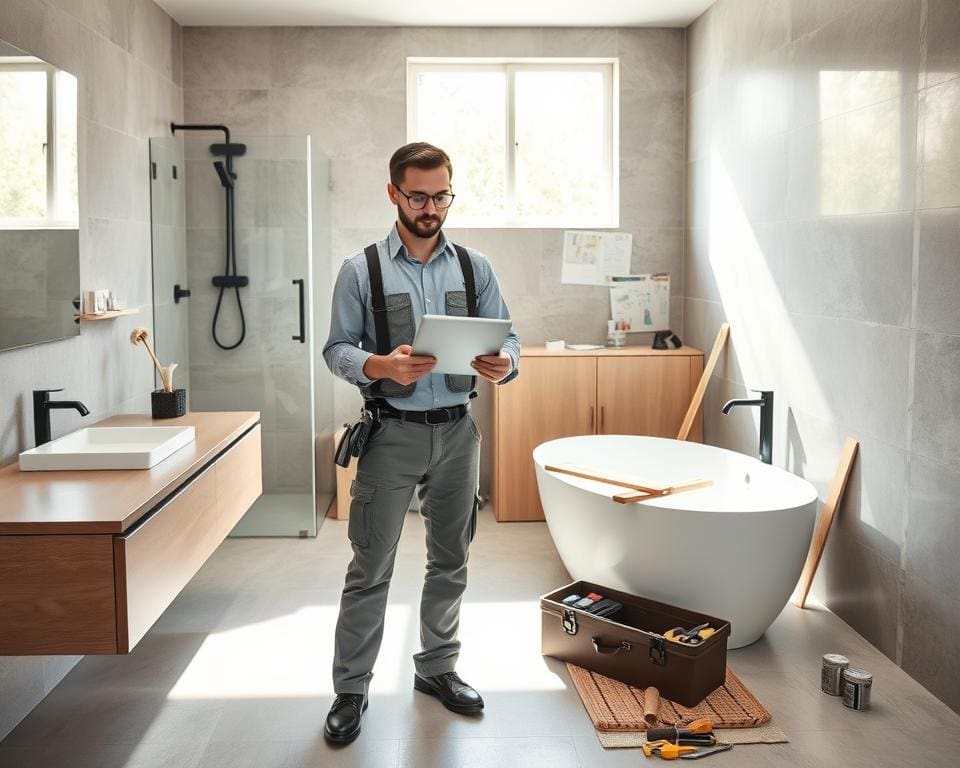
Remodelling a bathroom efficiently means balancing time, cost and resources so the result looks great and works well for years. This opening section explains what efficiency looks like for a typical bathroom refurbishment UK, from flats to terraced houses and suburban properties. It sets a practical, inspirational tone for homeowners planning a cost-effective bathroom renovation while considering sustainable bathroom upgrades.
Efficiency has three linked senses: minimise disruption, control spend and reduce running costs. Homeowners usually want improved aesthetics, better functionality, increased property value and lower water and energy bills. Keeping those goals in mind makes decisions simpler and helps you prioritise where to invest.
Practical principles speed progress and cut costs. Retain existing drainage and water runs where possible to avoid major labour. Use standardised sizes and off-the-shelf components to reduce lead times. Phase work logically so trades do not revisit the same space repeatedly. Choose durable, low-maintenance finishes to save money over time.
Sustainability and long-term savings are part of an efficient bathroom remodel efficiently executed. Fit dual-flush toilets, low-flow showerheads, A-rated electric showers or combi-boiler-compatible systems, LED lighting and thermostatic controls to lower bills. These sustainable bathroom upgrades often pay back through reduced energy and water use.
Set realistic timelines early: a simple refresh typically takes 1–2 weeks, a mid-range efficient bathroom renovation 3–6 weeks, and a full gut and refit 6–12 weeks. Costs vary by scope, but these indicative ranges help with budgeting for a cost-effective bathroom renovation. The next sections cover planning, permits, hiring and design choices in more detail.
How do you remodel a bathroom efficiently?
A successful bathroom project starts with clarity. Define the room’s primary function, list must-haves and nice-to-haves, and set an aesthetic direction. This written brief guides decisions and keeps the bathroom project planning focused as choices arise.
Set clear goals and a realistic budget
Prioritise items into must, should and nice-to-have so you can trade features without losing the design intent. Add a contingency of 10–20% to the bathroom budget UK to cover hidden problems such as rot, pipework issues or tile substrate repairs.
Use local cost guides and estate agent data to set expectations. Simple refurbishments can cost a few thousand pounds, while full removals and rewiring move into the mid‑thousands. Mid-range upgrades often improve resale value, especially when you add energy-efficient fittings or an ensuite.
Create a detailed timeline and workflow
Split the job into phases: survey and design, ordering, demolition, services, plastering and tiling, fixtures and finishing. A clear renovation timeline reduces downtime and helps trades work in sequence.
Order bespoke items early and allow lead times for baths, vanities and mirrors. Plan living arrangements so a second bathroom stays usable or arrange temporary facilities. Use simple tools like spreadsheets or Trello to track tasks, deadlines and payments.
Choose efficient fixtures and materials
Fit water-saving sanitaryware such as dual-flush WCs and flow-limited taps from reputable brands like Grohe, Hansgrohe or Bristan. Select electric showers with eco settings or thermostatic mixer valves that work with combi boilers to cut energy use.
Pick durable, low-maintenance bathroom materials to reduce cleaning and upkeep. Porcelain or large-format tiles, waterproof plasterboard systems such as Fermacell or Wedi, and luxury vinyl tile for non-wet floors keep surfaces practical and long‑lasting.
Install quality extractor fans with humidity sensors from Vent-Axia and use waterproof membranes like Schluter Kerdi to control moisture. Choose standard-size baths and wall-hung WCs to save cost and simplify cleaning while selecting efficient bathroom fixtures that match the style and function you want.
Smart planning, permits and hiring professionals
A successful bathroom remodel combines careful planning with the right permissions and skilled trades. Start by checking which works trigger building regulations bathroom UK rules so you avoid surprises. Small cosmetic changes rarely need planning permission, yet structural alterations, drainage and water supply work, ventilation upgrades and electrical work in bathrooms often do. In England, Part P covers electrical safety in wet zones.
Electrical work must be carried out or certified by a registered electrician such as NICEIC or a Part P registered installer. Gas and some heating tasks need Gas Safe engineers. Seek written confirmation of compliance or building control sign-off. Using competent person schemes helps when you want to avoid issues during a future sale.
When to tackle jobs yourself
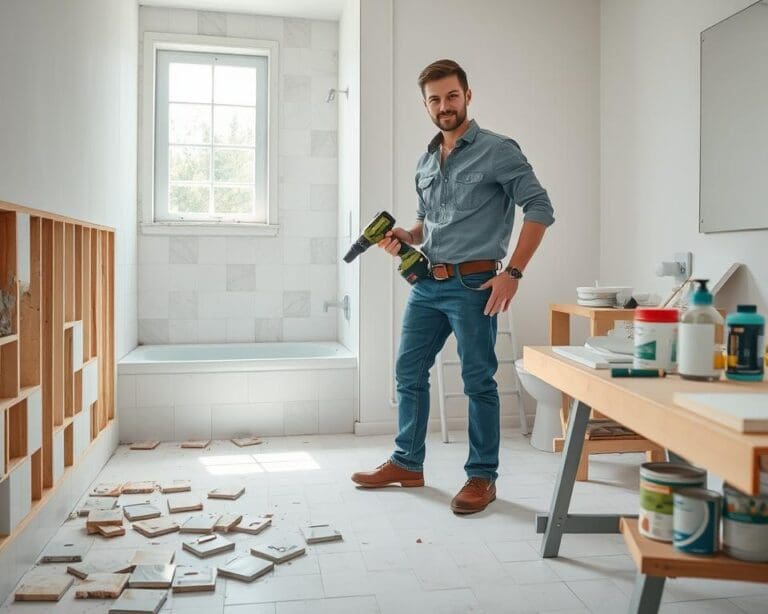
- Basic, non-structural demolition if you are confident and take safety precautions.
- Tiling for experienced DIYers, painting and fitting accessories.
- Installing pre-assembled vanities and mirrors with clear instructions.
When to hire professionals
- Plumbing tasks involving new pipe runs or relocations.
- Electrical work in wet zones and any work requiring certification.
- Structural alterations, waterproofing shower enclosures and underfloor heating.
Hiring experts speeds up the project, protects compliance and usually brings warranties. Look to reputable trade bodies such as the Federation of Master Builders or the Chartered Institute of Building for firm recommendations. Check registrations, ask for proof of public liability and professional indemnity insurance, and inspect previous work.
Getting accurate tradespeople quotes
Request itemised, like-for-like tradespeople quotes from at least three firms. Ensure each quote lists materials, provisional sums for unknowns, timeframes and payment schedules. State who will handle waste disposal and site tidiness. Linking the final payment to completion protects you from unfinished work.
How to manage contractors
- Use a written contract or appointment form covering scope, payment terms and change-order procedures.
- Hold regular on-site briefings and keep photographic records of progress.
- Implement a sign-off procedure for first fix, second fix and completion stages.
- Document any client-driven changes and record revised costs and completion dates.
Clear communication makes it easier to manage contractors UK and reduces disputes. If you prefer to hire bathroom fitter specialists, check references and request a detailed schedule. Good planning, the right bathroom permits and solid contracts will keep your project on track and protect the value of your home.
Design choices, space-saving ideas and finishing touches
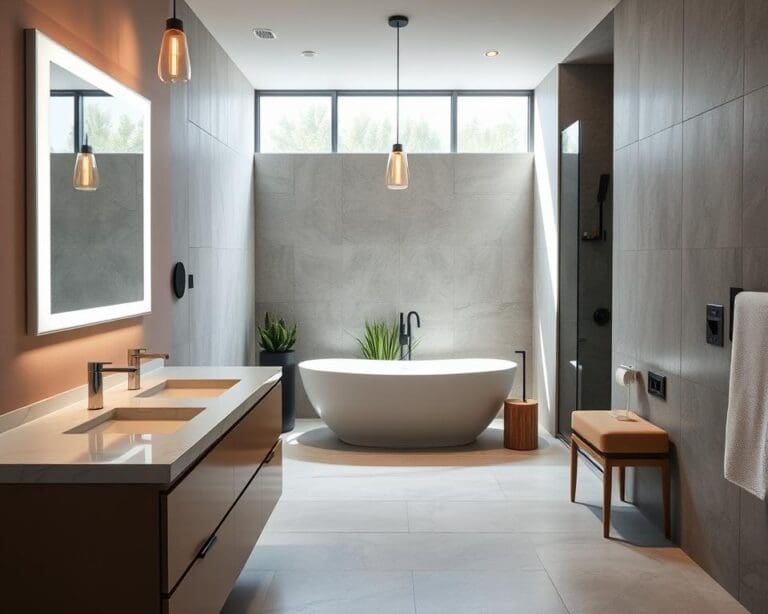
Choose a coherent palette and materials to make a small room feel larger. Monochrome schemes or muted tones with consistent surfaces reduce visual clutter, while large-format tiles cut grout lines and give a cleaner look. Position sanitaryware close to existing soil and waste stacks to keep plumbing runs short, and consider a wet-room conversion where drainage and falls can be managed to remove bulky enclosures.
Layered lighting transforms mood and function without high energy use. Combine LED downlights with task lighting at mirrors (IP44-rated for bathroom zones) and under-cabinet strips to add depth and conserve power. For ensuite ideas, fit dimmable LEDs and a separate mirror light to create both practical and relaxing settings.
For small bathroom space-saving, adopt space-efficient fittings: wall-hung WCs and vanity basins free floor area and hide cisterns, slimline or corner baths suit narrow rooms, and quadrant or recessed shower trays maximise circulation. Mirrored cabinets and full-height storage lift the perceived space while keeping toiletries organised, and pocket or sliding doors stop swing conflicts in compact layouts.
Select durable, easy-to-clean hardware to reduce maintenance. Brands such as Roca, Ideal Standard and Villeroy & Boch offer robust brassware and chrome finishes that age well. Use mildew-resistant grout and quality sealants in matching colours to keep joints neat, and add thoughtful bathroom finishing touches like thermostatic shower valves, programmable underfloor heating and sensor taps to blend comfort with efficiency.
Before handover, check warranties, controls and paperwork. Request demonstrations of shower and heating controls, obtain written guarantees for workmanship and products, and stage a snagging inspection within a week to catch defects while tradespeople are available. Keep a folder of plans, certificates and invoices to support future maintenance or a property sale and to make ongoing bathroom storage solutions straightforward to manage.