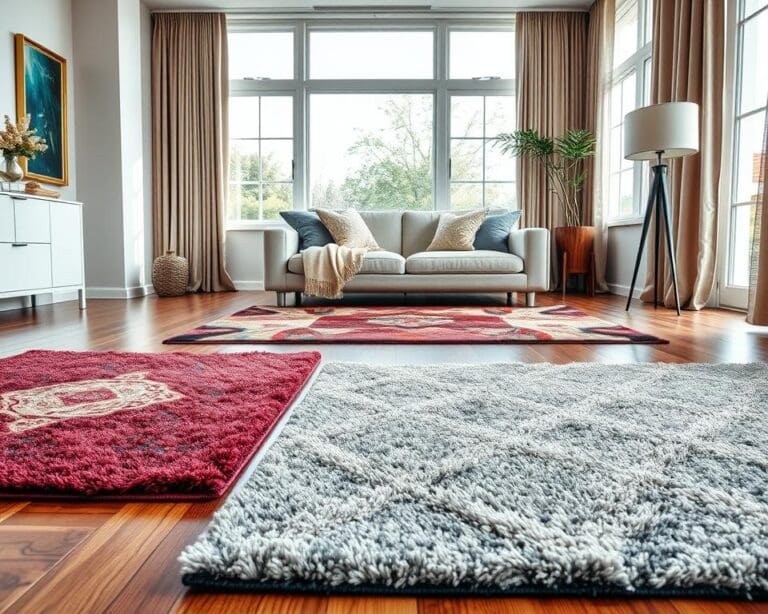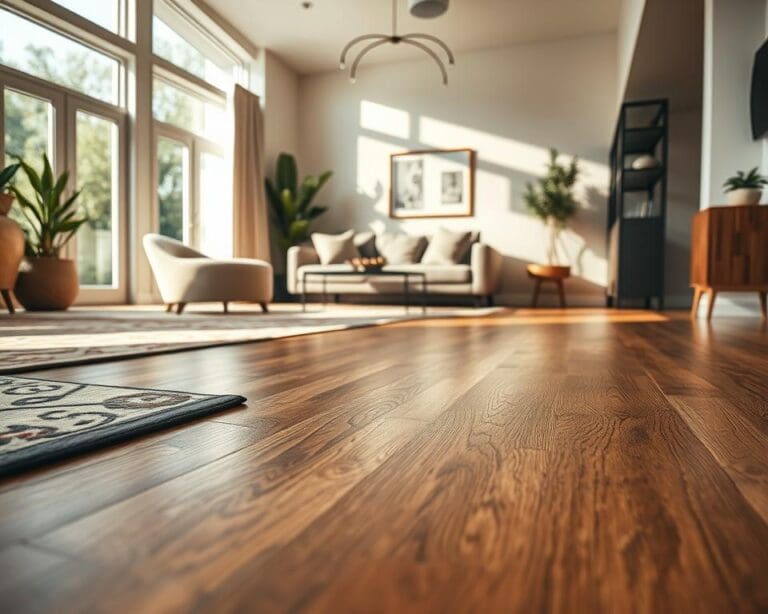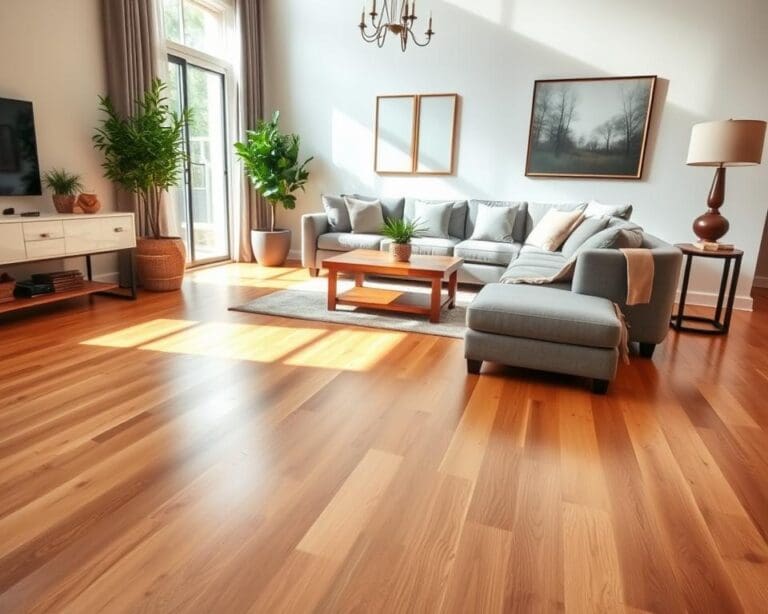
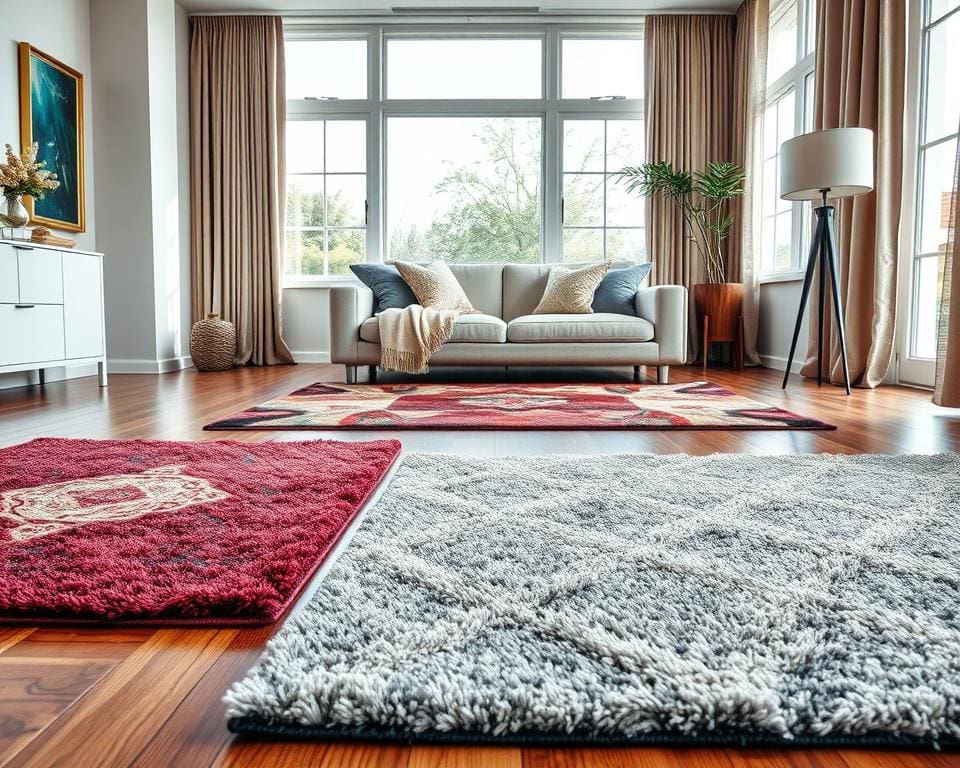
Choosing the right rug can transform how your living room looks and feels. This living room rug selection guide shows how a rug anchors furniture, reduces echo, and brings warmth to high-traffic family spaces across the United States.
In this short rug buying guide, we preview the essentials: how to measure for size and placement, which materials and pile suit everyday life, and how color and pattern influence mood and scale. These basics will help you choose rug for living room setups from compact city apartments to open-plan family rooms.
Expect practical tips on durable fibers like wool and polypropylene, maintenance for homes with pets and children, and simple styling moves such as layering and aligning furniture legs. For more depth on textures and placement strategies, see this practical resource on how to pick the perfect rug for your living room at living room rug selection.
Read on and you’ll learn how to select the right rugs for your living room so the final choice feels intentional, comfortable, and distinctly yours.
How do you select the right rugs for your living room?
Choosing the right rug shapes the mood and flow of a living space. This short guide highlights practical steps to match scale, function, and style so living room design rugs support daily life and aesthetic goals.
Understanding the role of a rug in living room design
Rugs act as anchors that visually unify seating groups and guide circulation. They offer sound absorption, warmth underfoot, and a tactile layer that changes a room’s feel. In open-plan homes a rug defines the living area without walls, carving out a cozy zone within a larger layout.
Identifying the primary function: comfort, style, or space definition
Start by naming the rug functions you need: cushioning for play, a patterned focal point, or a clear boundary between zones. For comfort-first spaces choose wool or plush blends with a thick pad. For style-first rooms pick bold patterns or classic motifs to match your scheme. When space-definition is key, match the rug shape to the seating layout—round rugs for circular groupings, rectangular rugs for sofas and coffee tables.
Practical trade-offs matter. Plush piles feel inviting but can trap dirt. Flatweaves clean easily but give less cushion. Balance maintenance needs with the look you want and the traffic the rug will see.
How the rug complements your existing furniture and layout
Scale and proportion are vital. Let rug size relate to sofa length so furniture does not appear disconnected. For formal layouts position sofa and chair front legs on the rug. For large rooms place all furniture fully on the rug for unity.
Use color and texture to coordinate rather than compete with upholstery. Neutral sofas pair well with patterned rugs to add interest. If furniture already sports bold prints, choose a low-contrast rug to calm the scene. Quality rug pads prevent slipping and protect hardwood floors, making rugs safer and more durable.
Measure the room and plan placement before buying. A good rule is to allow clear walkways around the rug and keep doors unobstructed. For tips on matching rugs with sofas and overall layout, consult practical guides like those from interior specialists at Evovivo.
Choosing the best rug size and placement for living room layouts
Picking the right rug changes how a room feels and functions. Use this short guide to match rug size with furniture and flow. The tips below cover common seating arrangements, practical steps on how to measure for a rug, and ways to handle open-plan rug placement.
Standard sizing guidelines by seating arrangement
- For a sofa with two chairs, choose an 8×10 or 9×12 so the front legs of every seat rest on the rug. This creates a unified conversation area and anchors the layout.
- If you have a sofa only or a small seating group, a 5×8 or 6×9 can work under the coffee table. Aim to have at least the front legs on the rug for balance.
- When furniture floats in a large room, position pieces fully on a larger rug to define the zone clearly.
- Leave 18–24 inches of bare floor between the rug edge and walls where possible to frame the space and keep proportions pleasing.
How to measure and visualize rug placement
- Start by measuring room length, width, and major furniture footprints. Record sofa length and coffee table dimensions.
- Use painter’s tape or kraft paper on the floor to outline possible rug sizes. This low-cost step shows scale without buying first.
- Test scale with cardboard cutouts or retail AR tools from IKEA, Wayfair, or Ruggable to preview placement. These methods simplify how to measure for a rug and avoid costly mistakes.
- Consider circulation paths. Keep rugs out of door swings and leave clear paths around seating to maintain flow.
Tips for open-plan spaces and area transitions
- Use rugs to define zones. A rug under the sofa can visually separate the living area from dining or kitchen functions in one open room.
- Align rug edges with architectural elements like a couch edge or fireplace hearth for cohesion. Overlapping or aligning creates intentional transitions.
- Layer smaller accent rugs over a larger neutral base to mark subzones such as a reading nook or play area, while keeping overall unity.
- Choose consistent color or pattern motifs across rugs in connected areas to create visual flow. Thoughtful rug layout tips stop competing patterns from fragmenting the room.
Selecting materials, pile, and durability for everyday living
Choosing the right rug materials shapes how a living room looks, feels, and performs day to day. Think about traffic, cleaning habits, and pets before you buy. A clear plan helps you match style with function.
Natural fibers vs. synthetic fibers: pros and cons
Wool remains a top pick for many homeowners. Brands like The Rug Company and Loom & Mill highlight wool’s resilience, natural stain resistance, and long lifespan. Wool costs more up front, yet it often pays off through years of use and natural flame resistance.
Cotton suits casual rooms and layered looks. Many cotton rugs are machine-washable, making them easy to care for in low-traffic zones. Jute, sisal, and seagrass offer an organic texture and eco appeal, though they can feel rough and react to humidity.
Synthetic fibers such as polypropylene, polyester, nylon, and triexta provide strong stain resistance and colorfastness. Manufacturers like Mohawk produce polypropylene rugs that work well for busy households and outdoor-indoor styling. These fibers are budget-friendly and cleanable, though they may lack the natural feel of wool and can trap odors if damp.
Pile height and texture: balancing comfort and maintenance
Low-pile and flatweave rugs perform best under dining tables or in high-traffic living rooms. They are easier to vacuum and resist wear. Examples include kilims and braided weaves that lend a clean, modern look.
Medium-pile rugs offer a middle ground. They give cushioning without the upkeep of deep shag. For lounge areas, consider a high-pile rug for softness, yet expect more vacuuming and occasional grooming to prevent matting.
Pay attention to pile construction. Looped styles like Berber resist crushing, while cut piles reveal richer color and detail. A 1/4″ to 1/2″ felt pad adds comfort and extends life by reducing friction.
Stain resistance, ease of cleaning, and pet-friendly options
Select rugs with stain treatments or inherently resistant fibers if spills are likely. Brands such as Stainmaster and Ruggable offer washable systems designed for accidents and active homes. Those systems simplify maintenance and protect your investment.
For pet owners, low-profile, tightly woven rugs resist snagging and hide wear better. Patterned or darker rugs conceal fur and minor stains. Machine-washable choices ease cleanup for puppies or older pets, turning a worry into a practical solution.
Routine care keeps any rug looking its best: vacuum weekly, spot-clean with manufacturer-recommended solutions, and deep-clean on the schedule suggested for the fiber. Use pH-neutral cleaners on wool and avoid harsh chemicals on natural fibers.
- Check construction: hand-knotted wool can last generations; machine-made synthetics offer affordable durability.
- Compare wool vs synthetic rug properties against your lifestyle to find the right balance.
- Match pile height rug choice to comfort needs and cleaning willingness for durable rugs for living room use.
Color, pattern, and style choices to elevate your living room
Choose rug color choices that tie the room together by pulling one or two dominant hues from existing furniture or art. For neutral schemes, a single bold shade can become a focal anchor. Keep lighting in mind: bright sun can wash out pale tones, while darker rugs ground rooms with abundant daylight. Test swatches by windows and lamps to see how colors shift through the day.
Rug patterns living room selection should respect scale. Large-scale motifs suit roomy layouts and simple sofas, while small-scale repeats work in compact spaces or with ornate furniture. When mixing patterns, follow the rule of three: let the rug be the dominant pattern, add a secondary pattern on pillows, and a small accent pattern in a throw or artwork to create harmony without clutter.
Balance between timeless and modern by choosing the best rug styles for your lifestyle. Persian and geometric motifs offer longevity; bold abstract pieces deliver contemporary impact. Consider hand-knotted or artisanal rugs as investment pieces, and use layering—place a smaller statement rug over a neutral foundation—to add depth and protect high-wear areas.
Round out your rug style inspiration with coordinated accessories and practical checks. Match pillows, curtains, or art to rug tones, and add metallic or wood accents for contrast. Before you buy, confirm dimensions against the measured space, test how to pick rug color in situ, check cleaning needs, and install proper padding and anti-slip measures for a finished, durable look.