An accent wall makeover is one of the quickest, most cost-effective ways to refresh a room. An accent wall is a single wall treated differently from the surrounding walls by color, material, texture, or pattern. This simple change creates an instant focal point and can define zones in open-plan living areas without a full remodel.
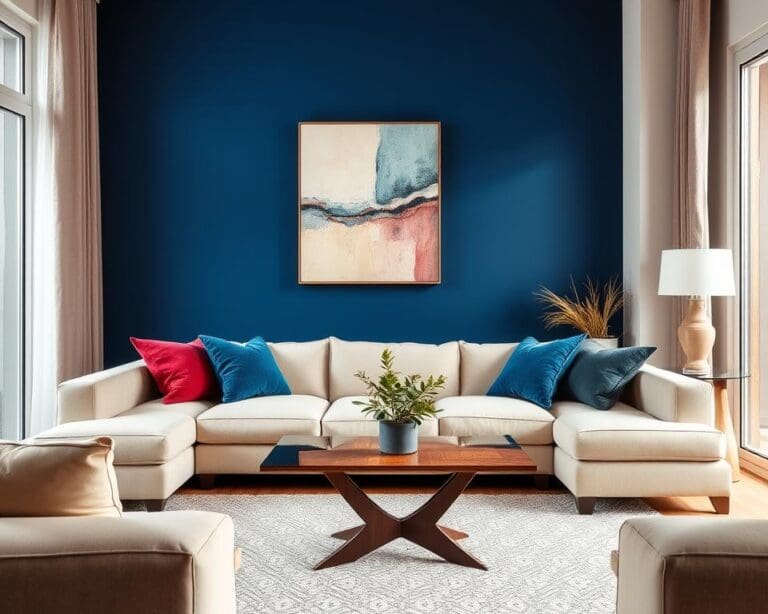
Beyond looks, accent walls influence how a space feels. Dark, saturated colors bring drama and intimacy, while light or warm tones make rooms feel larger and more energetic. Textured or patterned treatments add depth and tactile interest, so even a small wall can completely alter a room’s mood.
Practical appeal makes accent walls ideal for many homeowners and renters. A fresh coat of paint, removable wallpaper, or peel-and-stick tiles provide low-cost, low-disruption updates that you can often do yourself. For more durable finishes, professionals can install wood paneling, Venetian plaster, or bespoke cladding.
This guide targets first-time buyers, families updating living rooms, renters seeking temporary change, and anyone staging a house for resale. You’ll find accent wall ideas and planning tips to update home with accent walls, from choosing the right wall to budget-friendly execution.
Read on for selection and design principles, style-specific inspiration, and step-by-step advice to complete an accent wall makeover with confidence. For practical DIY pointers and sustainable options, consider this helpful resource on simple upgrades and techniques at simple DIY projects.
How do you update your home with accent walls?
An accent wall can lift a room with minimal fuss. Pick a single surface to make a statement and tie the space together with color, texture, or material choices that echo existing decor.
Choosing the right wall for impact
Look for natural focal points: the wall behind a bed, sofa, fireplace, or TV invites attention and often works as the best wall for accent. In open plans, choose the wall that defines the living zone rather than one hidden by cabinets or doors.
Use architecture to your advantage. Moldings, built-ins, and mantel surrounds amplify a treatment. Avoid walls interrupted by high-traffic pathways where the effect will read as fragmented.
Color and finish ideas to transform a room
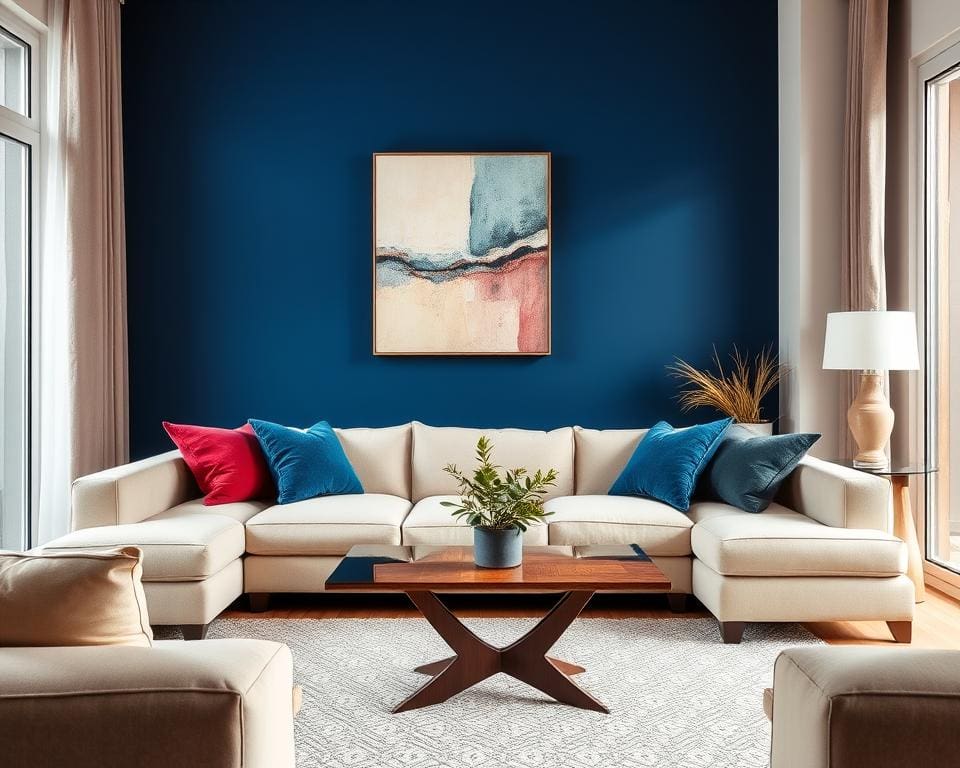
Start with color psychology. Blues and greens calm a bedroom, while warm terracotta or charcoal energize living areas. Mix muted neutrals with a deep hue for drama or go pale for a Scandinavian feel.
Pick a finish to match function. Matte paint reads modern, satin offers durability, and high-gloss trims add punch. For luxe moments, try metallic or mica-infused options as accent wall finish ideas.
Materials and textures for depth
Layering texture gives depth without clutter. Textured accent walls like shiplap, vertical slats, or reclaimed wood warm a space. Stone veneer and brick slips work well in kitchens and foyers for tactile interest.
Consider wallcoverings and specialty finishes for pattern or sheen. Removable wallpapers and woven grasscloth provide richness. Decorative plasters and microcement create seamless, polished surfaces when installed by a pro.
Scale and proportion considerations
Match pattern scale to room size. Large motifs suit open rooms, small repeats fit compact spaces. Think about accent wall proportion so the treatment feels balanced with furniture and art.
Use vertical treatments to make ceilings seem taller and horizontal lines to widen a room. Repeat the wall’s color or texture in textiles and rugs to create cohesion across the floor plan.
Design inspiration and styles to update any room with accent walls
Fresh ideas can turn a plain room into a memorable space. Use this guide to explore modern accent wall ideas, cozy accent walls, bold statement walls, and kid-friendly accent walls that suit living rooms, bedrooms, and nurseries.
Modern and minimalist accent wall ideas
Lean on monochrome palettes like deep charcoal or dove gray to create a calm, gallery-like backdrop. Pair smooth plaster, microcement, or vertical wood slats with clean-lined furniture for a seamless look.
Keep patterns subtle. Recessed niches or slim geometric panels add interest without clutter. Integrate concealed LED strips or modern sconces to highlight texture and preserve the minimalist feel.
Cozy and layered accent wall concepts
Warm tones such as terracotta, sienna, and muted green build comfort. Combine shiplap with floating shelves and framed art to create intimate, layered surfaces.
Built-ins and bench seating turn a wall into a cozy, functional feature. A fireplace surround in tile or stone that rises to the ceiling anchors the room and boosts the appeal of cozy accent walls.
Bold and eclectic statement walls
Maximalist patterns and murals bring personality. Large-scale botanical or abstract murals make rooms feel vivid and unique. Consider commissioning local muralists or using peel-and-stick panels for quick change.
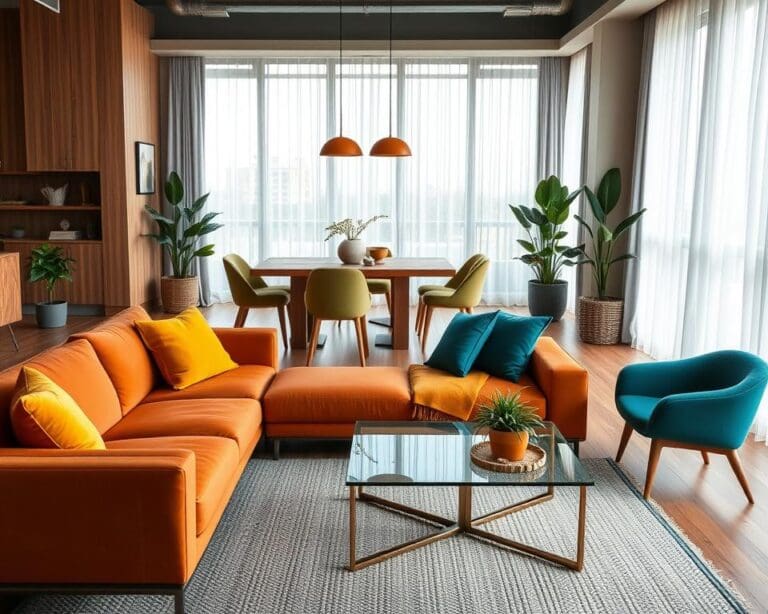
Mix materials like metal tiles, reclaimed wood, and colorful wallpaper for contrast. Paint a dramatic backdrop color and layer oversized art and mirrors to compose dynamic bold statement walls.
Kid-friendly and adaptable accent walls
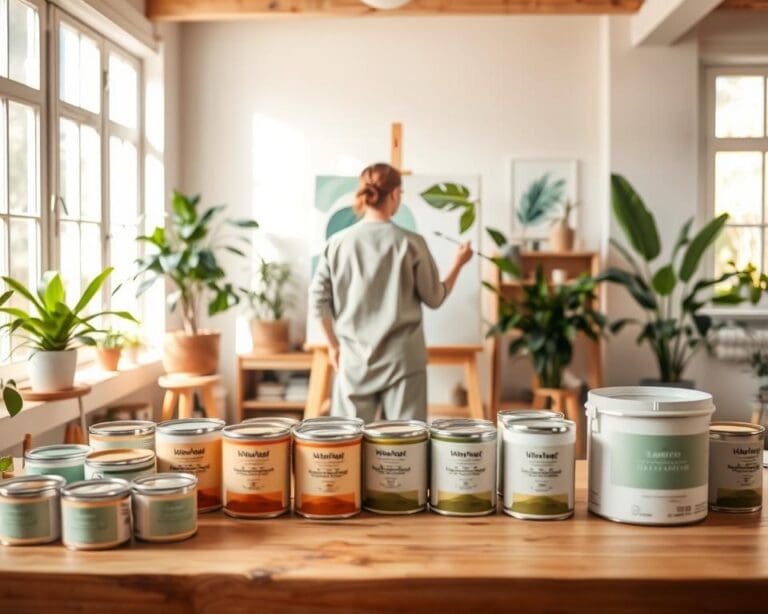
Choose durable, washable finishes from brands such as Sherwin-Williams, Benjamin Moore, or Behr for safer, longer-lasting surfaces. High-quality washable wallpapers from Graham & Brown or Tempaper offer pattern with practicality.
Interactive zones using chalkboard paint or magnetic primer encourage play and learning, while removable wallpaper or peel-and-stick planks let the room evolve as children grow.
For practical tips on refreshing a room with simple decor accents, see this short guide at how to refresh your space. Explore accent wall styles and pick the approach that matches your lifestyle and design goals.
Practical steps and budgeting to update your home with accent walls
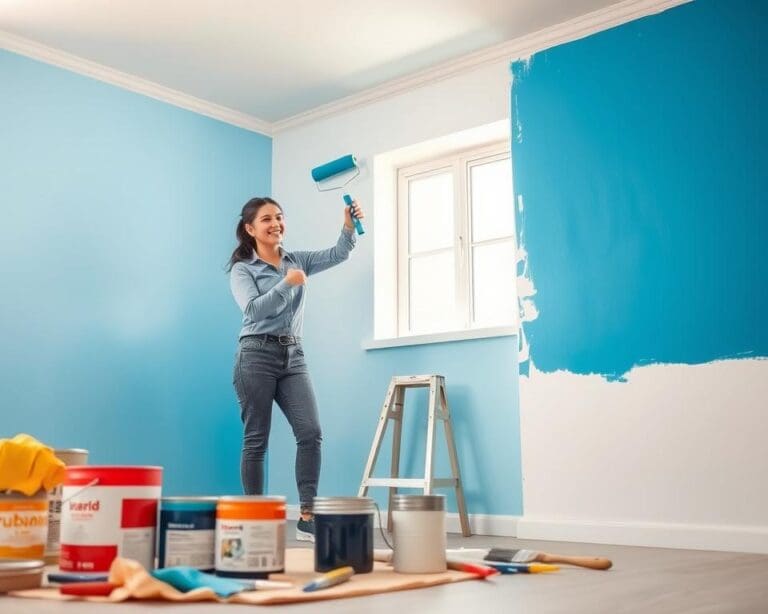
Start by deciding scope: a quick paint refresh or a full feature wall with millwork or stone. For simple DIY accent wall steps, gather rollers, brushes, drop cloths, a level, and a tape measure. Paint jobs and peel-and-stick wallpaper are doable in a day or a weekend, while stone veneer or Venetian plaster follow a longer accent wall timeline that can span several days to a week with drying and curing.
Surface prep is nonnegotiable. Clean, patch, sand, and prime—use wallcovering primer for wallpaper. Test color swatches on a 2×2-foot area to see how light shifts through the day. If you plan specialty finishes or wet-area tile, get multiple contractor quotes and check licenses and insurance before hiring professionals.
Budget with clear tiers: low-cost options ($25–$250) include painting with Behr or Sherwin-Williams, peel-and-stick wallpaper, or decals. Mid-range ($250–$1,500) covers wood slats, shiplap, or high-quality wallpaper. High-end projects ($1,500+) involve custom millwork, stone veneers, or plaster and carry higher labor costs. Consider where to save—use paint instead of tile, shop Home Depot or Lowe’s for materials, and save labor by doing demolition or final coats yourself.
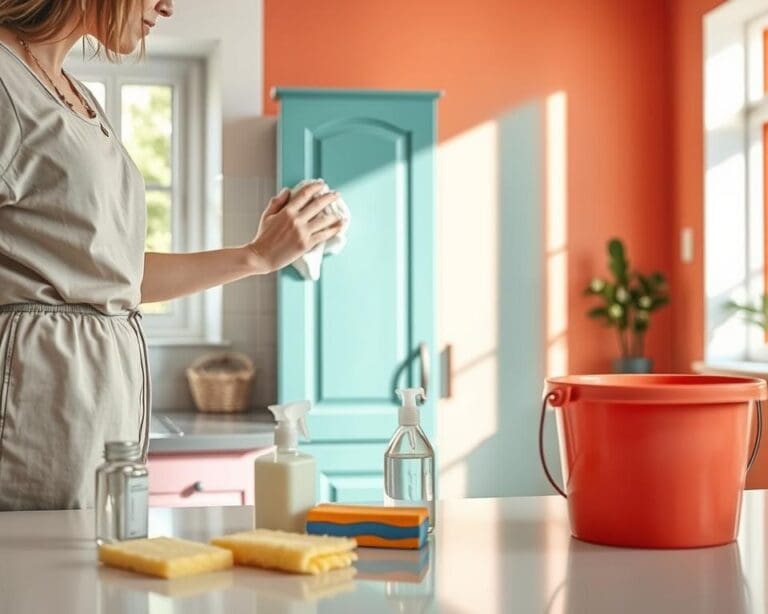
Finish with an execution checklist: finalize samples in room lighting, order 10–15% extra material, protect floors and furniture, and follow manufacturer instructions during installation. Keep extra paint or wallpaper for touch-ups, and maintain finishes by wiping washable paint or inspecting wood and stone for loose pieces. Thoughtful choices and realistic planning will align your accent wall budget, cost to install accent wall, and desired outcome without surprises.