
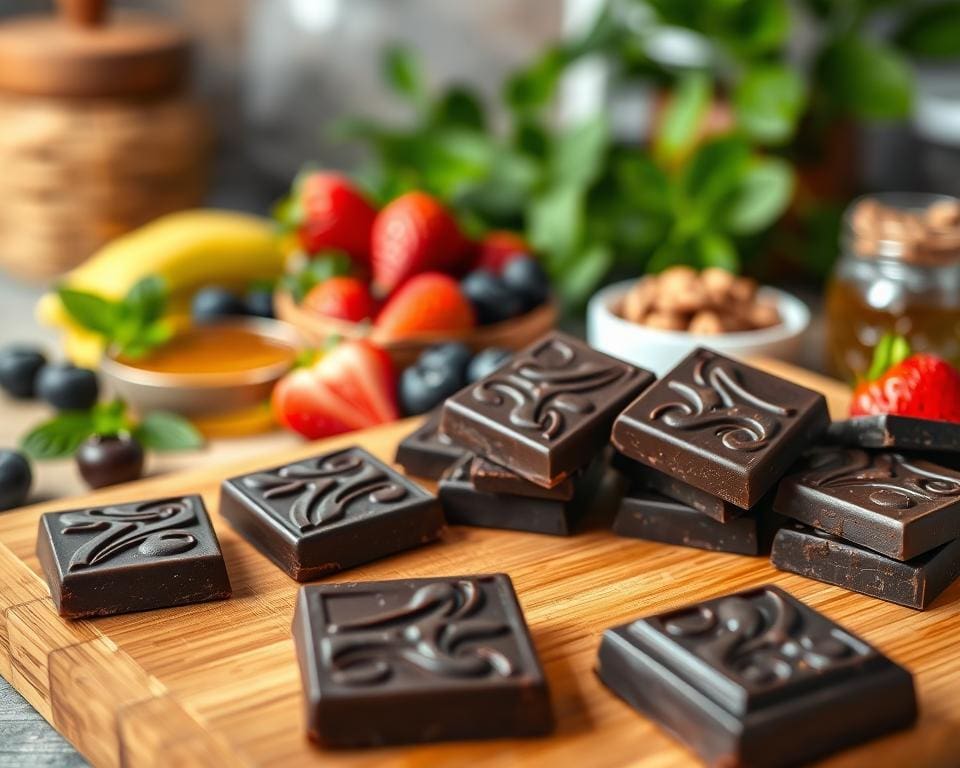
Dark chocolate is more than just a delectable treat; it’s an essential component that can enrich a balanced diet. Packed with beneficial nutrients, dark chocolate offers a unique blend of flavour and health advantages that can elevate our nutritional intake. By incorporating dark chocolate into our meals, we transform the perception of indulgence into a thoughtful approach to healthy desserts, allowing us to savour life while nourishing our bodies. This journey into the world of dark chocolate invites us to rethink its role, encouraging us to embrace its potential in a well-rounded diet.
The Nutritional Profile of Dark Chocolate
Dark chocolate offers a fascinating blend of flavours and health benefits, making it a delightful addition to a balanced diet. Understanding its nutritional value is essential for those looking to enjoy this treat mindfully. The ingredients used in dark chocolate, such as cocoa solids, cocoa butter, and moderate amounts of sugars, all contribute to its unique qualities while packing a punch of nutrients.
Key Ingredients in Dark Chocolate
The core ingredients in dark chocolate play a significant role in its overall appeal. Primarily, cocoa solids provide flavonoids, which are known for their antioxidant properties. Alongside them, cocoa butter contributes to the creamy texture and mouthfeel. Furthermore, high-quality dark chocolate is often rich in essential minerals like iron and magnesium, adding to its nutritional value. This blend of ingredients not only satisfies the palate but supports health when consumed in moderation.
Caloric Content and Portion Sizes
While indulging in dark chocolate, being aware of its caloric content can help maintain balance. Typically, a 100-gram serving of dark chocolate contains around 500-600 calories, depending on the cocoa percentage. For effective portion control, enjoying 20-30 grams per day is advisable. This approach allows one to savour the delectable taste while reaping antioxidant benefits without overstepping daily caloric intake.
How does dark chocolate fit a balanced diet?
Integrating dark chocolate into a balanced diet is both simple and enjoyable. With its rich flavour and numerous health benefits, this treat can elevate various meals while supporting healthy eating habits. By embracing meal integration, individuals can create delightful dishes that feature dark chocolate without compromising nutritional value.
Incorporating Dark Chocolate into Daily Meals
There are numerous ways to incorporate dark chocolate into daily meals. Here are some suggestions for delicious and balanced options:
- Add dark chocolate shavings to your morning oatmeal for a hint of sweetness.
- Mix dark chocolate pieces into smoothies to create a creamy, indulgent drink.
- Top Greek yoghurt with dark chocolate and fresh berries for a nutritious dessert.
- Utilise dark chocolate recipes in baking, such as brownies or muffins, using healthier ingredients.
- Sprinkle dark chocolate chips over healthy snacks like popcorn or rice cakes for added flavour.
Remember that moderation is key when enjoying dark chocolate. A small amount can satisfy cravings while contributing positively to your diet. By making thoughtful choices, dark chocolate can be both a delectable and health-conscious component of your meals.
Health Benefits of Dark Chocolate
Dark chocolate is more than just a delightful treat; it offers remarkable health benefits that can boost both physical and mental well-being. The presence of unique antioxidants plays a crucial role in enhancing health and preventing various ailments. Understanding these advantages can inspire individuals to incorporate this rich indulgence into their lives.
Antioxidants and Heart Health
One of the most significant health benefits of dark chocolate lies in its high antioxidant content, specifically flavonoids. These compounds are known to improve blood flow and reduce blood pressure, which can be instrumental in preventing heart disease. Regular consumption of dark chocolate may lead to improved vascular function, promoting a healthier heart and better circulation. The combination of taste and health is achieved when one enjoys a moderate portion of dark chocolate.
Mood Enhancement and Stress Relief
In addition to cardiovascular benefits, dark chocolate plays a role in mental well-being. Its ability to enhance mood can be attributed to the release of endorphins and serotonin, neurotransmitters that contribute to feelings of happiness and relaxation. Consuming dark chocolate may offer a delightful escape from daily stressors, boosting mental well-being and fostering a positive mindset. The pleasurable experience of indulging in this treat does more than satisfy cravings; it enhances overall life satisfaction.
Choosing Quality Dark Chocolate
When selecting dark chocolate, understanding the quality is essential for optimizing its health benefits. A focus on cocoa content plays a significant role in this choice. Generally, a higher cocoa content indicates a richer source of nutrients and antioxidants. This awareness enhances the overall experience of indulging in quality chocolate.
Understanding Cocoa Percentage
To make informed decisions, pay attention to the cocoa percentage on packaging. A chocolate bar with at least 70% cocoa content is often the most beneficial choice, providing ample flavonoids and lower sugar levels. Chocolate with a higher cocoa content tends to have a deep, rich flavour, appealing to those who truly appreciate this indulgence.
Reading Labels and Ingredients
Label reading is crucial for ensuring you’re picking the finest dark chocolate. Look for products that list cocoa solids as the primary ingredient, accompanied by minimal added sugars and fillers. Selecting quality chocolate often involves identifying natural fats and avoiding artificial additives. Reading labels will empower you to choose options that align with your health goals, allowing you to relish dark chocolate without compromise.
Myth-Busting: Dark Chocolate and Weight Management
When it comes to weight management, many people fall prey to common myths surrounding dark chocolate. A prevalent misconception suggests that indulging in dark chocolate leads to weight gain, urging individuals to steer clear entirely. This notion overlooks the possibility of responsible indulgence within a balanced diet. Understanding the truth behind these myths paves the way for a healthier relationship with food.
Common Misconceptions
Several myths abound regarding dark chocolate’s role in weight management. Often, individuals believe that all chocolate should be avoided for effective weight loss. In reality, small amounts of dark chocolate can provide satisfaction and curb cravings, making it easier to maintain a balanced approach. Another myth claims that only the strict avoidance of sweets guarantees weight loss, yet moderation is key to long-term success.
Practical Tips for Enjoying Dark Chocolate Responsibly
Incorporating dark chocolate into your diet can be a delightful experience when done mindfully. Consider these practical tips:
- Choose quality products with high cocoa content to maximise health benefits.
- Practice portion control by limiting servings to a few squares at a time.
- Enjoy dark chocolate as an occasional treat rather than as a daily staple.
- Pair it with nutritious foods, such as fruits or nuts, to enhance satisfaction.
By dispelling these myths and embracing responsible indulgence, dark chocolate can play a positive role in your journey towards effective weight management.
Alternatives to Dark Chocolate
Exploring healthy alternatives can enhance your snacking experience while providing a similar indulgence to dark chocolate. There are various options for those seeking delightful treats that align with a well-rounded diet.
Other Healthy Treats
For a change, consider incorporating carob, a naturally sweet alternative that offers a distinct flavour profile. Cacao nibs serve as another fantastic choice, boasting a crunchy texture and a rich chocolate essence without the added sugar. Additionally, fruit-based desserts can satisfy your sweet cravings while delivering essential vitamins. Options like baked apples or berry parfaits present not just alluring flavours but also enhance the overall nutritional value of your snacks.
Combining Dark Chocolate with Nutrient-Rich Foods
Pairing dark chocolate with nutrient-rich foods can elevate your treat game to new heights. Berries, for instance, complement dark chocolate beautifully, offering a sweet-and-sour contrast while providing antioxidants. Nuts can add crunch and a dose of healthy fats, making for tasty and filling treats. These nutritious combinations not only enrich the flavours but also maximise the health benefits, ensuring you enjoy indulgence without sacrificing wellness.
Recipes Featuring Dark Chocolate for a Balanced Diet
Embracing dark chocolate in your meals opens a world of culinary possibilities that blend indulgence with wellness. For those seeking healthy recipes, consider creating homemade dark chocolate granola bars. These bars combine rolled oats, nuts, a drizzle of honey, and chunks of dark chocolate, offering a nutritious snack that fuels your day without compromising on flavour.
Another delightful option is dark chocolate avocado mousse. This dish seamlessly mixes ripe avocados with dark chocolate, blending into a rich and creamy texture that’s surprisingly low in sugar. It’s an excellent way to enjoy dark chocolate dishes while benefiting from the healthy fats and fibres of avocados, making it a perfect treat for balanced diet cooking.
For a refreshing and sweet treat, dark chocolate-covered fruit is an effortless recipe that highlights seasonal fruits like strawberries or bananas. Simply dip the fruit into melted dark chocolate and allow it to set. This combination not only satiates your sweet tooth but also enhances your diet with essential vitamins and minerals, encouraging a creative and health-conscious approach to your meals.