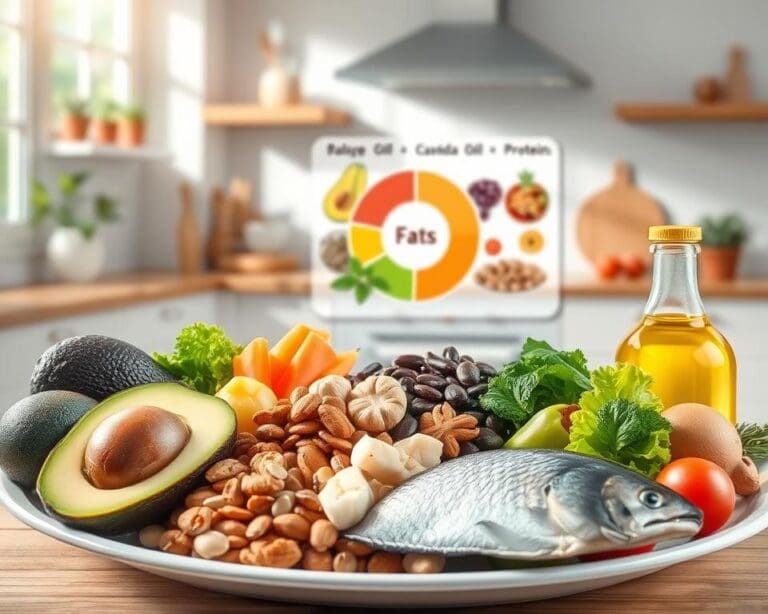

What we eat shapes how well we think. The brain uses roughly 20% of the body’s energy, so diet and concentration are tied to basic fuel supply, the raw materials for neurotransmitters and cellular membranes, and antioxidants that limit oxidative stress.
Understanding how diet influences mental focus matters for real life in the UK. Better nutrition for focus can boost workplace productivity, help students perform in exams and support steadier daytime energy. It also strengthens mental resilience when stress mounts.
This article sets out a practical, evidence-led guide to improve mental clarity with food. It will summarise scientific links between diet and attention, list key nutrients that support concentration, compare dietary patterns, and identify foods and beverages to favour or avoid.
Later sections offer meal and snack strategies to sustain attention and review supplements and cognitive products with an evaluative lens. References will draw on peer-reviewed studies, systematic reviews, NHS guidance and British Dietetic Association positions. Product reviews use criteria such as efficacy, safety, ingredient transparency, dosage, cost and UK availability to help you choose wisely when considering a cognitive performance diet.
How does diet influence mental focus?
Food is more than fuel; it shapes the brain’s chemistry and performance. The diet–brain connection works through several mechanisms: steady glucose supply for energy, essential fatty acids that support neuronal membrane fluidity, amino acids that act as precursors for neurotransmitters, and micronutrients that enable enzymatic reactions. Antioxidants help limit oxidative stress and protect neural tissue. Trusted UK guidance from the NHS, reviews in The Lancet Neurology and Nutritional Neuroscience, and position statements from the British Dietetic Association frame much of this evidence.
Overview of mechanisms linking food and cognition
Glucose regulation matters for attention. Meals that provide a steady release of glucose help maintain focus through the morning and afternoon. Essential fatty acids, such as omega-3s found in oily fish, maintain membrane flexibility and support signal transmission between neurons.
Amino acids influence mood and alertness. Tyrosine feeds dopamine pathways; tryptophan supports serotonin. B vitamins, iron, magnesium and zinc act as cofactors in many brain enzymes that underpin thinking and memory.
Antioxidants from fruits, vegetables and tea reduce oxidative damage that can erode cognitive reserve over time. These pathways together explain why dietary changes can alter both immediate performance and long-term brain resilience.
Short-term versus long-term effects on concentration
Short-term diet effects on focus are easiest to notice. High‑GI meals can provoke rapid blood sugar rises, then dips that sap attention. Caffeine can boost alertness for a few hours. Mild dehydration slows reaction times and reduces cognitive speed.
Long-term nutrition cognitive health reflects years of eating patterns. Diets rich in antioxidants and omega‑3s associate with better executive function in cohort studies. Mediterranean-style patterns appear linked with lower dementia risk in longitudinal research.
Distinguishing acute performance gains from sustained neuroprotection is key. A single cup of coffee may sharpen concentration today, but long-term diet patterns influence brain structure and ageing. Evidence strength varies by study design and population.
How individual differences shape dietary impact
Individual differences diet cognition arises from age, sex, genetics and metabolic health. Children, adults and older adults respond differently to the same meal. APOE ε4 carrier status may change how diet relates to cognitive outcomes in some studies.
Insulin resistance alters glucose handling and can blunt benefits from carbohydrate-rich snacks. Iron-deficiency anaemia impairs attention in children and adults. Sleep, stress and physical activity further mediate dietary effects on focus.
Personalised nutrition for focus recognises these factors. What improves concentration for one person could be neutral or harmful for another. For targeted changes, consult the NHS or a registered dietitian, particularly when considering supplements or therapeutic diets.
Key nutrients that support concentration and mental clarity
Good nutrition underpins clear thinking. A focused diet supplies nutrients for focus, fuels neurons and guards against mental fatigue. The following points highlight specific nutrients and practical food sources to help maintain steady attention and mental clarity.
Omega-3 fatty acids and neuronal function
DHA and EPA maintain neuronal membrane integrity and support synaptic signalling. DHA is highly concentrated in the cerebral cortex and the retina, where it helps cell membranes stay fluid and responsive.
Randomised trials and meta-analyses report modest omega-3 brain benefits for attention and behaviour in some groups, such as children with ADHD and older adults with mild cognitive impairment. Study results vary depending on dose and formulation, so evidence should be viewed with nuance.
Eat oily fish like salmon, mackerel and sardines, choose Marine Stewardship Council-certified options, or try algae-based DHA for vegetarians. High-quality fish oil supplements can fill gaps where dietary intake is low.
B vitamins, especially B6, B9 and B12, for cognitive energy
B6, folate (B9) and B12 drive one-carbon metabolism, neurotransmitter synthesis and homocysteine regulation. Elevated homocysteine links to cognitive decline, so keeping B vitamin status healthy supports brain energy processes.
Trials show supplementation lowers homocysteine and can aid cognition in people with low baseline status. In well-nourished populations, routine supplements offer limited added benefit.
Sources include leafy greens, legumes, fortified cereals, eggs, dairy and lean meats. Older adults and strict vegans should monitor vitamin B12 closely and consider supplements if blood tests indicate deficiency.
Iron, magnesium and zinc: minerals that affect attention
Iron is essential for oxygen delivery and dopamine production. Iron-deficiency anaemia impairs concentration, particularly in children and women of childbearing age. Screening and correction improve cognitive outcomes when deficiency is present.
Magnesium supports synaptic plasticity and NMDA receptor regulation. Low magnesium links to higher stress responses and poorer cognitive performance in some studies.
Zinc contributes to neurotransmission and neurogenesis. Observational studies associate zinc deficiency with attention and memory problems.
Eat a mix of red meat, poultry, legumes, nuts, seeds, wholegrains and green leafy vegetables. Avoid self-prescribing iron supplements; follow NHS guidance and blood test results when treating deficiency.
Antioxidants and flavonoids in protecting cognitive performance
Oxidative stress contributes to neuronal ageing. Antioxidants such as vitamins C and E, polyphenols and flavonoids help neutralise free radicals and support long-term brain resilience.
Population studies link flavonoid-rich foods to better memory and slower cognitive decline. Short-term intervention trials show improvements in memory and attention after flavonoid intake, suggesting practical benefits for everyday focus.
Choose whole foods—berries, dark chocolate, green tea and citrus—rather than high-dose supplements unless a clinician advises otherwise. This approach blends antioxidants cognitive protection with broader nutritional benefits.
Dietary patterns linked to better cognitive performance
Diet shapes how we think, sustain attention and manage mental energy. Small shifts in what and when we eat can lift mood, sharpen focus and support long-term brain resilience. Below are practical patterns with a focus on evidence and everyday UK choices.
Core elements of Mediterranean-style eating
The Mediterranean approach centres on vegetables, fruit, wholegrains, legumes, nuts and olive oil, with regular fish and moderate poultry. Trials such as PREDIMED show links between this way of eating and improved attention, mood and reduced risk of decline. Benefits arise from better vascular health, lower inflammation and nutrients like omega-3s, polyphenols and B vitamins that support neurotransmitters and cell membranes.
To adapt for the UK palate, choose local fish, seasonal veg and swap in British rapeseed oil when needed. Add legumes to stews and mash peas with mint for familiar dishes that boost Mediterranean diet cognition.
Whole-food focus versus ultra-processed patterns
Whole-food diets prioritise fibre, micronutrients and steady-release carbohydrates. These features help keep blood glucose stable and sustain concentration through the day. Public Health England and British Heart Foundation reports connect nutrient-rich dietary patterns brain health with better cognitive outcomes in population studies.
Ultra-processed foods are typically high in refined sugars, unhealthy fats and additives. Large cohort studies link these products to poorer attention, higher rates of depression and faster processed food cognitive decline. Swapping ready meals and sugary snacks for whole options can protect concentration and mood.
Meal timing and balance for steady attention
Combining low-to-moderate glycaemic-index carbs with protein and healthy fats reduces sugar swings that break focus. Simple examples include porridge with nuts, wholegrain toast with avocado and eggs, or yoghurt with fruit and seeds.
Regular meal patterns suit many people; long fasts can impair focus for those with heavy cognitive demands. Evidence on intermittent fasting is mixed and it may not suit everyone. Tailor choices to your schedule and tasks.
Align meals with your natural rhythm. A protein-rich breakfast can aid morning concentration for early risers, while lighter evening meals help avoid postprandial sleepiness. Consider personal chronotype when planning food and meal timing and concentration to support daily performance.
- Emphasise vegetables, legumes and oily fish to strengthen Mediterranean diet cognition.
- Choose whole-food diet focus over processed convenience to reduce processed food cognitive decline risk.
- Plan meals and snacks with balance in mind so meal timing and concentration remain steady.
Foods and beverages that boost or impair mental focus
What you eat and drink shapes how clearly you think. This short guide highlights evidence-based choices that sharpen alertness and options that can erode attention. Practical serving ideas and familiar UK brands help make swaps simple and realistic.
Top foods that enhance alertness and memory
Oily fish such as British salmon and mackerel supply DHA and EPA, fats linked to improved memory and neural resilience. Aim for two portions a week; try grilled salmon from Marks & Spencer or a Tesco fillet with steamed greens.
Eggs provide choline, a precursor for acetylcholine, a neurotransmitter tied to learning. A boiled egg on wholegrain toast makes a quick, brain-friendly breakfast.
Berries contain anthocyanins and flavonoids that support synaptic function. Pick fresh mixed berries at Waitrose or frozen varieties from Iceland for smoothies or yoghurt toppers.
Nuts such as almonds and walnuts offer vitamin E and healthy fats that protect neurons. A small handful with an apple is a portable, focused snack.
Leafy greens like kale and spinach are rich in folate, vitamin K and lutein. Stir them into omelettes or add to lunchtime salads for steady cognitive support.
Wholegrains supply slow-release glucose that steadies blood sugar. Choose porridge or wholemeal sandwiches over white options to keep attention sustained.
Fermented foods such as natural kefir or live yoghurt may help the gut–brain axis. Include a pot of live yoghurt at breakfast or as a dessert to encourage microbial variety.
Hidden culprits: sugars and refined carbs that undermine concentration
Rapid spikes in blood glucose from sugary cereals, pastries and soft drinks can lead to reactive hypoglycaemia and a crash in attention. Many popular UK breakfast cereals contain high total sugars despite healthy branding.
Ultra-processed snacks and white bread increase inflammation and can alter the gut microbiome, which may harm focus over time. Read labels and compare grams of sugar per serving before buying.
Behavioural swaps help blunt glycaemic swings. Combine starchy foods with protein or healthy fats, choose porridge instead of sugary granola, and replace fizzy drinks with sparkling water and a slice of lemon.
Caffeine, hydration and their nuanced effects on focus
Caffeine can boost alertness and reaction time in the short term. Coffee from Costa or a home-brewed espresso gives a fast lift. Black tea offers a gentler rise with L-theanine in some blends.
Drawbacks appear with high doses and frequent use. Tolerance reduces benefits, late-day caffeine disrupts sleep, and energy drinks may combine caffeine with high sugar and additives that increase anxiety.
Hydration is central to attention. Losing just 1–2% of body weight in water impairs task performance and mood.
Carry a reusable bottle and check urine colour as a simple cue. Include hydrating foods such as cucumber, oranges and clear soups during busy days to support hydration brain function.
Time caffeine for mornings or early afternoons to avoid sleep interference. For young people, follow UK public-health advice on energy drink limits and favour plain coffee or tea where possible to manage caffeine effects concentration.
Practical dietary strategies for improving workplace and study focus
Good food habits shape sharper minds and steadier attention. Use simple routines to support energy across the day and keep distractions at bay. The guidance below offers clear, actionable steps for meal planning for focus, snacks for concentration, diet for study focus, shift work nutrition and workplace nutrition tips.
Meal planning tips to maintain steady energy and attention
- Prioritise balanced plates with low‑GI carbohydrates, lean protein, healthy fats and plenty of vegetables. Low‑GI carbs give steady glucose for focus.
- Batch‑cook staples to simplify weekday lunches. Roast vegetables, cook grains like brown rice or quinoa, and poach or grill salmon or chicken for quick assembly.
- UK meal templates: porridge with seeds and berries for breakfast, wholegrain sandwiches with lean protein and salad for lunch, baked salmon with quinoa and steamed greens for dinner.
- Shop smart: choose seasonal produce, use frozen veg and fruit to save money and preserve nutrients, read labels for added sugar and salt.
Snack ideas for sustained concentration
Choose portable, whole‑food snacks that combine protein and slow carbs. Portion control helps avoid the post‑snack slump.
- Plain Greek yoghurt with berries and a few walnuts; try Alpro Greek‑style for a plant option.
- Banana with a spoonful of almond butter for quick, nutrient‑dense fuel.
- Hummus with carrot sticks or mixed unsalted nuts for steady energy.
- Oat‑based bars with minimal added sugar; look for Eat Natural or Nakd bars made from dates and nuts but favour whole options over highly processed bars.
How to adapt strategies for shift work and irregular schedules
Night and rotating shifts present unique challenges. Plan ahead to keep concentration consistent despite erratic hours.
- Pack compact, nutrient‑dense meals before shifts. Think grain bowls with beans, grilled chicken and veg that keep well.
- Opt for low‑GI snacks during night shifts to avoid glucose spikes that disrupt alertness and sleep later.
- Hydrate and use caffeine strategically: consume caffeine early in the shift, avoid it in the final third so sleep is easier after work.
- Manage light exposure and prefer lighter, melatonin‑friendly evening meals when preparing to sleep. If concentration or sleep problems persist, consult occupational health or a GP rather than relying on energy drinks.
Evaluating products and supplements for cognitive enhancement
When assessing a cognitive supplements review, focus first on evidence of efficacy from human clinical trials. Look for clear ingredient transparency and dosage on the label, and check whether brands disclose EPA/DHA amounts for omega-3 supplements review or provide standardised extracts for botanicals. Third-party testing from NSF, Informed Sport or equivalent adds confidence about contaminants and label accuracy, while MHRA guidance in the UK sets the regulatory backdrop for safety and marketing claims.
Compare common categories with a balanced lens. Omega-3 fish oil and algae DHA show modest benefits in some groups; choose molecularly distilled products with sustainable sourcing. B vitamin supplements cognition are helpful mainly for people with deficiency or raised homocysteine, so routine high doses are rarely beneficial for well-nourished adults. Iron improves cognition only when deficiency is confirmed by blood tests, and it can cause gut upset if used without medical advice.
Caffeine-based nootropics and guarana products can boost short-term alertness but require caution over total stimulant load. Herbal options such as ginkgo biloba, bacopa monnieri and rhodiola offer mixed results; quality and standardisation vary, so examine labels closely. Multinutrient brain blends and proprietary stacks often contain many ingredients at low doses, so evaluating nootropics means checking each component against clinical doses rather than relying on brand hype.
Prioritise safety and professional guidance. Speak with a GP or a registered dietitian before beginning supplements, especially if pregnant, breastfeeding, on medicines or living with chronic conditions. For practical buying, try single-ingredient products for several weeks while keeping a brief journal of focus, sleep and mood. Compare price-per-dose, batch numbers and available lab certificates from UK retailers such as Boots and Holland & Barrett. Pair sensible product choices with a whole-food diet, better sleep and stress management to support lasting gains in mental focus.