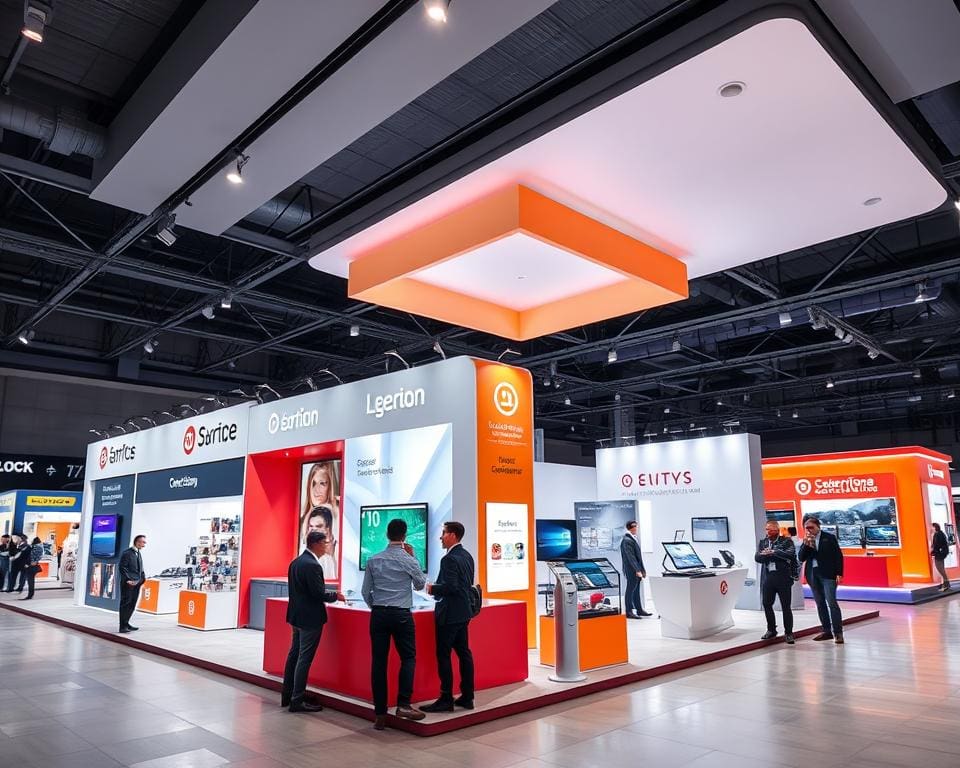
Exhibition design plays a pivotal role in establishing brand consistency, reinforcing a business’s presence and image within the marketplace. The importance of exhibition design cannot be overstated; it not only enhances the visual appeal of a brand but also significantly contributes to brand recognition and trustworthiness. By creating a cohesive environment that aligns with a brand’s identity, effective exhibition design captivates attendees, ensuring that their emotional response resonates with the core values of the business. Key elements such as uniform branding across all displays and materials are instrumental in cultivating a memorable experience that leaves a lasting impression.
The Importance of Brand Consistency
Brand consistency plays a significant role in how companies communicate with their audience. A strong foundation in brand identity not only helps in differentiating a brand within a crowded market but also lays the groundwork for fostering trust and loyalty among consumers. Consistency across various touchpoints leads to enhanced brand recognition, allowing businesses to build lasting relationships with their customers.
Understanding Brand Identity
Brand identity encompasses visual elements, tone of voice, and messaging coherence. This unified approach ensures that consumers can easily identify a brand and associate it with particular values. Developing a clear and consistent brand identity strengthens customer loyalty, as individuals are more likely to trust brands that present a cohesive message. Recognising the emotional connection that brand identity creates is crucial for brands aiming to engage effectively with their audience.
Building Trust and Recognition
Consistent branding contributes significantly to building trust with consumers. Brands that maintain a reliable identity are perceived as more credible and professional. When customers know what to expect, they are more inclined to develop brand recognition and a sense of allegiance. Studies indicate that strong brand consistency directly correlates with increased customer loyalty. As such, companies should focus on the value of brand consistency to foster a dependable image in the minds of their consumers.
Key Elements of Effective Exhibition Design
Creating an impactful exhibition requires a thoughtful approach to design that prioritises both visual aesthetics and the integration of branding. These elements can significantly enhance the overall experience while ensuring that the message remains cohesive and resonant with the audience.
Visual Aesthetics and Brand Colours
The role of visual aesthetics cannot be underestimated when it comes to engaging visitors. The right brand colours evoke emotions and promote recognition, leading to a lasting impression. Brands leverage the psychology of colour to strengthen their identity, ensuring that their booths are not only eye-catching but also reflective of their core values. For example, blue tones often symbolise trust, while warmer colours can elicit excitement and energy. When these colours align with the brand’s ethos, they contribute to a more immersive experience.
Integration of Brand Messaging
Effective exhibition design hinges upon the seamless integration of branding. Every aspect, from banners to brochures, should work together to convey a unified narrative. This cohesive messaging reinforces not only the brand identity but also enhances visitor understanding. A prime example can be seen in Apple’s minimalist designs, where simplicity meets elegance, effectively communicating their commitment to innovation and quality. Creating such an integrated experience allows brands to foster connections with their audience, amplifying the impact of their exhibition.
How does exhibition design support brand consistency?
Exhibition design plays a crucial role in reinforcing brand consistency mechanisms through the careful integration of various elements. A well-executed design should not only reflect the brand’s identity but also create a unified atmosphere for all attendees. Consistent themes and styles are fundamental in delivering a cohesive experience that resonates with visitors, enhancing event branding.
By strategically mixing visual and functional components, brands can strengthen their presence within a competitive landscape. For instance, cohesive layouts allow for fluid transitions between different segments of an exhibit, ensuring that the brand messaging remains clear and impactful. This alignment promotes an emotional connection with the audience, thereby increasing brand loyalty.
Iconic brands like IKEA and Coca-Cola serve as excellent examples of successful exhibition design. Their approach highlights the importance of maintaining brand consistency across diverse events, showcasing a seamless blend of aesthetic and practical considerations. This strategic focus on unified branding ultimately aids in crafting unforgettable experiences that leave a lasting impression.
The Role of Layout and Space Planning
In the realm of exhibition design, the significance of layout planning cannot be overstated. Effective spatial design directly influences visitor flow and overall engagement, pushing brands to rethink how they manage their exhibition space. By meticulously analysing visitor behaviour, designers can create environments that not only facilitate movement but also foster meaningful interactions with the brand.
Creating Optimal Visitor Flow
Thoughtful layout planning serves as the backbone of an exhibition’s success. An effective exhibition space management strategy considers several key principles that enhance the visitor experience:
- Open vs. Segmented Spaces: Open layouts encourage free movement, allowing visitors to explore at their own pace. Conversely, segmented spaces can provide distinct areas for specific brand messaging, guiding visitors through a curated experience.
- Pathway Design: The routes visitors take should be intuitive, making navigation effortless. Well-defined pathways enhance visitor flow while keeping engagement levels high.
- Interaction Zones: Creating spaces where visitors can engage directly with products or interact with staff encourages prolonged visits and deeper brand connections.
By aligning spatial design principles with visitor behaviour, brands can cultivate a seamless experience that resonates with audiences, ultimately reinforcing brand consistency. The right layout not only improves operational efficiency but also enriches the visitor’s journey, making each exhibition memorable and impactful.
Harnessing Technology in Exhibition Design
The integration of technology in exhibitions has transformed the way brands connect with their audiences. By utilising interactive displays and advanced digital branding tools, companies can create unforgettable immersive experiences that capture the attention of attendees and foster deeper engagement.
Interactive Displays and Engagement
Interactive displays serve as powerful engagement tools that invite visitors to actively participate in the exhibition. This hands-on approach can significantly enhance the experience, making it more memorable and engaging. For instance, tech trade shows often feature interactive presentations that enable attendees to explore products through touchscreens and virtual displays. These interactive setups not only showcase the brand’s offerings but also invite meaningful interactions that resonate with potential customers.
Utilising Digital Branding Tools
Leveraging digital branding is key to maximising reach and engagement during exhibitions. Brands can harness tools such as social media integration and augmented reality (AR) to captivate audiences. By creating engaging applications that allow visitors to interact with the brand in real-time, companies can enhance their visibility and promote a stronger connection. Whether through sharing experiences on social platforms or using AR for demonstrations, these digital strategies effectively broaden the impact of the brand throughout the event.
Case Studies of Successful Exhibition Designs
Examining case studies of successful brands provides valuable insights into the art of effective exhibition design. Notable brands leverage exhibition analysis to showcase their identity and engage audiences deeply. Such studies illustrate how exhibitions can serve not just as a marketing tool, but as an extension of a brand’s ethos.
Analysis of Notable Brands
Brands like Coca-Cola have mastered the craft of creating immersive experiences that resonate with visitors. Their exhibitions often embody the brand’s playful spirit while reinforcing its core messages. Apple’s use of sleek, minimal designs allows them to communicate innovation and quality effectively. These case studies exemplify how successful brands create impactful environments that reflect their values and engage audiences.
Lessons Learned from Industry Leaders
Through careful consideration of design lessons shared by industry leaders, brands have identified best practices for achieving consistency in their exhibitions. Key strategies include:
- Consistency in visual elements, such as colours and logos, to create a cohesive brand experience.
- Integrating storytelling elements that captivate visitors and encourage interaction.
- Utilising technology to enhance the overall experience while staying true to brand messaging.
Measuring Success: Metrics for Brand Consistency
Evaluating the impact of exhibition design requires a systematic approach to measuring success. Establishing relevant brand metrics allows organisations to understand how effectively their messaging resonates with audiences. Employing a combination of visitor feedback and engagement analysis paves the way for in-depth insights into brand consistency.
Visitor Feedback and Engagement Rates
Collecting visitor feedback serves as a crucial component in assessing design effectiveness. Surveys and informal conversations can unveil valuable insights about attendee experiences. Engagement rates offer additional depth; these can be quantified through various measures:
- Number of visitors interacting with displays.
- Average dwell times at exhibition stands.
- Social media mentions during and after the event.
By combining visitor feedback with engagement analysis, brands gain a clearer picture of how their design strategies foster connections with the audience.
Post-Event Brand Recognition Surveys
Conducting post-event surveys aids in identifying shifts in brand perception. These surveys target attendees after the experience, allowing brands to measure awareness and recall. Typical objectives include:
- Determining changes in brand perception pre- and post-event.
- Assessing brand recognition among attendees.
- Identifying aspects of the exhibition design that left a lasting impression.
Such post-event surveys are instrumental in refining future exhibition strategies and enhancing brand consistency. By responsibly analysing results, brands can tailor their efforts to strengthen ongoing audience engagement.
Future Trends in Exhibition Design
The landscape of exhibition design is undergoing remarkable transformations, driven by the emergence of future trends that reflect changing consumer expectations. One of the most significant shifts is the move towards sustainable practices. As brands increasingly recognise the importance of environmental responsibility, exhibition design evolution is focusing on eco-friendly materials and energy-efficient technologies. This alignment not only enhances brand image but also resonates with the values of a more conscientious audience.
Additionally, the rise of virtual exhibitions is reshaping how brands engage with their audience. Hybrid models that incorporate both in-person interactions and digital platforms are allowing for broader reach and enhanced accessibility. Trade show shifts are becoming more apparent as brands leverage design innovations to create immersive experiences that transcend traditional exhibition boundaries. This integration of technology fosters deeper connections with consumers, making brand consistency more achievable than ever.
Amidst these advancements, the emphasis on experiential marketing continues to rise. Interactive elements such as augmented reality and tactile displays are transforming the exhibition space into a canvas of creativity, captivating attendees and reinforcing brand messaging. As we look towards the future, it is clear that exhibition design will continue to evolve, embracing these trends to create dynamic environments where brands can thrive and connect with their audience in meaningful ways.